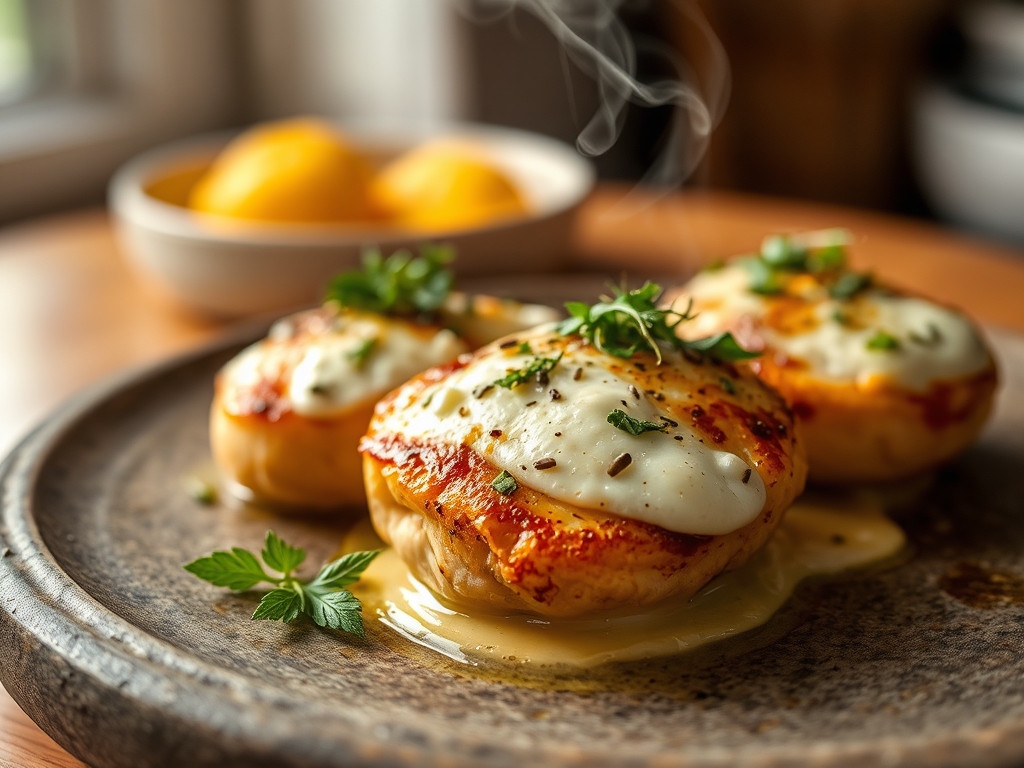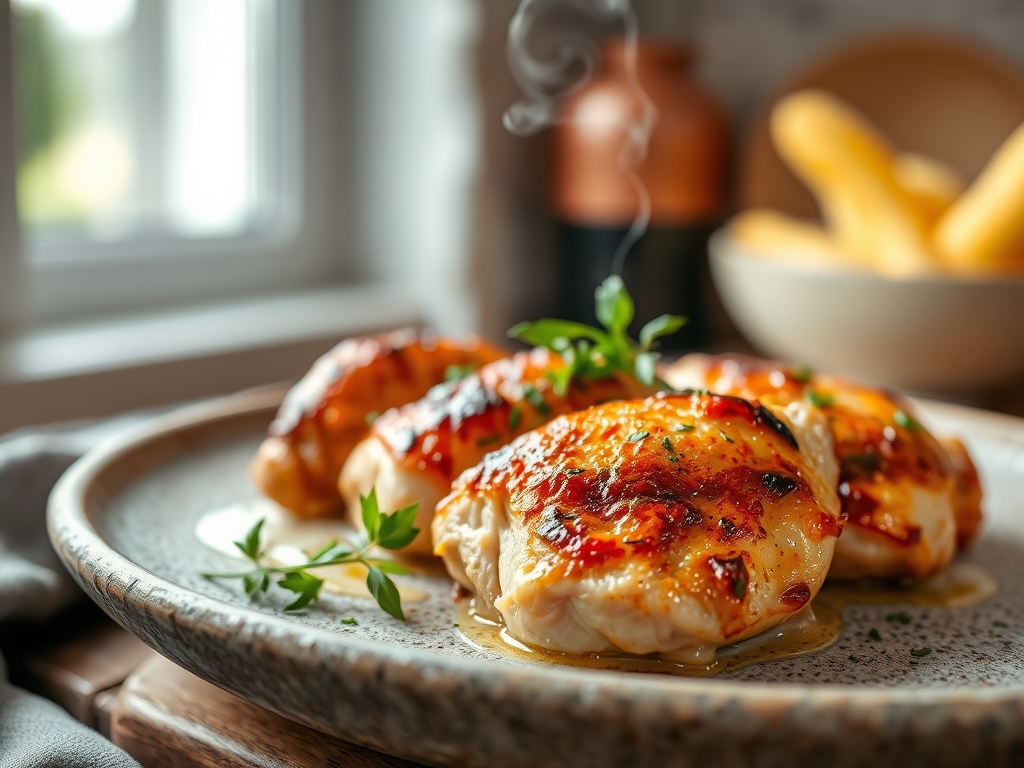
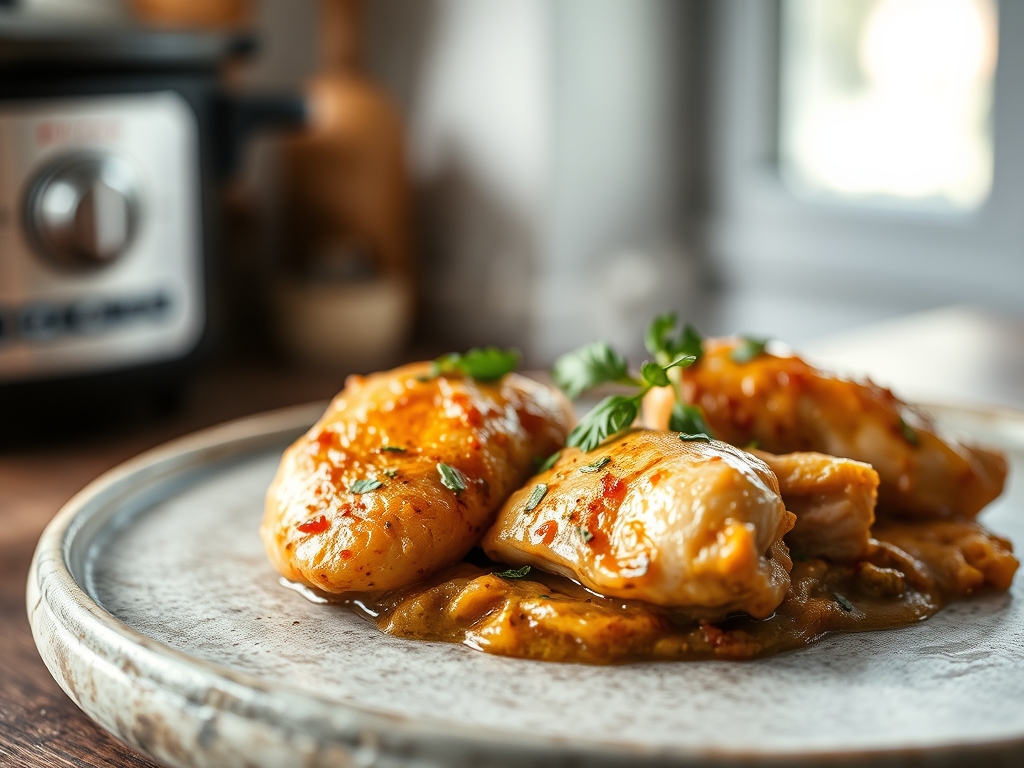
Picture the scene: you arrive home after a grueling ten hour shift, and the air in your foyer is thick with the scent of roasted garlic and piquant lime. Your kitchen has been working for you while you were away. This is the magic of low calorie slow cooker chicken recipes; they provide the ultimate shortcut to gourmet results without the heavy caloric density of traditional comfort foods.
The secret lies in the gentle, low-temperature environment of the crock. In this humid chamber, connective tissues in the poultry slowly break down into gelatin, creating a luscious mouthfeel that mimics the richness of fat. You are not just cooking; you are performing long-form chemistry. By leveraging high-impact aromatics and lean proteins, we can achieve deep, savory profiles that satisfy the soul while keeping your macros in check. Forget the bland, boiled textures of the past. We are going to use the science of thermal retention to create ten distinct masterpieces, ranging from a zesty Moroccan tagine to a classic herbed pot roast, all designed to fit a modern, health-conscious lifestyle.
The Gathers:
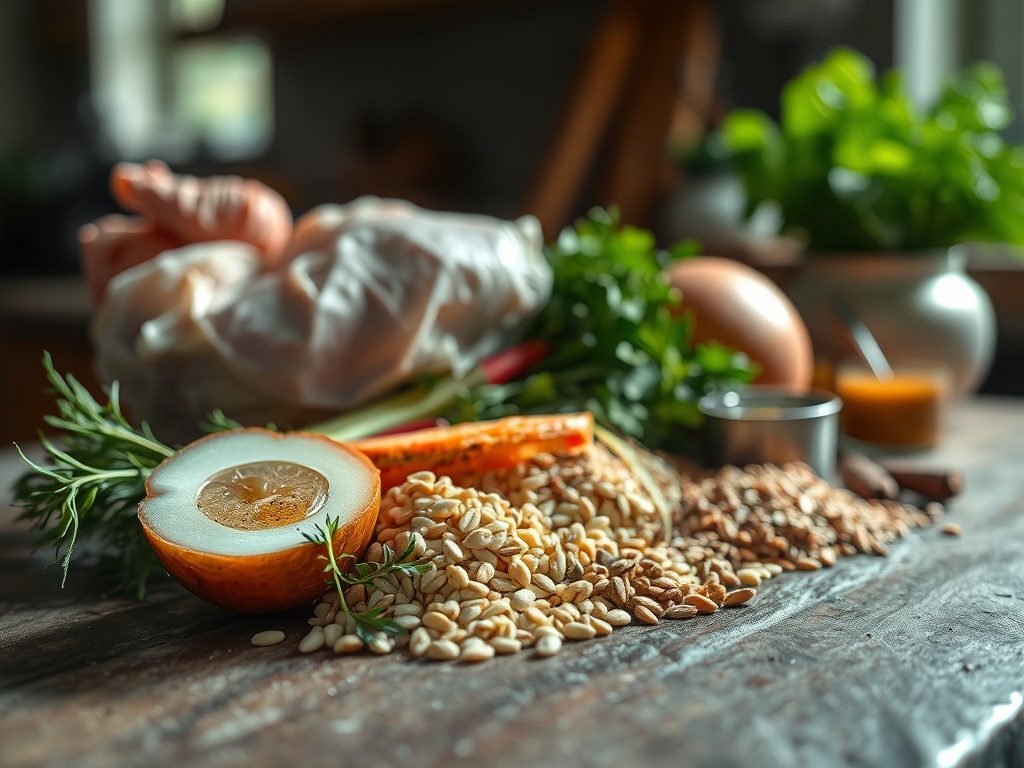
Before we engage the heating element, we must curate our mise-en-place with surgical precision. Use a digital scale to measure your proteins; precision is the enemy of hidden calories. You will need four pounds of skinless chicken breasts or thighs, which offer a high protein-to-fat ratio. Our flavor base relies on the "holy trinity" of aromatics: finely diced mirepoix (onions, carrots, and celery) prepped with a sharp bench scraper to ensure uniform size.
To elevate these low calorie slow cooker chicken recipes, we utilize "Smart Substitutions." Instead of heavy cream, we use Greek yogurt or blended silken tofu to provide a viscous texture. Instead of oil-heavy marinades, we use acidic agents like apple cider vinegar or citrus juice to denature the proteins, ensuring tenderness. Keep your microplane handy for zesting lemons and grating fresh ginger; these volatile oils provide a sensory punch that heavy salts cannot match. Finally, ensure you have high-quality chicken bone broth. The collagen content in bone broth provides a superior body to your sauces compared to standard water-based stocks.
The Clock: Mastering the Chef's Flow
Efficiency in the kitchen is about more than just speed; it is about the "Chef's Flow," or the logical sequencing of tasks to minimize downtime. For these recipes, your active prep time is exactly twenty minutes. This includes the "sear and deglaze" phase, which is non-negotiable for flavor.
The cooking duration follows a binary path: four hours on "High" or eight hours on "Low." Scientifically, the "Low" setting is superior for lean poultry. It prevents the muscle fibers from tightening too rapidly, which can squeeze out moisture and leave the meat "stringy." By allowing the internal temperature to rise slowly, you maintain a succulent interior. Set your timer, walk away, and let the thermodynamics of the ceramic vessel do the heavy lifting.
The Masterclass:
1. The Maillard Foundation
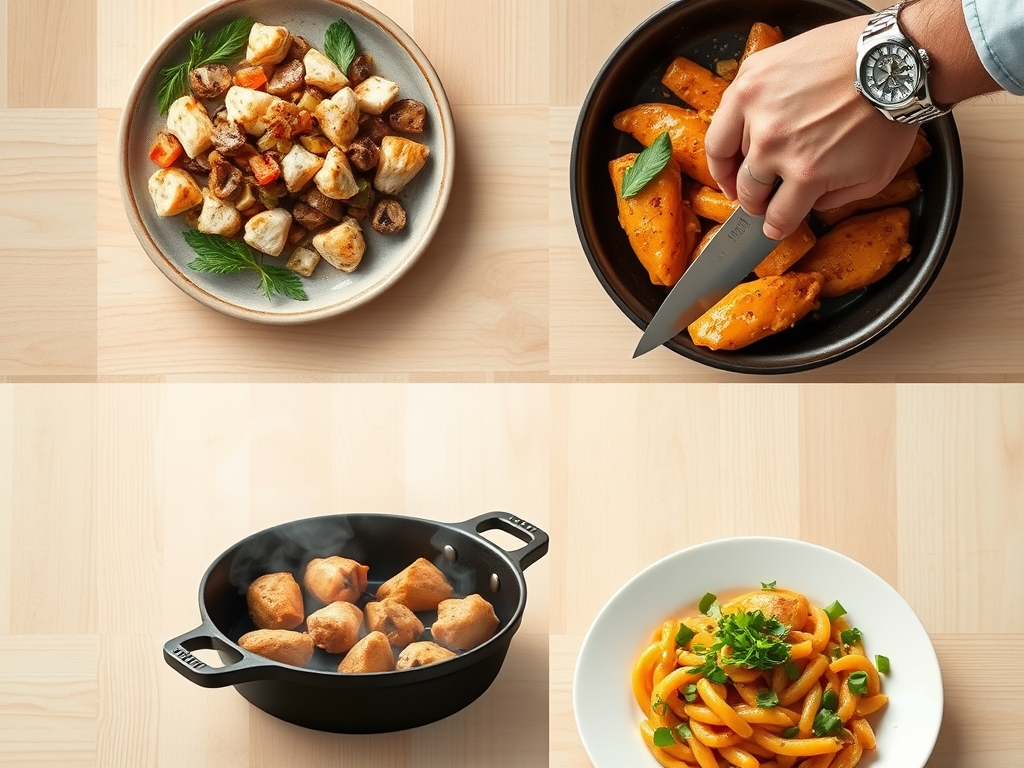
Begin by heating a heavy-bottomed skillet over medium-high heat. Lightly spray your chicken with an oil mister and sear for two minutes per side until a golden crust forms.
Pro Tip: This is the Maillard Reaction, a chemical reaction between amino acids and reducing sugars that creates hundreds of different flavor compounds. Slow cookers cannot reach the temperatures required for this browning, so starting on the stove is essential for depth of flavor.
2. Deglazing the Essence
Once the chicken is removed, pour a splash of broth or dry white wine into the hot skillet. Use a wooden spoon to scrape up the brown bits (the fond) stuck to the bottom.
Pro Tip: This process is called deglazing. Those caramelized bits are concentrated umami. By dissolving them into a liquid before adding them to the slow cooker, you ensure every ounce of flavor is infused into the final dish.
3. Layering the Aromatics
Place your harder vegetables like carrots and potatoes at the very bottom of the slow cooker insert, then layer the seared chicken on top.
Pro Tip: The heating element in most slow cookers is located at the base. Harder vegetables require more thermal energy to soften their cellulose structures, while the chicken benefits from the gentle rising steam, preventing overcooking.
4. The Low and Slow Simmer
Pour your liquid components over the stack, ensuring the chicken is at least halfway submerged. Secure the lid and resist the urge to peek.
Pro Tip: Every time you lift the lid, you lose significant heat and moisture, extending the cook time by approximately fifteen minutes. This is known as evaporative cooling, which can stall the internal temperature of your protein.
5. The Final Emulsification
Ten minutes before serving, remove the chicken. If the sauce is too thin, whisk in a slurry of cornstarch or a dollop of Greek yogurt.
Pro Tip: To achieve a viscous sauce without fat, you must encourage emulsification. Using a saucier or a small whisk helps suspend starch particles in the liquid, creating a velvety coating that clings to the meat.
The Deep Dive:
When we analyze the macro nutrition of these low calorie slow cooker chicken recipes, we see a beautiful balance. A standard serving typically yields 35 to 45 grams of protein with less than 10 grams of fat. This high-protein density promotes satiety, making it easier to maintain a caloric deficit without feeling deprived.
For those with dietary restrictions, these recipes are incredibly versatile. To make them Vegan, swap the chicken for extra-firm tofu or jackfruit and use vegetable bouillon. For Keto enthusiasts, replace root vegetables with cauliflower or zucchini. If you are Gluten-Free, simply ensure your chicken broth is certified and use arrowroot powder instead of flour for thickening.
The Fix-It: Common Pitfalls
- The Mushy Veggie: If your vegetables turn to paste, you likely cut them too small. Aim for one-inch chunks to withstand the long cook time.
- The Dry Breast: If the chicken is chalky, it reached an internal temp over 165 degrees Fahrenheit. Switch to the "Warm" setting sooner.
- The Bland Sauce: This usually happens because of water release from vegetables. Fix it by adding a "bright" finish: a squeeze of fresh lime or a teaspoon of fish sauce for instant salt and acid balance.
Meal Prep Science
To maintain "day-one" quality when reheating, store the chicken in its cooking liquid. This prevents oxidation and "warmed-over flavor," which is caused by the breakdown of fatty acids. When reheating, use a damp paper towel over the bowl in the microwave to create a mini-steam chamber, keeping the fibers supple.
The Wrap-Up:
Mastering low calorie slow cooker chicken recipes is like having a secret superpower in your culinary arsenal. You are combining the rigorous precision of molecular gastronomy with the heart-warming comfort of home cooking. By focusing on the Maillard reaction, proper layering, and acidic finishes, you transform humble ingredients into a week's worth of vibrant, healthy fuel. Now, go grab your tongs and your favorite spices; your future, well-fed self is already thanking you!
The Kitchen Table:
How do I prevent chicken from getting dry in a slow cooker?
Cook on the "Low" setting and use a digital thermometer to pull the meat once it hits 165 degrees Fahrenheit. Keeping the meat submerged in liquid or "pot liquor" also helps maintain moisture through capillary action.
Can I put frozen chicken directly into the slow cooker?
No, this is a food safety risk. Frozen meat stays in the "danger zone" (40-140 degrees Fahrenheit) for too long, allowing bacteria to multiply. Always thaw your poultry completely in the refrigerator before adding it to the crock.
How can I thicken the sauce without adding flour or butter?
Remove a cup of the cooked vegetables and blend them into a puree, then stir them back into the pot. Alternatively, use a cornstarch slurry or allow the sauce to reduce in a saucier on the stovetop for ten minutes.
Why does my slow cooker chicken taste bland?
Slow cooking dulls the impact of salt and acid. To fix this, always sear your meat first to develop complex flavors and add a "bright" finishing touch like fresh herbs, citrus zest, or vinegar right before serving.