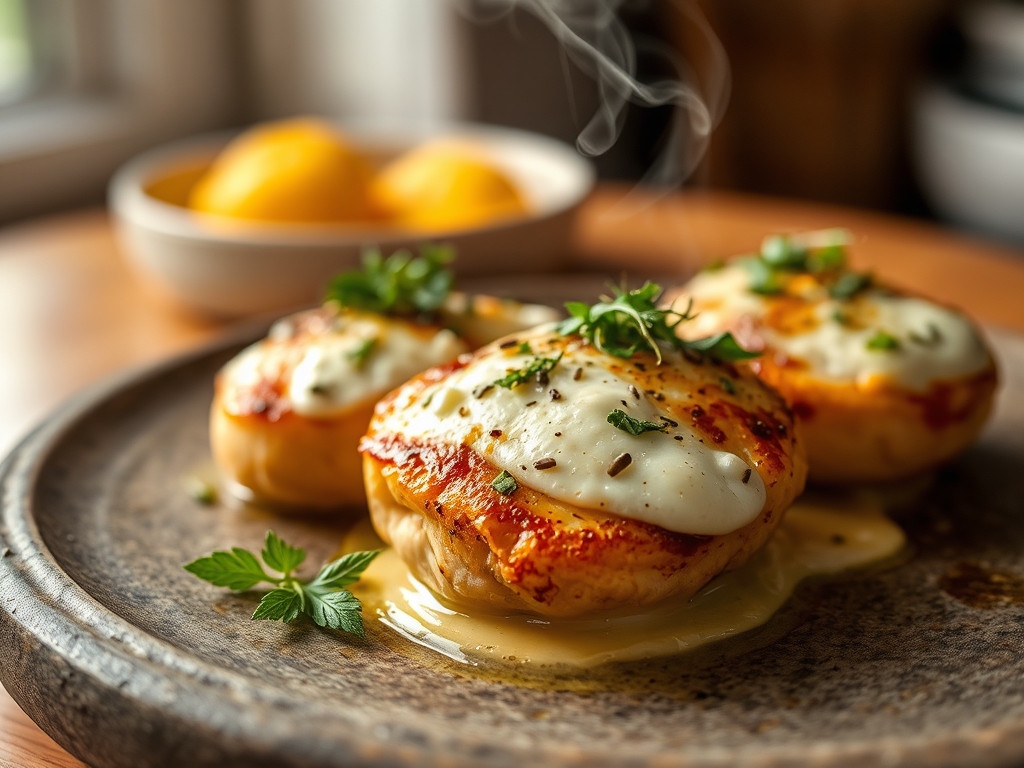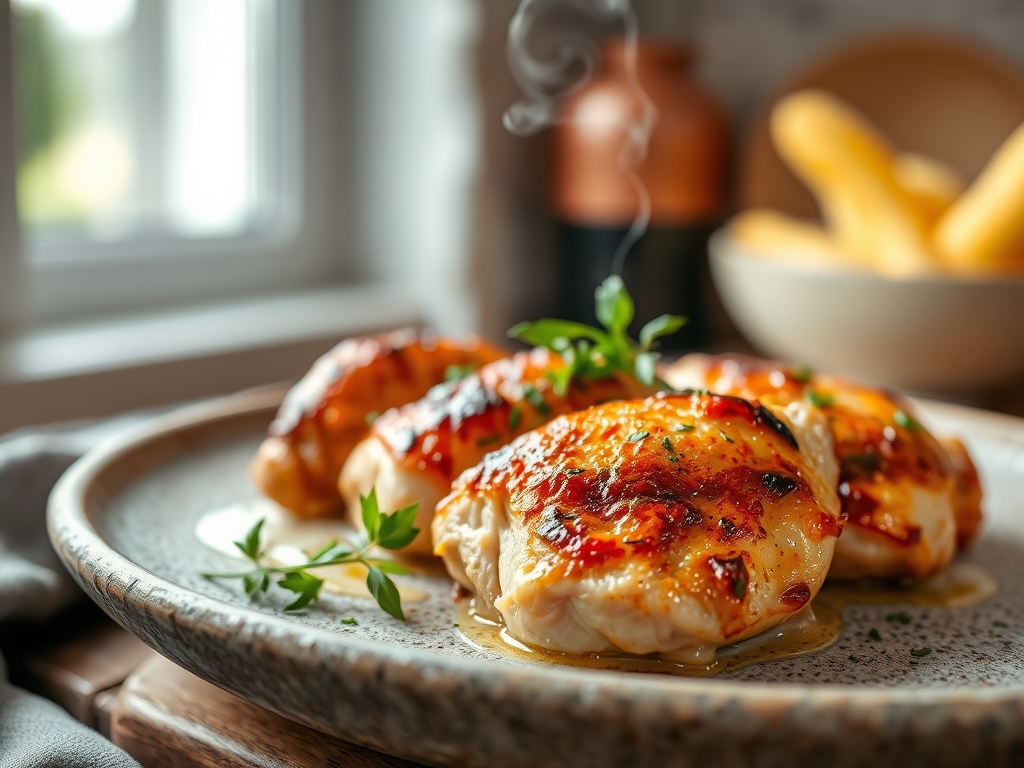
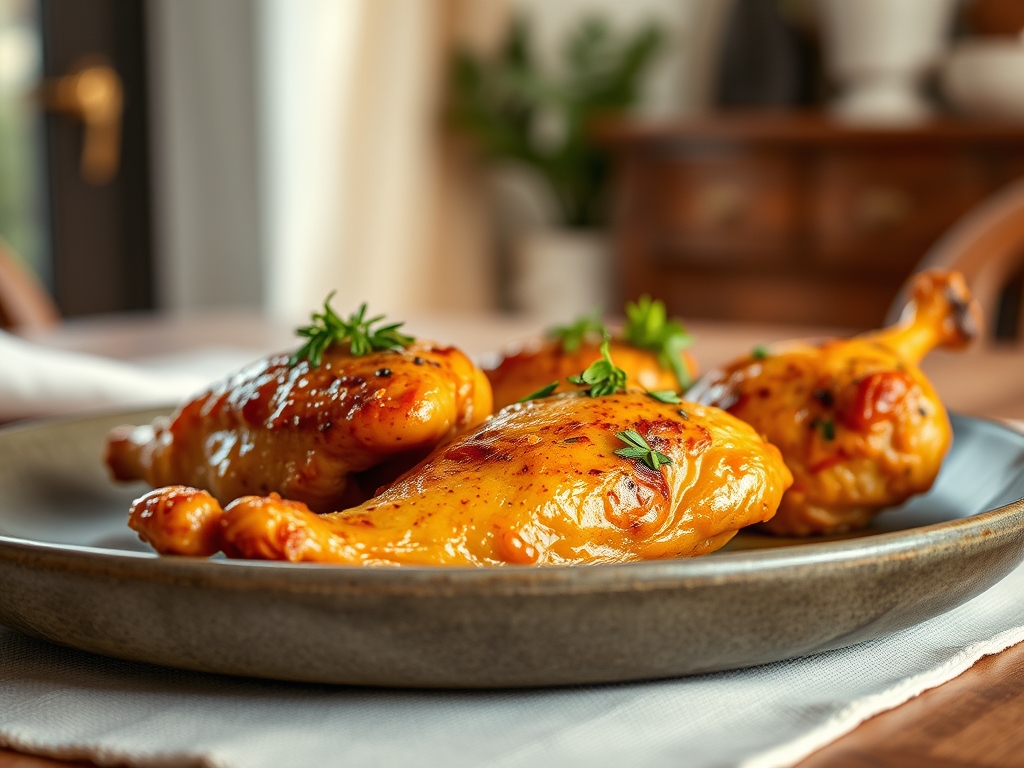
Picture the scene: a crowded kitchen, the air thick with the scent of toasted cumin and charred lemon, and your friends hovering near the stove with empty plates. When it comes to party chicken recipes, the difference between a dry, forgettable breast and a succulent, flavor-shattering masterpiece lies entirely in the chemistry of the marinade. We are moving beyond basic salt and pepper. We are harnessing the power of fermentation, acid-base reactions, and lipid-soluble spices to create a crust that crackles and a center that drips with moisture.
The secret is simple but profound: yogurt. Unlike harsh vinegar-based marinades that can turn meat "mushy" by denaturing proteins too aggressively, yogurt provides a gentle, enzymatic breakdown. It is the ultimate culinary buffer. It allows flavors to penetrate deeply while creating a protective, viscous coating that caramelizes into those iconic charred spots we crave. Whether you are hosting a rooftop gathering or an intimate dinner, mastering this technique ensures your bird is the undisputed star of the show. Grab your apron; we are about to turn your kitchen into a high-end bistro where the science of flavor meets the joy of hosting.
The Gathers:
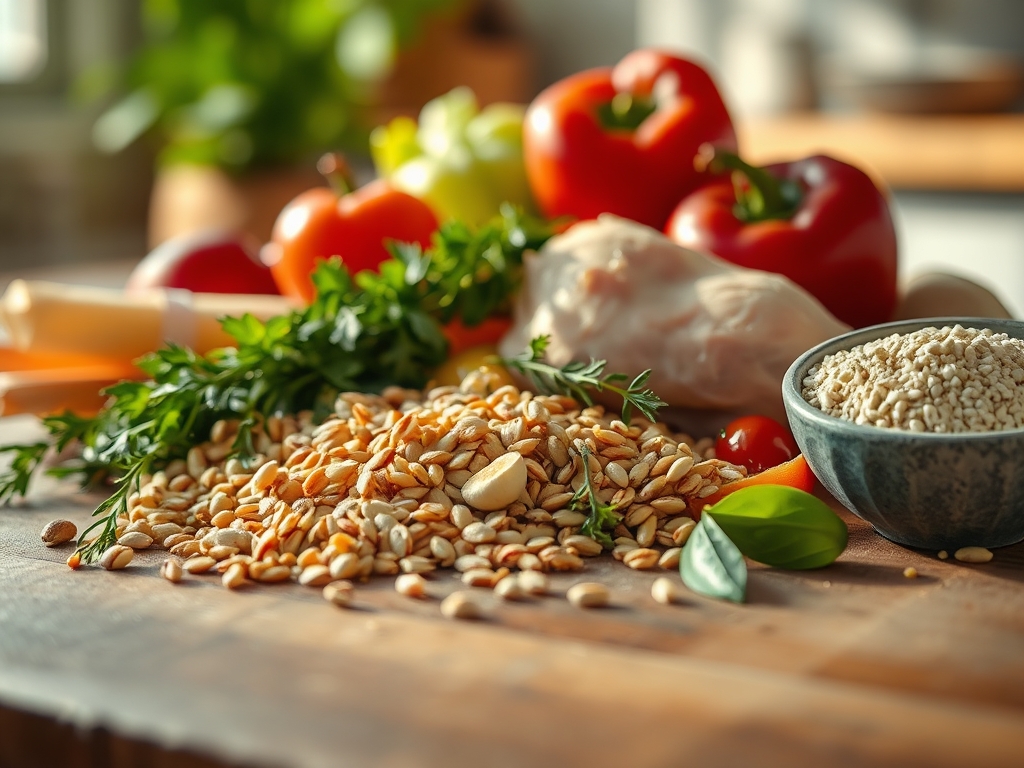
To execute these party chicken recipes with precision, your mise-en-place must be flawless. We start with the bird: five pounds of organic, skin-on, bone-in thighs. The bone acts as a thermal conductor, ensuring even heat distribution, while the skin provides the necessary lipids to render and crisp. For the marinade, you need two cups of full-fat Greek yogurt. The fat content is non-negotiable; it acts as a carrier for fat-soluble compounds in your spices, such as the curcumin in turmeric and the capsaicin in chili flakes.
Next, gather your aromatics. You will need a massive head of garlic and a four-inch knob of fresh ginger. Use a microplane to grate these into a fine paste; this increases the surface area, allowing the piquant juices to infuse the yogurt instantly. For the spice profile, reach for toasted cumin, smoked paprika, and ground coriander. These should be measured on a digital scale for consistency.
Smart Substitutions: If you are out of Greek yogurt, a thick labneh or even a full-fat coconut milk spiked with a tablespoon of cream of tartar can mimic the acidity. If you lack fresh ginger, a splash of galangal paste adds a sophisticated, woody depth. Always finish with a high-quality sea salt; the coarse grains help to aerate the marinade as you whisk it in your saucier or mixing bowl.
The Clock: Chef's Flow
Timing is the invisible ingredient in professional cooking. For these party chicken recipes, the "Chef's Flow" dictates a minimum four-hour soak, though twelve hours is the sweet spot for maximum enzymatic activity.
Prep Time: 20 minutes. This includes the breakdown of aromatics and the emulsification of the marinade.
Marination: 4 to 12 hours. This is passive time where the lactic acid works its magic.
Cook Time: 35 to 45 minutes. We use a two-stage thermal process: a high-heat sear followed by a moderate roast.
Rest Time: 10 minutes. Essential for juice redistribution.
The flow is simple: Marinate the night before. Remove the chicken from the fridge 30 minutes before cooking to take the chill off; this prevents the protein fibers from seizing when they hit the heat. While the chicken rests after cooking, use that time to whisk together a quick herb oil or a cooling raita.
The Masterclass:
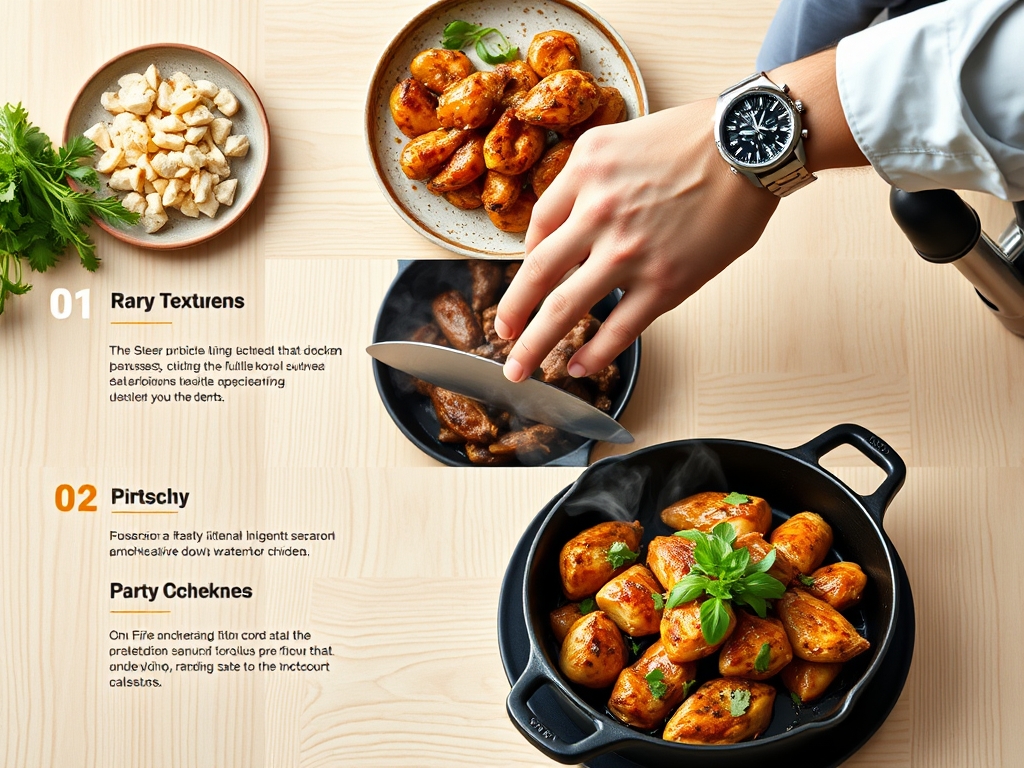
1. The Surface Preparation
Before the yogurt ever touches the meat, you must pat the chicken bone-dry with paper towels. Any residual moisture will dilute the marinade and prevent the yogurt from adhering to the skin. Use a sharp knife to make two shallow slashes in the thickest part of each thigh.
Pro Tip: This technique, known as scoring, increases the surface area for the marinade to penetrate. Scientifically, it bypasses the skin barrier, allowing the lactic acid to begin breaking down the tough connective tissues deeper within the muscle.
2. Emulsifying the Marinade
In a large bowl, whisk the yogurt, spices, and aromatics until the mixture is completely homogenous. Slowly stream in two tablespoons of extra virgin olive oil while whisking constantly.
Pro Tip: This creates a stable emulsion. The fats in the oil and yogurt trap the volatile flavor compounds of the spices, ensuring they stay locked against the meat rather than evaporating during the high-heat cooking process.
3. The Massage
Submerge the chicken in the marinade, ensuring every crevice is coated. Use your hands to work the mixture under the skin and into the scores you made earlier.
Pro Tip: This manual agitation helps the salt in the marinade begin the process of denaturation. The salt dissolves some of the protein filaments, allowing the meat to hold onto more water during the roasting process.
4. Cold Cure
Cover the bowl tightly with plastic wrap or transfer everything to a gallon-sized freezer bag, squeezing out all the air. Place it in the coldest part of your refrigerator.
Pro Tip: Maintaining a temperature below 40 degrees Fahrenheit is crucial for safety, but it also slows down the enzymatic breakdown just enough to prevent the meat from becoming mushy. This is the "low and slow" version of chemical tenderization.
5. The Tempering
Remove the chicken from the fridge 30 to 45 minutes before you plan to cook. Use a bench scraper to clear a workspace for your baking sheets or heavy-bottomed skillet.
Pro Tip: Tempering the meat ensures that the internal temperature rises evenly. If you put ice-cold chicken into a hot oven, the exterior will overcook and dry out before the center reaches a safe 165 degrees Fahrenheit.
6. The High-Heat Launch
Preheat your oven to 425 degrees Fahrenheit. Arrange the chicken on a wire rack set over a rimmed baking sheet. This allows hot air to circulate 360 degrees around the bird.
Pro Tip: The high initial heat triggers the Maillard reaction. The sugars and amino acids in the yogurt caramelize rapidly, creating a complex, savory crust that is impossible to achieve at lower temperatures.
7. The Thermal Transition
After 20 minutes, reduce the oven temperature to 375 degrees Fahrenheit. This prevents the yogurt crust from burning while the bone-in center finishes cooking.
Pro Tip: This protects the delicate moisture trapped inside. Yogurt-based coatings act as an insulator; by dropping the heat, you allow the internal temperature to climb steadily without scorching the exterior.
8. The Flip and Baste
Halfway through the cooking process, use tongs to rotate the pan. If the chicken looks dry, lightly brush the tops with a bit of melted ghee or neutral oil.
Pro Tip: This is called basting. Adding a fresh layer of lipids mid-cook helps to further conduct heat into the skin, ensuring that the "char" is crispy rather than soft and steamed.
9. The Digital Check
Use a digital probe thermometer to check the thickest part of the thigh. You are looking for 160 degrees Fahrenheit.
Pro Tip: We pull the chicken at 160 degrees because of thermal carryover. The internal temperature will continue to rise by 5 to 7 degrees as the meat rests, bringing it to the perfect, safe, and juicy 165-degree mark.
10. The Essential Rest
Transfer the chicken to a warm platter and tent loosely with foil. Wait at least 10 minutes before serving.
Pro Tip: During cooking, muscle fibers contract and push juices toward the center. Resting allows those fibers to relax and reabsorb the moisture. If you cut it too soon, those precious juices will end up on the cutting board instead of in your mouth.
The Deep Dive:
Macro Nutrition: One serving of this yogurt-marinated chicken (approx. two thighs) delivers roughly 35g of protein, 18g of fat, and only 4g of carbohydrates. The yogurt adds a boost of calcium and probiotics, though most of the live cultures perish in the heat.
Dietary Swaps:
- Vegan: Substitute the chicken with thick slabs of cauliflower or extra-firm tofu. Use a soy-based or almond-based unsweetened yogurt.
- Keto: This recipe is naturally keto-friendly. Ensure your yogurt has no added sugars.
- GF: This recipe is inherently gluten-free; just double-check your spice blends for anti-caking agents that might contain wheat.
The Fix-It:
- Soggy Skin: Your oven wasn't hot enough or you didn't use a wire rack. Fix: Flash the chicken under the broiler for 60 seconds at the very end.
- Bland Flavor: You didn't use enough salt. Fix: Sprinkle with a touch of Maldon sea salt and a squeeze of fresh lime juice immediately after cooking.
- Burnt Yogurt: The marinade was too thick. Fix: Next time, thin the yogurt slightly with a tablespoon of lemon juice or oil before coating.
Meal Prep Science: To reheat and maintain "day-one" quality, avoid the microwave. The microwave agitates water molecules, which can make the chicken rubbery. Instead, place leftovers in a covered dish with a splash of water or broth and heat in a 300-degree oven until warmed through. This gently steams the meat while keeping the crust intact.
The Wrap-Up:
There you have it: the definitive guide to party chicken recipes that actually deliver on their promise. By understanding the interplay between lactic acid, heat, and fat, you have graduated from a casual cook to a culinary scientist. These techniques ensure that every bite is a perfect balance of charred exterior and succulent interior. So, the next time you find yourself planning a gathering, don't stress. Grab the yogurt, toast your spices, and let the chemistry do the heavy lifting. Your friends won't just be impressed; they will be asking for the recipe before the first course is even over. Now, go forth and dominate the dinner party circuit!
The Kitchen Table:
Why is my yogurt-marinated chicken sometimes mushy?
Mushiness occurs when chicken marinating lasts too long. Lactic acid breaks down protein structures; exceeding 24 hours turns the texture soft. For the best party chicken recipes, stick to a 12-hour maximum to maintain the meat's structural integrity.
Can I use non-fat yogurt for the marinade?
Non-fat yogurt lacks the lipids necessary to carry fat-soluble spice flavors. It also scorches easily in the oven. Always choose full-fat Greek yogurt to ensure a rich, viscous coating that protects the meat and enhances the overall mouthfeel.
What is the best way to get a charred look without a grill?
Achieve a professional char by using the top rack of your oven and a high initial temperature. The sugars in the yogurt undergo the Maillard reaction at 400 degrees Fahrenheit, creating those beautiful, savory dark spots without needing an open flame.
Should I wash the marinade off before cooking?
Never wash the marinade off. The yogurt coating is what creates the flavorful crust and keeps the chicken moist. Simply shake off any excessive dripping before placing the meat on the rack to ensure it roasts rather than steams.