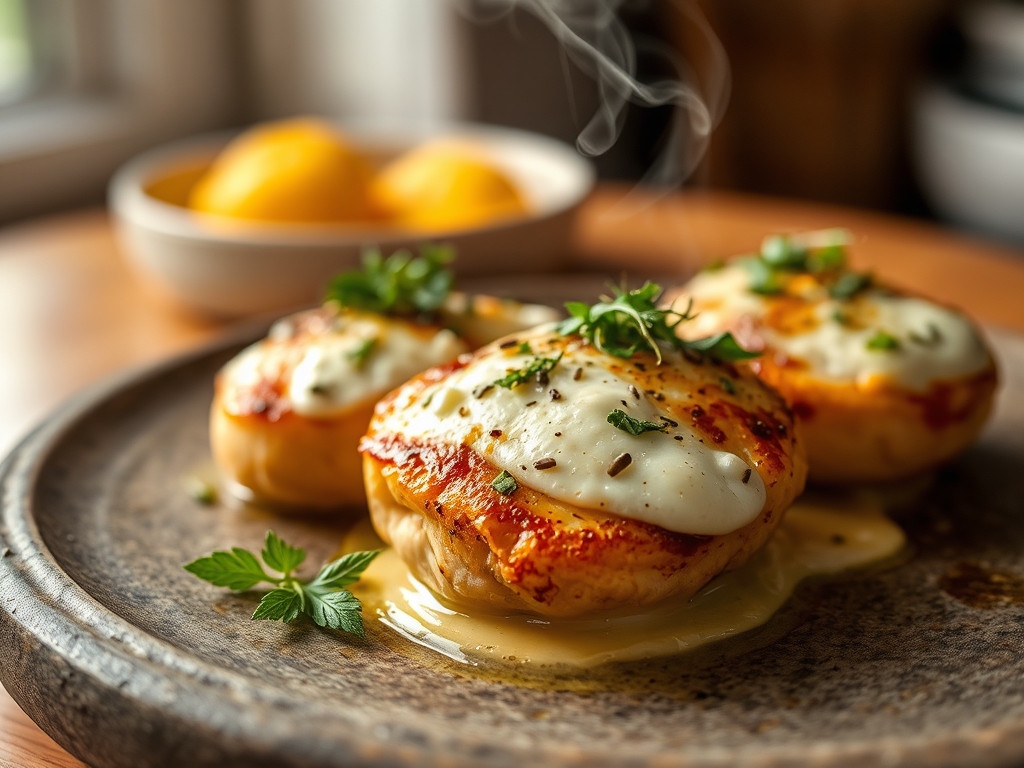
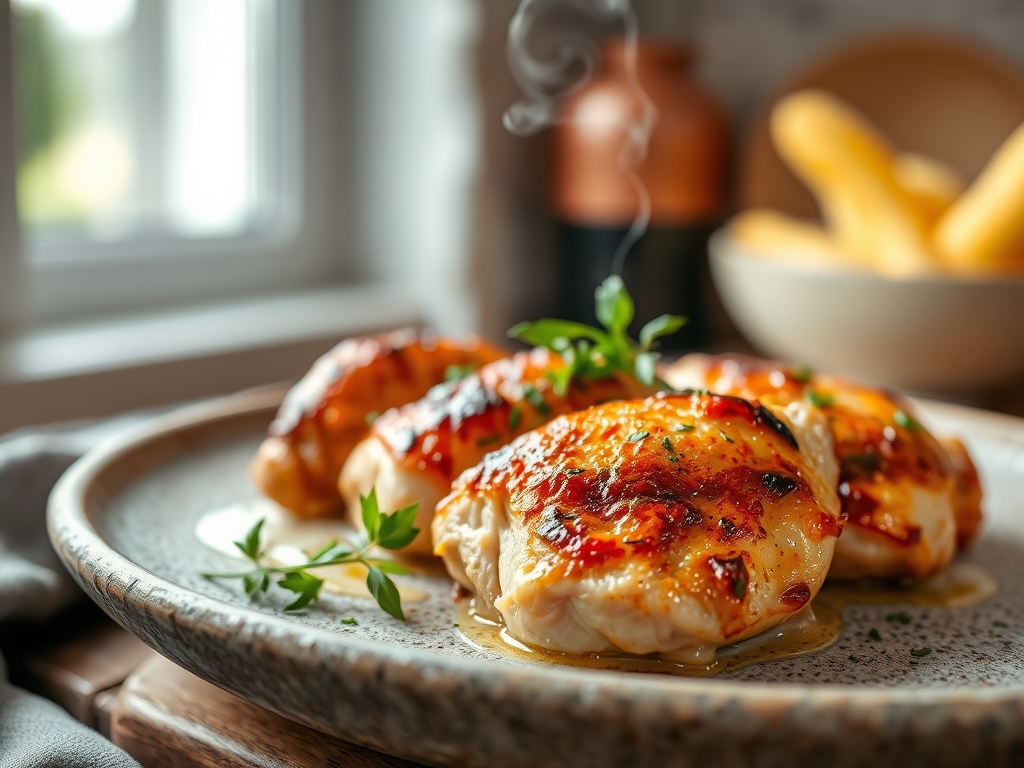
Picture a heavy-bottomed skillet resting on your stovetop; the surface is shimmering with a thin veil of olive oil just beginning to reach its smoke point. You drop in a seasoned chicken breast and the sound is immediate. It is a sharp, aggressive sizzle that signals the start of the Maillard reaction, where amino acids and reducing sugars transform into a golden, savory crust. This is the foundation of the best healthy and delicious chicken recipes, where we prioritize technique over heavy fats to achieve maximum flavor. The air fills with the scent of toasted garlic and the piquant tang of goat cheese waiting on the counter. We are not just making dinner; we are engineering a sensory experience that balances the creamy, decadent mouthfeel of a chevre sauce with the lean, high-protein profile of poultry. This dish is designed to impress a table of six while keeping your kitchen workflow tight and your nutritional goals intact. It is sophisticated enough for a Saturday night but efficient enough for a Tuesday.
The Gathers:
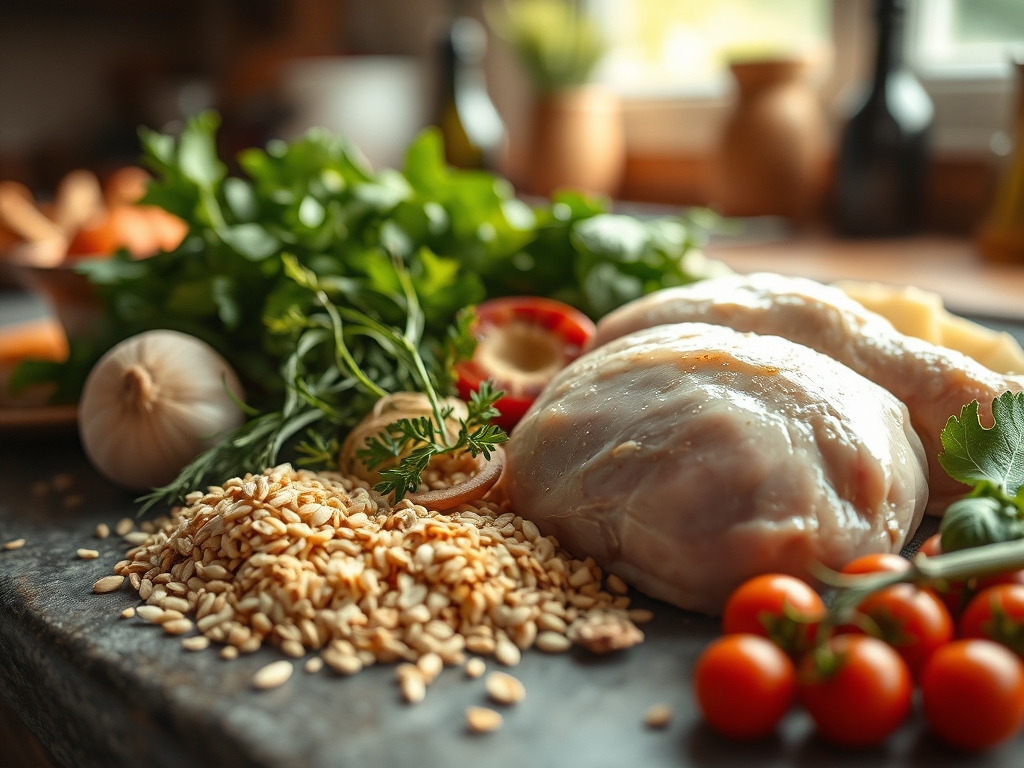
To execute this masterpiece, your mise-en-place must be precise. Start with six six-ounce chicken breasts, ideally brought to room temperature to ensure even heat distribution. You will need eight ounces of high-quality goat cheese; look for a log that feels slightly soft to the touch, indicating a higher moisture content for a more viscous sauce. Gather fresh thyme, four cloves of garlic, a cup of dry white wine for deglazing, and a bunch of fresh spinach to provide a vibrant, earthy contrast.
Use your digital scale to measure out two tablespoons of avocado oil, which has a higher smoke point than butter, allowing for a better sear without scorching. For the aromatics, use a microplane to zest one lemon; the essential oils in the zest provide a bright, citrusy lift that cuts through the richness of the cheese.
Smart Substitutions: If you are watching your sodium, replace the standard chicken stock with a low-sodium bone broth to increase collagen content. For those who find goat cheese too aggressive, a blend of half chevre and half Neufchatel cheese offers a milder profile while maintaining that signature creamy texture. If you lack white wine, a splash of apple cider vinegar diluted with water provides the necessary acidity to balance the fats.
The Clock:
Efficiency in the kitchen is about the Chef's Flow, which is the art of overlapping tasks to minimize downtime. Your total active prep time is approximately 15 minutes, with a cook time of 20 minutes.
The flow begins with the sear. While the chicken is browning in the skillet, you are not standing idle; you are using your bench scraper to clear your cutting board and prepping the spinach. The "dead time" while the chicken rests is exactly when you build the pan sauce. By the time the meat has reabsorbed its juices, your sauce is emulsified and ready. Total time from fridge to table is 35 minutes, making this a champion among healthy and delicious chicken recipes for busy hosts.
The Masterclass:
1. The High-Heat Sear
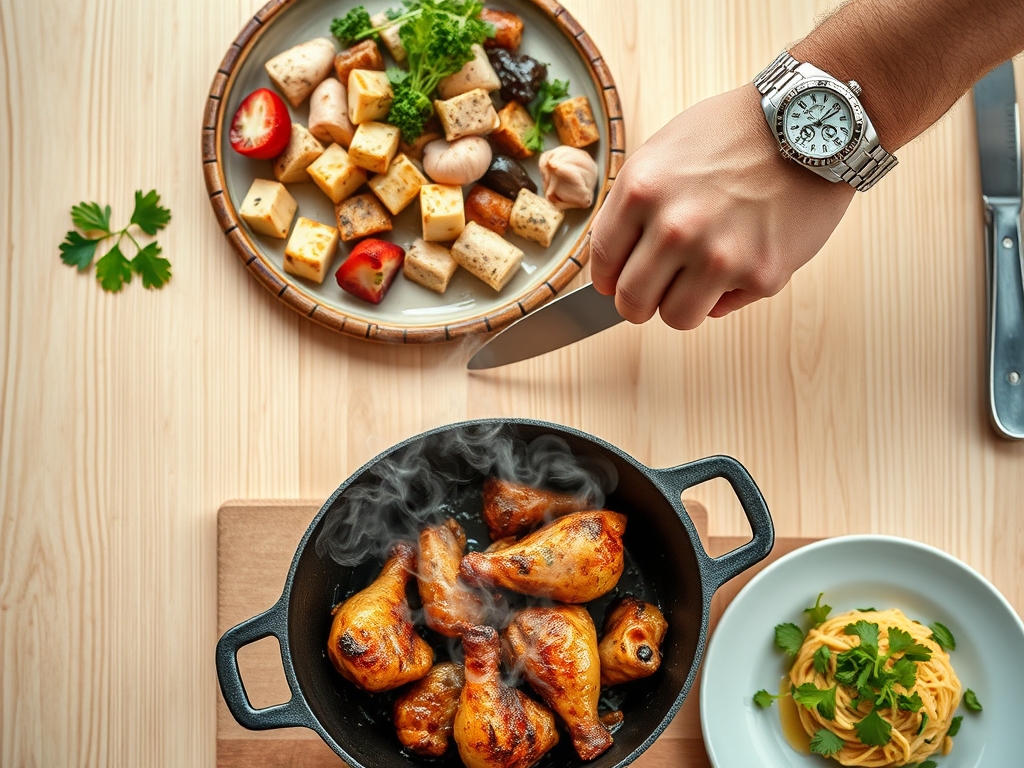
Pat the chicken completely dry with paper towels. Moisture is the enemy of a good sear; any surface water will turn to steam and prevent browning. Season aggressively with kosher salt and cracked black pepper. Heat your heavy-bottomed skillet over medium-high heat. Once the oil ripples, add the chicken using tongs, laying the meat away from you to avoid oil splatter. Sear for 5 to 6 minutes per side until a deep mahogany crust forms.
Pro Tip: This browning is the result of enzymatic browning and the Maillard reaction. By leaving the chicken undisturbed, you allow the proteins to bond and then release naturally from the pan surface once the crust is fully formed.
2. Deglazing the Fond
Remove the chicken to a warm plate and tent with foil. The brown bits stuck to the bottom of the pan are called the fond, and they are concentrated flavor gold. Pour in your white wine or broth. Use a wooden spoon to scrape the bottom of the pan, dissolving those caramelized bits into the liquid.
Pro Tip: This process uses deglazing to incorporate complex flavors back into the sauce. The alcohol in the wine acts as a solvent, pulling out flavor compounds that are not water-soluble, creating a deeper sensory profile.
3. Emulsifying the Goat Cheese
Lower the heat to medium-low. Add the minced garlic and thyme, sauteing for 60 seconds until fragrant. Whisk in the goat cheese in small chunks. Use a whisk to aerate and blend the cheese into the liquid until the sauce is smooth and velvety. If the sauce looks too thick, add a tablespoon of pasta water or broth to reach your desired consistency.
Pro Tip: Maintaining low heat is crucial here to prevent the cheese from "breaking." If the temperature is too high, the proteins in the cheese will tighten and squeeze out the fats, resulting in a grainy, oily mess rather than a smooth emulsion.
4. The Spinach Wilt and Finish
Add the fresh spinach to the sauce. It will look like a lot, but the heat will quickly render the water out of the leaves, causing them to collapse. Once the spinach is wilted, return the chicken and any accumulated juices back into the skillet. Spoon the sauce over the meat to infuse it with flavor.
Pro Tip: Always include the "resting juices" from the plate back into the pan. These juices contain concentrated proteins and salts that enhance the savory "umami" quality of your final sauce.
The Deep Dive:
Macro Nutrition: One serving of this goat cheese chicken provides approximately 340 calories, 42 grams of protein, 12 grams of fat, and only 4 grams of carbohydrates. It is a nutritional powerhouse that fits perfectly into a balanced lifestyle.
Dietary Swaps:
- Keto: This recipe is naturally keto-friendly. Serve it over roasted cauliflower or zucchini noodles.
- Vegan: Substitute the chicken with thick slices of roasted cauliflower "steaks" and use a cashew-based vegan "goat" cheese.
- Gluten-Free: This recipe is naturally gluten-free as we use the cheese itself to thicken the sauce rather than a flour-based roux.
The Fix-It:
- Grainy Sauce: If the sauce breaks, remove from heat immediately and whisk in a teaspoon of cold heavy cream or water to bring the temperature down and re-emulsify the fats.
- Dry Chicken: Use a digital thermometer to pull the chicken at 160 degrees Fahrenheit. Thermal carryover will bring it to the safe 165 degrees while it rests.
- Bland Flavor: If the dish feels "flat," it likely needs more acidity. Add an extra squeeze of lemon juice or a dash of salt to brighten the flavors.
Meal Prep: To reheat, avoid the microwave, which can turn the chicken rubbery and split the sauce. Instead, place the chicken and sauce in a small saucier or pan with a splash of water. Cover and heat over low flame until just warmed through to maintain "day-one" silkiness.
The Wrap-Up:
There is something truly magical about the way a few humble ingredients can transform into a restaurant-quality meal with just a bit of scientific know-how. This goat cheese chicken is a testament to the fact that healthy and delicious chicken recipes do not have to be boring or restrictive. You have mastered the sear, conquered the emulsion, and created a sauce that is as light as it is luxurious. Now, pour yourself a glass of whatever wine is left, call your favorite people to the table, and enjoy the fruits of your culinary labor. You earned it!
The Kitchen Table:
Can I use chicken thighs instead of breasts?
Absolutely. Chicken thighs contain more connective tissue and fat, which makes them more forgiving and flavorful. Increase the initial searing time by two minutes per side to ensure the skin is crispy and the interior is fully cooked.
What is the best way to store leftovers?
Store the chicken and sauce in an airtight glass container for up to three days. Glass is preferable to plastic as it does not retain odors and allows for more even temperature distribution during the reheating process.
How do I prevent the goat cheese from clumping?
Ensure the cheese is at room temperature before adding it to the pan. Whisking it into the warm liquid over low heat allows the fats to melt gradually, creating a stable, smooth emulsion without any grainy clumps.
Can I make this dish dairy-free?
Yes. Use a high-quality almond or cashew-based soft cheese substitute. These alternatives often behave similarly to goat cheese when heated, though you may need a splash of lemon juice to mimic the natural tang of goat milk.
What side dishes pair best with this?
To keep it light, serve over a bed of garlicky quinoa or roasted asparagus. If you want something heartier, a crusty baguette is perfect for soaking up every last drop of that velvety, piquant goat cheese sauce.