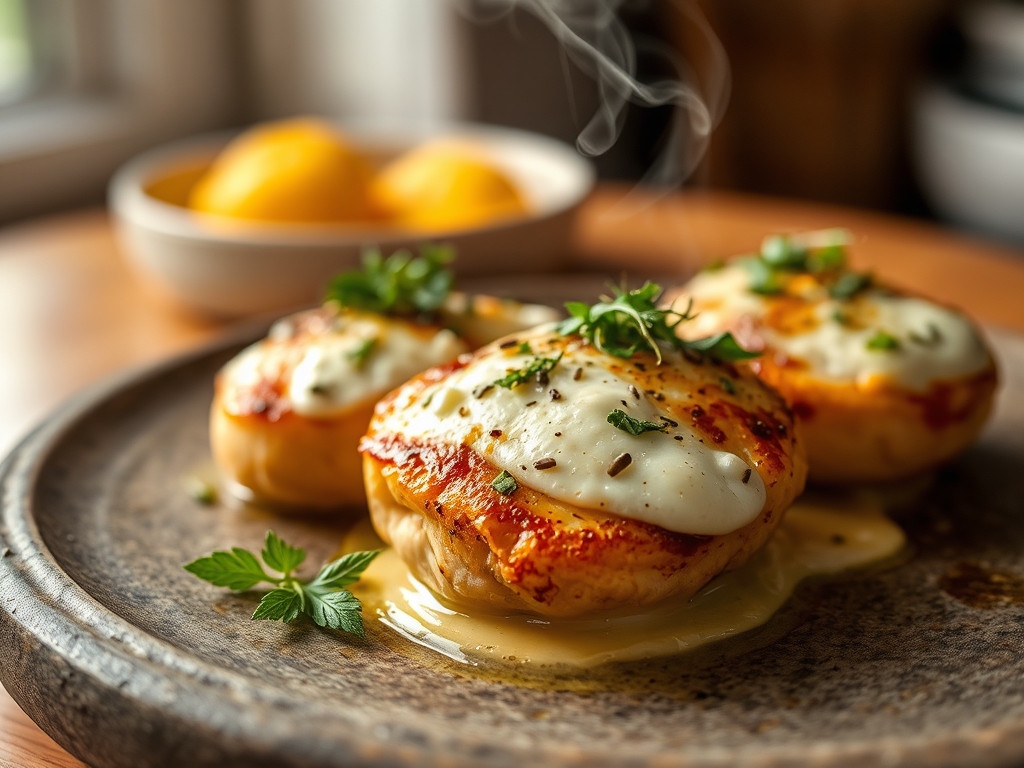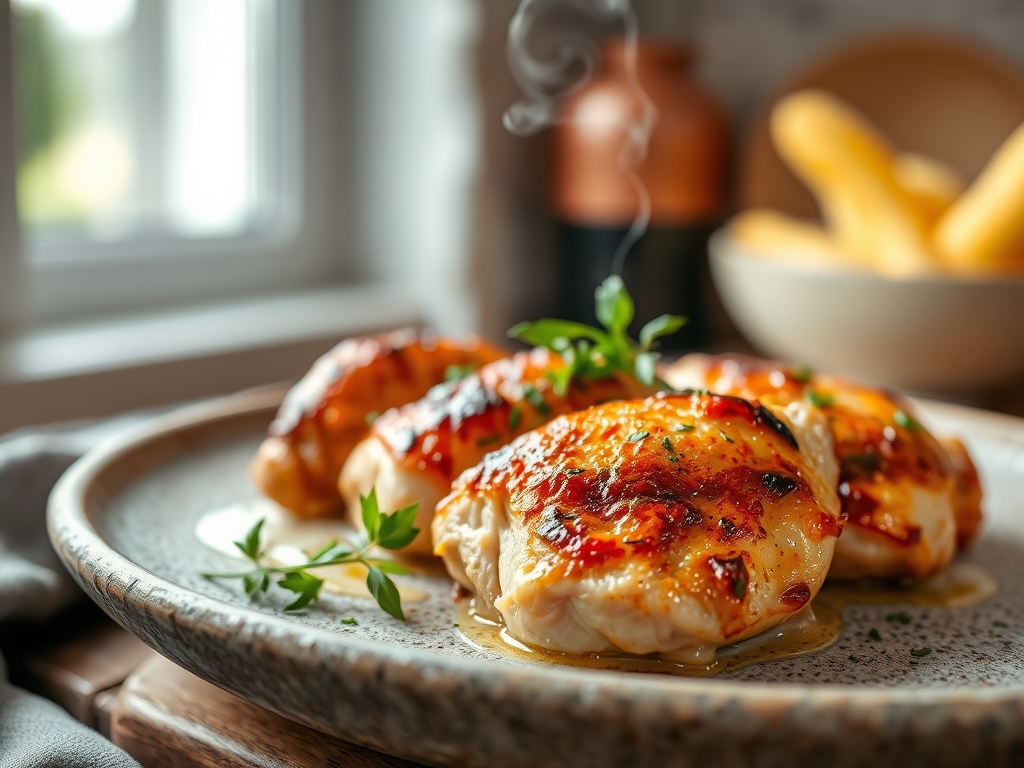
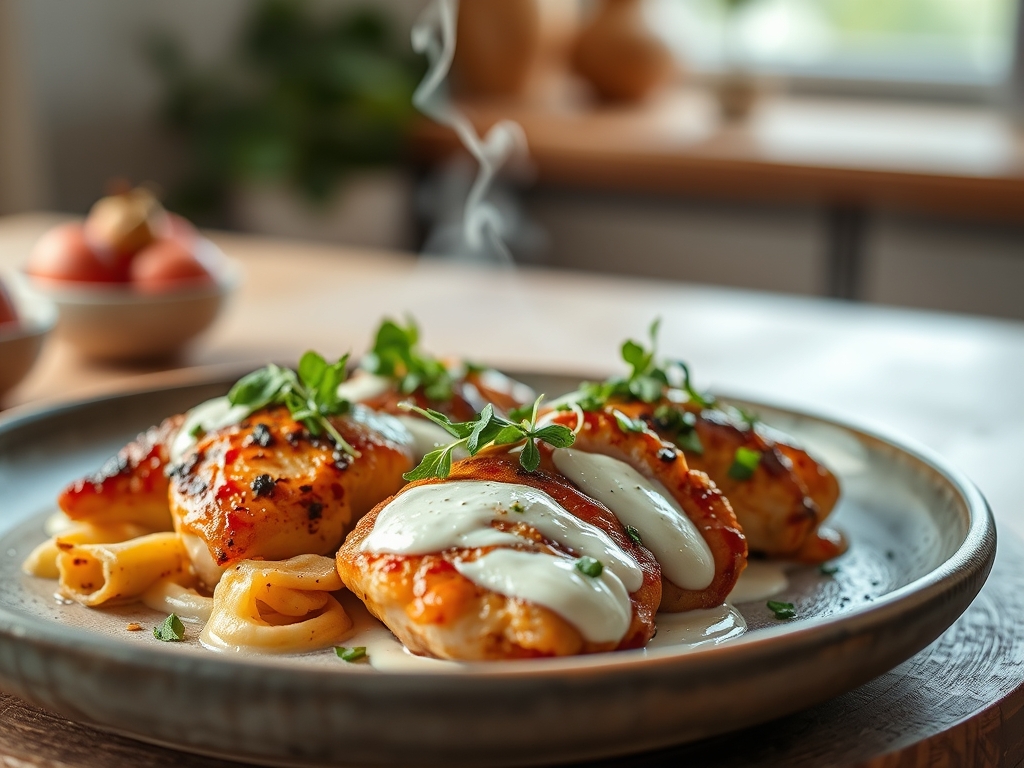
Imagine the sizzle of a heavy-bottomed skillet meeting cold, lactic-acid-bathed protein. The aroma is instant; it is a heady mix of toasted cumin and caramelizing sugars that fills your kitchen. When you master yogurt marinated chicken recipes, you are not just cooking dinner; you are utilizing a centuries-old biochemical shortcut to reach absolute tenderness.
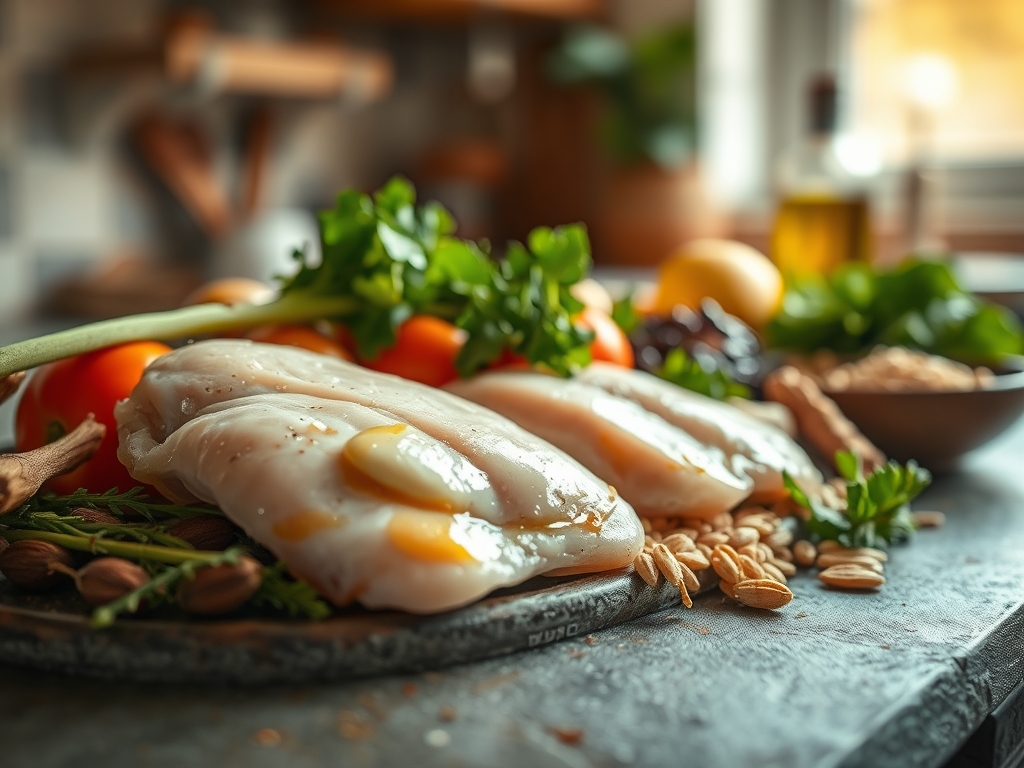
The Gathers:
To execute these six variations, your mise-en-place must be precise. Start with a viscous, full-fat Greek yogurt as your base. Unlike vinegar-based marinades that can turn meat "mushy" by denaturing proteins too aggressively, yogurt provides a gentle enzymatic breakdown. You will need a microplane for zesting citrus and grating fresh ginger into a fine paste. Ensure your spice rack is stocked with piquant smoked paprika, turmeric, and dried oregano.
The hardware is just as vital as the software. Pull out your digital scale to measure ingredients by weight for consistency. You will also need a sturdy bench scraper to clear your cutting board of minced aromatics and a pair of high-tension tongs to manage the sear.
Smart Substitutions:
If you find yourself without Greek yogurt, a thick buttermilk or even a sour cream thinned with a splash of lemon juice will suffice. For a dairy-free alternative, coconut yogurt offers a similar fat profile and lactic acid content. If you lack a specific spice like garam masala, a blend of cinnamon, cloves, and black pepper can mimic that warming depth.
The Clock: Chef's Flow
Efficiency in the kitchen is about the "Chef's Flow," which is the art of overlapping tasks to minimize downtime. For these recipes, the prep time is a brisk 15 minutes. The "active" marination requires at least 30 minutes, though four hours is the sweet spot for the calcium to truly tenderize the fibers.
Cooking times vary by method, but most of these dishes transition from pan to plate in 12 to 18 minutes. By the time your grains have steamed and your salad is tossed, the chicken is resting. Always factor in a five-minute rest period; this allows the internal juices to redistribute, preventing a dry result when you finally slice into the breast.
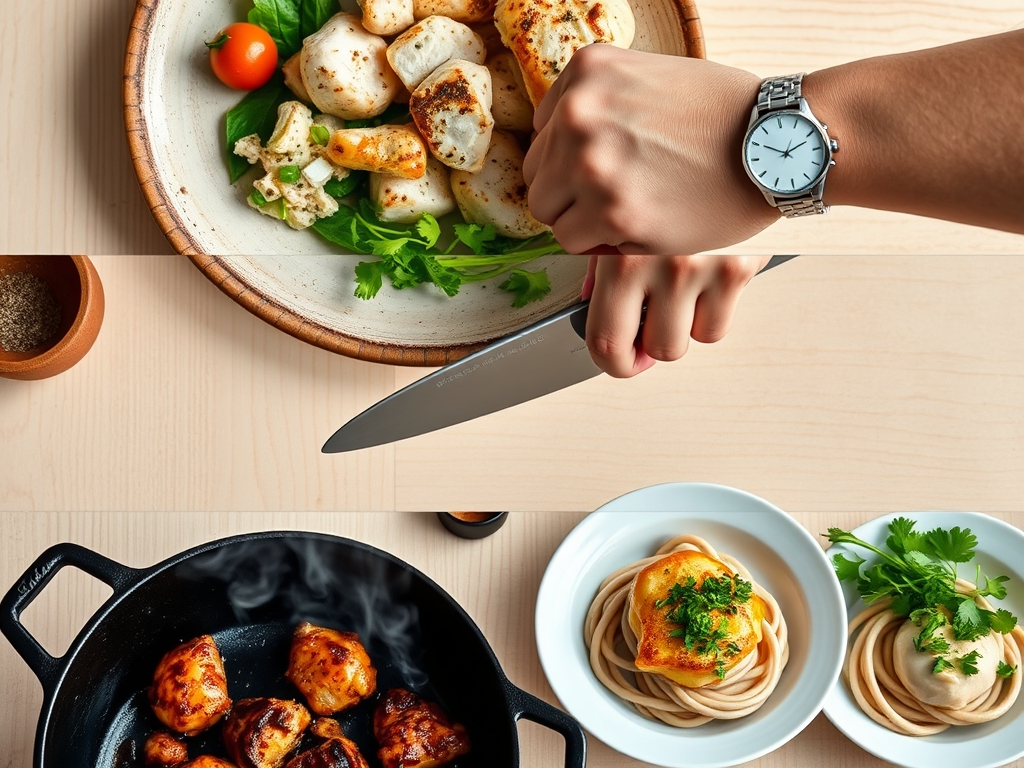
The Masterclass:
1. The Acidic Infusion
Begin by whisking your yogurt with citrus juice and salt in a non-reactive bowl. This creates an environment where the salt can penetrate the cell walls while the acid begins to loosen the protein strands.
Pro Tip: This is the science of osmosis. Salt draws moisture out initially, but as the marinade sits, the seasoned liquid is pulled back into the meat, seasoning it from the inside out.
2. The Aromatic Integration
Add your dry spices and grated aromatics. Use a whisk to aerate the mixture, ensuring the spices are evenly suspended in the fat of the yogurt. This ensures every square inch of the poultry receives an equal flavor profile.
Pro Tip: Fat-soluble compounds in spices like turmeric and paprika dissolve better in the yogurt's lipids, a process called lipid-based infusion, which intensifies the flavor far more than a water-based marinade ever could.
3. The Controlled Sear
Pat the chicken slightly to remove excess dripping marinade before placing it into a preheated cast-iron skillet. You want a thin coating, not a puddle. The goal is to achieve a deep, golden crust.
Pro Tip: The Maillard Reaction occurs between amino acids and reducing sugars. Because yogurt contains lactose (a sugar), it browns much faster and more deeply than plain chicken, creating a complex, savory crust.
4. The Deglaze and Emulsify
Once the chicken is removed, the bottom of your pan will be covered in "fond," or caramelized brown bits. Use a splash of chicken stock or white wine to deglaze the pan, scraping the bottom with a wooden spoon.
Pro Tip: This technique uses solvent extraction to pull concentrated flavor from the pan. Adding a knob of cold butter at the end creates a stable emulsion, resulting in a glossy, professional-grade sauce.
5. The Thermal Finish
If your chicken pieces are thick, move the skillet into a 400-degree oven to finish. This provides a more even, ambient heat than the direct conduction of the stovetop.
Pro Tip: Monitor the internal temperature with a digital probe. Aim for 160 degrees Fahrenheit to account for thermal carryover, where the temperature rises another 5 degrees while the meat rests.
6. The Rest and Slice
Transfer the chicken to a clean cutting board and wait. This is the hardest part, but it is the most critical for texture.
Pro Tip: Resting allows the collagen that tightened during cooking to relax. If you cut too soon, the pressure will force the internal moisture out, leaving you with a dry dinner despite the yogurt marinade.
The Deep Dive:
From a nutritional standpoint, yogurt marinated chicken recipes are a powerhouse. A standard 6-ounce serving provides roughly 45 grams of protein with minimal added fats compared to heavy cream sauces. The yogurt adds a boost of calcium and a hint of probiotics, though the heat of cooking will neutralize the "live" cultures.
Dietary Swaps:
For those following a Keto lifestyle, stick to full-fat yogurt and avoid adding honey or sugar to the marinade. For a Vegan version, firm tofu or "soy curls" can be marinated in a cashew-based yogurt with excellent results. Gluten-free diners are naturally safe here, provided the spices used are certified pure.
The Fix-It: Common Pitfalls
- The Soggy Skin: If your chicken skin isn't crispy, the pan wasn't hot enough or there was too much moisture. Fix: Pat the exterior drier next time and ensure the oil is shimmering before adding the meat.
- The Scorched Spices: If the crust tastes bitter, the heat was too high for the delicate yogurt sugars. Fix: Lower the flame and use a neutral oil with a high smoke point like avocado oil.
- The Rubbery Texture: This happens from over-marinating (longer than 24 hours). Fix: If you over-marinate, rinse the chicken, pat dry, and pan-fry quickly to minimize the "mush" factor.
Meal Prep Science:
When reheating, avoid the microwave if possible. The high-frequency waves agitate water molecules, often resulting in "rubbery" chicken. Instead, use a low-heat oven (300 degrees) with a splash of water covered in foil. This creates a mini-steam chamber that restores the moisture without overcooking the proteins.
The Wrap-Up:
You now have the technical blueprint to turn a standard weeknight meal into a culinary event. Yogurt marinated chicken recipes are the ultimate "work smarter, not harder" kitchen hack. By leveraging the power of lactic acid and the Maillard reaction, you ensure that every bite is tender, flavorful, and visually stunning. Go grab your skillet and let the science do the heavy lifting for you!
The Kitchen Table:
How long should I marinate chicken in yogurt?
For the best results, aim for four to twelve hours. At minimum, thirty minutes will provide surface flavor, but the enzymatic tenderization requires at least two hours to effectively penetrate the dense muscle fibers of the breast.
Can I freeze chicken in a yogurt marinade?
Yes, you can freeze it for up to three months. The yogurt acts as a protective barrier against freezer burn. As it thaws in the refrigerator, the marination process will continue, saving you prep time on cooking day.
Why does yogurt make chicken so tender?
Yogurt contains lactic acid and calcium. The acid gently breaks down the protein structures, while the calcium activates enzymes within the meat that further soften the connective tissues, resulting in a much more succulent texture than traditional vinegar marinades.
Do I need to wash the yogurt off before cooking?
No, do not wash it off. Simply wipe away any excessive, dripping clumps with a spoon or paper towel. The remaining thin layer of yogurt is essential for creating that signature flavorful, caramelized crust during the cooking process.