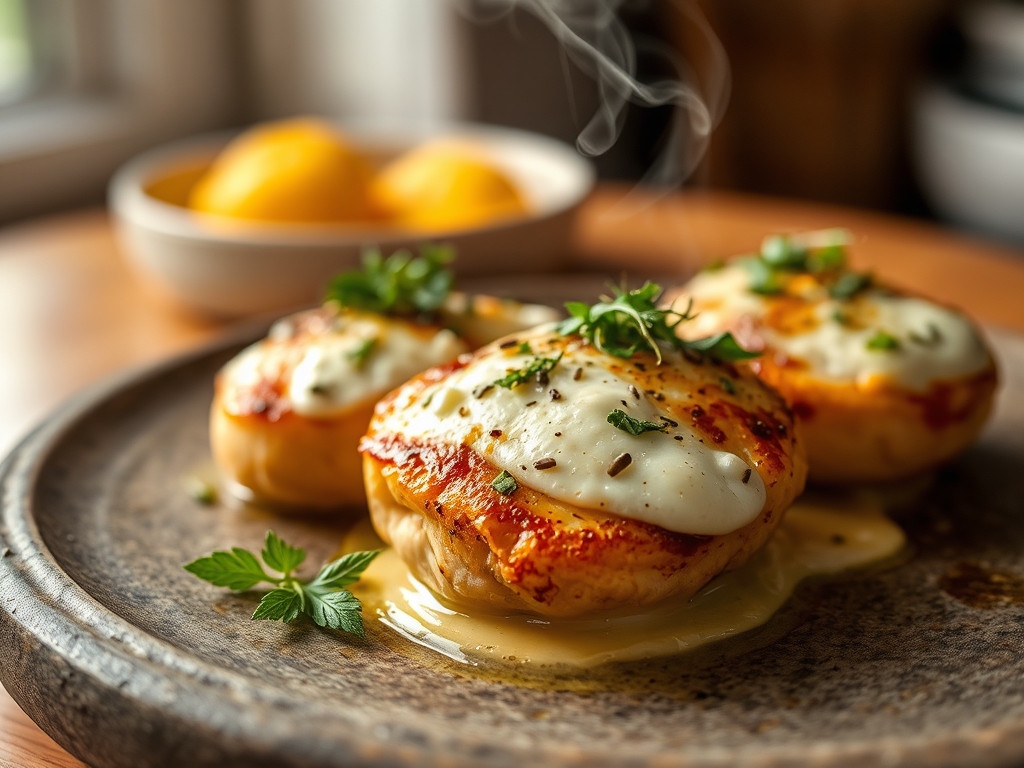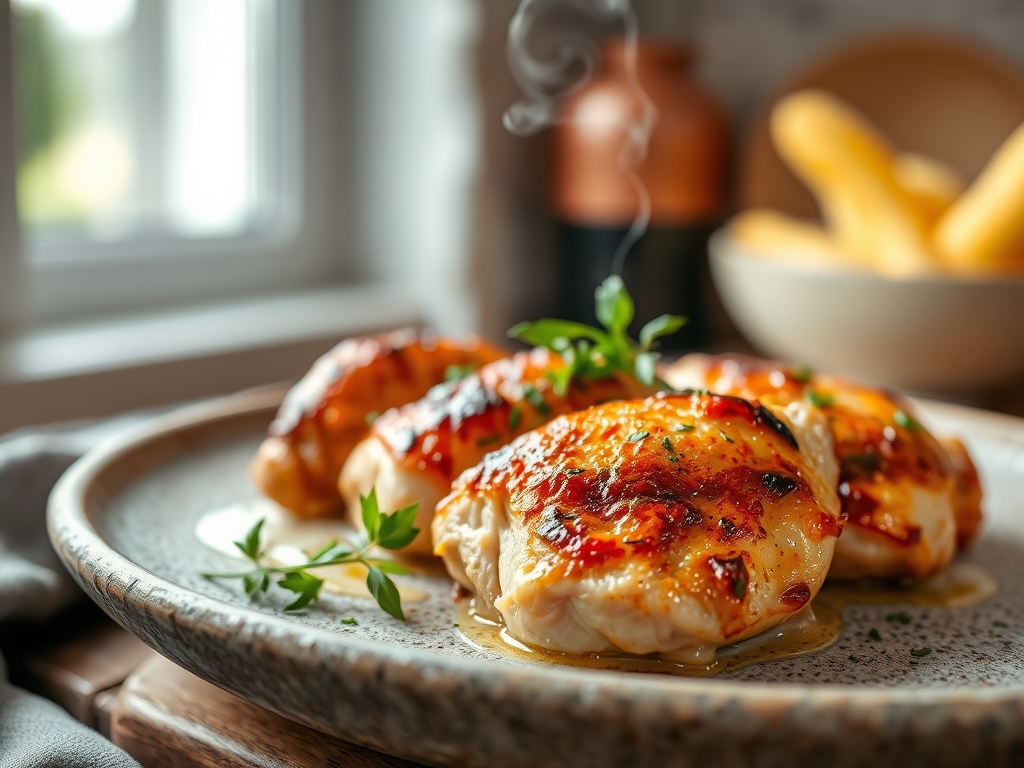
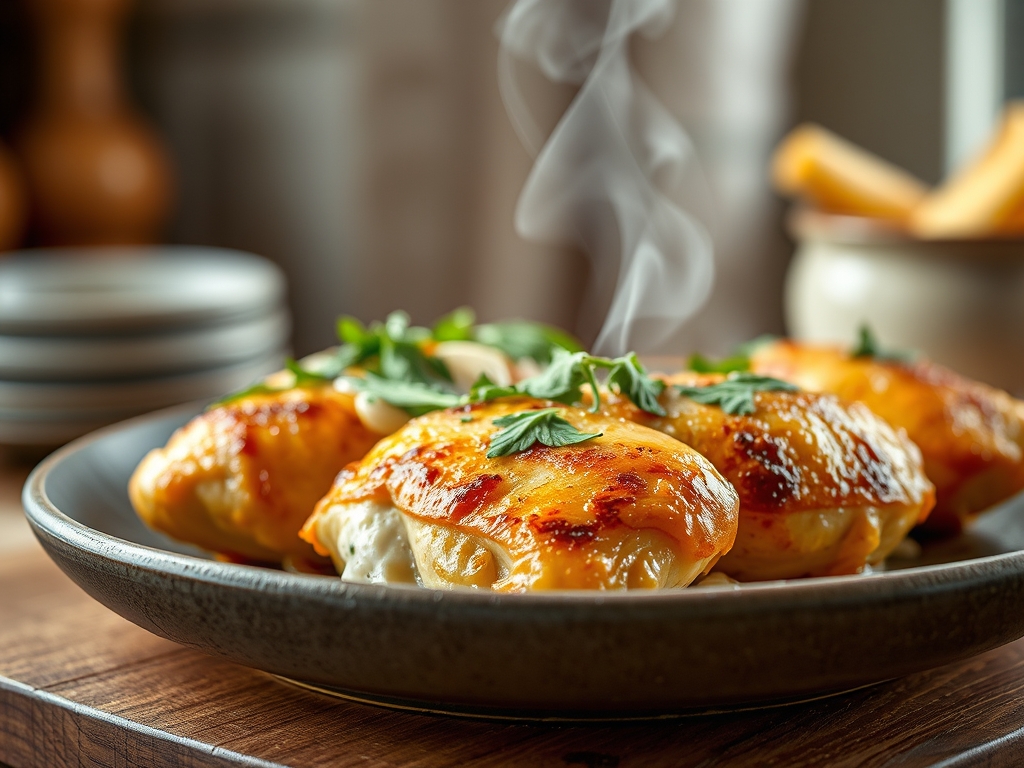
The kitchen air is heavy with the scent of slow-simmered garlic and warm, melting fats. There is something fundamentally comforting about a heavy ceramic pot doing the hard work while you live your life. When we talk about philadelphia cream cheese chicken recipes, we are really talking about the science of emulsion. That iconic silver foil brick is a culinary powerhouse; it acts as a stabilizer that prevents sauces from breaking under heat. It transforms thin, watery chicken juices into a viscous, velvet blanket that clings to every fiber of the protein. We are moving beyond basic slow cooking into the realm of high-end texture and piquant flavor profiles that feel like a warm hug for your nervous system.
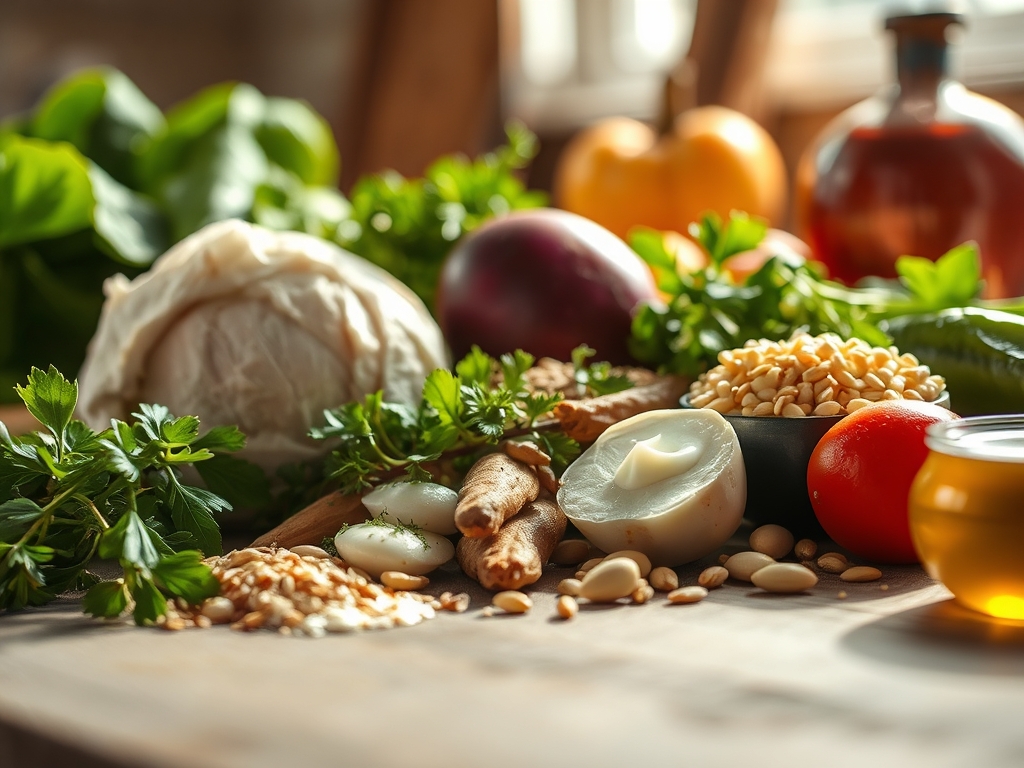
The Gathers:
To achieve a restaurant-grade finish, your mise-en-place must be precise. Start with high-quality chicken breasts or thighs; thighs are preferable for the crock pot because their higher connective tissue content breaks down into gelatin, providing a richer mouthfeel. You will need your digital scale to measure out eight ounces of full-fat cream cheese. Low-fat versions lack the structural integrity of milk solids and can result in a grainy texture.
Gather your aromatics: fresh cloves of garlic, shallots for a more delicate sweetness than yellow onions, and fresh herbs like thyme or rosemary. You will also need a bright acid to cut through the richness. Think of a bottle of dry Pinot Grigio for deglazing or a fresh lemon to be zested with your microplane.
Smart Substitutions: If you are out of fresh shallots, use a teaspoon of onion powder to provide that savory backbone without the moisture. If the sauce feels too thick, a splash of chicken bone broth will thin the consistency while adding collagen. For those avoiding dairy, a cashew-based fermented cream can mimic the lactic acid tang, though the protein structure will differ significantly.
The Clock
Efficiency in the kitchen is all about the Chef's Flow. This is the art of sequencing tasks so that no time is wasted. Your active prep time for these recipes is a mere fifteen minutes. This includes trimming the poultry with sharp kitchen shears and dicing your aromatics with a well-honed chef's knife.
The passive cooking time is where the magic happens. On a low setting, most chicken dishes require five to six hours. If you are in a rush, the high setting achieves the same tenderness in three to four hours. However, the low and slow method is superior for collagen denaturation, ensuring the meat is succulent rather than stringy. Always use a digital probe thermometer to ensure the internal temperature reaches 165 degrees Fahrenheit; this is the non-negotiable safety standard for poultry.
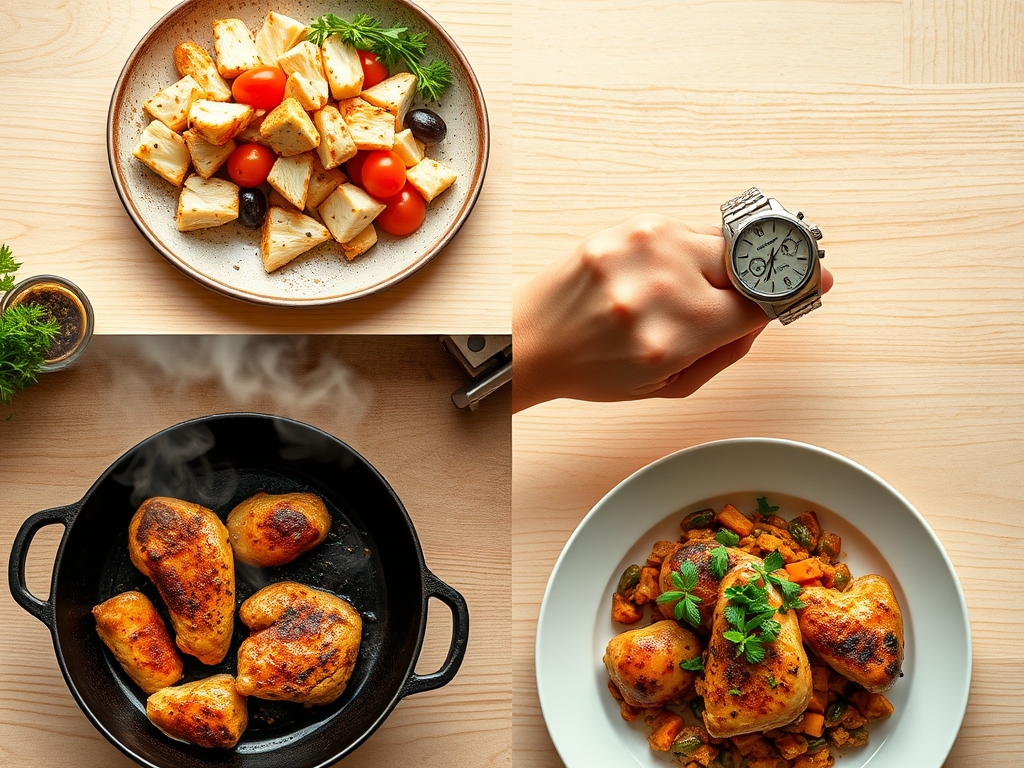
The Masterclass
1. The Foundation Searing
Even though this is a slow cooker recipe, do not skip the sear. Use a heavy-bottomed skillet to brown the chicken in olive oil before it hits the pot. This triggers the Maillard reaction, a chemical dance between amino acids and reducing sugars that creates hundreds of flavor compounds.
Pro Tip: This browning creates "fond" on the bottom of the pan. Use a splash of white wine to deglaze the skillet, scraping up those brown bits with a wooden spoon to infuse the sauce with deep, savory complexity.
2. Layering the Aromatics
Place your seared chicken in the crock pot and layer in your garlic, shallots, and spices. Avoid placing the cream cheese in at the very beginning. If dairy is exposed to high heat for too long, the proteins can clump, leading to a broken sauce.
Pro Tip: Adding dried herbs at the start allows their volatile oils to infuse the cooking liquid slowly. Fresh herbs, however, should be saved for the final ten minutes to preserve their bright, enzymatic punch.
3. The Low and Slow Simmer
Set your cooker to low. During this phase, the heat gently breaks down the muscle fibers. The moisture trapped under the lid creates a self-basting environment, ensuring the meat stays hydrated.
Pro Tip: Resist the urge to lift the lid. Every time you open the pot, you lose a significant amount of heat and steam, which can extend the cooking time by fifteen minutes per peek due to evaporative cooling.
4. The Cream Cheese Emulsion
Thirty minutes before serving, take your block of cream cheese and cut it into small cubes using a bench scraper. Stir these into the pot. The residual heat will melt the cheese, and as you stir, you are creating a stable emulsion.
Pro Tip: For a perfectly smooth sauce, temper the cream cheese by whisking it with a ladle of the hot cooking liquid in a separate bowl before adding it to the pot. This prevents thermal shock, which causes curdling.
5. The Acid Balance
Once the sauce is thick and glossy, it is time for the finishing touch. Use your microplane to grate fresh lemon zest over the pot and add a squeeze of juice.
Pro Tip: Acid acts as a flavor reinforcer. It balances the heavy lipids in the cream cheese, "lifting" the flavor profile so the dish tastes bright rather than cloying.
6. The Final Rest
Turn off the heat and let the dish sit for five minutes before serving. This allows for thermal carryover, where the internal temperature stabilizes, and the sauce thickens to its final, luscious consistency.
Pro Tip: Resting allows the protein fibers to reabsorb some of the surrounding moisture, making the chicken significantly juicier when you finally bite into it.
The Deep Dive
From a macro perspective, these recipes are high in protein and healthy fats, making them excellent for satiety. A standard serving provides roughly 35 grams of protein and 12 grams of fat. To make this Keto-friendly, simply serve the chicken over steamed cauliflower or sautéed spinach. For a Gluten-Free version, ensure your chicken broth is certified, as some brands use wheat-based thickeners.
The Fix-It:
- The Sauce is Too Thin: Whisk a teaspoon of cornstarch with cold water to create a slurry; stir it in and cook on high for ten minutes.
- The Sauce is Grainy: This usually means the dairy overheated. Use an immersion blender to quickly aerate and smooth the sauce back into a cohesive liquid.
- The Chicken is Dry: You likely overcooked it. Next time, use a timer and pull the meat exactly at 165 degrees. For now, shred the meat and let it soak in the sauce for twenty minutes to mask the dryness.
Meal Prep Science: When reheating, do not use the microwave on high power. The intense waves will break the cream cheese emulsion, leaving you with a puddle of oil. Instead, reheat on the stove in a saucier over low heat, adding a tablespoon of milk to restore the viscous texture.
The Wrap-Up
Mastering the art of the slow cooker is about understanding how heat interacts with fat and fiber. By using these techniques, you are not just making dinner; you are executing a series of precise chemical reactions that result in culinary gold. These philadelphia cream cheese chicken recipes are the perfect canvas for your kitchen creativity. So, grab your tongs, prep your aromatics, and let the crock pot transform your weeknight routine into a gourmet experience.
The Kitchen Table
Can I use frozen chicken in the crock pot?
It is not recommended for safety reasons. Frozen meat stays in the bacterial "danger zone" (40 to 140 degrees) for too long while thawing in a slow cooker. Always thaw your poultry completely in the refrigerator before starting the recipe.
How do I prevent the cream cheese from curdling?
Ensure the cream cheese is at room temperature before adding it. Cut it into small cubes and stir it in during the final thirty minutes of cooking. Tempering it with a bit of warm liquid first also ensures a silky finish.
What are the best side dishes for this chicken?
To balance the creamy sauce, serve it over a starch that absorbs moisture, like jasmine rice, wide egg noodles, or garlic mashed potatoes. A side of roasted asparagus or a crisp green salad provides a necessary textural contrast.
Can I make this recipe in an Instant Pot?
Yes, use the "Sauté" function for the initial browning and aromatics. Then, pressure cook on high for 8 to 10 minutes with a natural release. Stir in the cream cheese at the very end using the residual heat to melt it.