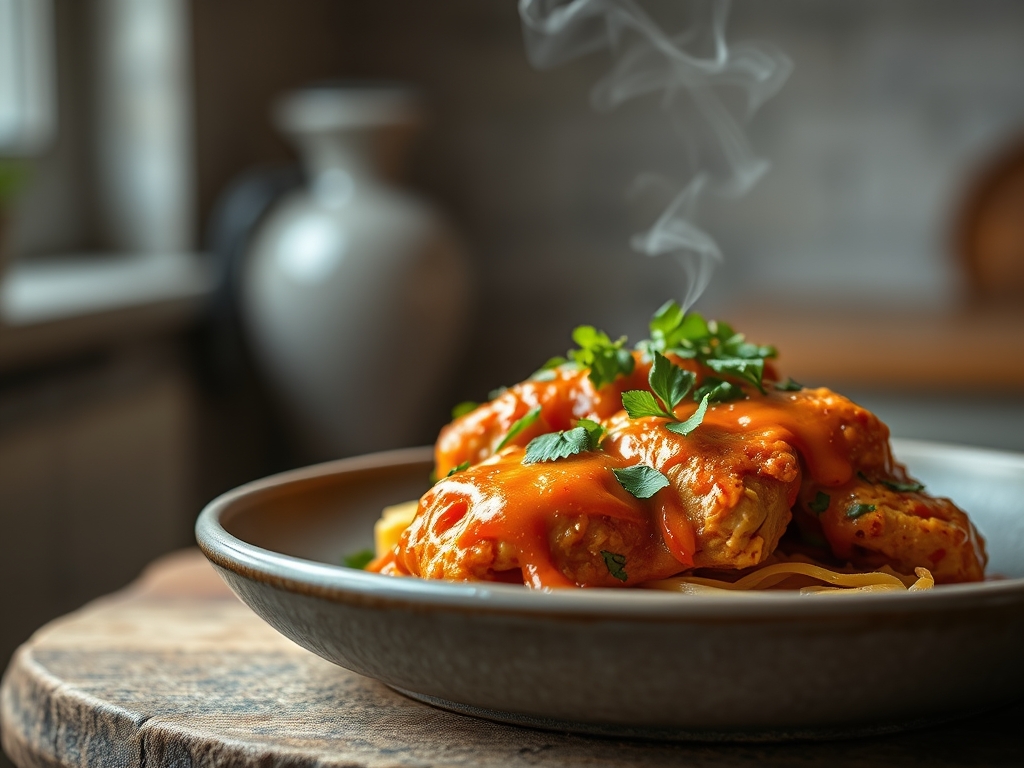
Picture the scent of vinegary heat and savory poultry wafting through your kitchen as the sun dips below the horizon. There is a specific, visceral magic in lifting a heavy ceramic lid to find meat that surrenders at the mere suggestion of a fork. When we talk about healthy buffalo chicken recipes, we are not just discussing a meal; we are mastering the art of the slow braise to achieve maximum flavor with minimal lipid density. It is about capturing that piquant zing without the heavy butter loads traditionally found in pub grub. We are elevating a weeknight staple into a nutritional powerhouse that respects your macros and your palate.
The beauty of the slow cooker lies in its ability to transform lean proteins into succulent masterpieces through consistent, low-level thermal energy. By focusing on high-quality aromatics and acid-based sauces, we can bypass the caloric pitfalls of deep-frying while retaining that addictive, capsaicin-driven kick. This is the intersection of convenience and culinary science. Whether you are prepping for a busy work week or hosting a casual Sunday gathering, these techniques ensure every bite is infused with depth. Let us dive into the mechanics of the perfect, low-calorie shred.
The Gathers:
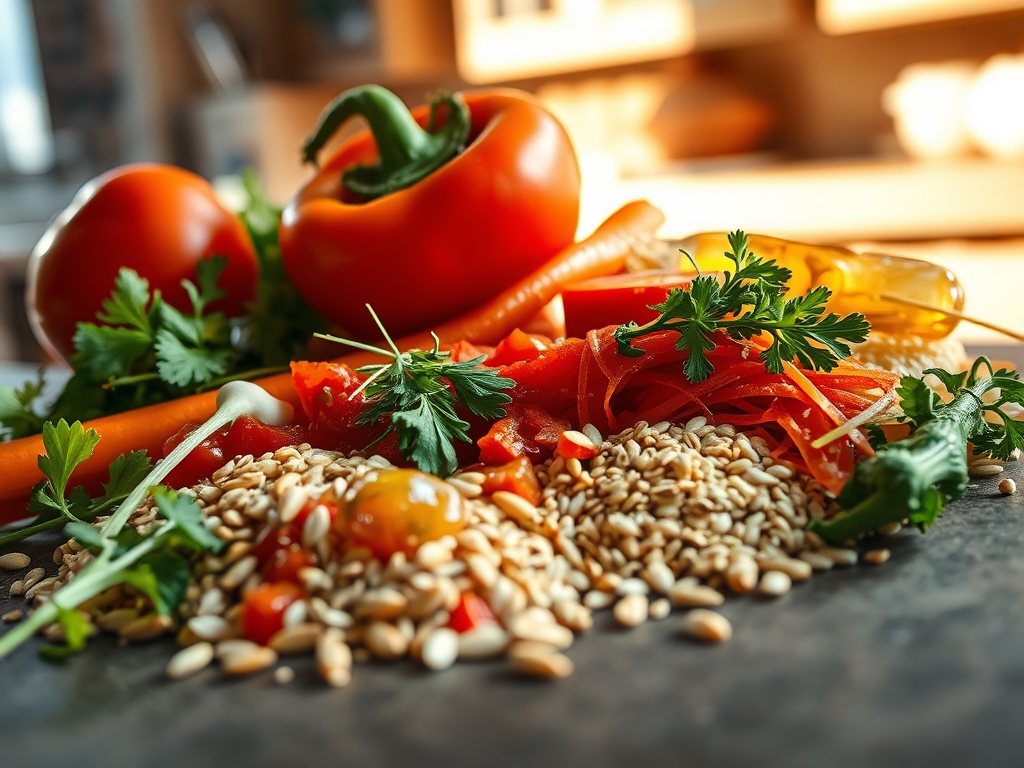
Before we engage the heating element, we must curate our mise-en-place with precision. Start with two pounds of lean chicken breast or thigh; the former offers a cleaner protein profile while the latter provides more connective tissue for a silkier mouthfeel. You will need a high-quality cayenne pepper sauce as your base. Look for one where vinegar is a primary ingredient to provide the necessary acidity to break down muscle fibers.
For our aromatics, grab your microplane to zest fresh garlic and a hint of ginger. This increases the surface area of the ingredients, allowing the essential oils to permeate the cooking liquid more effectively. Instead of the traditional half-cup of butter, we utilize a "Smart Substitution" strategy: a tablespoon of ghee for that nutty, clarified flavor, or a splash of chicken bone broth to maintain moisture levels. To achieve a viscous sauce without heavy starches, keep a small amount of arrowroot powder or xantham gum nearby. These thickening agents work at lower temperatures and do not cloud the vibrant orange hue of your buffalo base. Finally, gather your digital scale to ensure your ratios are exact; in the world of healthy buffalo chicken recipes, precision is the difference between a soggy mess and a perfectly coated shred.
The Clock:
Mastering the "Chef's Flow" requires understanding that time is a physical ingredient. For this recipe, your active prep time is a brisk fifteen minutes. This includes the trimming of silver skin and the whisking of your braising liquid. The slow cooker then takes over for a duration of four hours on "High" or seven to eight hours on "Low."
I always recommend the "Low" setting if your schedule allows. A slower rise in temperature prevents the protein filaments from contracting too violently, which can squeeze out internal moisture and leave the meat stringy. Think of it as a gentle thermal bath. Once the timer dings, factor in a ten-minute "resting phase" before shredding. This allows the juices to redistribute through the meat fibers via capillary action, ensuring that every morsel remains juicy even after it is pulled apart.
The Masterclass:
1. The Foundation Layer
Place your trimmed chicken into the bottom of the slow cooker insert. Ensure the pieces are in a single layer to promote even heat distribution. Pour over your mixture of hot sauce, garlic, and spices, ensuring every inch of the protein is submerged or coated.
Pro Tip: This step utilizes osmotic pressure. By salting your sauce slightly more than you think is necessary, you encourage the seasoned liquid to travel into the cellular structure of the chicken, seasoning it from the inside out rather than just coating the exterior.
2. The Low and Slow Braise
Secure the lid and set your temperature. Resist the urge to peek; every time you lift the lid, you release a significant amount of steam and drop the internal temperature by several degrees, extending your cook time and drying out the air inside the vessel.
Pro Tip: This stage facilitates the denaturation of proteins. As the temperature rises slowly, the tightly coiled proteins in the chicken begin to unwind and then bond back together loosely, trapping moisture in the gaps.
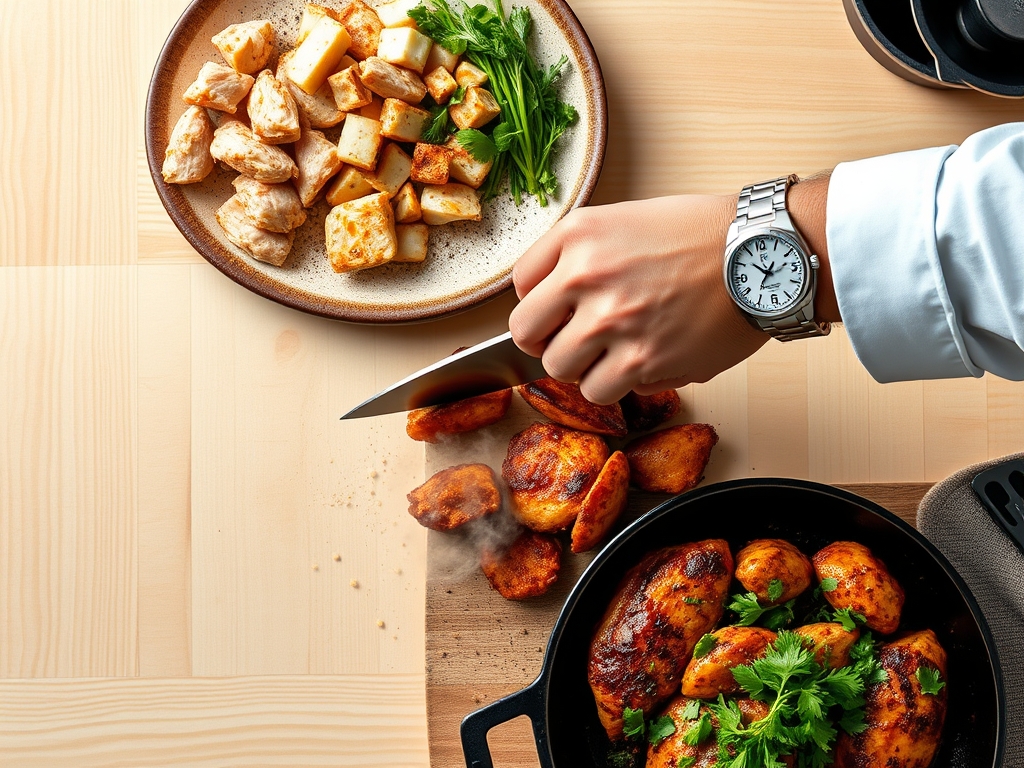
3. The Precision Shred
Once the chicken reaches an internal temperature of 165 degrees Fahrenheit, remove the pieces using tongs and place them in a large stainless steel bowl. Use two forks or a hand mixer on low speed to break the meat into consistent shards.
Pro Tip: Shredding while the meat is hot takes advantage of thermal carryover. The residual heat makes the connective tissues more pliable, allowing for a cleaner "pull" without pulverizing the grain of the meat.
4. The Sauce Reduction
While the meat is resting, take the leftover liquid from the slow cooker and pour it into a saucier on the stovetop. Bring it to a simmer over medium-high heat to reduce the volume by one-third.
Pro Tip: This is the Maillard-adjacent reduction. By simmering the sauce, you are concentrating the sugars and acids, creating a more complex flavor profile and a thicker consistency that will cling to the chicken without the need for excess fats.
5. The Final Emulsification
Fold the shredded chicken back into the reduced sauce. If you are using a thickener like arrowroot, whisk it with a tablespoon of cold water first to create a slurry before adding it to the hot liquid to prevent clumping.
Pro Tip: This creates a stable emulsion. The tiny amounts of fat from the chicken and the ghee are suspended within the vinegar-based sauce, creating a creamy texture that mimics the mouthfeel of high-calorie buffalo wings.
The Deep Dive:
When we analyze the macro nutrition of these healthy buffalo chicken recipes, the results are staggering. A standard four-ounce serving typically clocks in under 160 calories with over 25 grams of protein and less than 5 grams of fat. This makes it a versatile tool for anyone tracking their intake.
For dietary swaps, the transition is seamless. Vegan enthusiasts can swap the chicken for canned young jackfruit; the fibrous texture mimics shredded poultry perfectly. For Keto followers, replace the arrowroot with extra ghee or a touch of cream cheese to increase healthy fats while keeping carbs at zero. For Gluten-Free needs, simply ensure your hot sauce brand is certified, as some use malt vinegar which contains gluten.
If you hit a snag, remember "The Fix-It" rules. If your sauce is too thin, do not keep cooking the chicken; remove the meat and reduce the liquid separately on the stove. If it is too spicy, a teaspoon of honey or maple syrup provides a glucose bridge that tempers the capsaicin burn. If the meat feels dry, you likely overcooked it; fold in a bit of Greek yogurt to add moisture and a cooling tang.
For meal prep, the science of reheating is vital. To maintain "day-one" quality, reheat your chicken in a covered container with a splash of water or broth. This creates a mini-steam chamber that prevents the proteins from becoming rubbery in the microwave.
The Wrap-Up:
You now possess the technical blueprint to create the ultimate low-calorie buffalo chicken. By understanding the physics of heat and the chemistry of emulsification, you have turned a simple slow cooker meal into a gourmet experience. This recipe proves that "healthy" does not have to mean "bland." It is about using the right tools, like your saucier and digital scale, to achieve professional results in your own kitchen. Now, go forth and shred with confidence; your meal prep game just reached a whole new level of brilliance.
The Kitchen Table:
How do I prevent slow cooker chicken from getting dry?
Always cook on the "Low" setting and use a meat thermometer to pull the chicken at exactly 165 degrees Fahrenheit. Resting the meat for ten minutes before shredding also allows the fibers to reabsorb essential cooking juices.
Can I use frozen chicken for buffalo recipes?
It is safer to thaw chicken completely before slow cooking. Starting from frozen keeps the meat in the bacterial "danger zone" (40 to 140 degrees Fahrenheit) for too long, posing a food safety risk and affecting the final texture.
What is the best way to thicken buffalo sauce without flour?
Use an arrowroot or cornstarch slurry. Mix one teaspoon of the starch with a tablespoon of cold water, then whisk it into the simmering sauce. This creates a glossy, thick coating that is naturally gluten-free and lower in calories.
How long does healthy buffalo chicken last in the fridge?
Stored in an airtight container, the chicken remains fresh and safe for three to four days. For longer storage, freeze it in individual portions for up to three months; the vinegar in the sauce acts as a natural preservative.