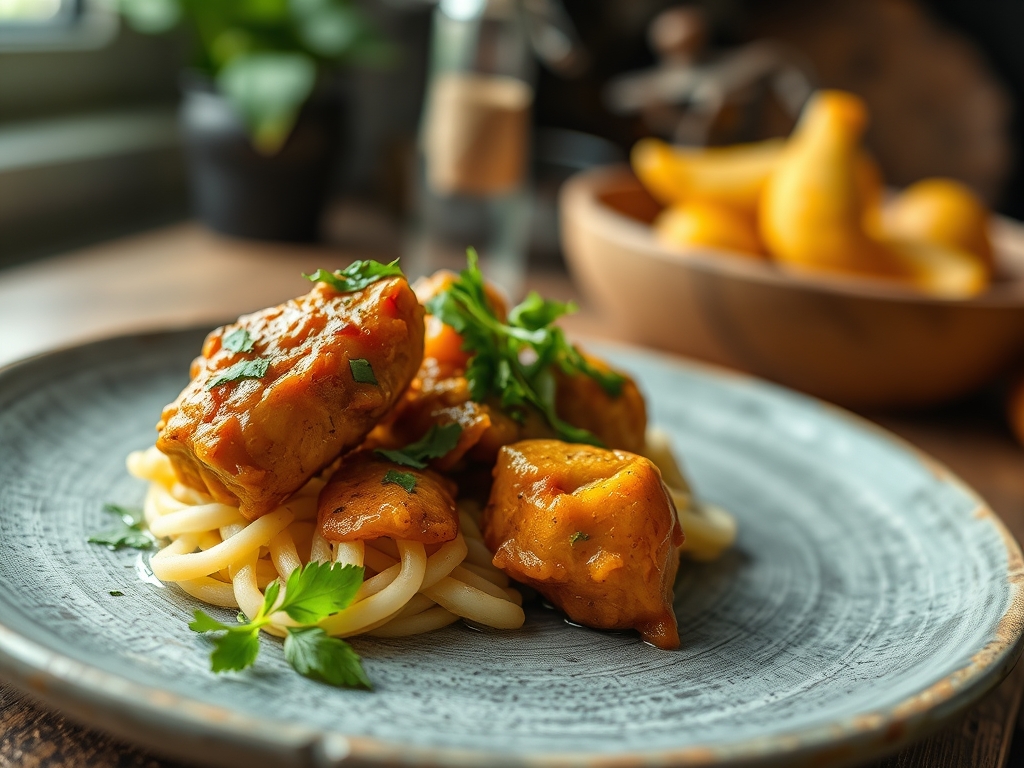
Imagine the scent of toasted cumin seeds hitting hot fat; it is a sharp, earthy perfume that signals the start of something transformative. We are moving past the bland, uninspired meal prep of yesteryear and diving into the world of soul-warming comfort. If you have been searching for indian chicken recipes easy enough to execute on a Tuesday but complex enough to impress a dinner guest, you have found the holy grail. We are talking about the holy trinity of rice, beans, and chicken, reimagined through the lens of a Delhi spice market. This is not just cooking; it is a masterclass in building layers of flavor through heat and chemistry. We are going to harness the power of aromatics to turn humble legumes and poultry into a cohesive, vibrant feast. Whether you are a seasoned home cook or a novice with a brand new heavy-bottomed skillet, these techniques will elevate your kitchen game. Let us turn up the heat and get into the science of why these flavors work so perfectly together.
The Gathers:
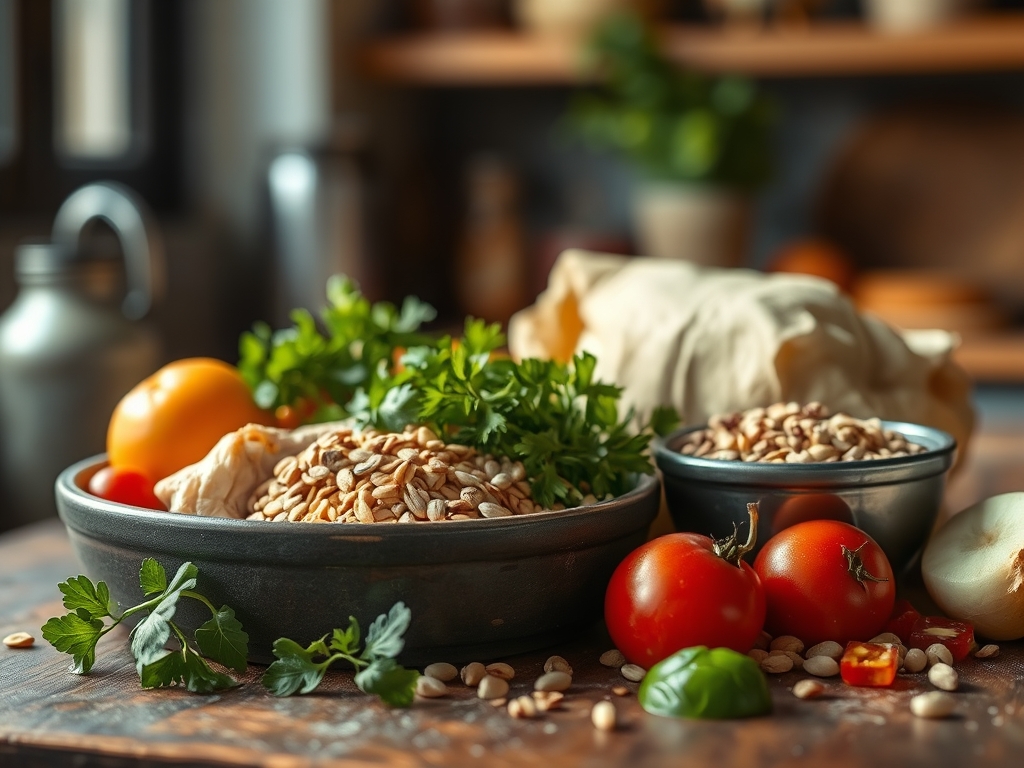
To achieve the perfect balance of texture and taste, your mise-en-place must be precise. Start with high-quality thigh meat rather than breasts; the higher fat content allows the protein to withstand long simmering times without becoming fibrous. You will need long-grain basmati rice, which contains a high ratio of amylose, ensuring the grains remain distinct and fluffy rather than sticky. For the beans, choose canned chickpeas or red kidney beans for speed, but ensure you rinse them thoroughly to remove excess metallic-tasting aquafaba.
Your spice kit is your laboratory. You will need whole pods of green cardamom, cinnamon sticks, and cloves to infuse the oil. For the ground components, seek out high-potency turmeric, Kashmiri chili powder for that iconic crimson hue without overwhelming heat, and a fresh jar of garam masala. Use a microplane to grate fresh ginger and garlic into a fine paste; this increases the surface area, allowing the aromatics to melt into the base sauce rather than leaving chunky bits behind.
Smart Substitutions: If you cannot find Kashmiri chili, a mix of paprika and a pinch of cayenne works beautifully. For a dairy-free version, swap the heavy cream or ghee for full-fat coconut milk or a neutral avocado oil. If you are out of basmati, jasmine rice is a suitable alternative, though you must reduce the water ratio slightly to account for its higher moisture content.
The Clock
Efficiency in the kitchen is about the Chef's Flow. This entire process, from the first chop to the final garnish, takes approximately 45 minutes. Expect 15 minutes of active preparation and 30 minutes of passive cooking. The secret to mastering the clock is multitasking during the "simmer windows." While the chicken is browning, you should be rinsing your rice. While the rice is steaming, you should be prepping your fresh cilantro and lime wedges.
By utilizing a digital scale for your rice-to-water ratio, you eliminate the guesswork that leads to soggy grains. The flow follows a logical progression: render the fat, bloom the spices, aromatics, protein, liquid, and finally, the resting period. Never skip the rest; it allows the internal pressure of the rice grains to equalize, preventing them from breaking when you fluff them with a fork.
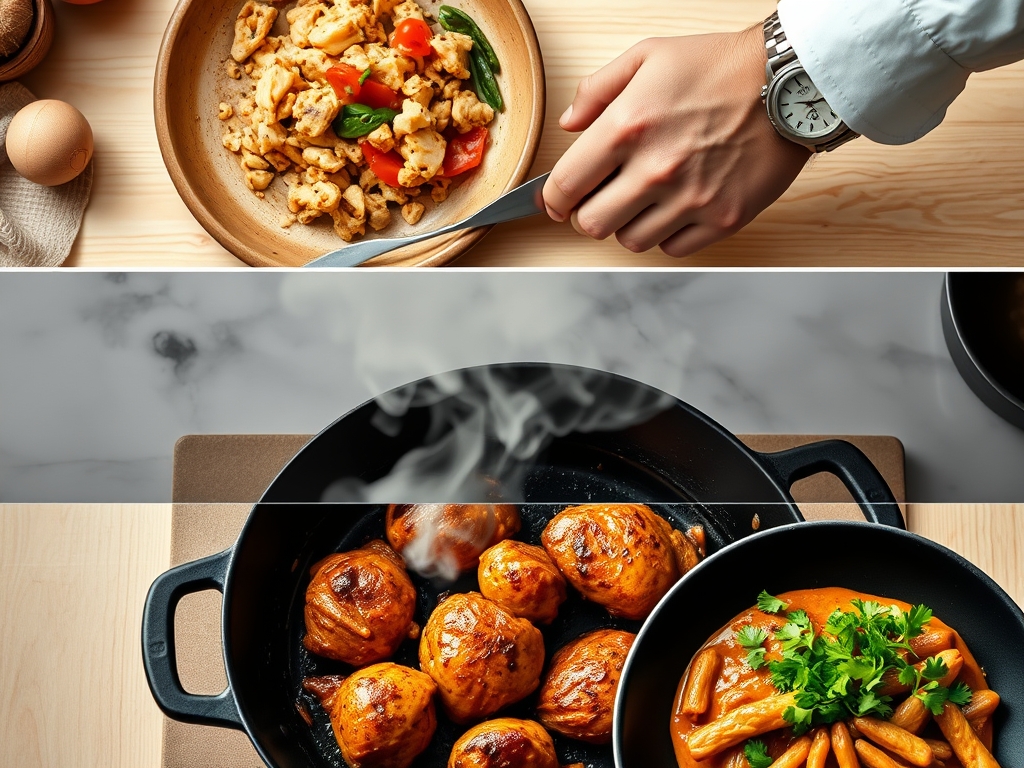
The Masterclass
1. The Fat and the Bloom
Heat two tablespoons of ghee or oil in a saucier or deep skillet over medium-high heat. Toss in your whole spices (cinnamon, cardamom, cloves) until they begin to sputter and release their essential oils into the fat.
Pro Tip: This process is known as tempering. Fat is a highly effective solvent for flavor compounds that are not water-soluble. By blooming spices in hot oil, you are effectively "unlocking" the aromatic molecules, ensuring the flavor permeates every bite of the finished dish.
2. The Maillard Reaction
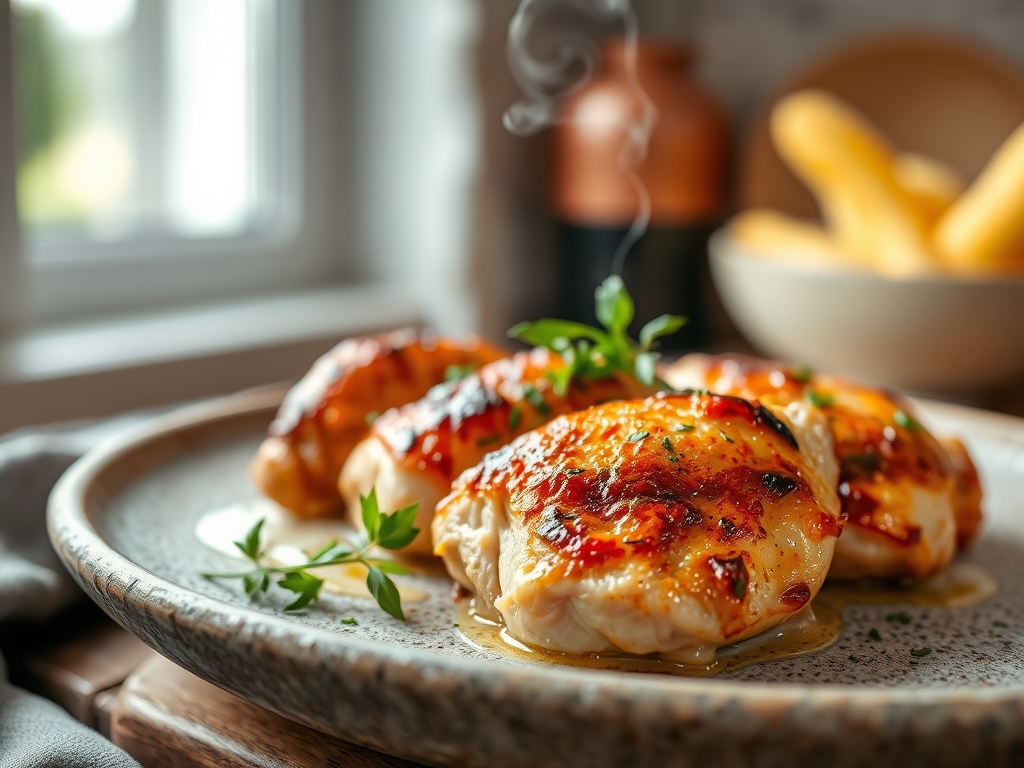
Add your cubed chicken thighs to the pan. Do not crowd the skillet; work in batches if necessary. Use tongs to turn the pieces until they develop a deep, golden-brown crust on all sides.
Pro Tip: This is the Maillard reaction, a chemical reaction between amino acids and reducing sugars. It creates hundreds of different flavor compounds that give the meat its savory, "meaty" depth. If the pan is too crowded, the meat will steam in its own moisture rather than brown.
3. The Aromatic Base
Lower the heat and add your finely diced onions. Sauté until they are translucent and starting to caramelize. Stir in your ginger-garlic paste and cook for exactly sixty seconds until fragrant.
Pro Tip: Onions contain sulfur compounds that soften and sweeten as they break down. By cooking them slowly, you create a viscous base that acts as a natural thickener for your sauce, eliminating the need for cornstarch or flour.
4. Deglazing and Simmering
Add your canned beans and a splash of chicken stock or water. Use a bench scraper or wooden spoon to scrape up all the browned bits (the fond) from the bottom of the pan. Stir in your ground spices and a pinch of salt.
Pro Tip: Deglazing is essential for capturing the concentrated flavors stuck to the pan. These bits are packed with umami. Adding the beans at this stage allows them to absorb the spice-laden liquid through osmosis, flavoring them from the inside out.
5. The Rice Integration
Add your rinsed rice directly into the pot, stirring gently to coat every grain in the flavorful oil. Pour in the measured water or stock, bring to a boil, then immediately drop the heat to the lowest setting and cover with a tight-fitting lid.
Pro Tip: Coating the rice in fat before adding liquid is a technique called pearling. It creates a hydrophobic barrier around each grain, which prevents the starches from gelatinizing too quickly and ensures perfectly separated, fluffy results.
6. The Carryover Rest
Once the liquid is fully absorbed (usually 15 to 18 minutes), turn off the heat but do not open the lid. Let the pot sit undisturbed for at least 10 minutes.
Pro Tip: This stage utilizes thermal carryover. The residual steam finishes cooking the center of the rice grains gently. Opening the lid too early lets the steam escape, which can lead to unevenly cooked rice that is crunchy in the middle.
The Deep Dive
From a nutritional standpoint, this dish is a powerhouse. You are getting lean protein from the chicken, complex carbohydrates and fiber from the beans, and healthy fats from the ghee. One serving typically contains 35 grams of protein and 8 grams of fiber. For those on a Keto diet, simply swap the rice for cauliflower rice and the beans for extra chicken or low-carb vegetables like bell peppers. Vegan friends can replace the chicken with extra-firm tofu or tempeh and use oil instead of ghee.
The Fix-It:
- Too Salty? Drop in a peeled, halved potato for the last 10 minutes of simmering; it will act as a sponge for excess sodium.
- Too Spicy? Stir in a dollop of Greek yogurt or heavy cream at the end to encapsulate the capsaicin molecules and dull the burn.
- Rice is Mushy? You likely used too much water or stirred it too often. Next time, use a digital scale for a strict 1:1.5 rice-to-water ratio by weight.
Meal Prep Science: To reheat, add a tablespoon of water and cover the dish with a damp paper towel before microwaving. This creates a mini-steam chamber, rehydrating the rice starches and preventing the chicken from becoming rubbery.
The Wrap-Up
Mastering indian chicken recipes easy is all about respecting the chemistry of the ingredients. By understanding how to bloom spices, deglaze a pan, and pearl your rice, you have moved from following a recipe to understanding the "why" behind the flavor. This one-pot wonder is a testament to how simple ingredients, when treated with technical precision, can create a meal that is both comforting and sophisticated. Now, grab your favorite bowl, garnish with plenty of fresh cilantro, and enjoy the fruits of your scientific labor!
The Kitchen Table
Can I use chicken breast instead of thighs?
Yes, but be careful. Chicken breast dries out quickly. To keep it moist, sear it rapidly and add it back to the pot only during the final five minutes of the rice steaming process to avoid overcooking the delicate proteins.
Why is my rice always sticky?
Stickiness is caused by excess surface starch. Always rinse your rice in a fine-mesh strainer under cold water until the water runs completely clear. This removes the loose starch that would otherwise turn into a gluey paste during cooking.
What is the best way to store leftovers?
Cool the dish quickly by spreading it on a sheet pan before transferring it to airtight containers. Store in the refrigerator for up to four days. Rapid cooling prevents bacterial growth and keeps the rice texture from degrading.
Do I really need whole spices?
Whole spices provide a complex, layered aroma that ground spices cannot replicate. They release flavor slowly during the simmering process. Just remember to fish out the cinnamon stick and cardamom pods before serving your guests!