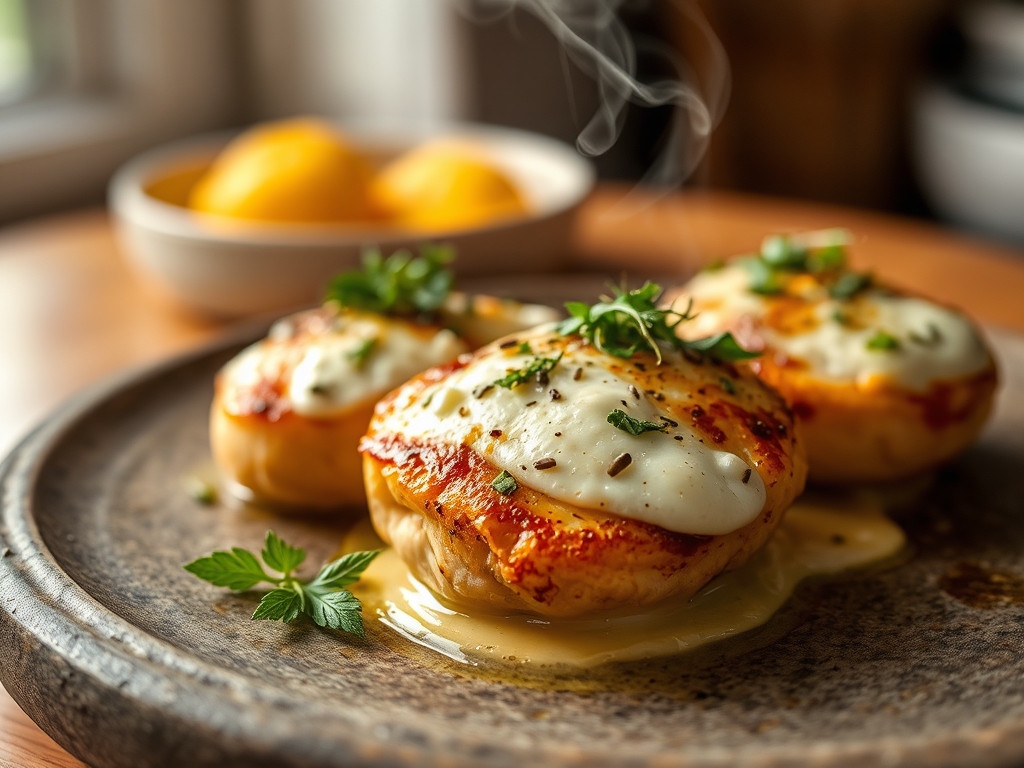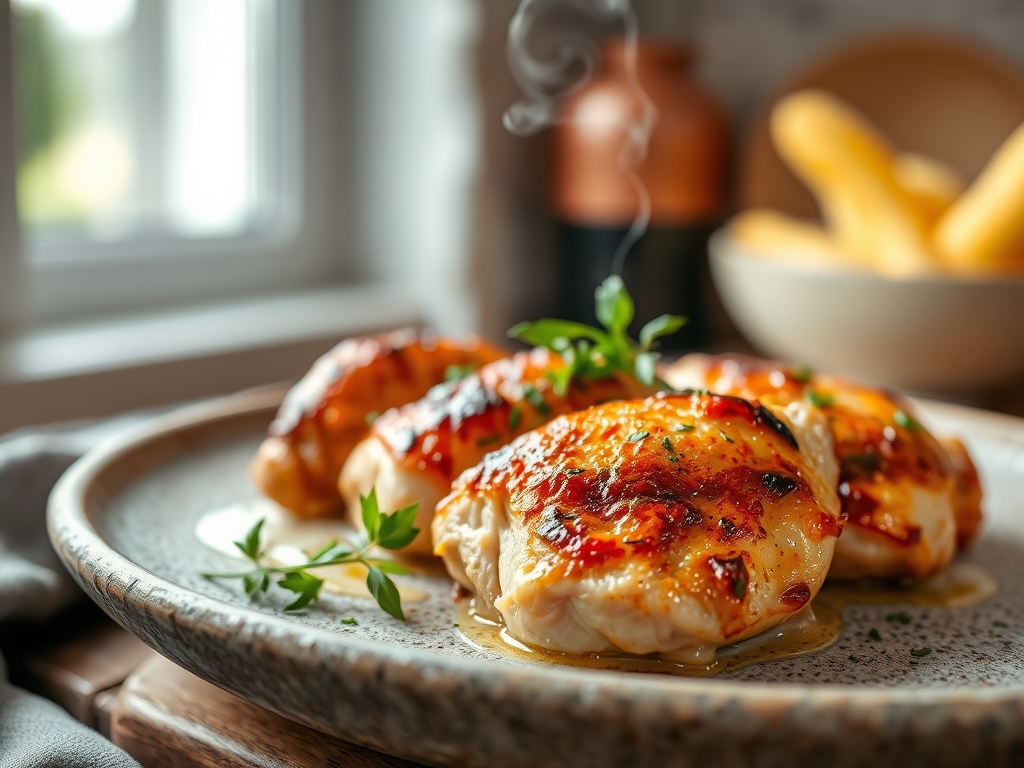
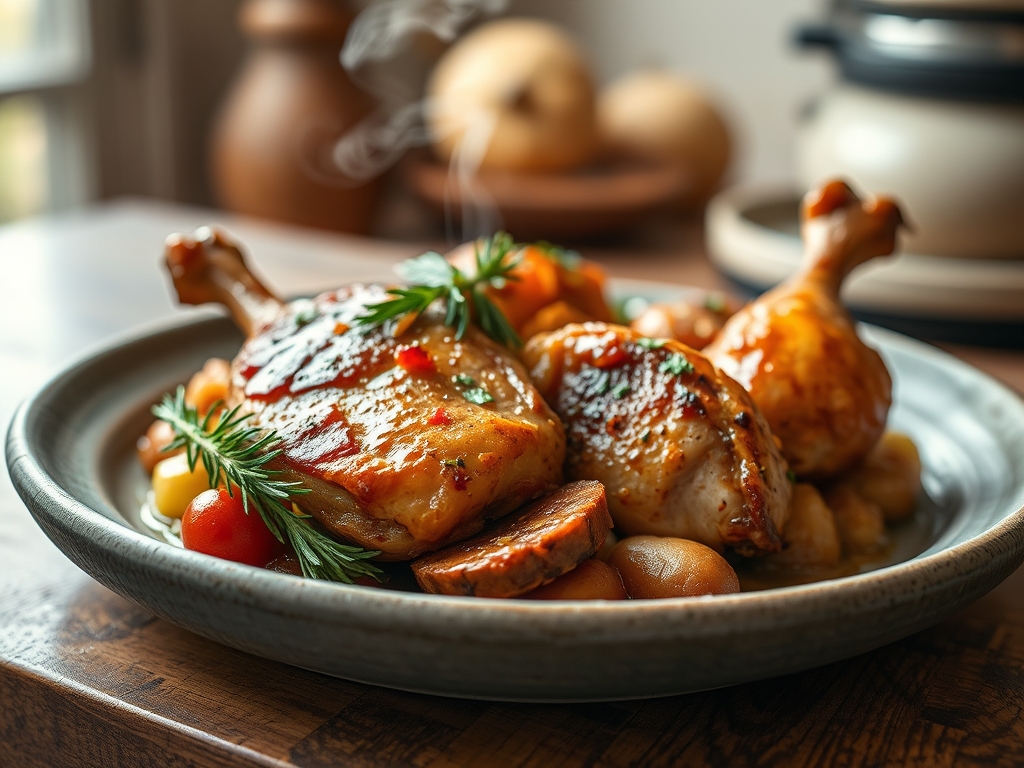
Imagine the scent of slow-simmered rosemary and caramelized leeks greeting your guests before you even open the door. Hosting a party should feel like a victory lap; not a marathon in a humid kitchen. This is why I swear by slow cooker chicken recipes with vegetables to handle the heavy lifting while we focus on the wine.
When you surrender a bird to the gentle; consistent heat of a ceramic crock; something magical happens at the molecular level. You are not just cooking; you are orchestrating a long-form thermal exchange that transforms tough connective tissue into buttery velvet. We are moving beyond the basic "dump and go" mentality. Today; we are elevating the humble slow cooker into a vessel for high-end culinary art. By layering textures and mastering the timing of various root vegetables; we ensure every forkful is a balanced masterpiece of salt; fat; and acid. Grab your favorite apron and a glass of something crisp. We are about to turn your kitchen into the most coveted reservation in town.
The Gathers:
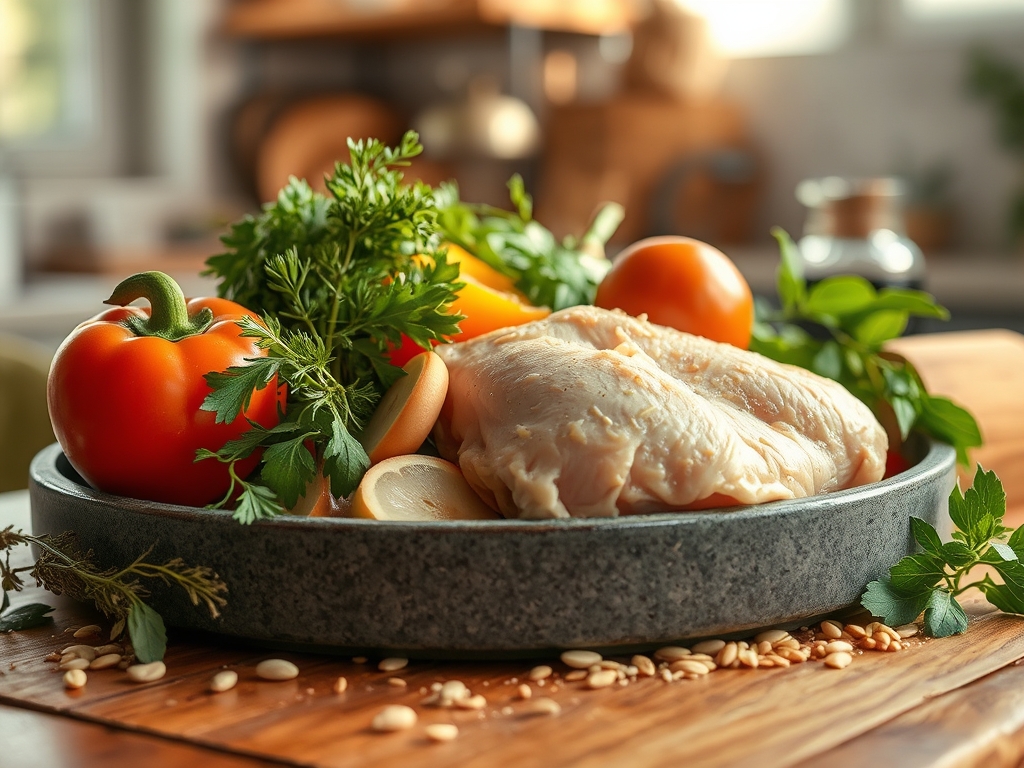
To achieve a restaurant-quality result; your mise-en-place must be precise. Start with high-quality proteins; preferably bone-in thighs or a whole spatchcocked bird. The bone acts as a thermal conductor; distributing heat evenly while releasing marrow that creates a viscous; lip-smacking sauce. For our vegetables; think in terms of density. We need aromatics like mirepoix (onion; celery; carrots); but also "structural" vegetables like parsnips; fingerling potatoes; and pearl onions that can withstand an eight-hour braise without disintegrating into mush.
You will need your digital scale to ensure the ratio of liquid to solid is perfect. Too much broth and you are poaching; too little and you are scorching. Use a microplane to zest fresh citrus and grate garlic into a fine paste; ensuring the flavor molecules infuse every fiber of the meat.
Smart Substitutions:
If you are out of dry white wine for deglazing; a splash of verjus or a diluted apple cider vinegar works beautifully to provide that essential piquant acidity. Swap heavy cream for full-fat coconut milk to maintain a silky mouthfeel while keeping the dish dairy-free. If you cannot find fresh tarragon; use a pinch of fennel pollen to achieve that same sophisticated; licorice-like undertone.
The Clock
Efficiency in the kitchen is about "Chef's Flow." This means grouping tasks to minimize movement and maximize output. Your active prep time for these seven variations is roughly 30 minutes. This includes the crucial step of searing your chicken in a heavy-bottomed skillet before it ever touches the slow cooker.
The "low and slow" setting usually requires 6 to 8 hours; while "high" cuts that time to 3 or 4 hours. However; for party-grade results; always opt for the longer duration. This allows the collagen to render fully. Plan to finish the dish 20 minutes before serving. This "buffer time" allows the meat to undergo thermal carryover; where the internal temperature stabilizes; ensuring the juices stay locked within the muscle fibers rather than spilling out onto the platter.
The Masterclass
1. The Sear and Deglaze
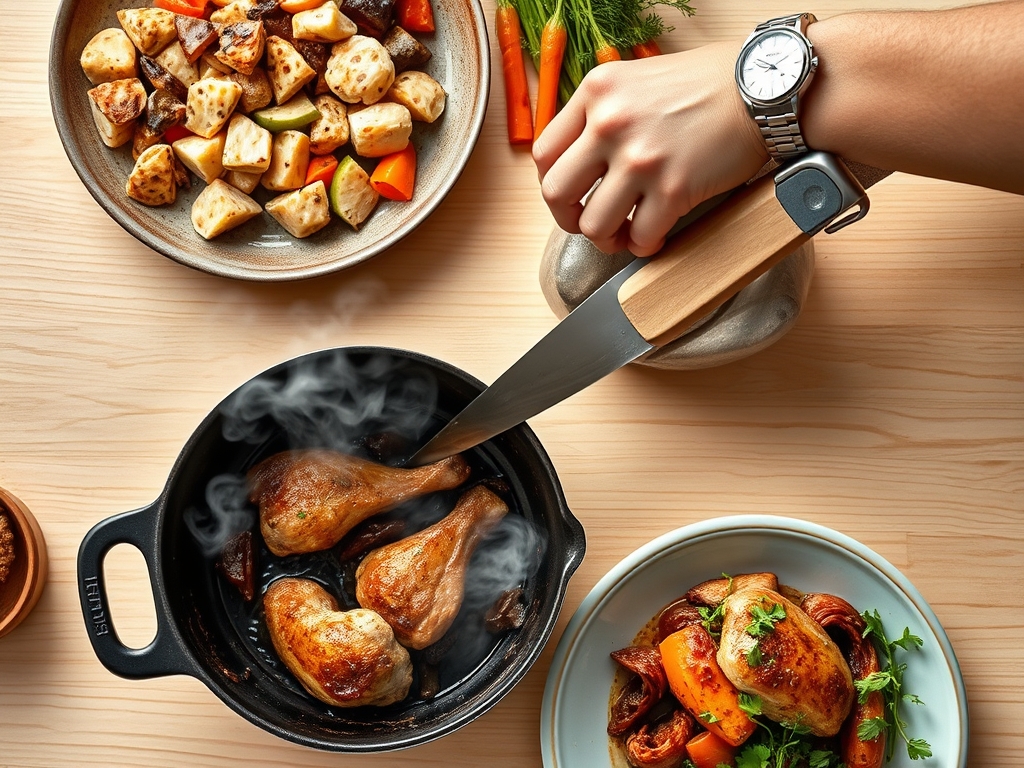
Before the chicken enters the crock; pat the skin bone-dry with paper towels. Heat avocado oil in your skillet until it reaches the shimmer point. Sear the chicken skin-side down until deep golden brown. Remove the meat and use a saucier or wooden spoon to deglaze the pan with stock or wine; scraping up the brown bits (fond).
Pro Tip: This utilizes the Maillard reaction. This chemical reaction between amino acids and reducing sugars creates hundreds of different flavor compounds that a slow cooker cannot produce on its own.
2. Layering the Foundation
Place your densest vegetables; like carrots and potatoes; at the very bottom of the slow cooker. These act as a natural roasting rack for the chicken. Pour your deglazed liquid over the vegetables; then nestle the seared chicken on top.
Pro Tip: Vegetables at the bottom benefit from conduction heating through the ceramic base; while the chicken cooks via convection from the rising steam. This prevents the meat from becoming waterlogged.
3. The Aromatic Infusion
Add your woody herbs like rosemary; thyme; or bay leaves now. If using delicate herbs like parsley or chives; wait until the final five minutes of cooking. Use tongs to ensure the herbs are partially submerged in the liquid to maximize flavor extraction.
Pro Tip: Essential oils in woody herbs are fat-soluble. By placing them near the chicken fat; you create a more potent infusion that permeates the entire dish.
4. The Gentle Braise
Set your cooker to "Low." Resist the urge to peek. Every time you lift the lid; you lose significant heat and moisture; which can add 20 minutes to your total cook time.
Pro Tip: Maintaining a consistent internal pressure and temperature is vital for hydrolysis; the process where collagen turns into gelatin; giving the sauce its body.
5. The Texture Check
About 30 minutes before serving; add "quick-cook" vegetables like frozen peas; spinach; or asparagus. Use a bench scraper to neatly chop any large garnishes while you wait.
Pro Tip: Adding green vegetables too early results in chlorophyll breakdown; turning them a dull grey. Adding them late preserves their vibrant color and "snap" through blanching in the residual heat.
6. The Sauce Reduction
Carefully remove the chicken and vegetables. Pour the remaining liquid into a small pot. Whisk in a slurry of cornstarch or a knob of cold butter to aerate and thicken the sauce until it coats the back of a spoon.
Pro Tip: This creates an emulsion. The fats and liquids bind together; resulting in a glossy; professional finish that clings to the chicken.
7. The Final Garnish
Plate your masterpiece on a large warmed platter. Shower it with fresh herbs; a squeeze of lemon; and a sprinkle of flaky sea salt.
Pro Tip: The hit of raw acidity at the end "wakes up" the palate. It cuts through the richness of the long-cooked fats; providing a necessary sensory contrast.
The Deep Dive
Macro Nutrition: These dishes are powerhouses of nutrition. A standard serving provides approximately 35g of lean protein and is rich in Vitamin A and Potassium from the root vegetables. By using the slow cooker; you retain more water-soluble vitamins that are often lost in traditional boiling.
Dietary Swaps:
- Vegan: Replace chicken with thick wedges of cauliflower or "steaks" of king oyster mushrooms. Use vegetable umami broth.
- Keto: Omit potatoes and parsnips; increase the volume of zucchini; bell peppers; and mushrooms.
- GF: Ensure your chicken stock is certified gluten-free and use arrowroot powder instead of flour for thickening.
The Fix-It:
- Too Thin: If your sauce is watery; whisk in a tablespoon of tomato paste or reduce it on the stove for ten minutes.
- Overcooked Breast: If the meat feels dry; shred it and toss it back into the sauce. The liquid will rehydrate the fibers through capillary action.
- Bland Flavor: Usually a salt or acid issue. Add a teaspoon of soy sauce for umami or a dash of sherry vinegar.
Meal Prep: To maintain "day-one" quality; cool the dish rapidly before refrigerating. When reheating; do so gently on the stovetop with an extra splash of broth. This prevents the fats from separating and keeps the chicken succulent.
The Wrap-Up
Mastering slow cooker chicken recipes with vegetables is the ultimate "host hack." It allows you to deliver a complex; multi-layered meal that tastes like you spent the entire day hovering over a stove; while actually giving you the freedom to enjoy your own party. By applying these scientific principles; from the Maillard sear to the final emulsion; you elevate a simple home meal into a sophisticated dining experience. Your guests will be begging for the recipe; and only you will know how easy it truly was.
The Kitchen Table
Can I put frozen chicken in the slow cooker?
It is not recommended for safety. Frozen meat stays in the "danger zone" (40-140 degrees Fahrenheit) for too long; allowing bacteria to multiply. Always thaw your poultry completely in the refrigerator before starting your recipe.
How do I prevent my vegetables from getting mushy?
Cut your vegetables into larger; uniform chunks. Place "hard" vegetables like carrots at the bottom and add "soft" vegetables like zucchini or peas during the last thirty minutes of the cooking cycle to maintain structural integrity.
Why is my slow cooker chicken dry?
Dryness usually occurs from overcooking or using lean cuts like breasts. For the best results; use bone-in; skin-on thighs. The higher fat content and connective tissue provide a natural buffer against the drying effects of long-term heat.
Do I really need to sear the chicken first?
While not strictly mandatory for safety; searing is essential for flavor. It creates deep; complex notes through the Maillard reaction and improves the final texture of the skin; which otherwise becomes rubbery in a moist environment.