
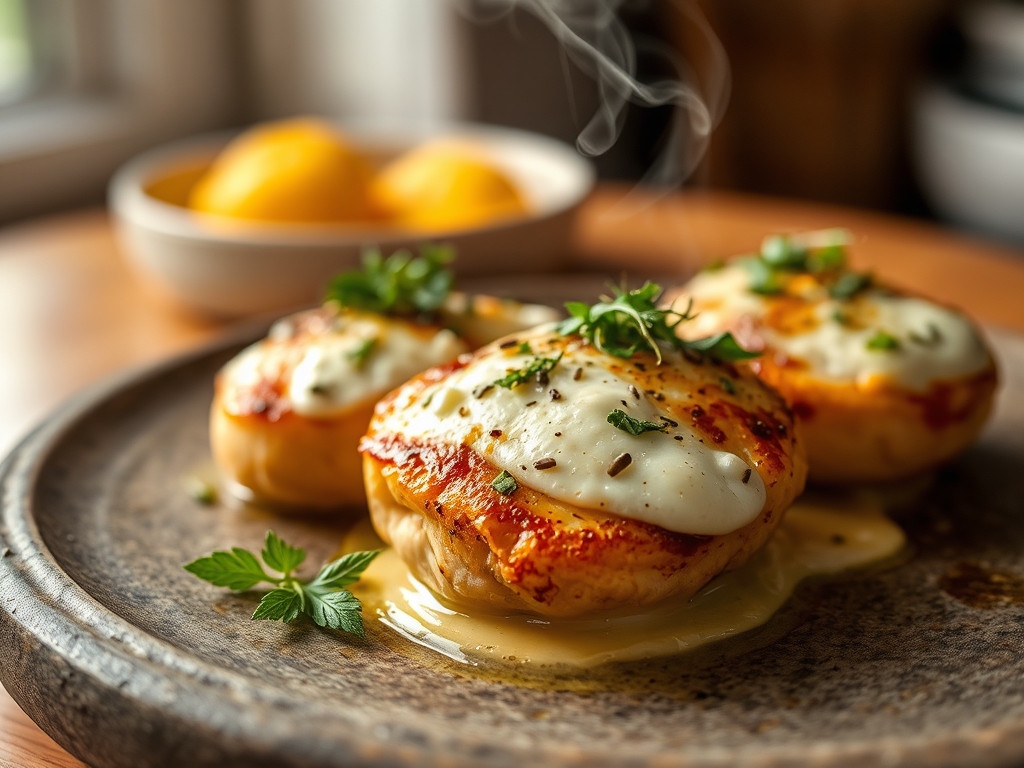
Picture the scene: your kitchen is a chaotic symphony of clicking stove igniters and the sharp, piquant scent of fresh herbs hitting a hot pan. You want a meal that feels like a white-tablecloth bistro but fits into a thirty-minute Tuesday. Mastering goat cheese chicken recipes is your secret weapon for achieving that velvety, high-end texture without a heavy cream reduction.
The magic happens when the tangy acidity of chevre meets the savory protein of a perfectly seared breast. It is a chemical match made in heaven. The goat cheese does not just sit there; it melts into a viscous, self-emulsifying sauce that clings to every fiber of the meat. We are talking about eight distinct variations that range from sun-dried tomato infusions to honey-glazed rinds. Whether you are stuffing, topping, or swirling, these meals are designed for the high-octane cook who refuses to sacrifice flavor for speed. Grab your apron and your favorite heavy-bottomed skillet; we are about to turn basic poultry into a culinary masterpiece.
The Gathers:
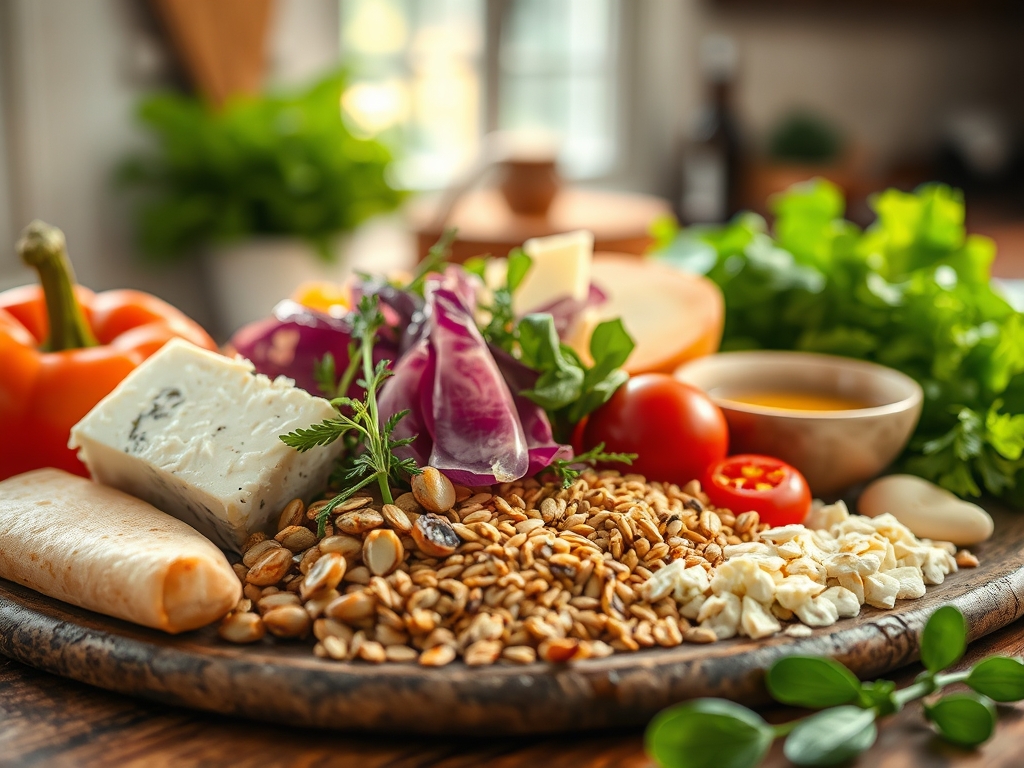
Before we ignite the burners, we must respect the mise-en-place. To execute these goat cheese chicken recipes with precision, your workstation should look like a laboratory of flavor. Start with high-quality chicken breasts or thighs, dried thoroughly with paper towels to ensure a crisp sear. Your goat cheese should be at room temperature to allow the lipids to soften, making it easier to aerate or stuff.
You will need a sharp chef knife for clean butterfly cuts and a microplane for zesting citrus or grating hard cheeses. The aromatics are non-negotiable: fresh garlic, shallots, and woody herbs like rosemary or thyme. For the "Smart Substitutions," if you find goat cheese too tangy, swap in a whipped feta for a saltier punch or a high-fat ricotta for a milder, creamier profile. If you are avoiding dairy, a cashew-based "chevre" provides the necessary lactic acid tang and fatty mouthfeel required to mimic the original texture.
The Clock
Efficiency in the kitchen is all about the "Chef's Flow." This is the psychological state where your movements are synchronized with the thermal properties of your cookware. Total prep time for these recipes averages fifteen minutes, with an active cook time of twenty minutes.
The secret to beating the clock is multitasking during the sear. While the chicken undergoes enzymatic browning in the skillet, you should be deglazing the pan or whisking your herb oil. By the time the chicken reaches its target internal temperature, your sauce is already reduced. This overlap ensures that you are never standing idle, allowing you to move from raw ingredients to a plated masterpiece in under forty minutes.
The Masterclass:
1. The Perfect Sear and Deglaze
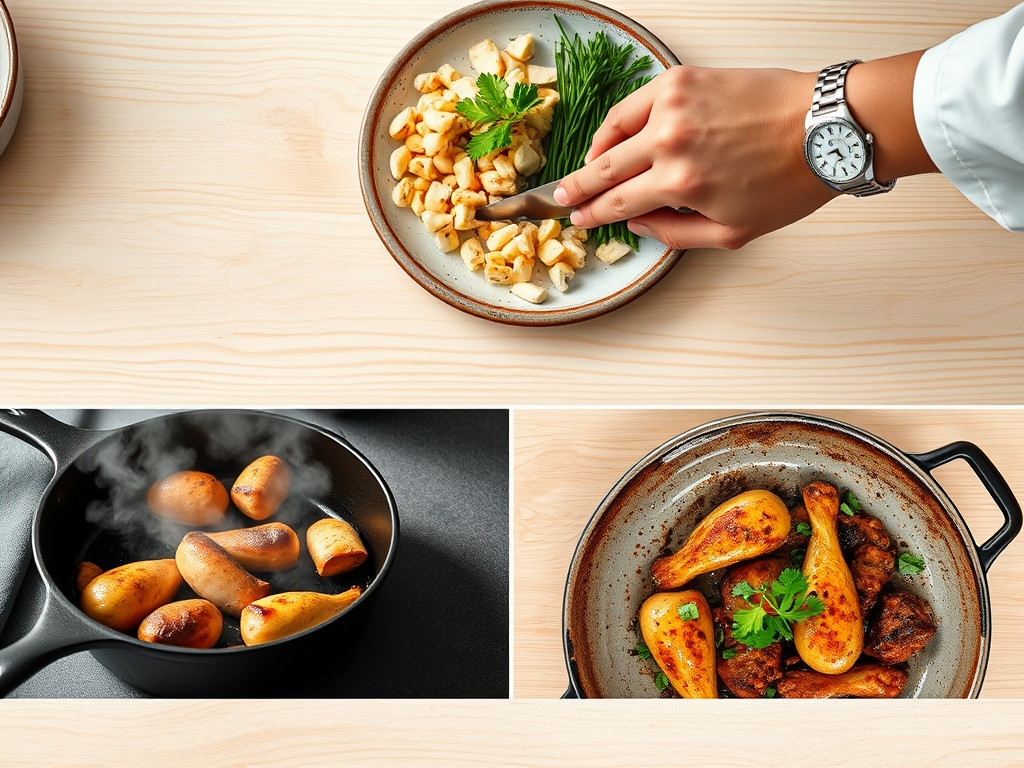
Heat your heavy-bottomed skillet until the oil shimmers but does not smoke. Place the seasoned chicken skin-side down and leave it alone. Once a golden crust forms, flip it and deglaze the pan with a splash of dry white wine or chicken stock, scraping up the browned bits.
Pro Tip: This process is known as the Maillard Reaction. By leaving the meat undisturbed, you allow amino acids and reducing sugars to create hundreds of different flavor compounds. Using a stainless steel pan rather than non-stick provides better "fond," which is the flavorful base for your goat cheese sauce.
2. The Butterfly and Stuff
Use your chef knife to slice the chicken breast horizontally, stopping just before you cut all the way through. Open it like a book and spread a generous layer of herbed goat cheese inside. Secure the edges with toothpicks if necessary.
Pro Tip: This increases the surface area exposed to heat, which speeds up the cooking process. The goat cheese acts as an internal insulator, preventing the center of the breast from drying out while the exterior reaches a safe temperature.
3. The Emulsified Topping
In a small saucier, melt goat cheese with a tablespoon of pasta water or chicken broth over low heat. Whisk vigorously until the mixture is smooth and glossy. Pour this over your seared chicken just before serving.
Pro Tip: This is a lesson in emulsification. The proteins in the goat cheese act as stabilizers, binding the fats and liquids together. Whisking creates a stable suspension, ensuring your sauce remains creamy rather than breaking into an oily mess.
4. The Thermal Rest
Once the chicken reaches an internal temperature of 160 degrees Fahrenheit, remove it from the heat and place it on a warm plate. Tent it loosely with foil and let it sit for five to seven minutes.
Pro Tip: This utilizes thermal carryover. The internal temperature will continue to rise to the safe 165 degrees Fahrenheit while the muscle fibers relax. This allows the juices to redistribute, ensuring every bite is succulent rather than dry.
The Deep Dive
From a nutritional standpoint, goat cheese chicken recipes are a powerhouse. Goat cheese is generally lower in calories and fat than cow-based cheeses, and it contains A2 casein, which is often easier for sensitive stomachs to digest. A standard serving provides roughly 35 grams of protein and 12 grams of healthy fats.
For dietary swaps, Keto enthusiasts can lean into the high-fat content of the cheese, while those on a Gluten-Free path should ensure their deglazing liquids are pure stocks or wines. To make this vegan, use a fermented nut cheese and plant-based "chicken" strips, ensuring you add a pinch of nutritional yeast for that missing umami.
The Fix-It:
- The Cheese Curdled: This happens if the heat is too high. Fix it by whisking in a teaspoon of warm heavy cream or water to bring the emulsion back together.
- The Chicken is Rubber: You likely overcooked it. Use a digital scale to weigh your portions and a meat thermometer to pull the chicken at exactly 160 degrees.
- The Sauce is Bland: It needs acid. Add a squeeze of lemon juice or a drop of balsamic glaze to brighten the heavy fats of the cheese.
For meal prep, reheating is a science. Avoid the microwave, which turns chicken into leather. Instead, place your leftovers in a covered pan with a tablespoon of water over medium-low heat. This creates a steam chamber that re-hydrates the protein without breaking the delicate cheese sauce.
The Wrap-Up
You are now officially the master of the goat cheese chicken universe. By understanding the chemistry of the sear and the physics of the emulsion, you have elevated a weeknight staple into a gourmet experience. These eight recipes are not just about feeding yourself; they are about the joy of creating something complex and beautiful in a fraction of the time. Now, grab your tongs, fire up that skillet, and let the tangy, savory magic happen.
The Kitchen Table
Can I use pre-crumbled goat cheese?
Crumbles are often coated in cellulose to prevent clumping, which hinders melting. For a smooth, viscous sauce, always buy the log and crumble it yourself. This ensures a superior, creamy texture in your goat cheese chicken recipes.
How do I prevent the cheese from leaking out?
Sear the stuffed side of the chicken first to "seal" the meat fibers quickly. Using chilled cheese also helps, as it takes longer to reach its melting point, giving the chicken time to firm up around the filling.
What is the best way to store leftovers?
Place the chicken in an airtight glass container for up to three days. The acidity in the goat cheese acts as a mild preservative, but the texture is best maintained when kept separate from any watery side dishes.
Why does my goat cheese taste too strong?
The "goaty" flavor comes from fatty acids that intensify with age. For a milder profile, look for "fresh" chevre rather than aged varieties. You can also temper the funk by whisking in a bit of honey or lemon zest.