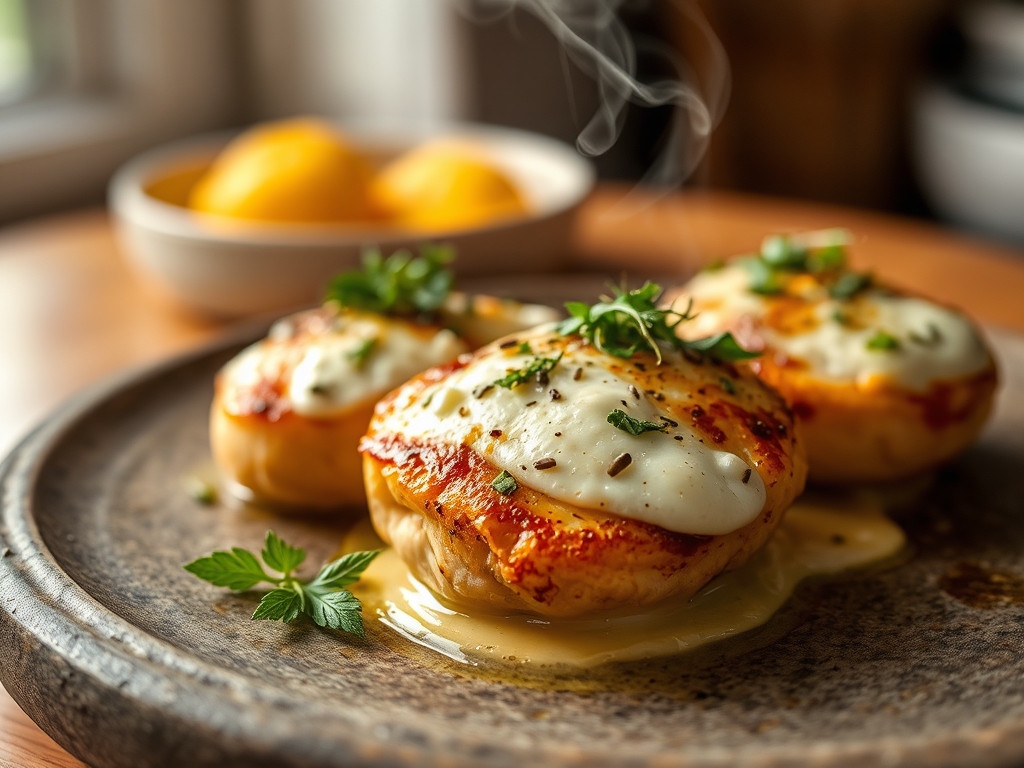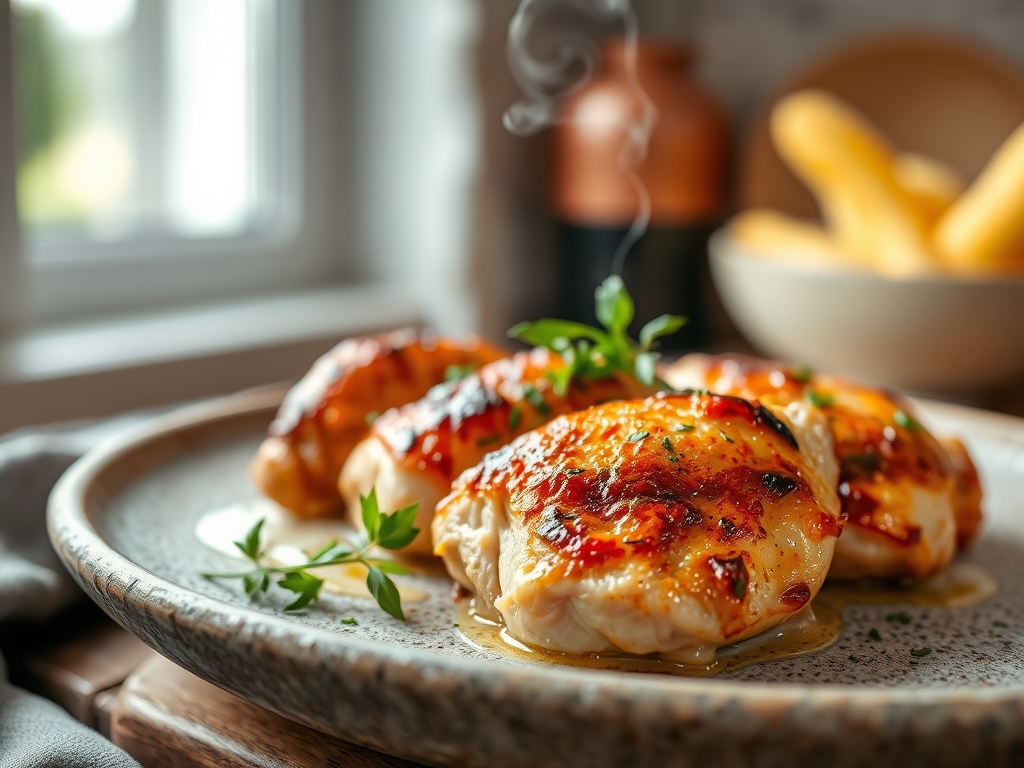
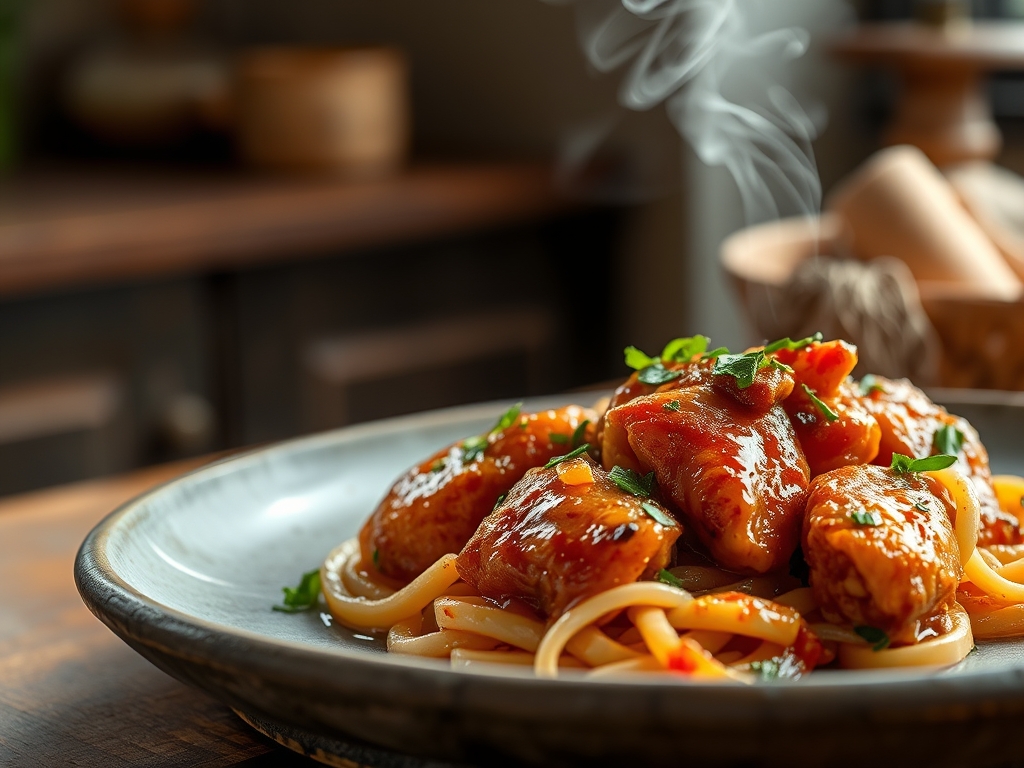
Picture the sharp, citrusy scent of fresh zest hitting a hot pan. It is that specific moment where the kitchen transforms from a room into a sensory laboratory. When you dive into mandarin chicken recipes, you are not just making dinner; you are orchestrating a complex dance of acidity, sugar, and protein. It is the ultimate weeknight upgrade.
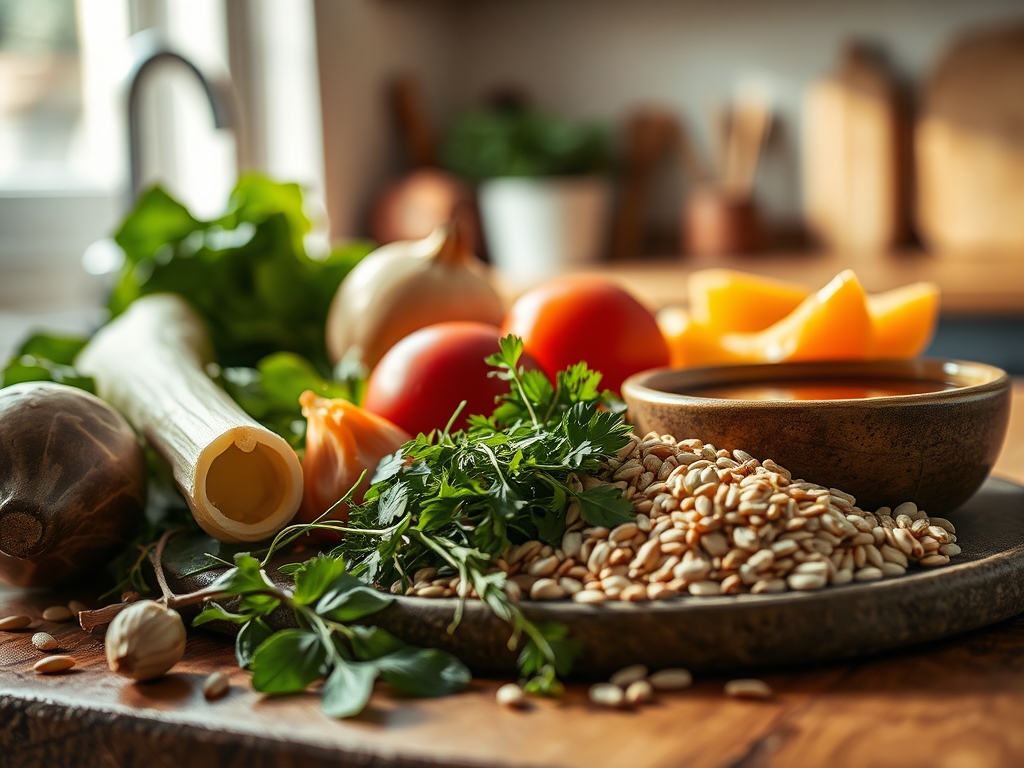
The Gathers:
To achieve that restaurant-quality glaze, your mise-en-place must be precise. Start with skinless, boneless chicken thighs. Thighs contain more connective tissue and fat than breasts, which ensures they remain succulent during high-heat searing. You will need fresh mandarin juice, which provides a more viscous and complex sugar profile than standard orange juice. Gather your aromatics: ginger, garlic, and scallions. For the sauce, grab your saucier and measure out soy sauce, rice vinegar, and a touch of honey.
Smart Substitutions:
If you cannot find fresh mandarins, clementines are a perfect swap due to their high sugar-to-acid ratio. For a soy-free version, use liquid aminos; they provide the same umami depth without the gluten. If you are out of honey, agave nectar works beautifully because it dissolves instantly in cool liquids, preventing graininess in your final emulsion.
The Clock:
Efficiency in the kitchen is all about the Chef's Flow. This entire process takes exactly 35 minutes if you follow the sequence. Spend the first 10 minutes on prep: dicing the poultry and zesting the fruit with a microplane. The cooking phase takes 15 minutes, leaving you 10 minutes for the sauce to reduce and the meat to rest. By the time your rice cooker clicks off, your chicken will be perfectly glazed.
The Masterclass:
1. The Sear and Render
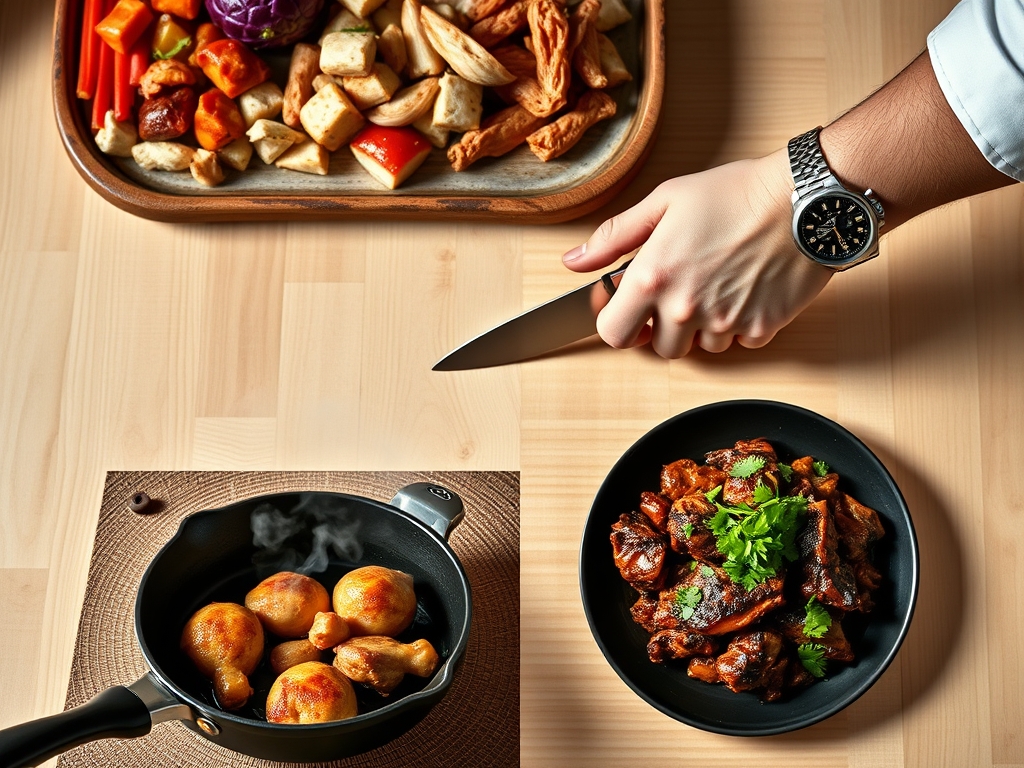
Place your chicken in a heavy-bottomed skillet over medium-high heat. Do not overcrowd the pan. Use tongs to flip the pieces only once they release naturally from the surface.
Pro Tip: This is the Maillard reaction in action. By allowing the surface proteins to bond with sugars at high heat, you create hundreds of new flavor compounds that raw meat simply does not possess.
2. Infusing the Aromatics
Push the chicken to the perimeter of the pan and drop in your minced ginger and garlic. Use a silicone spatula to move them constantly so they do not burn.
Pro Tip: Aromatics are fat-soluble. By sautéing them in the rendered fat from the chicken, you are effectively "blooming" the spices, which carries the flavor deeper into the entire dish.
3. Deglazing the Pan
Pour in your mandarin juice and rice vinegar. Use a wooden spoon to scrape up the brown bits stuck to the bottom of the skillet.
Pro Tip: This process is called deglazing. Those brown bits, known as fond, contain concentrated essence of the meat. Dissolving them into the liquid creates a sophisticated, layered base for your sauce.
4. The Emulsion Phase
Whisk in a small slurry of cornstarch and water. Stir constantly until the liquid changes from translucent to opaque and then to a glossy sheen.
Pro Tip: Cornstarch molecules act like sponges. As they heat up, they absorb water and swell, creating a viscous network that thickens the sauce without adding heavy fats or creams.
5. The Final Glaze and Rest
Toss the chicken thoroughly to coat every crevice. Remove the pan from the heat and let it sit for three minutes before serving.
Pro Tip: This allows for thermal carryover. The internal temperature will continue to rise slightly while the muscle fibers relax, ensuring the juices stay inside the meat rather than spilling onto the plate.
The Deep Dive:
From a macro perspective, this dish is a powerhouse. A standard serving offers roughly 35 grams of protein and is naturally lower in sodium than takeout versions because you control the soy sauce ratio. For a Keto version, swap the honey for monk fruit sweetener and the cornstarch for xanthan gum. If you are going Vegan, extra-firm tofu pressed with a chef's weight mimics the texture of chicken perfectly when seared.
The Fix-It:
If your sauce is too thin, do not add more starch directly. Create a separate slurry first to avoid clumps. If the sauce is too salty, add a splash of rice vinegar; the acidity will mask the saltiness through flavor suppression. If the chicken is tough, you likely skipped the resting phase. Slice it thinly against the grain to mechanically break up the fibers.
Meal Prep:
When reheating, the science of moisture is your friend. Do not microwave on high. Instead, use a splash of water or chicken stock and cover the dish tightly. This creates a steam chamber that re-hydrates the starch molecules in the sauce, returning it to its original "day-one" silky texture.
The Wrap-Up:
Elevating your chicken dinner does not require a culinary degree; it just requires a bit of chemistry and the right tools. By mastering the balance of citrus and heat, you turn a basic protein into a vibrant, restaurant-quality meal. Grab your digital scale, zest those mandarins, and watch how a few technical tweaks change your cooking game forever. Your kitchen is now the best bistro in town.
The Kitchen Table:
How do I keep the chicken from getting rubbery?
Avoid overcooking by using a digital thermometer. Pull the chicken at 160 degrees Fahrenheit. The thermal carryover will bring it to the safe 165 mark while it rests, keeping the fibers tender and moist.
Can I use bottled juice for mandarin chicken recipes?
You can, but the flavor will be flatter. Bottled juices are pasteurized, which breaks down the delicate volatile compounds found in fresh citrus. Freshly squeezed juice provides a brighter, more piquant acidity that defines the dish.
What is the best way to zest a mandarin?
Use a microplane and only grate the colored outer layer. Avoid the white pith underneath, as it contains bitter alkaloids that can ruin the balance of your sauce. Rotate the fruit frequently for the best results.
Why does my sauce look cloudy instead of glossy?
This usually happens if the cornstarch hasn't reached its gelatinization point. Ensure the sauce reaches a simmer. Once it bubbles, the starch molecules fully expand and the sauce will transition from cloudy to a beautiful, clear gloss.