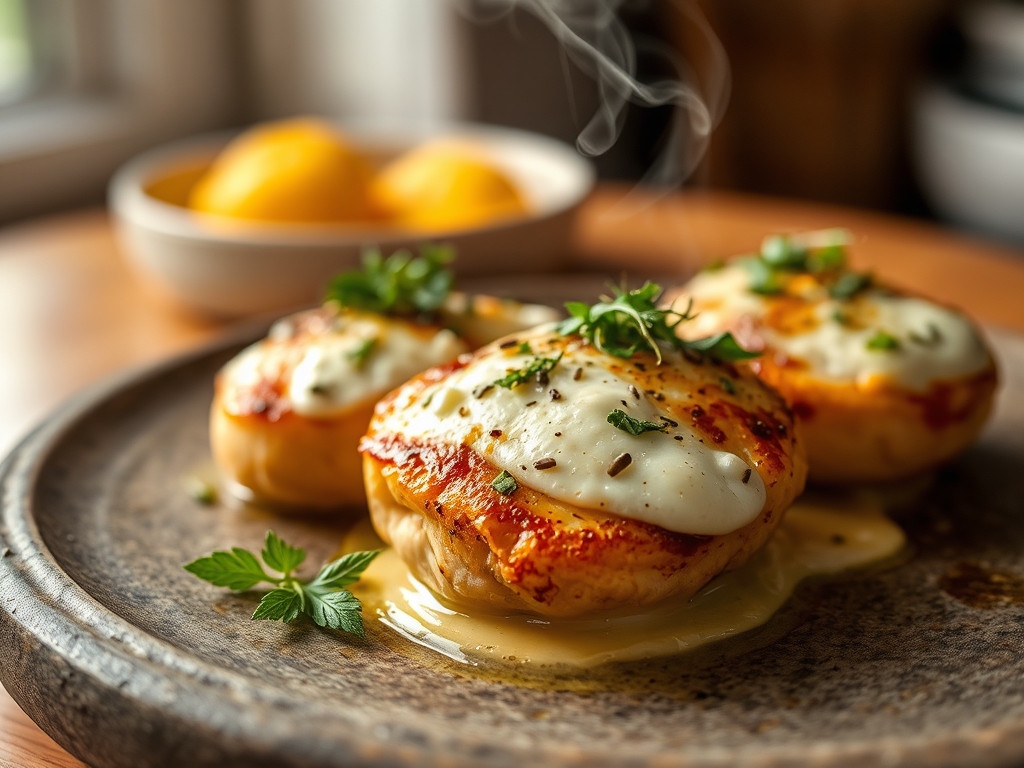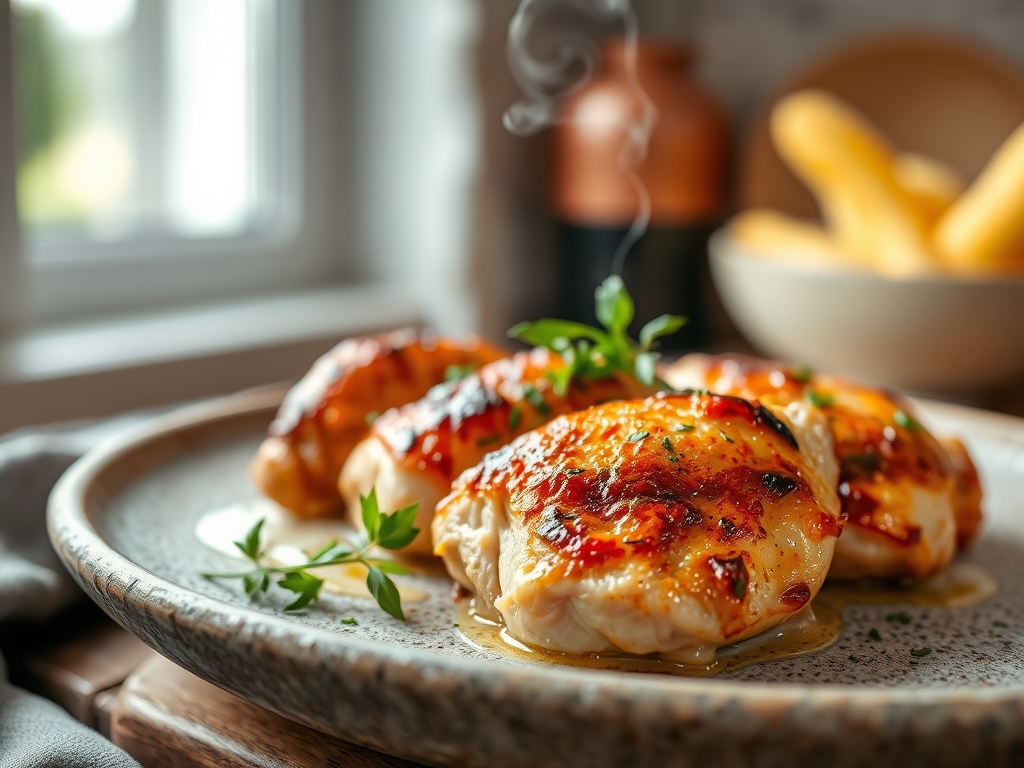
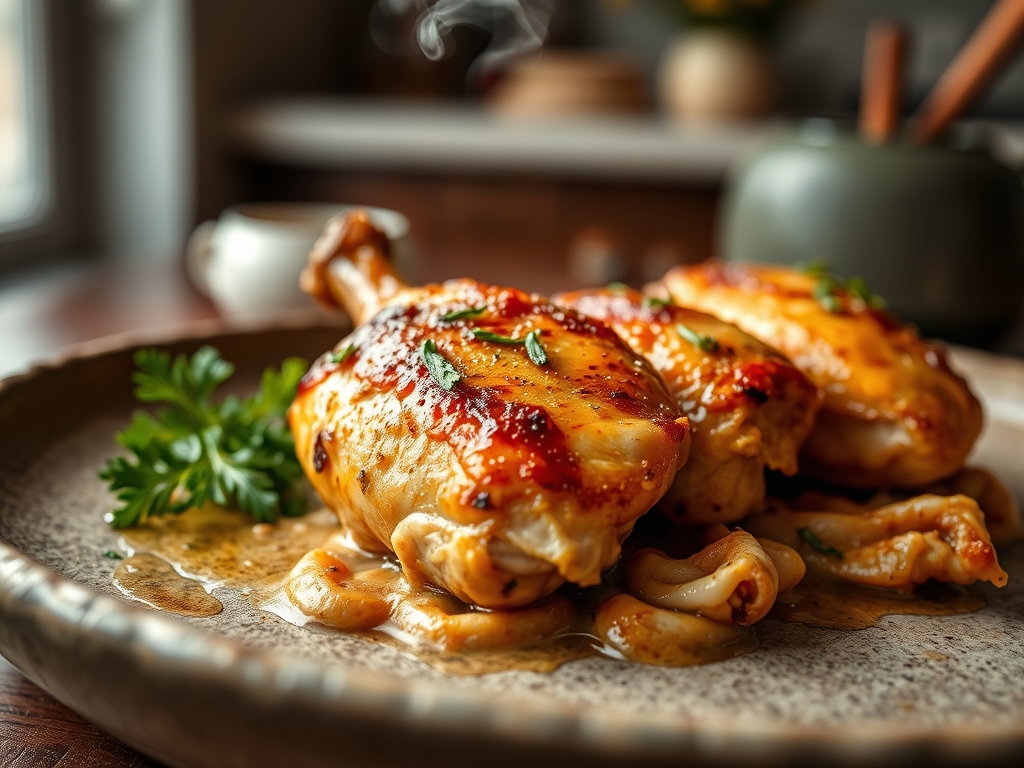
Picture the scent of vinegary cayenne hitting a searing skillet; it is a sharp, electric aroma that wakes up every nerve in your body. When you search for chicken recipes delish, you are likely looking for that perfect intersection of high-protein fuel and restaurant-level flavor. Buffalo sauce is the ultimate culinary cheat code because it delivers a massive sensory punch with minimal caloric density. We are moving beyond deep-fried wings and diving into nine sophisticated, healthy variations that respect your macros while setting your palate on fire. Whether it is a crisp salad or a slow-braised shred, these dishes rely on the chemistry of spice to transform lean poultry into a masterpiece.
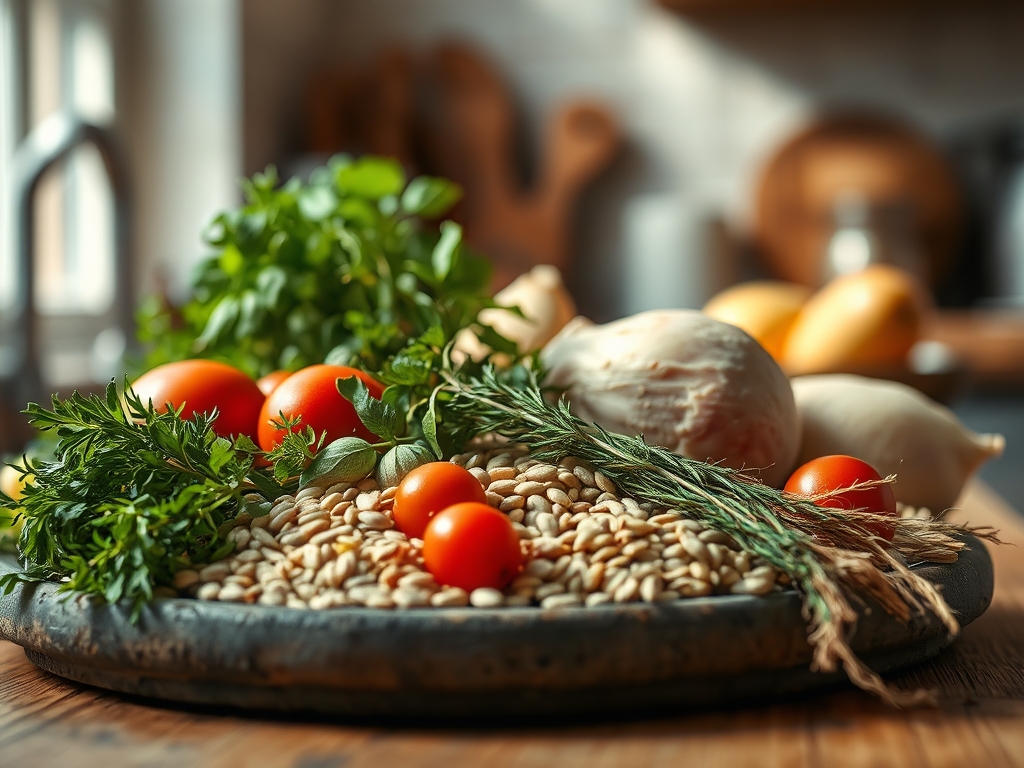
The Gathers:
To execute these recipes, your mise-en-place must be precise. Start with high-quality chicken breasts or thighs; the latter contain more myoglobin and fat, providing a more succulent mouthfeel after the rendering process. You will need a viscous hot sauce, typically a fermented cayenne base, which provides the piquant backbone of the dish. Instead of traditional butter, we utilize ghee or avocado oil to achieve a high smoke point without the risk of burning milk solids.
Gather your microplane for zesting lemons and grating fresh garlic; this increases the surface area of the aromatics, allowing them to infuse the oil more efficiently. You will also need a digital scale to ensure your protein portions are exact. For smart substitutions, swap heavy ranch dressing for a Greek yogurt base aerated with fresh dill and chives. If you are watching sodium, look for "no-salt-added" hot sauces and build complexity using smoked paprika and dried mustard powder instead.
The Clock
Efficiency in the kitchen is about mastering the Chef's Flow. For these nine recipes, your active prep time will average twenty minutes, while cook times range from ten minutes for a high-heat sear to four hours for a slow-cooker braise. The key is to utilize your downtime. While the chicken is undergoing thermal transformation, use your bench scraper to clear your workstation and prep your fibrous greens. Always allow for a five-minute rest period post-cook; this is non-negotiable for moisture retention.
The Masterclass
1. The Sear and Deglaze
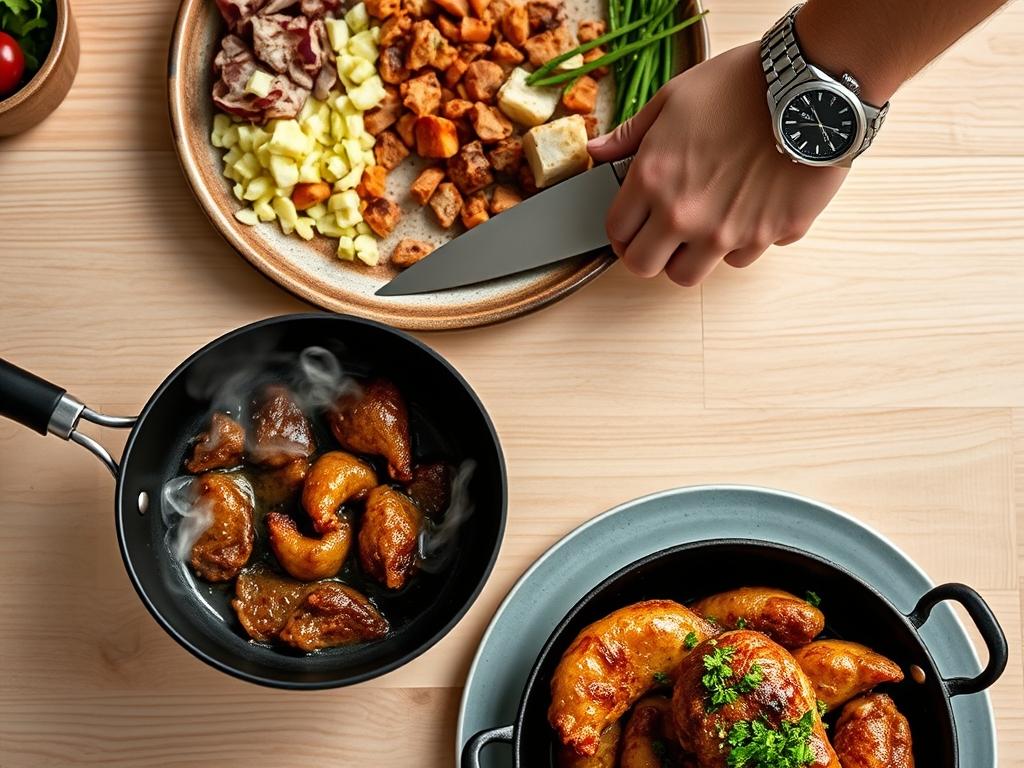
Pat your chicken dry with paper towels to remove surface moisture. Heat a heavy-bottomed skillet until it wisps with smoke, then add your oil and protein. Do not crowd the pan; this prevents the temperature from dropping and ensures a perfect sear. Once a golden crust forms, use your tongs to flip the meat.
Pro Tip: This is the Maillard Reaction at work. By removing surface moisture, you ensure the heat energy goes toward browning the proteins rather than evaporating water, resulting in deeper flavor.
2. The Sauce Emulsification
Lower the heat before adding your buffalo mixture. If the pan is too hot, the sauce will break and become greasy. Whisk in your cold fat source or yogurt slowly to create a stable, creamy coating that clings to every fiber of the chicken.
Pro Tip: Emulsification is the process of combining two liquids that usually do not mix. By whisking constantly, you are suspending fat droplets in the vinegar-based sauce, creating a viscous coating that stays on the chicken rather than pooling at the bottom of the plate.
3. The Resting Phase
Transfer the chicken to a warm cutting board. Let it sit undisturbed. This allows the internal juices, which were pushed to the center by the heat, to redistribute throughout the meat.
Pro Tip: This prevents moisture loss through thermal carryover. If you cut the chicken immediately, the internal pressure will force the juices out, leaving you with a dry, stringy texture regardless of how much sauce you use.
The Deep Dive
Nutritionally, buffalo chicken is a powerhouse. A standard four-ounce serving of breast meat provides approximately 31 grams of protein with less than 3 grams of fat. By using Greek yogurt or avocado-based mayo for your cooling dips, you add probiotics and healthy monounsaturated fats.
For dietary swaps, Vegan enthusiasts can substitute cauliflower florets or oyster mushrooms, which mimic the fibrous texture of chicken. Keto followers should stick to ghee and high-fat blue cheese, while Gluten-Free cooks must verify that their hot sauce does not contain grain-based vinegar or thickeners.
The Fix-It
If your sauce is too thin, do not keep boiling it; this will turn the vinegar acrid. Instead, whisk in a tiny amount of xanthan gum or a cornstarch slurry to tighten the texture. If the chicken is too spicy, add an acid like lime juice or a touch of honey to balance the capsaicin. If the meat is tough, you likely overcooked it; next time, use a meat thermometer to pull the chicken at 160 degrees Fahrenheit and let carryover heat bring it to the safe 165 mark.
Meal Prep Science
To maintain "day-one" quality, store your sauce and chicken separately if possible. When reheating, avoid the microwave if you can. Use a saucier on low heat with a splash of chicken bone broth to rehydrate the proteins without toughening them. This gentle steam-heat method prevents the fats from separating and keeps the chicken tender.
The Wrap-Up
Mastering these chicken recipes delish is about more than just tossing meat in hot sauce; it is about understanding the balance of heat, acidity, and texture. By using professional tools and scientific techniques like proper emulsification and moisture control, you turn a simple weeknight meal into a gourmet experience. These nine recipes prove that "healthy" never has to mean "boring." Get your skillet hot, keep your whisk moving, and enjoy the burn.
The Kitchen Table
How do I make buffalo chicken less spicy?
To neutralize excess heat, add a dollop of Greek yogurt or a teaspoon of honey. The fats and sugars bind to the capsaicin molecules, preventing them from overstimulating your pain receptors while maintaining the sauce's signature tangy flavor profile.
Can I use frozen chicken for these recipes?
Yes, but you must thaw it completely in the refrigerator first. Excess ice crystals cause "steaming" in the pan, which prevents the Maillard reaction. Always pat the thawed meat dry with paper towels before introducing it to a hot skillet.
What is the best way to shred buffalo chicken?
Use a stand mixer with the paddle attachment on low speed for thirty seconds. The mechanical force breaks the muscle fibers evenly while the chicken is still warm, creating a consistent texture that is perfect for salads, wraps, or meal prep containers.
Why does my buffalo sauce separate?
Separation occurs when the sauce is heated too quickly or unevenly. To fix a broken sauce, remove it from the heat and whisk in a tablespoon of warm water or a small amount of cold butter to re-emulsify the fats.