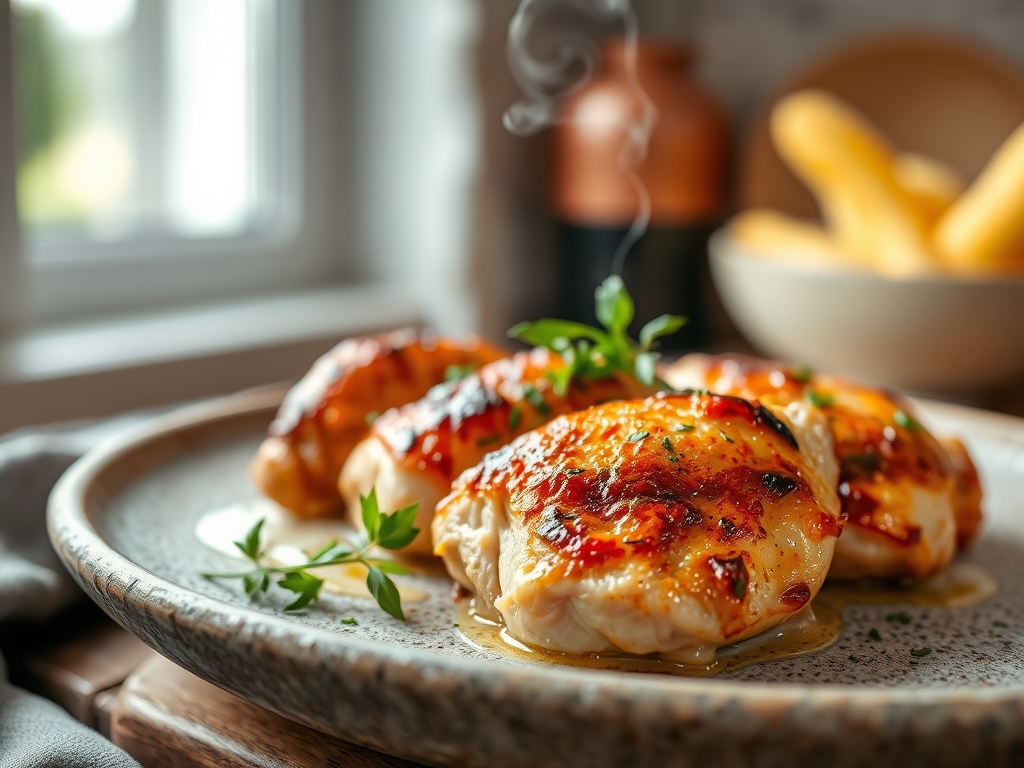
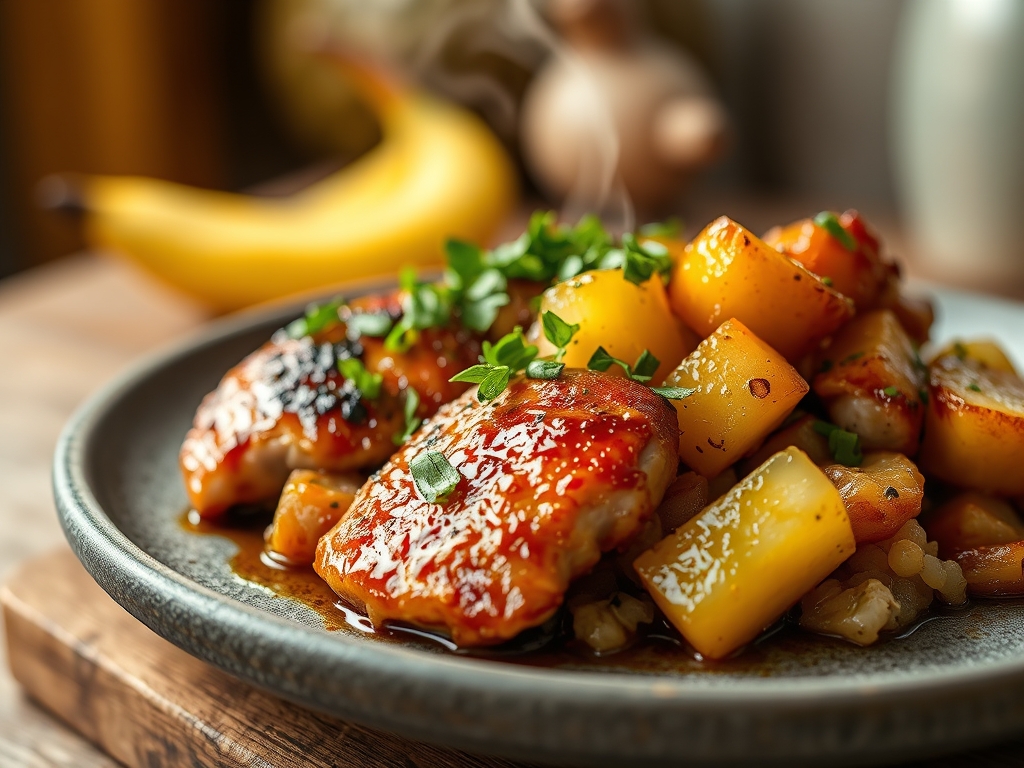
Imagine the scent of caramelized sugars hitting a searing hot pan; that sharp, sweet, and savory aroma that makes your kitchen feel like a high-end bistro. When you dive into pineapple teriyaki chicken recipes, you are not just making dinner; you are orchestrating a complex chemical dance between tropical acidity and umami-rich soy. It is the ultimate weeknight victory.
Rice noodles are the perfect canvas for this performance. Their neutral profile and porous surface are designed to cling to a viscous glaze, ensuring every bite carries that signature piquant kick. Whether you prefer the thin, delicate strands of vermicelli or the wide, chewy ribbons of pad thai noodles, the pairing is legendary. We are going to explore six distinct ways to marry these textures, focusing on how the bromelain in fresh pineapple tenderizes the chicken while the sugars create a glossy, mahogany finish. Grab your favorite heavy-bottomed skillet and let's get into the science of the perfect stir-fry.
The Gathers:
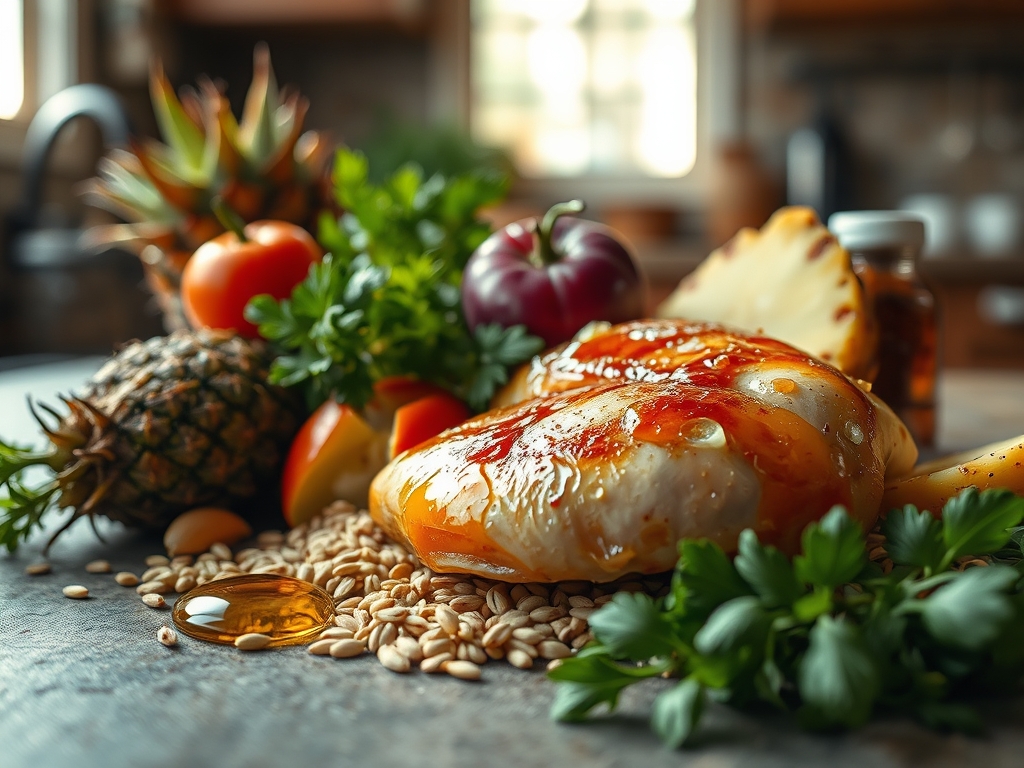
To achieve professional results, your mise-en-place must be precise. Start with high-quality chicken thighs; the higher fat content allows the meat to render beautifully without drying out. You will need fresh pineapple chunks for their natural enzymes, though canned works in a pinch if you crave that nostalgic sweetness. For the aromatics, use a microplane to grate fresh ginger and garlic into a fine paste; this increases surface area and ensures the flavors infuse the oil instantly without burning.
The sauce requires a balance of light soy sauce for salt and dark soy sauce for that deep, lacquered color. Add a splash of mirin for acidity and toasted sesame oil for a nutty finish. For the noodles, look for high-quality dried rice sticks. Smart Substitutions: If you are watching your sodium, coconut aminos offer a fantastic 1:1 swap for soy sauce. If you cannot find fresh ginger, a pinch of ground ginger provides a similar warmth, though it lacks the sharp bite of the fresh rhizome. Always keep a small bowl of cornstarch slurry nearby to achieve that perfect, coat-the-back-of-the-spoon thickness.
The Clock
Efficiency in the kitchen is all about the "Chef's Flow." Total active prep time is approximately 20 minutes, with a cook time of 15 minutes. The secret is to soak your rice noodles in lukewarm water while you chop your proteins and vegetables. This prevents them from becoming mushy when they hit the heat.
The actual cooking process happens in a flash. You will spend about 6 minutes searing the chicken to develop a crust, 3 minutes softening the aromatics and pineapple, and a final 4 minutes tossing everything together to aerate the sauce and coat the noodles. By the time your table is set, the meal is ready. This is high-speed culinary chemistry at its finest.
The Masterclass
1. The Noodle Hydration
Place your dried rice noodles in a large heat-proof bowl and cover with warm (not boiling) water. Let them sit until they are flexible but still have a firm "bite" in the center. Drain them using a fine-mesh strainer and set aside.
Pro Tip: This is known as par-cooking. Using lukewarm water prevents the starch on the outside of the noodle from gelatinizing too quickly, which ensures they do not stick together in a gummy mass when they hit the skillet later.
2. Searing the Protein
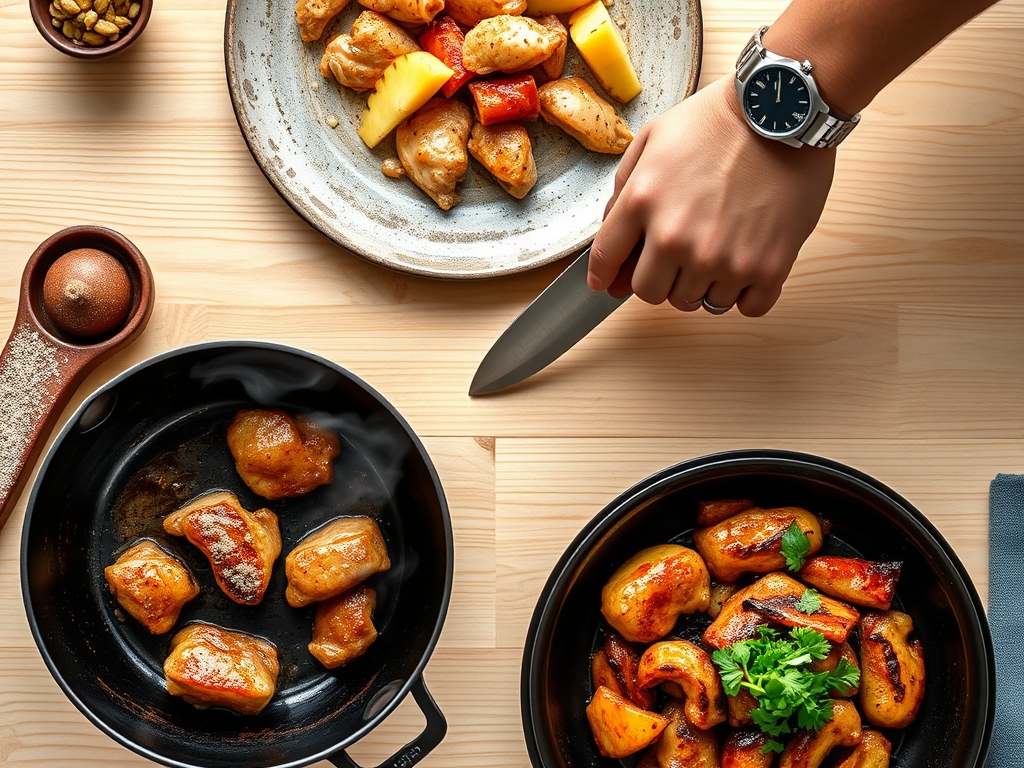
Pat your chicken thighs bone-dry with paper towels. Heat a heavy-bottomed skillet over medium-high heat with a tablespoon of high-smoke-point oil. Use tongs to place the chicken in a single layer, allowing it to sit undisturbed for 3 to 4 minutes.
Pro Tip: This stage triggers the Maillard reaction. By removing surface moisture and providing high heat, the proteins and sugars reorganize into hundreds of flavor compounds, creating that savory brown crust that defines great teriyaki.
3. Deglazing and Aromatics
Push the chicken to the edges of the pan and add your garlic, ginger, and pineapple chunks to the center. Use a wooden spoon or bench scraper to stir them rapidly for 60 seconds until fragrant.
Pro Tip: The moisture from the pineapple helps deglaze the pan; loosening the "fond" (those flavorful browned bits) from the bottom of the skillet and incorporating them back into the sauce for a deeper umami profile.
4. The Glaze Emulsification
Pour in your pre-mixed teriyaki sauce (soy, mirin, honey, and pineapple juice). Bring the liquid to a vigorous simmer. Once bubbling, whisk in your cornstarch slurry slowly.
Pro Tip: As the temperature rises, the starch granules swell and burst, a process called starch gelatinization. This creates a stable emulsion that transforms a thin liquid into a thick, glossy glaze that clings to the ingredients.
5. The Final Toss
Add the hydrated rice noodles to the skillet. Use a pair of long tongs to lift and rotate the noodles, ensuring every strand is coated in the sauce. Cook for an additional 2 minutes until the noodles have absorbed some of the liquid.
Pro Tip: This final step utilizes osmosis. The noodles pull the flavorful sauce into their structure, seasoning them from the inside out rather than just sitting on the surface.
6. Resting and Garnishing
Remove the pan from the heat and let it sit for 2 minutes before serving. Garnish with sliced scallions and toasted sesame seeds.
Pro Tip: Allowing the dish to rest accounts for thermal carryover. The residual heat finishes softening the center of the noodles without overcooking the delicate chicken, resulting in a perfect texture throughout.
The Deep Dive
From a nutritional standpoint, this dish is a powerhouse of lean protein and complex carbohydrates. A standard serving provides roughly 35 grams of protein and 50 grams of carbohydrates. To make this Vegan, swap the chicken for extra-firm tofu or tempeh and use agave instead of honey. For a Keto version, replace the rice noodles with shirataki or zucchini noodles and use a sugar-free sweetener in the glaze.
If you run into trouble, here is "The Fix-It" guide. If your sauce is too thin, simmer it for an extra 2 minutes to reduce the water content. If it is too salty, add a squeeze of fresh lime juice; the acid masks the perception of salt. If the noodles are clumping, add a tablespoon of hot water and toss vigorously to loosen the starches. For Meal Prep, store the sauce separately if possible. If already mixed, reheat in a skillet with a splash of water to re-hydrate the noodles and restore that "day-one" silkiness.
The Wrap-Up
Mastering pineapple teriyaki chicken recipes is like unlocking a culinary superpower. You have the sweetness of the fruit, the salt of the soy, and the satisfying chew of the rice noodles all working in harmony. It is a dish that proves science can be delicious. So, clear your counter, grab your saucier, and get cooking. Your taste buds are about to thank you for this masterclass in flavor.
The Kitchen Table
Why are my rice noodles mushy?
You likely over-soaked them or used water that was too hot. Always use lukewarm water and drain them while they still have a firm core. They will finish cooking in the sauce during the final toss.
Can I use chicken breast instead of thighs?
Yes, but be careful. Chicken breast has less fat and dries out quickly. Use a digital scale to ensure even pieces and reduce the searing time by one minute to prevent the meat from becoming stringy.
How do I get a thicker teriyaki sauce?
The secret is a cornstarch slurry. Mix equal parts starch and cold water before adding it to the boiling liquid. This prevents lumps and ensures a smooth, glossy finish that coats your noodles perfectly.
Is fresh pineapple better than canned?
Fresh pineapple contains bromelain, an enzyme that tenderizes meat. However, canned pineapple is more convenient and consistently sweet. If using canned, look for chunks packed in 100% juice to use in your sauce base.