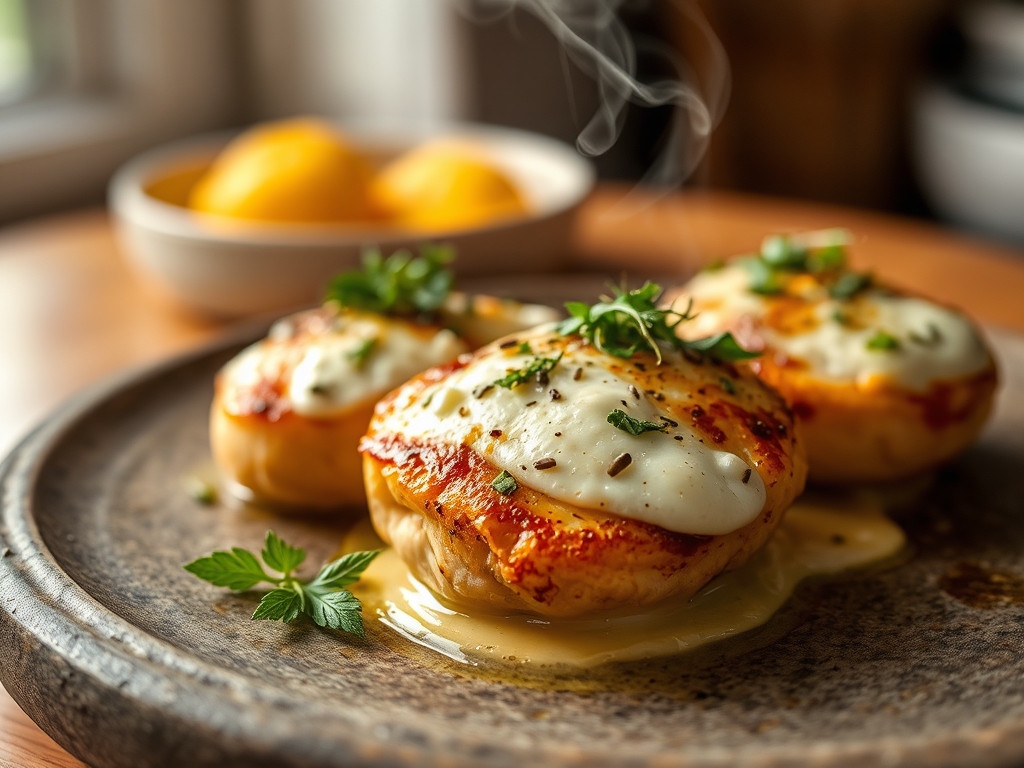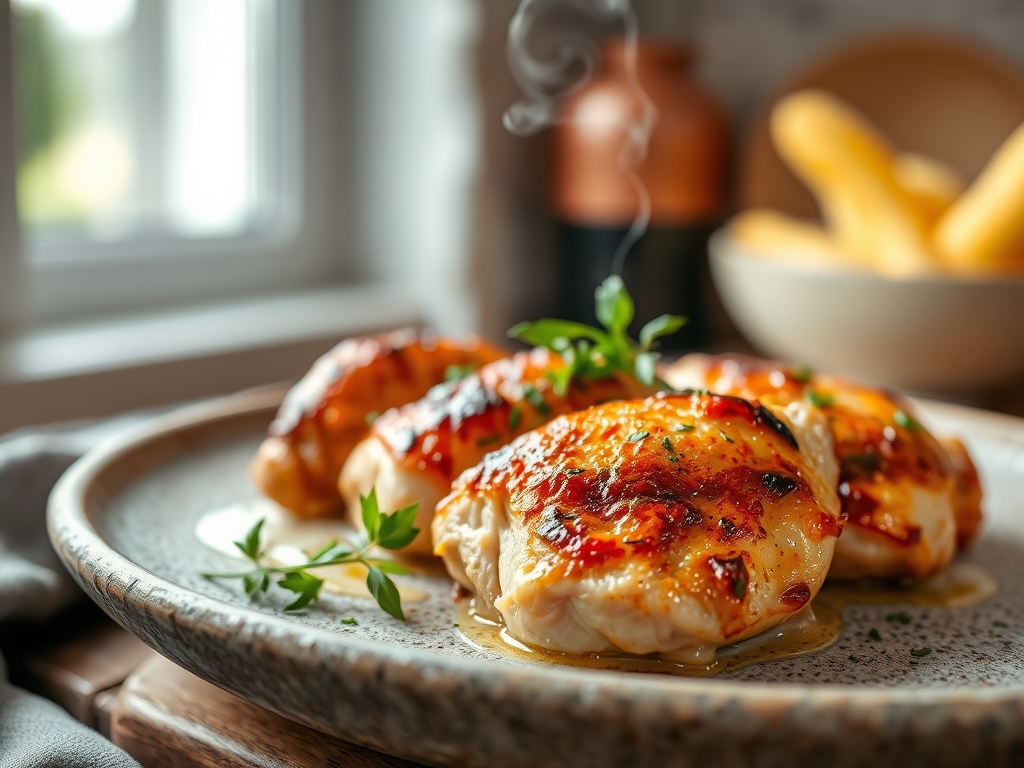
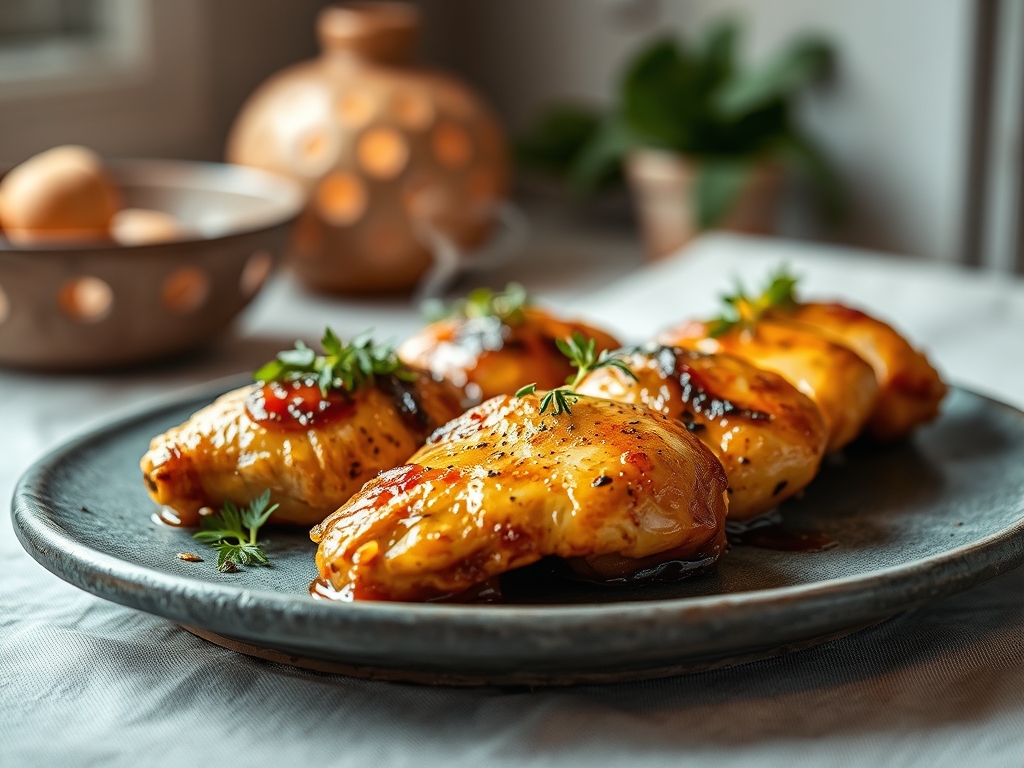
Imagine the scent of toasted sesame oil colliding with the sharp, citrusy bite of fresh ginger. That sticky, mahogany glaze clings to every piece of poultry, offering a crunch that defies the laws of physics. We all crave that takeout magic, but most savory chicken recipes are bogged down by deep frying and corn syrup. I am here to tell you that you can achieve that piquant, addictive flavor profile without the heavy caloric baggage. We are going to deconstruct this classic, using molecular hacks to keep it light and vibrant.
The secret to a healthy transformation lies in the balance of acidity and the Maillard reaction. By understanding how proteins denature and how sugars caramelize at specific temperatures, we can replicate that deep, complex umami without the vat of oil. This is not just a meal; it is a lesson in flavor architecture. We are trading the heavy batter for a light, starch-dusted sear that creates a lattice-like crunch. Grab your apron because we are about to turn your kitchen into the best bistro in town.
The Gathers:
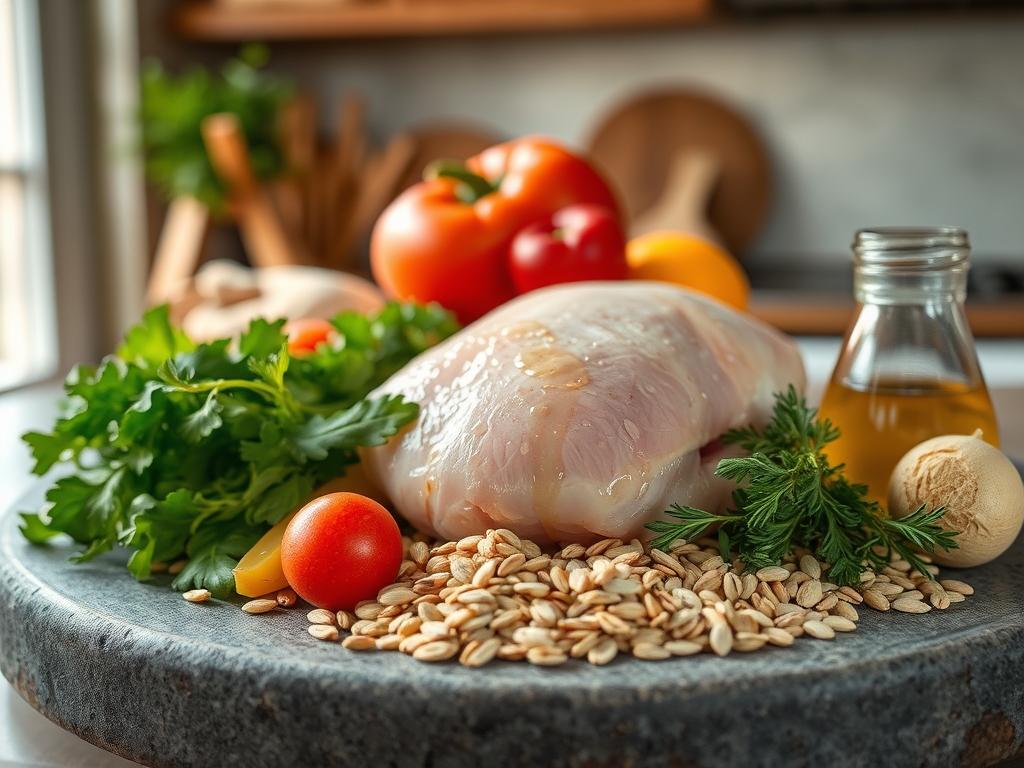
To master these savory chicken recipes, your mise-en-place must be surgical. Start with boneless, skinless chicken thighs. Thighs contain more myoglobin and connective tissue than breasts; this means they stay succulent even under high heat. You will need a digital scale to measure out forty grams of arrowroot powder. Arrowroot is a superior thickener to cornstarch because it creates a more transparent, viscous sauce that does not turn cloudy as it cools.
For the aromatics, reach for a microplane to grate fresh garlic and ginger into a fine paste. This increases the surface area, allowing the volatile oils to infuse the oil instantly. Your "Smart Substitutions" include liquid aminos instead of soy sauce to slash the sodium, and monk fruit sweetener or raw honey to replace refined white sugar. These swaps maintain the glycemic index while preserving that signature stickiness. Finally, ensure you have a bottle of rice vinegar; its acetic acid content is crucial for cutting through the richness of the protein.
The Clock
Efficiency in the kitchen is about "Chef's Flow," which is the art of overlapping tasks to minimize downtime. Total preparation takes twenty minutes, while the active cook time is a swift fifteen. The flow begins with the marinade. While the chicken sits, you prep the sauce and aromatics. This allows the salt in the marinade to begin denaturing the surface proteins of the meat, which helps it retain moisture during the sear.
The actual cooking process is a high-speed choreography. You will spend five minutes on the initial sear, three minutes on the aromatics, and two minutes for the sauce to emulsify and thicken. Because we are using a heavy-bottomed skillet, the heat retention is superior, meaning you won't experience temperature drops when adding ingredients. This precision ensures you aren't standing over the stove for an hour; you are in and out in under forty minutes.
1. The Velvet Dusting
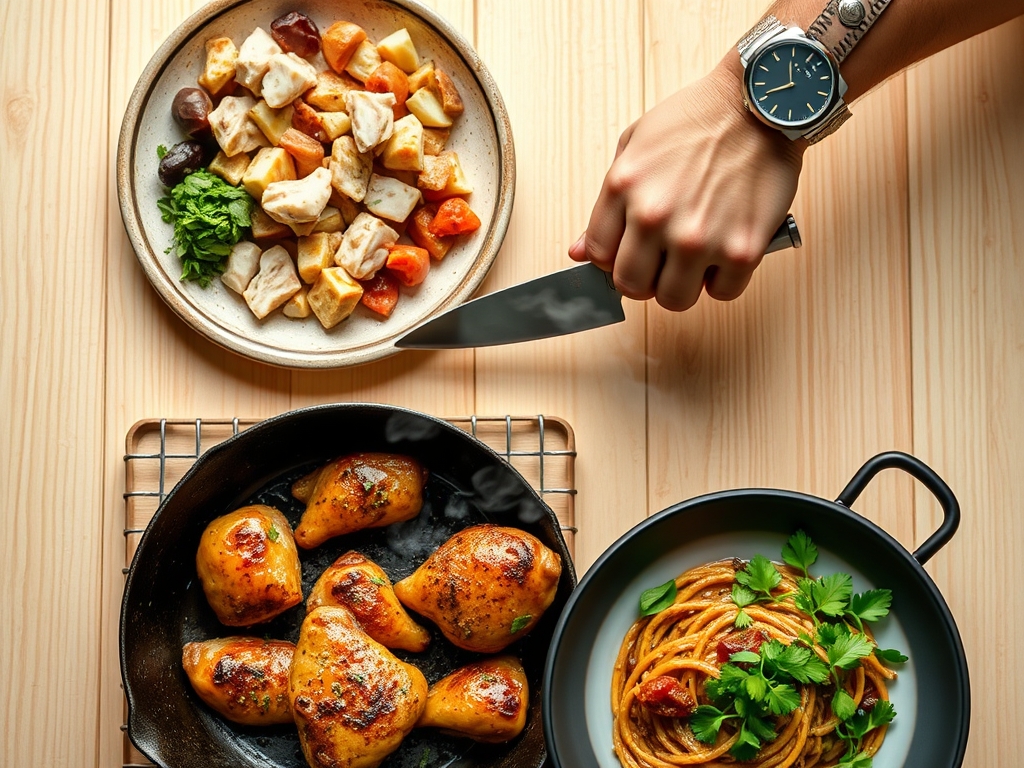
Pat the chicken completely dry with paper towels. Toss the cubes in a bowl with arrowroot powder, salt, and white pepper until a fine, dusty coating forms. Use a bench scraper to move the chicken without clumping.
Pro Tip: This technique, known as velveting, creates a protective barrier. The starch prevents the muscle fibers from tightening too quickly, which avoids the "rubbery" texture often found in overcooked poultry.
2. The High-Heat Sear
Heat two tablespoons of avocado oil in your skillet until it reaches the smoke point. Add the chicken in a single layer, using tongs to ensure no pieces are overlapping. Let them sit undisturbed for three minutes.
Pro Tip: Resist the urge to move the meat. This allows for enzymatic browning, also known as the Maillard reaction. This chemical reaction between amino acids and reducing sugars is what creates the savory "browned" flavor profile.
3. The Aromatic Bloom
Push the chicken to the perimeter of the pan. Add the minced garlic, ginger, and dried red chilies to the center. Stir for exactly thirty seconds until the kitchen smells like heaven.
Pro Tip: This is called "blooming" the spices. The fat-soluble flavor compounds in the aromatics are released into the oil, which then coats the chicken, ensuring the flavor is integrated rather than just sitting on top.
4. The Deglaze and Emulsify
Whisk your sauce ingredients (liquid aminos, honey, vinegar, and a splash of broth) in a saucier. Pour it into the hot skillet. Use a wooden spoon to scrape up any browned bits from the bottom of the pan.
Pro Tip: This process is deglazing. Those browned bits, or "fond," are concentrated flavor bombs. As the liquid reduces, the starch from the chicken will naturally thicken the sauce into a glossy glaze.
5. The Final Aeration
Turn off the heat and toss the chicken one last time to ensure every nook and cranny is coated. Sprinkle with toasted sesame seeds and sliced scallions.
Pro Tip: Residual heat, or thermal carryover, will finish the cooking process. Pulling the pan off the burner now prevents the chicken from drying out and keeps the sauce from breaking into an oily mess.
The Deep Dive
When we look at the macro nutrition of this version versus the traditional recipe, the results are staggering. By ditching the deep fryer, we reduce the fat content by nearly sixty percent. A standard serving of this healthy General Tso's provides approximately thirty-five grams of protein and only twelve grams of net carbs. It is a powerhouse meal that supports muscle recovery without the "food coma" associated with high-sugar takeout.
For my friends with dietary restrictions, this recipe is a chameleon. Vegan Swap: Use extra-firm tofu that has been pressed for thirty minutes to remove moisture. Keto Swap: Replace the arrowroot with xanthan gum (use sparingly!) and use liquid stevia as the sweetener. GF Swap: Ensure your liquid aminos are certified gluten-free.
If you hit a snag, don't panic. If your sauce is too thick, whisk in a tablespoon of warm water to loosen the viscosity. If the chicken isn't crispy, your pan likely wasn't hot enough; next time, wait for the oil to shimmer. If the sauce tastes too salty, a tiny squeeze of lime juice will provide the necessary acid to balance the sodium. For meal prep, store the sauce separately if possible. If already combined, reheat in a skillet over medium heat with a teaspoon of water to "re-hydrate" the glaze to its original glory.
The Wrap-Up
You have officially mastered the science of the healthy sear. By focusing on high-quality ingredients and technical precision, you have elevated a humble chicken dish into a gourmet, body-fueling masterpiece. Remember, cooking is just delicious chemistry. Use your tools, trust the heat, and never settle for a bland meal. You now have the secrets to making savory chicken recipes that are as smart as they are satisfying. Now, grab a fork and enjoy the crunch you earned.
The Kitchen Table
Can I use chicken breast instead of thighs?
Yes, but be careful. Breasts have less fat and dry out quickly. To keep them moist, reduce the searing time by one minute and ensure you do not skip the starch-dusting step to lock in the internal juices.
Why is my sauce cloudy instead of clear?
Cloudiness usually happens if you use flour instead of arrowroot or cornstarch. It can also occur if the sauce hasn't reached a simmer. Heat the liquid until it bubbles; this "activates" the starch, making it transparent and glossy.
What is the best oil for high-heat searing?
Use oils with a high smoke point like avocado, grapeseed, or refined peanut oil. Avoid extra virgin olive oil or butter for the initial sear, as they will burn and create a bitter, acrid flavor at high temperatures.
How do I make the chicken extra spicy?
The heat lives in the ribs and seeds of the dried chilies. To increase the "piquant" factor, crush the dried peppers before adding them to the pan. This releases the capsaicin directly into the cooking oil for a deeper burn.