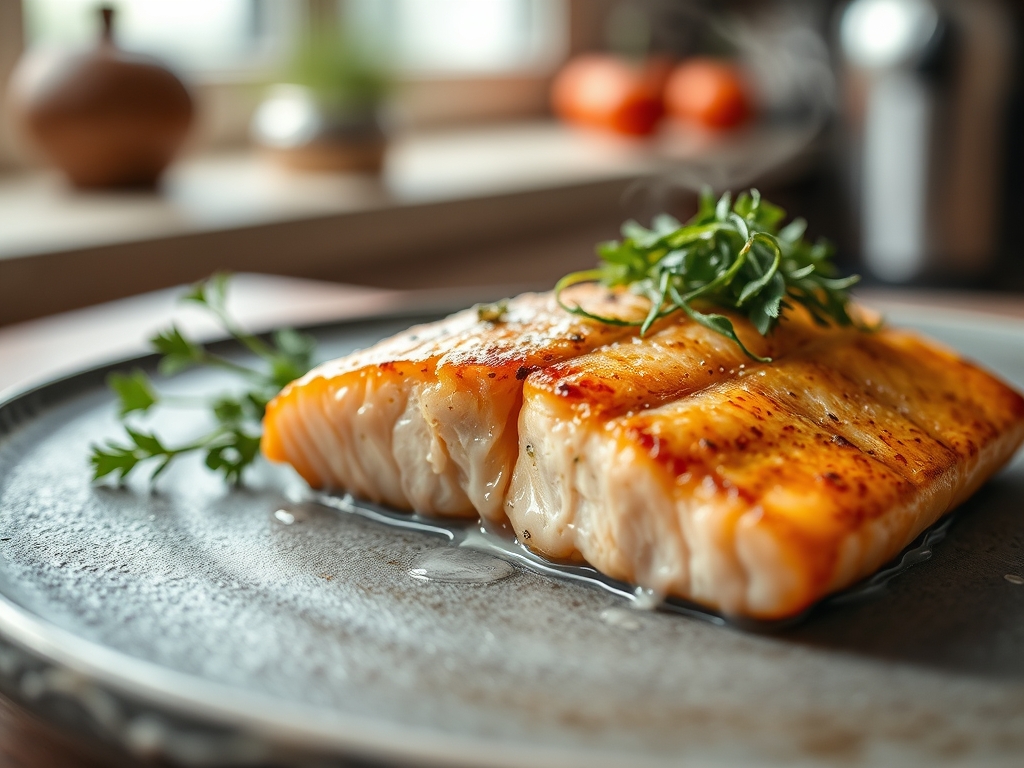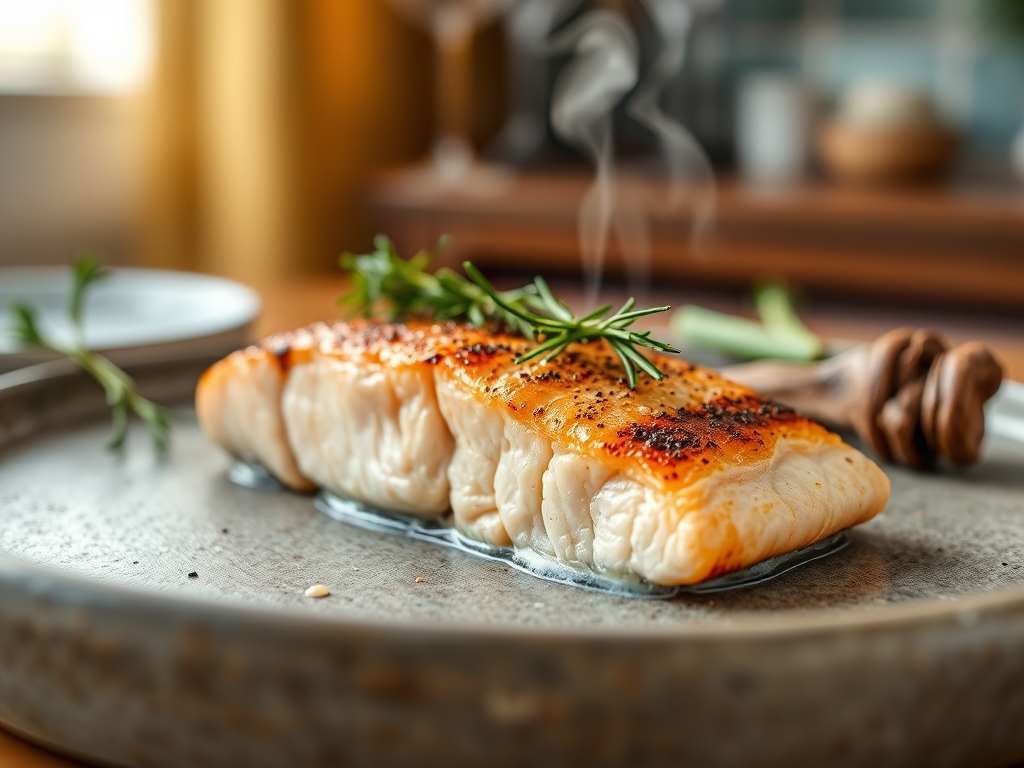
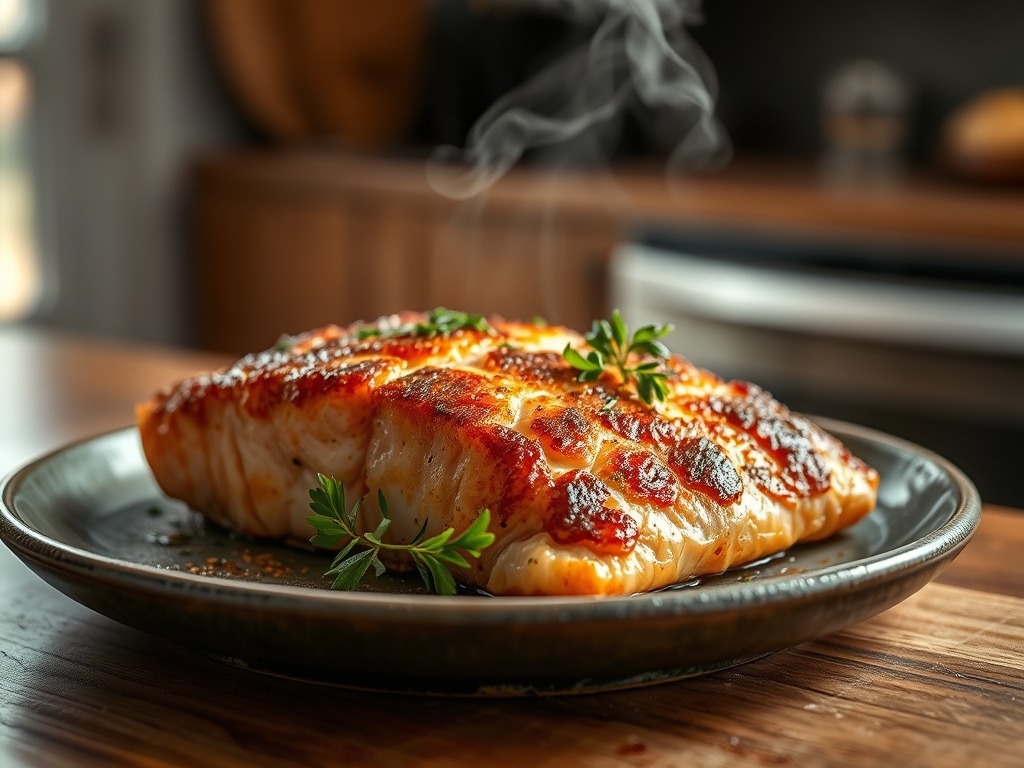
Imagine a sound so satisfying it rivals the crunch of a fresh autumn leaf or the snap of a cold wafer. That is the auditory reward of mastering crispy air fryer salmon recipes. We are talking about a fillet so structurally sound that the skin shatters like glass, while the interior remains a translucent, buttery medium-rare. Achieving this contrast is not just luck; it is a calculated manipulation of moisture and heat. Most home cooks struggle with soggy skin or dry, chalky flesh because they ignore the thermodynamics of the air fryer basket. Today, we are moving beyond the basic weeknight dinner and into the realm of professional culinary styling. We will use high-velocity air to mimic the effects of a deep fryer without the oil-heavy cleanup. Grab your favorite apron and a glass of something crisp. We are about to turn your kitchen into a high-tech bistro where the salmon is always golden, the skin is always crackling, and the chef is undeniably the smartest person in the room.
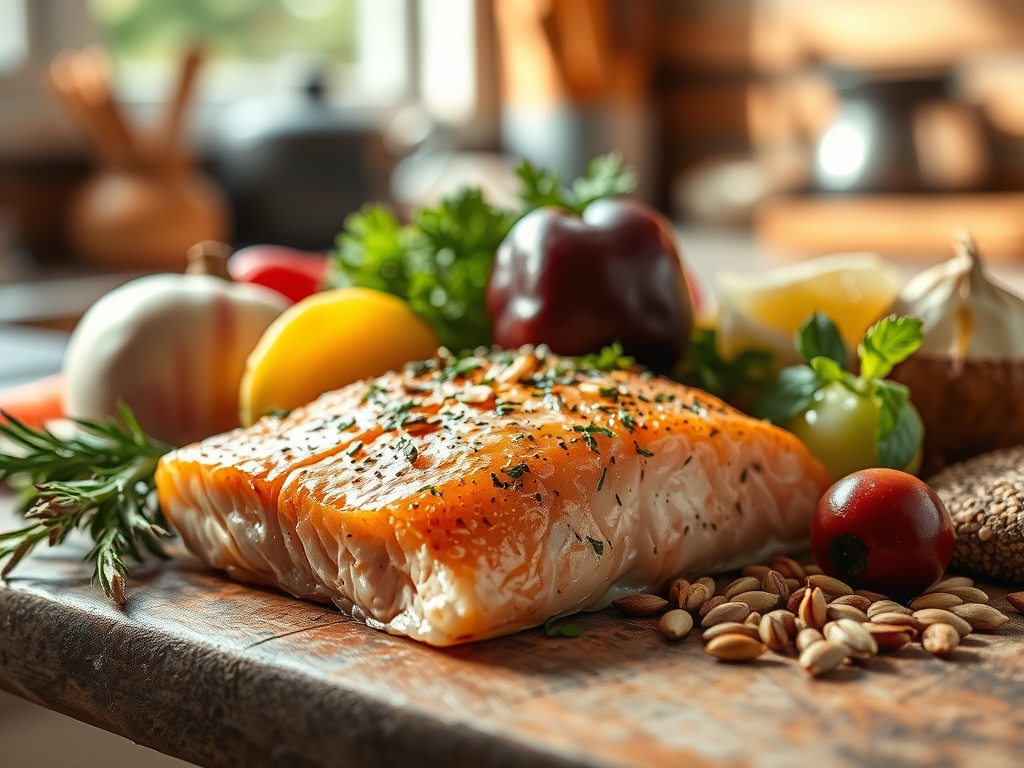
The Gathers:
To achieve the ultimate texture, we must curate our mise-en-place with precision. Start with center-cut Atlantic or King salmon fillets, ideally six to eight ounces each. You want uniform thickness so the heat distribution remains consistent across the entire protein. You will need a high-smoke-point oil like avocado or grapeseed; avoid extra virgin olive oil here as its low smoke point will acridly oxidize under the intense convection of the air fryer. For the seasoning, we require kosher salt for its jagged crystal structure that draws out moisture, and a piquant blend of smoked paprika, garlic powder, and a touch of light brown sugar to encourage the Maillard reaction.
Smart Substitutions: If you are avoiding sugar, replace it with a dusting of cornstarch or arrowroot powder. These starches act as desiccants, absorbing surface moisture to create an ultra-thin, crunchy pellicle. For a flavor pivot, use a microplane to zest fresh lemon and ginger into your dry rub, adding a bright, aromatic lift that cuts through the fish's natural lipids. Ensure your digital scale is handy to weigh your portions, ensuring every guest receives the same caloric density and cook time.
The Clock: Chef's Flow
Efficiency in the kitchen is about the "Chef's Flow," a sequence where no movement is wasted. Your total active prep time is exactly ten minutes. This includes the critical "drying phase" where the salmon sits at room temperature. The actual cook time ranges from eight to twelve minutes depending on the thickness of the fillet.
The flow works like this: Preheating the air fryer is non-negotiable. While the machine reaches its target of 400 degrees Fahrenheit, you are patting the fish dry and applying the rub. By the time the timer dings, your salmon is primed for the basket. Factor in a three-minute rest period post-cook. This allows for thermal carryover, where the internal temperature rises slightly while the juices redistribute, preventing that tragic "leakage" of flavor when you finally flake into it with a fork.
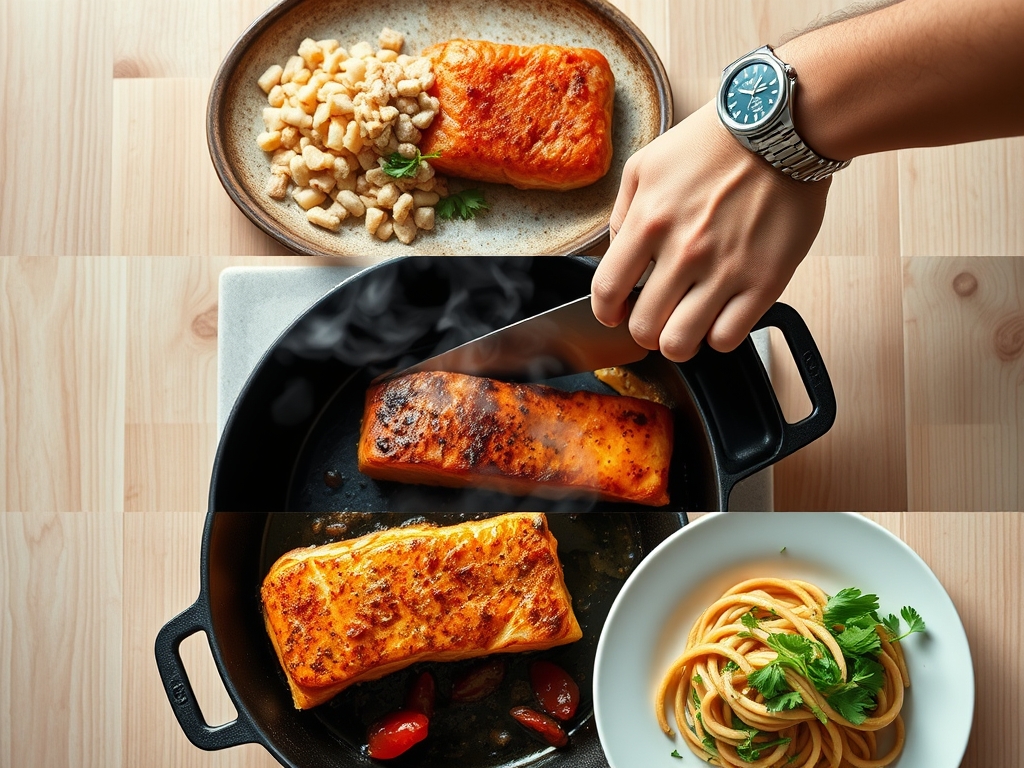
The Masterclass:
1. The Desiccation Ritual
The enemy of "crispy" is moisture. Use a heavy-duty paper towel to press firmly onto the skin and flesh sides of the salmon. You want the surface to feel tacky, not wet.
Pro Tip: This step prevents the formation of steam. If the surface is wet, the air fryer spends the first five minutes evaporating water instead of rendering fat. By removing moisture, you jumpstart the Maillard reaction, the chemical reaction between amino acids and reducing sugars that gives browned food its distinctive flavor.
2. The Oil Barrier
Lightly coat the fillets with your high-smoke-point oil. Do not pour; use a silicone brush or an oil mister for an even, viscous coating.
Pro Tip: Oil acts as a heat conductor. In a convection environment, the oil fills the microscopic crevices of the fish skin, ensuring that every millimeter of the surface reaches the temperature necessary to render the subcutaneous fat.
3. The Seasoning Anchor
Sprinkle your dry rub from about twelve inches above the fish. This ensures an even distribution without clumping. Press the spices gently into the flesh so they adhere during the high-velocity air circulation.
Pro Tip: Salt acts as a denaturant. It begins to break down the tightly wound proteins on the surface, allowing them to reform into a crisp crust. Use a bench scraper to clean your station immediately after seasoning to avoid cross-contamination.
4. The Preheated Basket
Place the fillets skin-side up in a preheated air fryer basket. Leave at least an inch of space between each piece to allow the air to aerate and circulate freely.
Pro Tip: Starting skin-side up allows the most intense heat to hit the skin first. This creates a "shield" effect, protecting the delicate flesh underneath from overcooking while the skin transforms into a savory crackling.
5. The Flip and Glaze
Halfway through the cooking cycle, use tongs to carefully flip the salmon. If you are using a glaze, like a maple-soy reduction, apply it now using a small saucier and brush.
Pro Tip: Applying glaze too early results in burnt sugars. By waiting until the final three minutes, you allow the glaze to reduce into a sticky, lacquered finish without carbonizing the ingredients.
6. The Internal Temp Check
Use an instant-read thermometer to pull the salmon when it hits 125-130 degrees Fahrenheit for a perfect medium.
Pro Tip: This accounts for thermal carryover. The internal temperature will continue to climb about five degrees once removed from the heat. Pulling it early ensures the center remains succulent rather than fibrous.
7. The Rest Period
Transfer the salmon to a warm plate and let it sit undisturbed for three minutes.
Pro Tip: Resting allows the muscle fibers to relax. During cooking, they contract and push moisture toward the center. Resting allows that moisture to move back toward the edges, ensuring every bite is equally hydrated.
The Deep Dive:
Macro Nutrition: A standard six-ounce serving provides roughly 340 calories, 34 grams of high-quality protein, and 21 grams of healthy fats, including essential Omega-3 fatty acids. It is a metabolic powerhouse that supports brain health and inflammation reduction.
Dietary Swaps:
- Vegan: Try this method with extra-firm tofu pressed for 30 minutes. Use a touch of liquid smoke to mimic the salmon's depth.
- Keto: Eliminate the brown sugar and use an erythritol-based sweetener or simply double down on smoked paprika and cumin.
- GF: This recipe is naturally gluten-free; just ensure your spices are not processed with wheat-based anti-caking agents.
The Fix-It:
- Soggy Skin: Your air fryer wasn't hot enough. Always preheat for at least 5 minutes.
- White Stuff (Albumin): Those white beads are albumin, a protein that pushes out when salmon cooks too fast or too long. Lower your temp by 15 degrees next time.
- Sticking: The basket wasn't seasoned. Rub a tiny bit of oil on the grates before preheating.
Meal Prep: To reheat and maintain "day-one" quality, avoid the microwave. Place the salmon back in the air fryer at 350 degrees for 3 to 4 minutes. This re-crisps the exterior without turning the interior into rubber.
The Wrap-Up:
Mastering crispy air fryer salmon recipes is your ticket to a five-star dinner in under twenty minutes. By focusing on moisture control, heat conduction, and the science of the Maillard reaction, you have elevated a simple protein into a culinary masterpiece. Remember, the secret is in the prep: dry the skin, preheat the basket, and respect the rest. Now, go forth and crunch!
The Kitchen Table:
How do I get the skin extra crispy?
The secret is total desiccation. Pat the skin with paper towels until it is bone-dry. Use a high-smoke-point oil and cook the salmon skin-side up first to allow the convection air to render the fat immediately.
Why does my salmon have white gunk on it?
That white substance is albumin, a harmless protein. It appears when salmon is cooked too quickly or at a temperature that is too high, causing the muscle fibers to contract and squeeze the protein to the surface.
Can I cook frozen salmon in the air fryer?
Yes, but you will sacrifice the ultimate crunch. Air fry at 350 degrees for 7 minutes to thaw, then increase to 400 degrees for another 5 to 8 minutes to crisp the exterior and finish the center.
Do I need to use parchment paper?
While parchment makes cleanup easier, it can block airflow. For the crispiest results, place the salmon directly on the greased air fryer rack. If you must use paper, use the perforated version designed for air fryers.