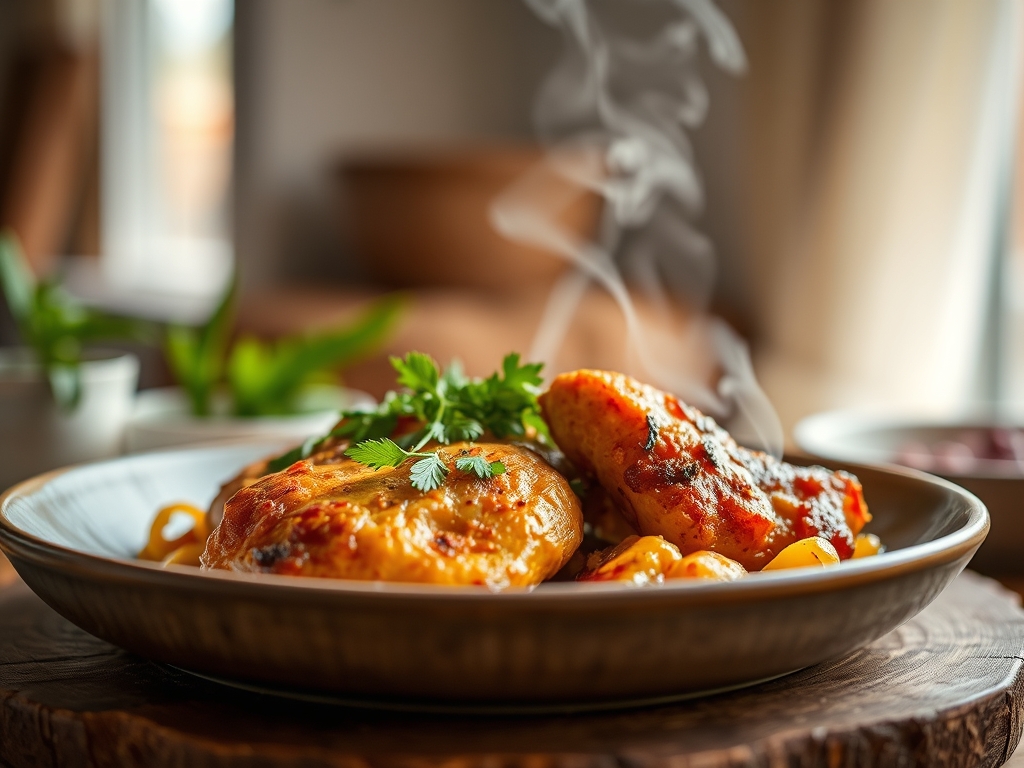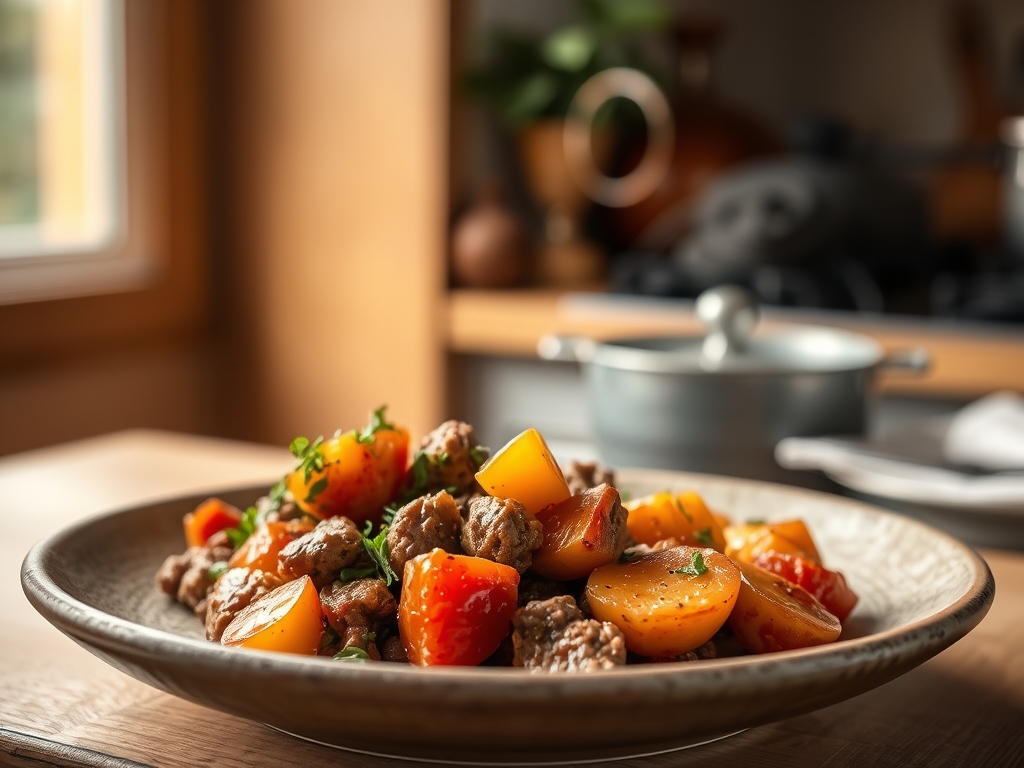

Close your eyes and imagine the scent of toasted cumin and blooming garlic hitting a hot base of ghee. That intoxicating aroma is the hallmark of the best instant pot chicken recipes, where high-pressure steam forces spices deep into the muscle fibers in record time. We are moving beyond basic stews into the realm of professional-grade Indian soul food.
Whether you are craving a piquant Vindaloo or a velvety Butter Chicken, the Instant Pot is your secret weapon for achieving that "slow-cooked" depth without the four-hour commitment. This is not just about convenience; it is about precision. By controlling the internal atmospheric pressure, we can manipulate the boiling point of liquids, allowing us to tenderize tough proteins while preserving the delicate volatile oils in our spices.
I have spent years tweaking these nine variations to ensure they work perfectly in a pressurized environment. We are going to master the art of the deglaze, the science of the natural pressure release, and the magic of Maillard-driven flavor bases. Grab your favorite apron and a glass of wine; we are about to turn your kitchen into the best curry house in town.
The Gathers:
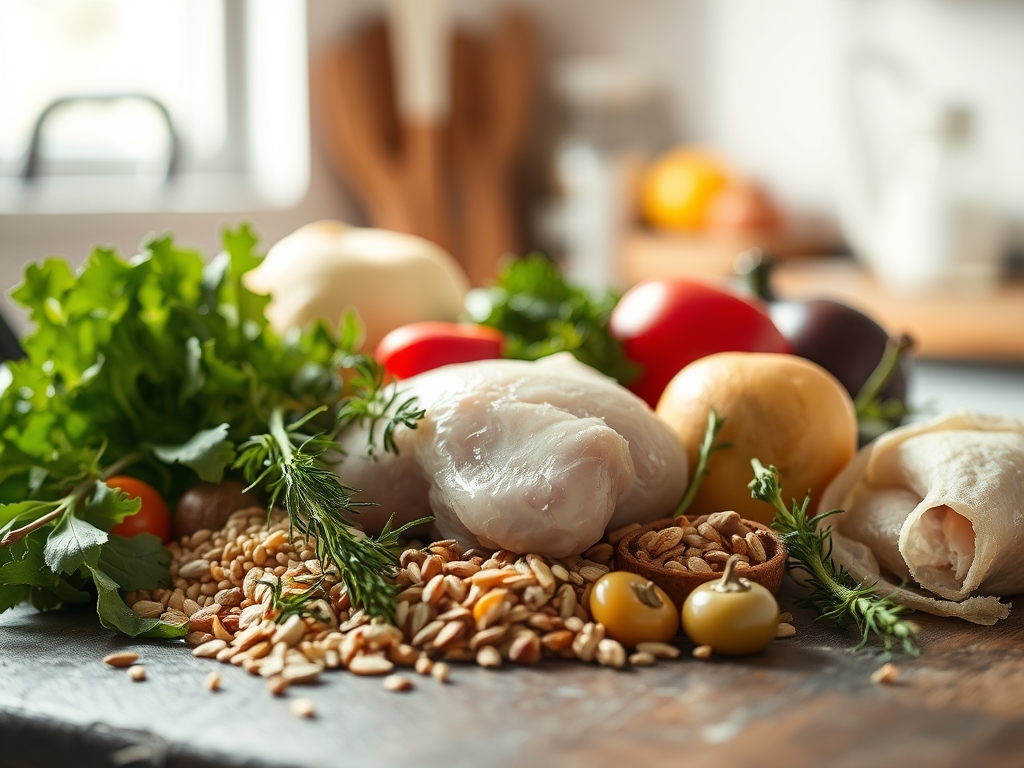
To achieve restaurant-quality results, your mise-en-place must be impeccable. We start with high-quality chicken thighs; the higher fat content ensures the meat remains succulent under pressure rather than turning stringy. You will need a digital scale to measure your spices precisely, as Indian cooking is a game of ratios.
Our flavor foundation relies on the "Holy Trinity" of Indian aromatics: ginger, garlic, and red onions. Use a microplane to grate your ginger and garlic into a fine paste; this increases the surface area, allowing the aromatics to melt into the sauce and create a viscous texture. For spices, ensure your Garam Masala is fresh. If it has been sitting in your pantry for over six months, the essential oils have likely oxidized, leaving you with a flat, dusty flavor profile.
Smart Substitutions:
If you are out of heavy cream, a dollop of full-fat Greek yogurt or cashew cream provides the same luxurious mouthfeel. Instead of ghee, a neutral oil with a high smoke point works, though you will lose that nutty, rendered depth. If you cannot find Kashmiri chili powder, a mix of paprika and a pinch of cayenne will replicate that vibrant red hue without overwhelming heat.
The Clock
Efficiency in the kitchen is all about the "Chef's Flow." For these nine recipes, expect a prep time of 15 to 20 minutes and a pressurized cook time of 8 to 12 minutes. However, the true clock-watcher knows that the "Total Time" includes the period it takes for the pot to come to pressure and the crucial Natural Pressure Release (NPR).
Total "Active" Time: 35 minutes.
Total "Passive" Time: 15 minutes.
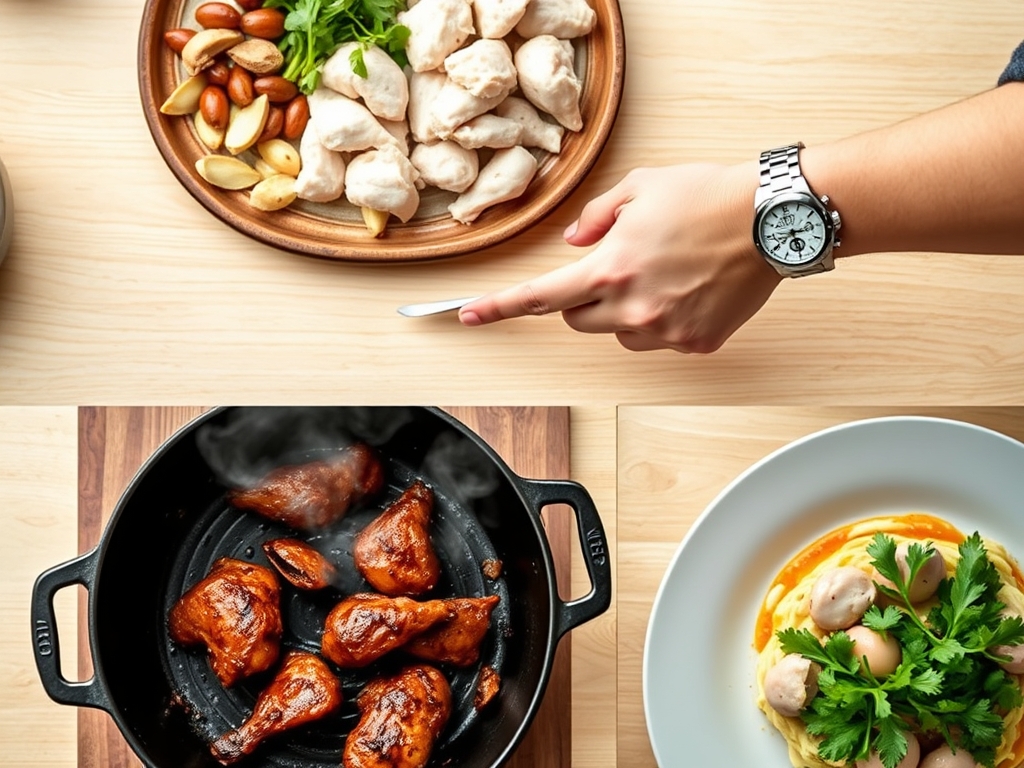
The flow is simple: while the chicken sautés, you prep your finishing herbs. While the pot is under pressure, you clean your bench scraper and prep your sides. This ensures that by the time the pin drops, your kitchen is tidy and your basmati rice is fluffy.
The Masterclass
1. The Sauté and Sear
Turn your Instant Pot to the "Sauté" function and wait for the display to read "Hot." Add your fat and sear the chicken in batches using stainless steel tongs. Do not crowd the liner; we want a golden-brown crust, not gray, steamed meat.
Pro Tip: This stage triggers the Maillard reaction, a chemical reaction between amino acids and reducing sugars that creates hundreds of different flavor compounds. Without this sear, your chicken will lack complexity.
2. Blooming the Aromatics
Remove the chicken and add your onions. Use a wooden spoon to scrape up the "fond" (the brown bits stuck to the bottom). Add your spices now to "bloom" them in the fat. This process releases fat-soluble flavor compounds that water-based simmering cannot extract.
Pro Tip: Spices contain volatile oils that are trapped within their cellular structure. Heat acts as a catalyst, infusing the fat with a deeper, more resonant flavor profile.
3. The Deglaze
Add a splash of water, stock, or tomato puree. Use your spoon to ensure the bottom of the pot is completely clean. This is the most critical step to avoid the dreaded "Burn" notice on your display.
Pro Tip: Deglazing is a mechanical process of solubilization. By dissolving the caramelized proteins into the liquid, you are effectively building the base of your sauce while protecting the heating element.
4. The Pressure Phase
Return the chicken to the pot, lock the lid, and set to High Pressure. Ensure the steam vent is set to "Sealing." For these Indian-style recipes, 8 minutes is usually the "Sweet Spot" for thighs.
Pro Tip: Under pressure, the boiling point of water rises to 250 degrees Fahrenheit. This allows for rapid hydrolysis of collagen into gelatin, resulting in meat that falls apart with a fork.
5. The Natural Release
Once the timer beeps, let the pot sit for at least 10 minutes before manually releasing the remaining steam. This prevents the muscle fibers from "shocking" and squeezing out all their moisture.
Pro Tip: This is known as thermal carryover. The internal temperature continues to rise slightly while the pressure stabilizes, ensuring the chicken remains hydrated and tender.
6. The Emulsification
Open the lid and stir in your finishing fats, like butter or cream. Use a saucier whisking motion to incorporate the fats smoothly. If the sauce is too thin, use the Sauté function for 2 minutes to reduce the liquid.
Pro Tip: Emulsification is the process of combining two liquids that usually do not mix. By whisking in cold butter at the end, you create a stable, viscous sauce that coats the back of a spoon.
The Deep Dive
Macro Nutrition:
On average, a serving of these chicken recipes contains 320 calories, 28g of protein, and 12g of fat. By swapping heavy cream for coconut milk, you can maintain the fat macros while shifting to plant-based lipids.
Dietary Swaps:
- Keto: Replace onions with leeks to lower carb counts and serve over cauliflower rice.
- Vegan: Use extra-firm tofu or chickpeas. Reduce pressure time to 5 minutes to avoid mushy textures.
- Gluten-Free: All these recipes are naturally GF; just ensure your spice blends do not contain anti-caking agents like flour.
The Fix-It:
- Too Salty: Add a peeled potato and simmer for 5 minutes; the starch absorbs excess sodium.
- Too Thin: Whisk a teaspoon of cornstarch with cold water to create a slurry and stir it in.
- Too Spicy: Stir in a tablespoon of honey or more cream to coat the palate and neutralize the capsaicin.
Meal Prep Science:
Indian food famously tastes better the next day. This is due to syneresis and the continued diffusion of spices into the proteins. To reheat, add a tablespoon of water and microwave covered to create a mini-steam environment, preventing the chicken from becoming rubbery.
The Wrap-Up
Mastering the best instant pot chicken recipes is about more than just pressing buttons; it is about understanding the chemistry of heat and pressure. By following these steps, you have transformed raw ingredients into a complex, aromatic masterpiece. Remember, the key is in the sear and the patience of the natural release. Now, go grab some warm naan and enjoy the fruits of your scientific labor!
The Kitchen Table
Can I use frozen chicken in the Instant Pot?
Yes, you can cook frozen chicken directly. Increase the pressure cook time by 5 minutes. Ensure the pieces are separated so the heat can circulate evenly and reach a safe internal temperature of 165 degrees Fahrenheit.
Why did I get a "Burn" notice?
The "Burn" notice usually means bits of food are stuck to the bottom. This prevents the sensor from reading the temperature correctly. Always deglaze thoroughly with liquid and scrape the bottom before starting the pressure cycle.
Is natural release better than quick release?
For proteins, natural release is superior. Quick release causes a sudden drop in pressure, which can boil the moisture right out of the meat fibers, leaving the chicken dry and tough. Patience yields the best texture.
How do I make the sauce thicker?
Use the Sauté function after pressure cooking. Leave the lid off and let the sauce simmer. This allows water to evaporate, concentrating the flavors and increasing the viscosity of your gravy until it reaches your desired consistency.