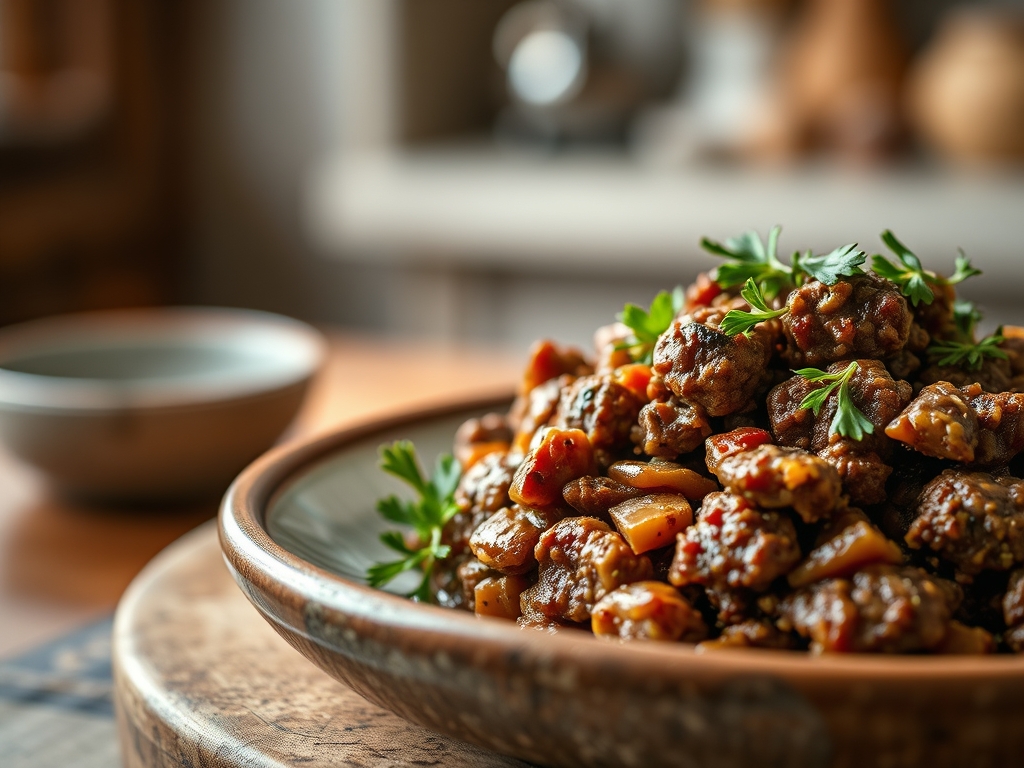
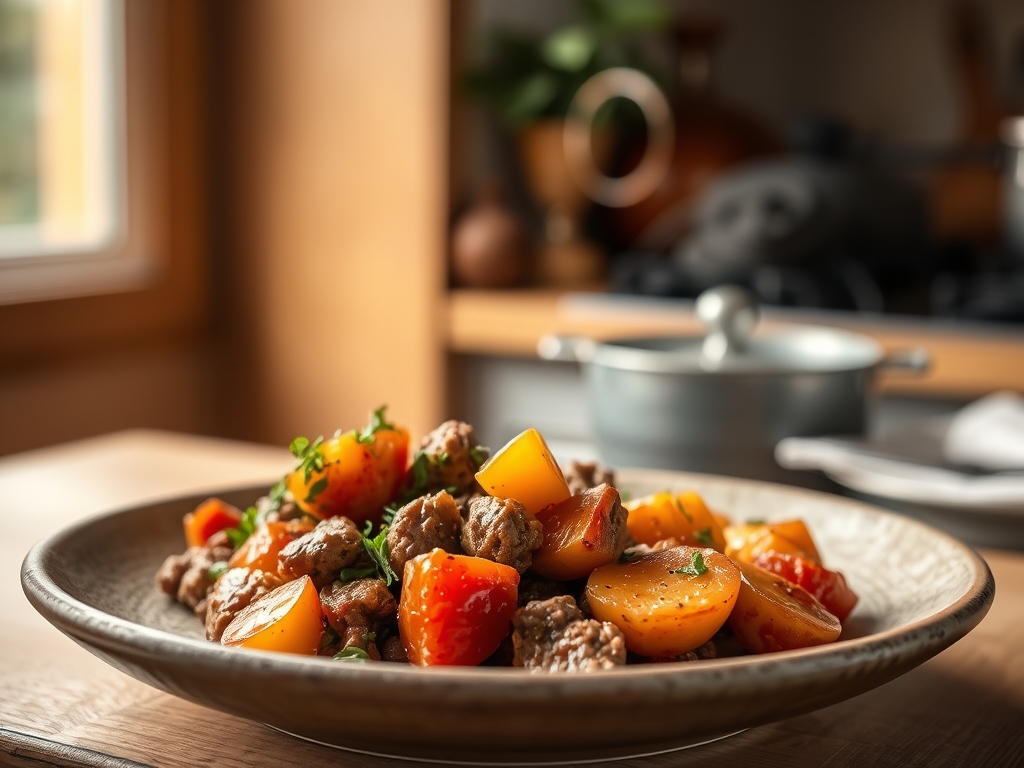
Picture the sizzle as cold iron hits the flame. There is a specific, primal joy in watching crimson-skinned spuds crisp up alongside savory crumbles of protein. If you are hunting for red potato and ground beef recipes that actually deliver on texture, you have arrived at the right place. We are moving beyond the soggy "hash" of yesteryear into a world of high-heat searing and deep flavor development.
Red potatoes are the secret weapon of the skillet world. Unlike their starchy Russet cousins, these waxy beauties hold their structural integrity through intense sautéing. When paired with high-quality ground beef, they create a nutritional powerhouse that balances complex carbohydrates with dense amino acids. This is not just a meal; it is a lesson in heat management and moisture control. We are going to harness the Maillard reaction to turn humble ingredients into a five-star dinner. Whether you are meal prepping for a busy week or hosting a casual Sunday brunch, these red potato and ground beef recipes provide the perfect canvas for your culinary creativity. Grab your favorite heavy-bottomed skillet and let us get to work.
The Gathers:
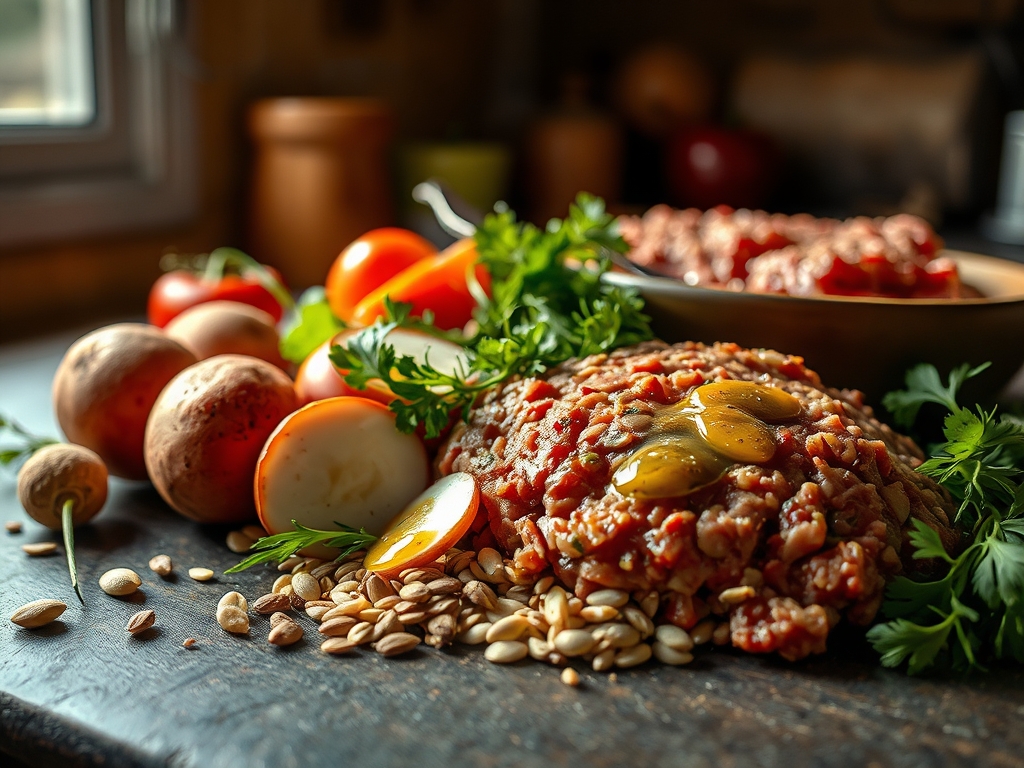
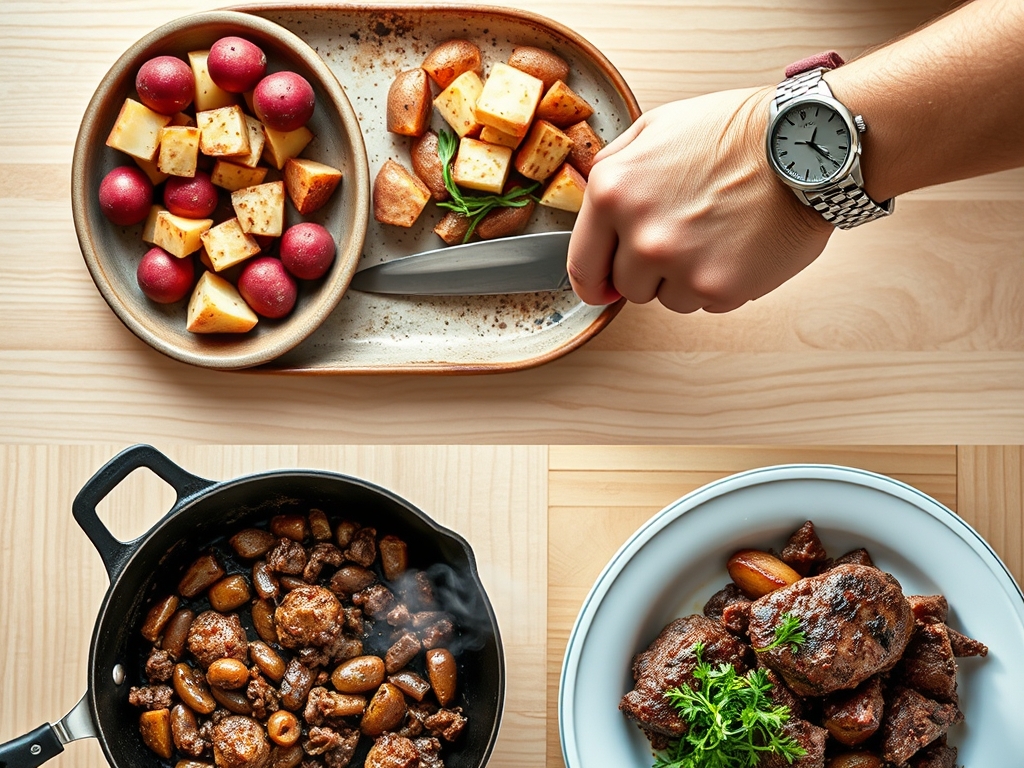
Setting the stage for a perfect skillet requires more than just tossing things in a pan. We need a disciplined mise-en-place to ensure every component cooks at its optimal rate. Start with two pounds of small red potatoes. We want these specifically for their thin, anthocyanin-rich skins which provide a piquant snap when seared. Use a bench scraper to move your uniform cubes from the cutting board to a bowl of cold water; this removes surface starch and prevents premature browning.
For the protein, select a 90/10 lean ground beef. This ratio provides enough fat to render and coat the potatoes without leaving the dish feeling greasy or viscous. You will also need a large yellow onion for its high sugar content, three cloves of garlic, and a bunch of fresh rosemary.
Smart Substitutions:
If you are looking to lighten the profile, ground turkey or bison works beautifully, though you may need to add a teaspoon of avocado oil to compensate for the lower fat content. For those avoiding nightshades, cubed celery root offers a similar texture to the potatoes with a more earthy, herbal finish. Always use a digital scale for your spices to ensure the salt-to-fat ratio is perfectly balanced every single time.
The Clock
Efficiency in the kitchen is about "Chef's Flow." This is the art of overlapping tasks so that no heat is wasted. Your total active prep time is 15 minutes, with a cook time of approximately 25 minutes.
The flow begins with the potatoes. While they par-boil or sear, you are dicing your aromatics. Never wait for one ingredient to finish before prepping the next. By the time the beef is ready to be deglazed, your herbs should already be minced and ready to infuse. This staggered approach ensures that the garlic never burns while the potatoes are still raw in the middle.
The Masterclass
1. The Par-Cook Strategy
Place your cubed red potatoes in a pot of cold salted water and bring to a boil for exactly five minutes. We are looking for "fork-tender" but not mushy. Drain them and let them steam dry for two minutes.
Pro Tip: This process utilizes retrogradation. By partially cooking and then cooling the potato, the starches crystallize. This ensures the inside stays fluffy while the outside develops a shatteringly crisp crust once it hits the hot oil.
2. Rendering the Protein
Heat your heavy-bottomed skillet over medium-high heat. Add the ground beef, breaking it apart with a wooden spoon. Do not over-stir. Let it sit for three minutes to develop a deep brown crust.
Pro Tip: This is the Maillard reaction in action. By resisting the urge to stir, you allow amino acids and reducing sugars to reorganize, creating hundreds of different flavor compounds that simply do not exist in gray, boiled meat.
3. The Aromatic Infusion
Once the beef is browned, push it to the perimeter of the pan. Add your diced onions and garlic to the center, using the rendered beef fat as your cooking medium. Use a microplane to zest in a bit of lemon for brightness.
Pro Tip: Fat is a flavor carrier. By sautéing the aromatics directly in the beef fat, you aerate the volatile oils in the garlic and onions, distributing their scent and flavor throughout the entire dish.
4. The Golden Sear
Add the par-cooked potatoes into the skillet with the beef and onions. Increase the heat slightly. Toss every few minutes until the potato skins are blistered and golden.
Pro Tip: Watch for enzymatic browning. The high heat causes the remaining sugars in the potato skins to caramelize. If the pan looks dry, add a tablespoon of butter; the milk solids will toast and provide a nutty aroma.
5. The Final Deglaze
Pour in a splash of beef stock or dry white wine. Use your spatula to scrape up all the brown bits stuck to the bottom of the pan. Finish with a handful of fresh parsley and a crack of black pepper.
Pro Tip: This is called deglazing. Those brown bits, known as "fond," contain the most concentrated flavor of the dish. The liquid lifts them off the iron and incorporates them into a light, savory sauce that coats every cube.
The Deep Dive
From a macro perspective, this dish is a balanced powerhouse. A standard serving provides roughly 35g of protein, 40g of complex carbohydrates, and 12g of fat. It is naturally gluten-free, making it a safe bet for sensitive diners.
Dietary Swaps:
For a Keto-friendly version, swap the potatoes for roasted cauliflower florets. If you are going Vegan, use a pea-protein crumble and increase the smoked paprika to mimic the umami of the beef.
The Fix-It:
- Soggy Potatoes: Usually caused by overcrowding the pan. Cook in batches if your skillet is small to allow steam to escape.
- Burnt Garlic: This happens when garlic is added too early. Always add it during the last 60 seconds of the aromatic sauté.
- Dry Beef: If using ultra-lean beef, add a tablespoon of tomato paste. The pectin in the tomato helps retain moisture.
Meal Prep Science:
To maintain "day-one" quality, reheat your skillet in an air fryer or back in a dry pan. Microwaving causes the potato cell walls to collapse, resulting in a rubbery texture. A quick flash of dry heat reactivates the fats and recrisps the edges.
The Wrap-Up
Mastering red potato and ground beef recipes is a gateway to confident, intuitive cooking. You have learned how to manage starch, harness the power of a hard sear, and use deglazing to capture every ounce of flavor. This skillet is more than just a quick Tuesday night dinner; it is a testament to how simple ingredients, treated with scientific respect, can create something truly extraordinary. Now, take that skillet to the table and enjoy the fruits of your labor!
The Kitchen Table
Can I use Russet potatoes instead of red?
You can, but Russets are starchier and prone to breaking apart. Red potatoes are waxy and hold their shape better during the high-heat flipping required for a skillet, ensuring a much better texture and presentation.
How do I prevent the beef from getting tough?
Avoid over-working the meat. Break it into large chunks and let it sear undisturbed. Use a digital thermometer to ensure you pull the pan off the heat once the beef reaches 160°F to prevent moisture loss.
What is the best way to store leftovers?
Store in an airtight glass container for up to four days. Glass is non-porous and won't absorb the garlic oils. For the best texture, reheat in a skillet with a teaspoon of oil to restore the potato's crispness.
Why are my potatoes sticking to the pan?
This usually happens if the pan isn't hot enough or if you haven't used enough fat. Ensure the oil is shimmering before adding potatoes, and don't flip them until they naturally release from the surface.