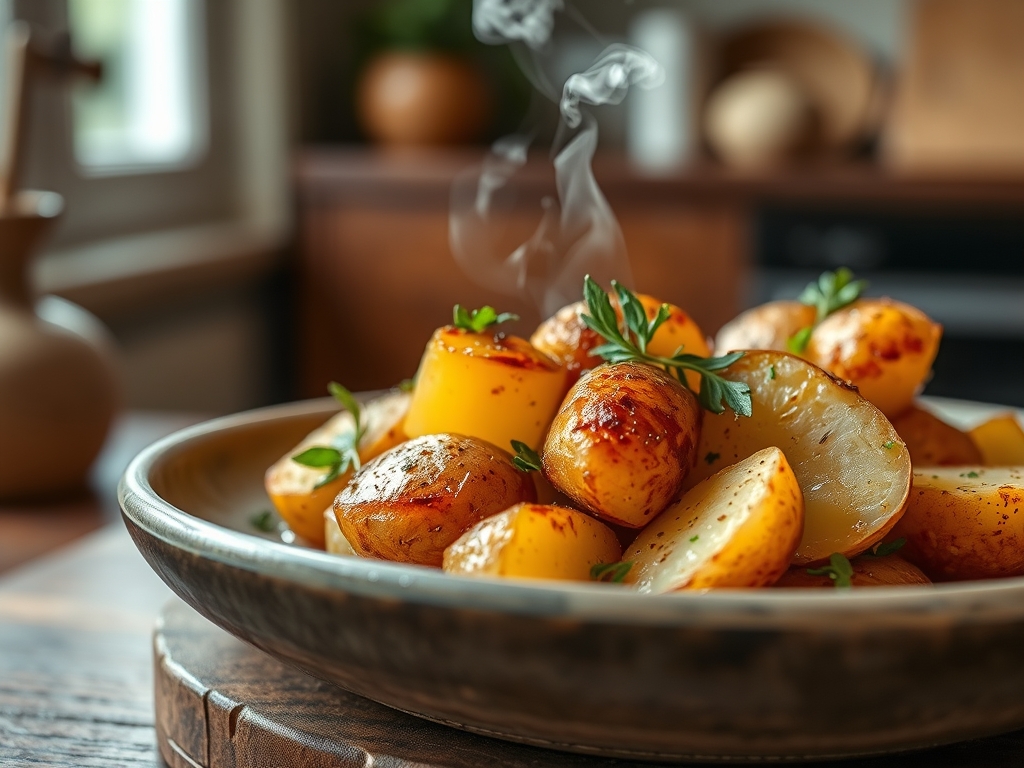
Picture a sun-drenched kitchen where the air smells of crushed mint and salted butter. You are holding a handful of marble-sized gems, their skins so thin they practically flake away under your thumb. When we talk about new potato recipes boiled to perfection, we are not just talking about side dishes; we are discussing the pinnacle of seasonal alchemy. These immature tubers are harvested before their sugars fully convert to starch, resulting in a waxy, creamy interior that defies the grainy texture of a standard Russet.
To master this, you have to respect the biology of the spud. Unlike older potatoes, new potatoes possess a high moisture content and a delicate cellular structure. If you treat them like a commodity, you end up with a waterlogged mess. If you treat them like the seasonal royalty they are, you unlock a flavor profile that is earthy, sweet, and incredibly sophisticated. We are going to dive into the molecular mechanics of the perfect simmer, ensuring every bite has that signature "snap" followed by a buttery melt. Let us get your apron on and your heavy-bottomed saucier ready.
The Gathers:
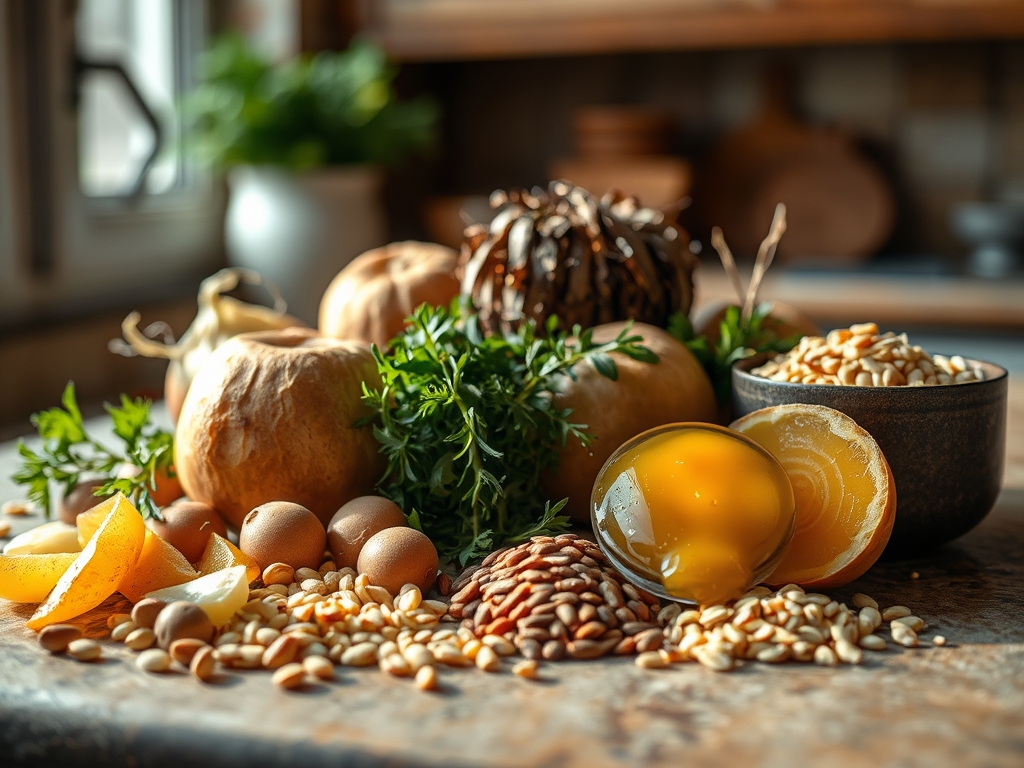
Before we apply heat, we must assemble our laboratory. You will need two pounds of fresh new potatoes; look for varieties like Charlotte, Anya, or Red Bliss. Their low-starch, high-amylopectin ratio is what allows them to hold their shape during the boiling process. You will also need high-quality sea salt, which acts as more than a seasoning. It functions as a solute that prevents the potato skins from bursting by balancing the osmotic pressure between the water and the tuber.
Gather a bunch of fresh dill and mint; these contain volatile oils that infuse the cooking liquid with herbaceous notes. You will also need four tablespoons of unsalted European-style butter. This butter has a higher fat content and lower water percentage, which helps create a viscous glaze later.
Smart Substitutions:
If you are looking for a piquant edge, swap the butter for a cold-pressed extra virgin olive oil. For those avoiding nightshades, though unlikely if you are here for potatoes, Jerusalem artichokes offer a similar texture but with a nuttier, inulin-rich profile. If you lack fresh herbs, a teaspoon of dried lovage or celery seed can mimic that garden-fresh brightness. Always use a digital scale to ensure your salt-to-water ratio is exactly two percent; this is the sweet spot for flavor penetration without dehydration.
The Clock
The "Chef's Flow" is all about timing the transition from raw starch to gelatinized perfection. Prep takes exactly ten minutes; this involves a gentle scrub with a soft brush to remove grit without tearing the papery epidermis. Do not peel them. The skin is where the nutrients and the structural integrity reside.
The cooking phase requires fifteen to twenty minutes of active simmering. However, the secret is the five-minute "steam-dry" period after draining. This allows excess moisture to evaporate, preventing a soggy finish. Total time from pantry to plate is roughly thirty minutes. If you are multitasking, use this time to render some pancetta or whisk a vinaigrette in a small saucier to keep the workflow seamless.
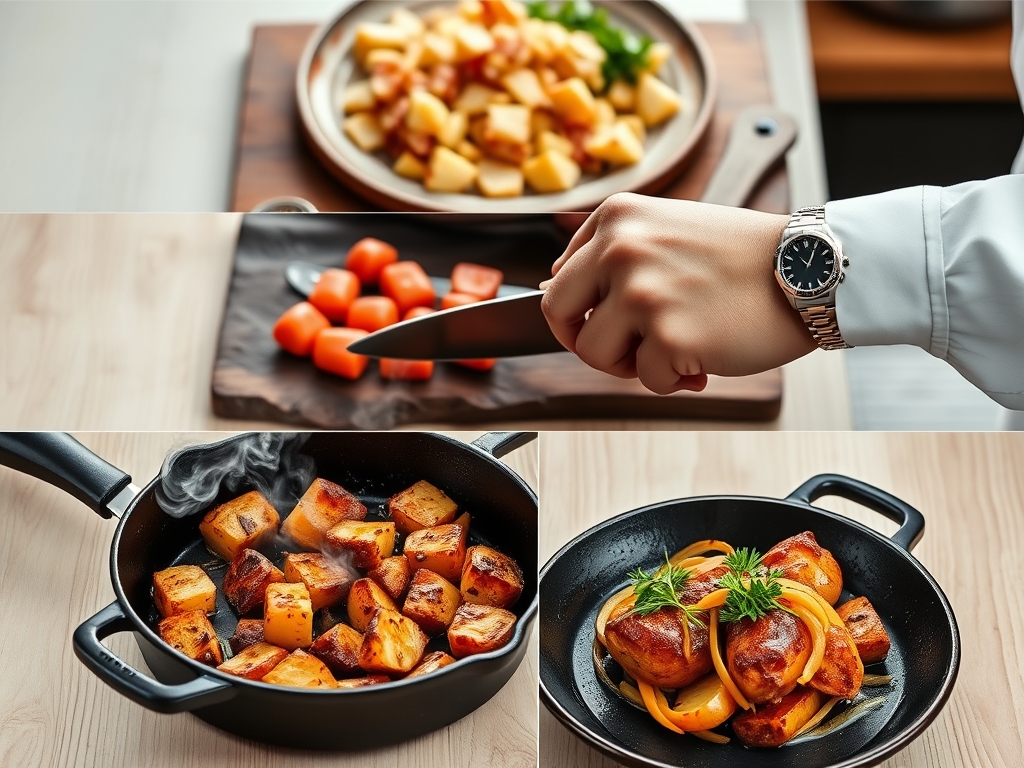
The Masterclass
1. The Cold Start Beginning
Place your cleaned potatoes into a heavy-bottomed pot and cover them with cold, filtered water. Starting with cold water ensures the exterior and interior of the potato heat at a uniform rate. If you drop them into boiling water, the outside overcooks and turns mushy before the center is tender.
Pro Tip: This technique prevents thermal shock, which can cause the outer starch granules to rupture prematurely, leading to a "sloughing" effect where the skin peels away in the pot.
2. Salting the Sea
Add your salt only once the water reaches a lukewarm temperature. You want the salt to dissolve fully so it can permeate the potato's cellular walls through osmosis as the temperature rises. This seasons the potato from the inside out, rather than just coating the surface.
Pro Tip: Salt increases the boiling point of water slightly, but its primary role here is to strengthen the pectin in the cell walls, keeping the potatoes firm yet creamy.
3. The Gentle Simmer
Once the water reaches a rolling boil, immediately reduce the heat to a steady simmer. You want small, lazy bubbles, not a violent churn. Use a thermometer if you are feeling technical; you are looking for a water temperature around 190 degrees Fahrenheit.
Pro Tip: High-intensity boiling causes mechanical damage. The potatoes knock against each other, bruising the delicate flesh and causing loss of flavor into the cooking water.
4. The Aromatics Infusion
Halfway through the cooking time, toss in your herb stems and a smashed garlic clove. The heat allows the essential oils to infuse into the water, which is then absorbed by the potatoes as they soften.
Pro Tip: This is called hydro-distillation in a culinary context. The water acts as a carrier for the fat-soluble compounds in the herbs, subtly flavoring the starch.
5. The Paring Knife Test
Test for doneness using a sharp paring knife or a metal skewer. It should slide into the center with zero resistance and slide back out just as easily. If the potato clings to the knife, the starch hasn't fully gelatinized yet.
Pro Tip: Avoid using a fork for testing. The multiple tines create too many entry points for water, which can lead to localized waterlogging.
6. The Precision Drain
Once tender, drain the potatoes into a colander. Do not let them sit in the water for a second longer than necessary. Return the drained potatoes to the hot pot, off the heat, and cover with a clean kitchen towel for five minutes.
Pro Tip: This utilizes residual heat to drive off lingering surface moisture. The towel absorbs the steam, ensuring the potatoes are dry enough to grab onto the butter later.
7. The Butter Emulsification
While the potatoes are still steaming hot, add your cold, cubed butter and a splash of the reserved cooking water. Swirl the pot vigorously. The movement combined with the heat creates a temporary emulsion, coating each tuber in a glossy, velvet-like sheen.
Pro Tip: Cold butter creates a more stable emulsion than melted butter because the milk solids stay suspended longer, providing a richer mouthfeel.
8. The Herb Aeration
Finely chop your fresh herb leaves using a sharp chef's knife; avoid bruising them. Fold them into the buttery potatoes at the very last second. This preserves the bright green color and the volatile aromatics that would otherwise dissipate with high heat.
Pro Tip: Cutting herbs releases polyphenol oxidase, which causes browning. Adding them to the acidic or fatty environment of the buttered potatoes slows this enzymatic reaction.
9. The Final Seasoning
Finish with a flourish of flaky sea salt and a grate of lemon zest using a microplane. The acidity of the lemon cuts through the richness of the butter, while the flaky salt provides a structural contrast to the soft potato.
Pro Tip: This final layer of salt doesn't dissolve, providing "pops" of flavor that stimulate the salivary glands and enhance the perception of the potato's natural sweetness.
The Deep Dive
From a nutritional standpoint, new potatoes are a powerhouse of Vitamin C and potassium. Because we keep the skins on, we maximize fiber intake and keep the glycemic index lower than that of a mashed potato. For a Vegan swap, use a high-quality cultured nut butter or a fruity avocado oil. While potatoes are generally avoided on Keto, those on a targeted carb-loading phase find new potatoes ideal due to their lower starch density.
The Fix-It:
- Soggy Bottoms: If your potatoes are watery, you skipped the steam-dry step. Fix it by tossing them in a heavy-bottomed skillet over medium heat for sixty seconds to cook off the excess liquid.
- Burst Skins: This happens from boiling too hard. Next time, keep the water at a simmer. To fix it now, gently crush them and call them "smashed potatoes."
- Bland Center: You under-salted the water. Fix it by halving the potatoes and tossing them in a concentrated herb butter while they are still hot to encourage absorption.
Meal Prep: To reheat, do not use a microwave; it turns the starch rubbery. Instead, slice them and quickly sauté them in a pan with a little oil to render any remaining fats and create a crispy exterior.
The Wrap-Up
Mastering new potato recipes boiled to perfection is a foundational skill that elevates every meal from a Tuesday night dinner to a Sunday feast. By understanding the relationship between starch, salt, and temperature, you transform a humble root vegetable into a culinary masterpiece. Remember to start cold, simmer gently, and never skip the steam-dry. Now, go grab your tongs, find the freshest batch at the market, and let the science of the simmer do the work for you.
The Kitchen Table
How long do you boil new potatoes?
Typically, new potatoes require 15 to 20 minutes in simmering water. The exact time depends on their size. Always use the paring knife test; the blade should slide in and out with no resistance when they are fully cooked.
Should I put potatoes in before or after the water boils?
Always place potatoes in the pot before adding water, starting with cold liquid. This ensures the tubers heat evenly from the core to the surface, preventing the outside from becoming mushy before the inside is tender.
Do you peel new potatoes before boiling?
No, you should not peel new potatoes. Their skins are incredibly thin and contain significant flavor and nutrients. Keeping the skins intact also prevents the potato from absorbing too much water and becoming waterlogged during the boiling process.
Why are my boiled potatoes waxy?
New potatoes are naturally waxy because they are harvested young, meaning their sugars haven't fully converted to starch. This "waxiness" is actually a desirable trait, allowing them to hold their shape perfectly in salads or as side dishes.