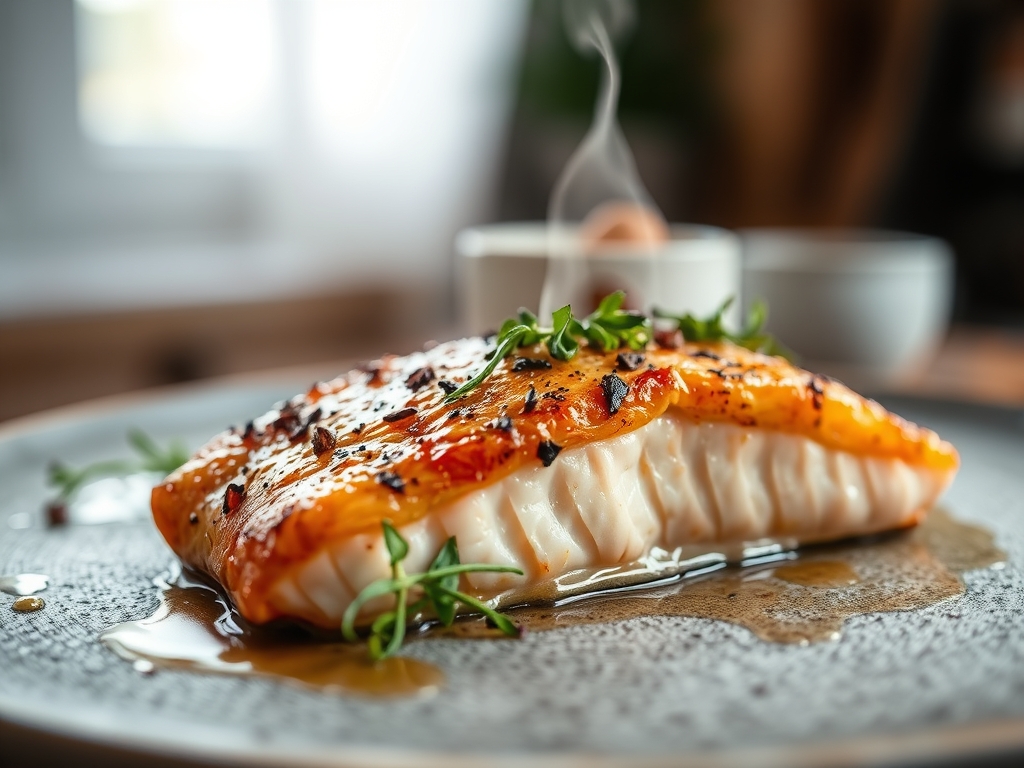
Imagine the scent of fresh rosemary and sizzling fats wafting through your kitchen as a cold Atlantic fillet hits a preheated sheet pan. When you are hunting for the best keto baked salmon recipes, you are not just looking for dinner; you are looking for that perfect intersection of high-octane brain fuel and restaurant-quality luxury.
Salmon is the crown jewel of the ketogenic lifestyle. It is naturally packed with long-chain omega-3 fatty acids, specifically EPA and DHA, which are essential for cognitive function and reducing systemic inflammation. However, the difference between a dry, chalky fillet and a succulent, butter-soft masterpiece lies in the chemistry of heat application. We are going to transform a simple protein into a culinary event by leveraging fat-soluble aromatics and precise thermal control. Grab your apron and your favorite digital thermometer; we are diving deep into the molecular magic of the perfect bake.
The Gathers:
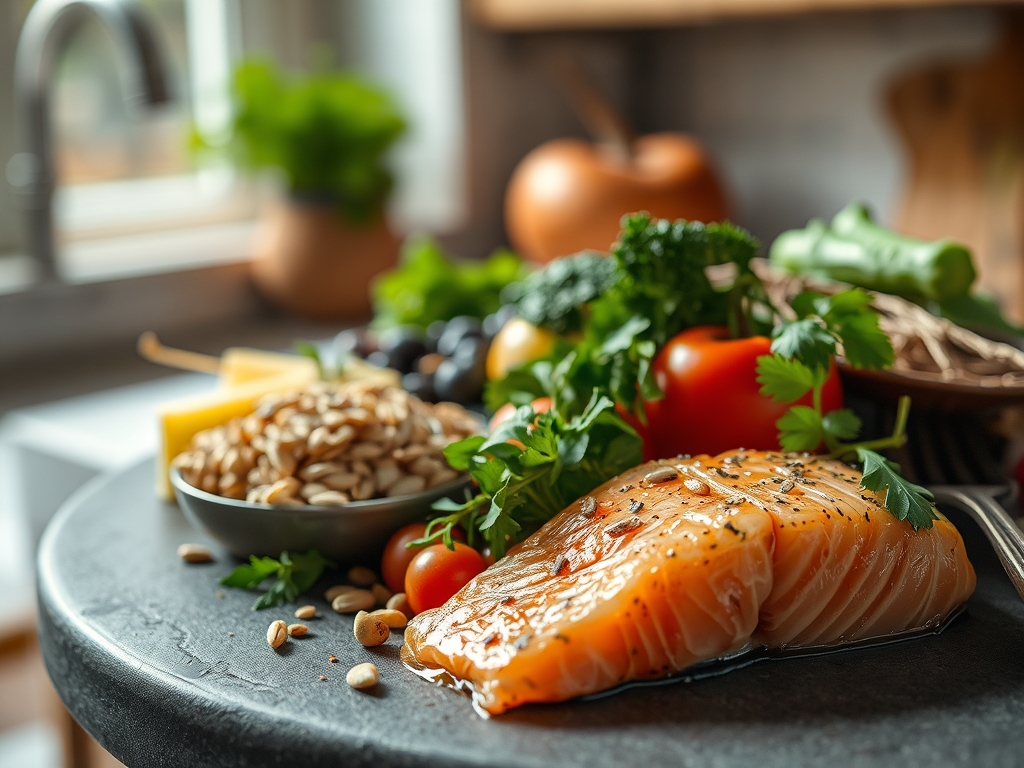
To execute these hacks, your mise-en-place must be intentional. Start with high-quality, wild-caught salmon fillets. Look for deep pigmentation, which indicates high levels of astaxanthin, a powerful antioxidant. You will need a microplane for zesting citrus and grating fresh ginger; this tool maximizes surface area to release volatile oils.
For your fats, move beyond basic butter. Reach for ghee or avocado oil. Ghee has a higher smoke point than butter because the milk solids have been removed, preventing bitter carbonization during the bake. You will also need coarse kosher salt to assist in denaturing the surface proteins, which helps the seasoning adhere.
Smart Substitutions: If you are avoiding dairy, swap butter for a viscous macadamia nut oil. For a crunch that mimics breadcrumbs without the carbs, use crushed pork rinds or finely ground almond flour mixed with nutritional yeast. This creates a savory, umami-rich crust that browns beautifully under a broiler.
The Clock: 15 Minutes Prep, 12 Minutes Cook
In the professional kitchen, we call this the "Chef's Flow." The goal is to minimize the time the fish spends at room temperature while maximizing the oven's preheat cycle. Your total active time is less than twenty minutes.
Spend the first five minutes preparing your aromatics. While the oven stabilizes at 400 degrees Fahrenheit, use a bench scraper to clear your board and organize your garnishes. The actual cooking time is a swift 10 to 14 minutes, depending on the thickness of the cut. Remember, the internal temperature will continue to rise after you remove it from the heat. This is known as carryover cooking, and ignoring it is the fastest way to ruin a premium fillet.
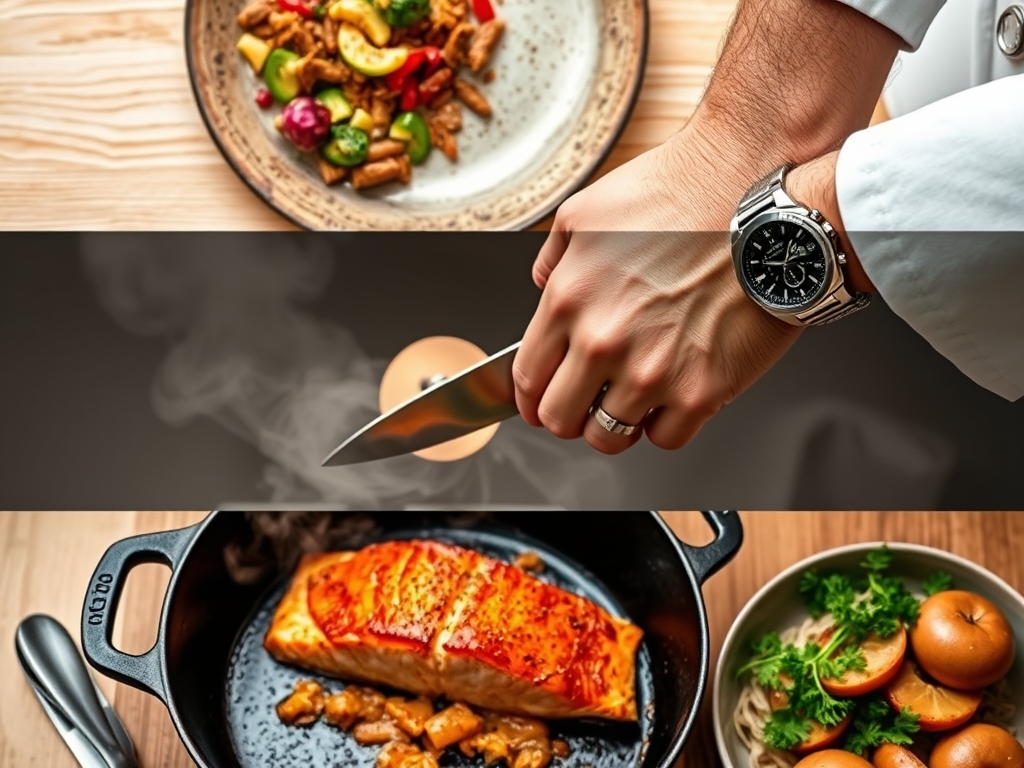
The Masterclass
1. The Moisture Barrier
Before any seasoning touches the fish, use a paper towel to pat the skin and flesh completely dry. Moisture is the enemy of the Maillard reaction. If the surface is wet, the heat energy is wasted evaporating water rather than browning the protein.
Pro Tip: This prevents the "steaming" effect. By removing surface water, you allow the fats to directly interface with the heat, creating a crisp exterior while keeping the interior viscous and tender.
2. The Acid Infusion
Use your microplane to shower the fillets with lemon zest before baking. Do not add the juice yet; the acid in the juice can begin to "cook" the fish like a ceviche, altering the texture prematurely. The zest contains concentrated oils that infuse the fat during the bake.
Pro Tip: Essential oils in the zest are fat-soluble. They dissolve into the ghee or oil, distributing a piquant citrus flavor throughout the entire fillet without thinning your sauce.
3. The Fat Cap
Slather the top of each fillet with a compound fat. This could be a mixture of softened butter, minced garlic, and fresh dill. This layer acts as an insulator, protecting the delicate muscle fibers from the direct, harsh heat of the oven.
Pro Tip: This creates an emulsion as the butter melts and mixes with the salmon's natural juices. It effectively bastes the fish from the top down, ensuring the meat remains hydrated.
4. The Skin-Side Strategy
Always start your salmon skin-side down on a preheated heavy-bottomed pan or baking sheet. The skin acts as a heat shield. If you have a digital scale, ensure your fillets are of equal weight so they cook at the same rate.
Pro Tip: The skin contains a high concentration of collagen. As it heats, the collagen converts to gelatin, which provides a rich mouthfeel and prevents the flesh from sticking to the pan.
5. The Low-Oxygen Wrap
For the ultimate "hack," try the parchment paper method, also known as en papillote. Folding the fish into a pouch traps steam and aromatics, forcing flavors into the meat.
Pro Tip: This creates a pressurized environment that speeds up the cooking process. The steam prevents the protein from reaching the "tightening" stage, where it would otherwise expel white albumin.
6. The Broiler Finish
In the final two minutes, switch your oven to the broiler setting. This intense top-down heat mimics the effect of a professional salamander, caramelizing any keto-friendly sweeteners or nut crusts you have applied.
Pro Tip: This triggers rapid enzymatic browning. Keep a close eye on it; the window between perfectly golden and burnt is roughly thirty seconds.
7. The Resting Phase
Once the internal temperature hits 130 degrees Fahrenheit, remove the salmon immediately. Transfer it to a warm plate using wide tongs to avoid breaking the flake.
Pro Tip: Thermal carryover will bring the final temperature to a perfect 135 or 140 degrees. Resting allows the juices to redistribute, ensuring every bite is succulent rather than leaky.
8. The Emulsified Garnish
Finish the dish with a cold fat, like a dollop of creme fraiche or a drizzle of extra virgin olive oil. This adds a layer of "raw" flavor that contrasts with the cooked fats.
Pro Tip: Adding a cold fat at the end creates a temperature contrast on the palate. This stimulates more sensory receptors, making the meal feel more satisfying and complex.
The Deep Dive
When we look at the macro nutrition, a standard 6-ounce serving of salmon provides roughly 34 grams of protein and 22 grams of healthy fats with zero net carbs. It is a metabolic powerhouse. For those with dietary restrictions, this recipe is naturally gluten-free. For a vegan swap, you can apply these same "fat-cap" and "acid-infusion" techniques to a thick slice of cauliflower or a firm block of tofu.
The Fix-It:
- The White Gunk: If you see white "stuff" (albumin) oozing out, your oven is too hot. Lower the temp and try a slower bake next time.
- Soggy Skin: You didn't dry the fish enough or the pan wasn't preheated. Use a heavy-bottomed skillet for better heat retention.
- Bland Flavor: You likely salted too late. Salt the fish at least 10 minutes before it hits the heat to allow the seasoning to penetrate the fibers.
Meal Prep: To reheat salmon without it becoming "fishy," avoid the microwave. Use a toaster oven at a low temperature (275 degrees) with a splash of water and a cover. This gently re-hydrates the proteins without oxidizing the delicate fats.
The Wrap-Up
Mastering keto baked salmon recipes is about more than just following a list of ingredients; it is about respecting the biological structure of the fish. By using tools like the microplane and digital thermometer, and understanding the science of carryover cooking, you elevate a simple weeknight meal into a gourmet experience. You have the fats, the flavors, and the technical know-how to make every fillet a masterpiece. Now, get into that kitchen and show that salmon who is boss!
The Kitchen Table
How do I prevent salmon from sticking to the pan?
Always preheat your baking sheet or skillet before adding the fish. Use a high-smoke-point fat like avocado oil and ensure the skin is bone-dry. This creates a physical barrier that prevents the proteins from bonding to the metal surface.
What is the best internal temperature for salmon?
For a buttery, medium-rare texture, pull the salmon at 130 degrees Fahrenheit. Carryover cooking will bring it to 135 degrees while it rests. Use a digital thermometer to ensure accuracy and avoid the dry, chalky texture of overcooked fish.
Can I use frozen salmon for keto recipes?
Yes, but thaw it completely in the refrigerator first. Pat it extremely dry to remove excess moisture from the freezing process. Frozen fillets often release more albumin, so cook them at a slightly lower temperature to keep them tender.
Why does my salmon have white stuff on it?
That white substance is albumin, a protein that stays liquid when raw but solidifies when heated. It is perfectly safe to eat, but it usually indicates the fish was cooked too quickly or at a temperature that was too high.
How long does cooked salmon stay fresh?
Store cooked salmon in an airtight container for up to three days. For the best quality, eat it cold over a salad or reheat it gently at a low temperature to prevent the healthy omega-3 fats from becoming rancid and smelly.