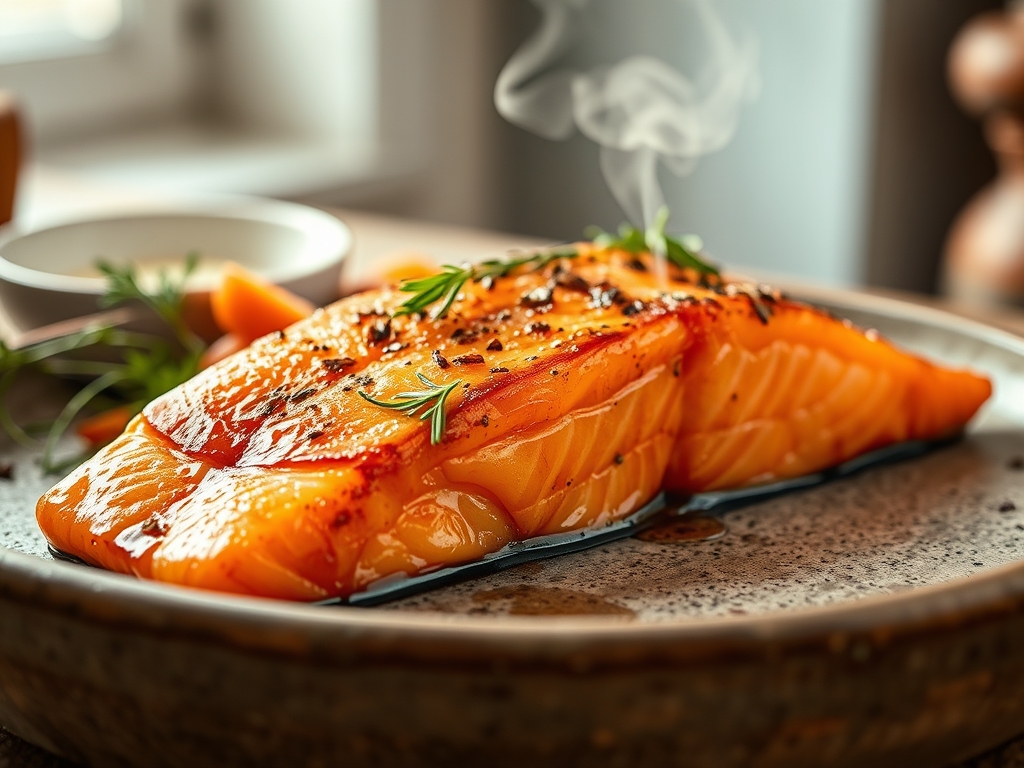
Imagine the first light of dawn hitting the cold, salt-sprayed waters of the North Atlantic. That is exactly what it feels like when you peel back the parchment on a premium side of fish; it is the scent of hardwood smoke meeting the fatty, buttery richness of the sea. Mastering smoked atlantic salmon recipes is not just about assembly; it is about honoring a delicate protein that has been cured and cold-smoked to perfection. We are moving beyond the basic bagel and cream cheese. We are diving into a world where texture is king and acidity is your best friend. Whether you are hosting a sophisticated brunch or a quiet, candlelit dinner, these recipes transform a simple ingredient into a culinary masterpiece. The goal here is to balance that deep, umami-rich smoke with bright, piquant pops of flavor. We are looking for that perfect "melt on the tongue" sensation that only high-quality Atlantic salmon can provide. Grab your favorite apron and clear the counter; we are about to turn your kitchen into a high-end bistro.
The Gathers:
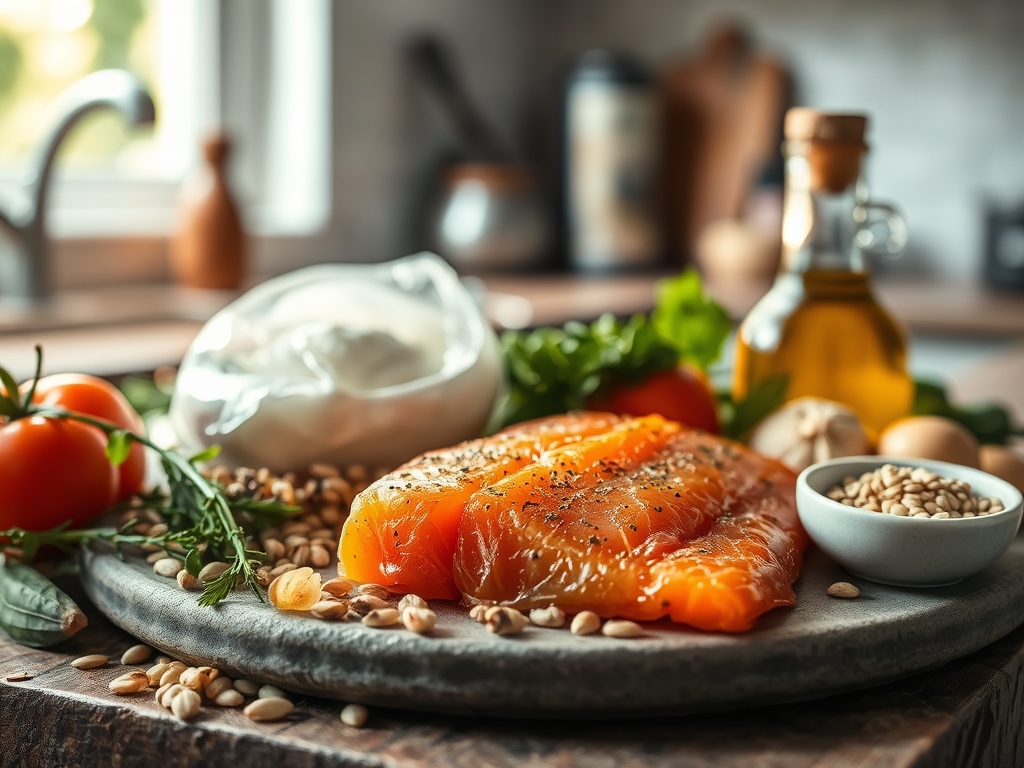
To execute these smoked atlantic salmon recipes with precision, your mise-en-place must be flawless. Start with the salmon itself. Look for fish with vibrant, translucent flesh and clear marbling; those white lines are intramuscular fat, which provides the viscous mouthfeel we crave. You will need a high-quality fat source, such as a high-fat European butter or a thick, cultured creme fraiche to provide a luxurious base. For acidity, gather lemons for zest and juice, along with non-pareil capers for a salty, briny punch. Fresh herbs are non-negotiable; have plenty of dill, chives, and tarragon on hand.
From your tool drawer, pull out your microplane for zesting, a bench scraper for clean vegetable prep, and a saucier if you are planning a warm infusion. You will also need a digital scale to ensure your ratios are exact, especially when whisking together a vinaigrette or a mousse.
Smart Substitutions: If you cannot find creme fraiche, a full-fat Greek yogurt mixed with a splash of heavy cream provides a similar tang. For those avoiding dairy, a cashew-based "cream" blended with lemon juice offers the necessary fat content without the lactose. If fresh dill is unavailable, fennel fronds provide a similar anise-like aromatic profile that complements the smoke beautifully.
The Clock
Efficiency in the kitchen is all about the "Chef's Flow." For most smoked atlantic salmon recipes, the actual "cooking" time is zero because the fish is already cured. However, the preparation of accompaniments takes about 20 minutes. If you are making a smoked salmon mousse or a chilled pasta salad, allow for a 30-minute "rest" in the refrigerator. This allows the flavors to infuse and the fats to stabilize, ensuring a cohesive taste in every bite. Total time from fridge to table is usually under 45 minutes, making this the ultimate "impressive but easy" menu choice.
The Masterclass
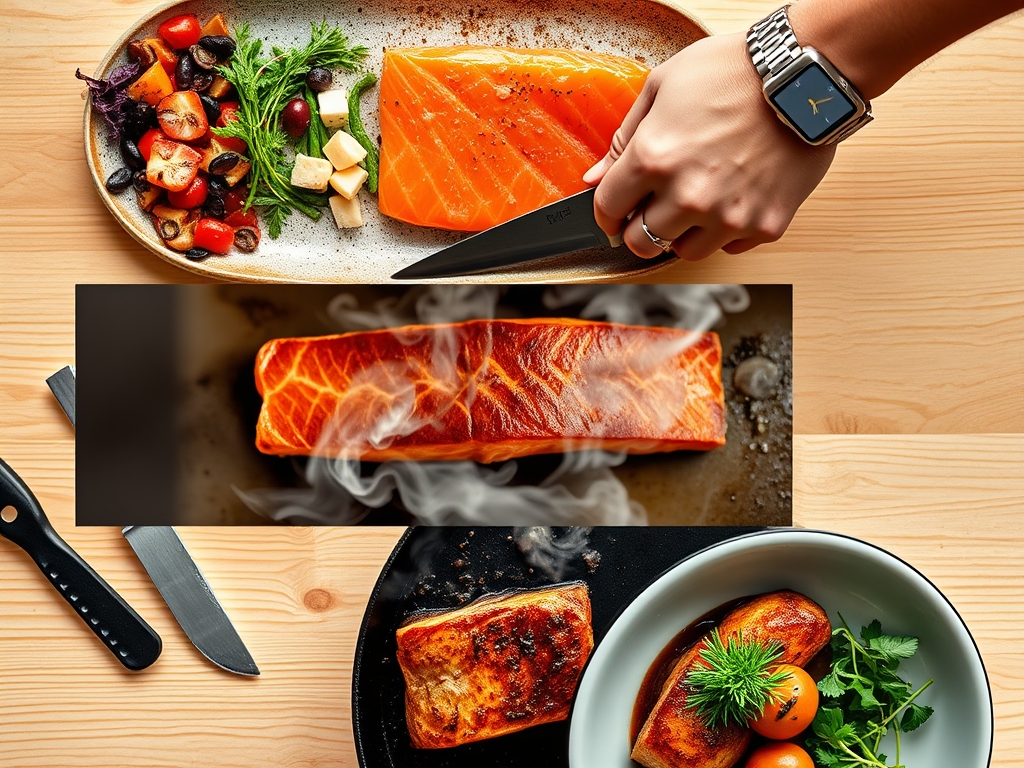
1. Tempering the Protein
Before you begin slicing or plating, take the salmon out of the refrigerator for 10 minutes. This allows the fats to soften slightly, which enhances the flavor perception on your palate.
Pro Tip: This is about lipid solubility. Flavor compounds in smoked fish are fat-soluble. When the fish is ice-cold, the fats are solid and coat the tongue, masking the subtle smoke notes. Room temperature fats release these aromas more effectively.
2. The Precision Slice
Use a long, thin, flexible slicing knife. Hold the blade at a 45-degree angle to the grain. Use long, singular strokes rather than a sawing motion to prevent tearing the delicate muscle fibers.
Pro Tip: This preserves the structural integrity of the fish. Sawing creates friction and heat, which can slightly "cook" or denature the proteins at the cut site, leading to a mushy texture rather than a clean, silky bite.
3. Creating the Emulsion
Whether you are making a lemon-caper butter or a creamy dill sauce, use your saucier or a small whisk to combine your fats and acids. Slowly stream your citrus into your fat while whisking vigorously to create a stable bond.
Pro Tip: This is emulsification. By breaking the lemon juice into tiny droplets and suspending them in fat, you create a sauce that coats the salmon evenly, ensuring a balanced hit of acid and salt in every mouthful.
4. Aerating the Garnish
When using herbs like dill or chives, chop them at the very last second. Use a sharp knife to avoid bruising, which causes the essential oils to oxidize and turn bitter.
Pro Tip: Oxidative enzymatic browning happens quickly with soft herbs. By waiting until the last moment, you ensure the volatile oils stay on the plate rather than on your cutting board, maximizing the aromatic impact.
5. Plating for Contrast
Layer your salmon over a crisp element, such as a toasted rye crostini or a cucumber ribbon. Use tongs to drape the fish loosely rather than pressing it flat; this creates air pockets that lighten the dish.
Pro Tip: This addresses sensory contrast. The human brain finds a combination of "crunchy and soft" or "cold and warm" more engaging. The air pockets also allow your olfactory system to better process the smoke aromatics.
The Deep Dive
When we look at the macro nutrition of smoked atlantic salmon recipes, we are looking at a powerhouse of Omega-3 fatty acids and high-quality protein. A standard 3-ounce serving provides roughly 15 grams of protein and zero carbohydrates, making it a staple for low-carb lifestyles.
Dietary Swaps:
- Keto: Serve over avocado halves or with high-fat macadamia nut "cheese."
- Vegan: Use thinly sliced carrots marinated in liquid smoke, soy sauce, and maple syrup to mimic the texture and flavor profile.
- Gluten-Free: Swap traditional crackers for seed-based crisps or cucumber rounds.
The Fix-It:
- Fish is too salty: Soak the salmon in cold water or milk for 10 minutes, then pat dry. The osmosis will draw out excess salt.
- Sauce is "broken": If your cream sauce separates, whisk in a teaspoon of warm water or an egg yolk to re-bind the emulsion.
- Texture is rubbery: This usually happens if the fish was frozen and thawed poorly. Use it in a hot dish, like a pasta carbonara, where the heat can mask the textural loss.
Meal Prep: To reheat smoked salmon without turning it into a dry, gray mess, use the "gentle steam" method. Place it in a covered dish with a splash of water in a low oven (250F) for just 5 minutes. This prevents the proteins from tightening and keeps the fats viscous.
The Wrap-Up
There you have it; the secrets to elevating smoked atlantic salmon recipes from a simple snack to a sophisticated culinary event. By understanding the science of fat-solubility and the importance of textural contrast, you are no longer just following a recipe; you are engineering an experience. Go forth and use your microplane with confidence, knowing that every zest of lemon and every fold of fish is a step toward kitchen mastery.
The Kitchen Table
How do I store leftover smoked salmon?
Wrap the salmon tightly in plastic wrap to minimize air exposure. Place it in an airtight container in the coldest part of your fridge. It stays fresh for three to five days. Do not freeze it, as this ruins the texture.
Can I use smoked salmon in hot dishes?
Yes, but add it at the very end. Residual heat is enough to warm the fish without overcooking it. Folding it into hot pasta or over an omelet preserves its silky texture and prevents it from becoming overly salty or tough.
What is the best bread for smoked salmon?
Dense, dark breads like pumpernickel or rye are traditional because their earthy flavor balances the oily fish. However, a toasted sourdough or a light, airy brioche also works beautifully depending on whether you want a hearty or delicate bite.
Is smoked salmon healthy to eat every day?
While rich in protein and Omega-3s, smoked salmon is high in sodium due to the curing process. It is a fantastic addition to a balanced diet, but those monitoring salt intake should enjoy it in moderation as a flavorful accent.