Picture this: you are standing in your kitchen at 6:00 PM, the light is fading, and your stomach is starting that familiar, hollow growl. You stare at that humble silver cylinder in the pantry, wondering if it can really be the star of the show. Trust me, darling, it can. These quick and easy canned salmon recipes are about to become your absolute secret weapon for weeknight elegance. We are moving far beyond the sad, watery salads of the past. We are talking about gold-standard proteins that snap with texture and sing with acidity.
Canned salmon is a culinary marvel of preservation science. Because it is processed at peak freshness, it retains a massive payload of Omega-3 fatty acids and Vitamin D that often surpasses the "fresh" fillets sitting on ice for days at the grocer. When you crack that lid, you are looking at a blank canvas of flaky, pink potential. Whether you are craving a crispy pan-sear or a creamy, emulsified dip, the versatility here is unmatched. We are going to use professional techniques to transform this shelf-stable staple into a series of dishes that look, smell, and taste like they came from a high-end bistro. Grab your apron; it is time to get scientific with our supper.
The Gathers:
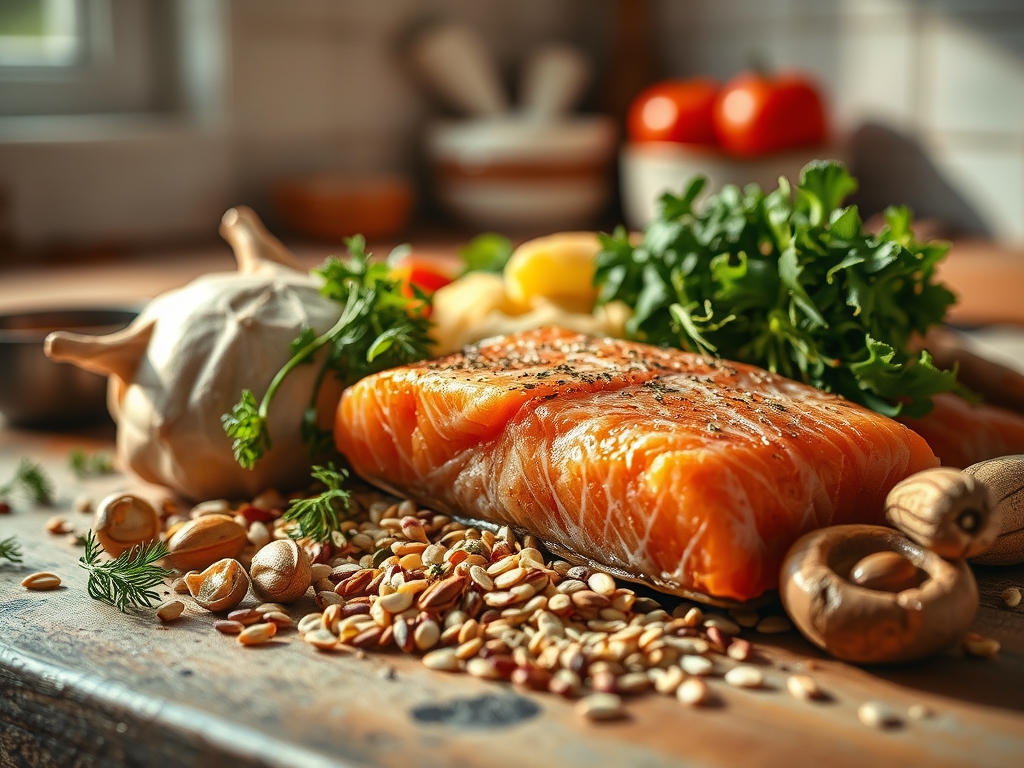
To execute these quick and easy canned salmon recipes with precision, your mise-en-place must be tight. Start with high-quality wild-caught pink or sockeye salmon. You will notice the liquid in the can is viscous; that is actually a flavorful brine rich in collagen. Do not just dump it down the drain. We will also need aromatics like shallots and garlic to provide a piquant base. For texture, keep panko breadcrumbs or crushed saltines on hand to act as a binder.
Your tool kit is essential here. Reach for your microplane to zest lemons, which adds bright essential oils without the bitter pith. A heavy-bottomed skillet, preferably cast iron or stainless steel, is non-negotiable for achieving a proper sear. You will also want a saucier for any emulsified sauces and a sharp bench scraper to move your chopped herbs from board to bowl without losing a single leaf.
Smart Substitutions:
If you are out of fresh lemons, a splash of rice vinegar or white wine provides the necessary acidity to cut through the fatty lipids of the fish. No panko? Use almond flour for a gluten-free binder that adds a lovely nutty note when it hits the heat. If you find the salmon flavor too assertive, a dollop of Greek yogurt or creme fraiche will mellow the profile while adding a silky mouthfeel.
The Clock:
Efficiency in the kitchen is all about "Chef's Flow." This means grouping tasks to minimize downtime. For most of these hacks, your prep time will be exactly ten minutes; just enough time to chop, zest, and drain. The cook time averages eight to twelve minutes depending on whether you are searing or simmering.
The total "Active Time" is usually under twenty minutes. While your skillet is preheating (which takes about three to five minutes for even heat distribution), you should be mixing your binders. By the time the pan reaches the smoke point of your oil, your salmon patties or flakes should be ready to hit the heat. This overlap ensures that you are never standing around waiting for a burner to catch up with your hands.
The Masterclass:
1. The Crispy Maillard Patty
Drain your salmon thoroughly and mix with one egg, a tablespoon of Dijon mustard, and half a cup of breadcrumbs. Form into tight discs. Heat your heavy-bottomed skillet with a high-smoke-point oil like avocado oil.
Pro Tip: This relies on the Maillard reaction, a chemical reaction between amino acids and reducing sugars that gives browned food its distinctive flavor. Do not flip the patty until it releases naturally from the pan; forcing it will tear the delicate protein fibers.
2. The Zesty Salmon Rillettes
Flake the salmon into a bowl and fold in softened butter, lemon zest, and fresh dill. Use a fork to aerate the mixture until it is light and spreadable.
Pro Tip: The fat in the butter acts as a flavor carrier. As the mixture chills, the fat solids trap the volatile aromatic compounds from the dill and lemon, leading to a more intense flavor profile after two hours in the fridge.
3. The 10-Minute Salmon Pasta
Deglaze a pan with white wine after sautéing garlic, then toss in your salmon and cooked linguine. Finish with a splash of pasta water and a knob of butter.
Pro Tip: This creates an emulsion. The starches in the pasta water bind the fats from the butter and salmon oil into a creamy, cohesive sauce that clings to the noodles rather than pooling at the bottom of the bowl.
4. The Omega-3 Power Bowl
Combine flaked salmon with quinoa, avocado, and a soy-ginger dressing. Use your digital scale to ensure equal ratios of grain to protein for a balanced macro profile.
Pro Tip: To prevent the salmon from becoming mushy, fold it in last. This preserves the structural integrity of the flakes, providing a more pleasant "bite" against the soft avocado and fluffy grains.
5. Salmon Salad Tartines
Mix salmon with capers, red onion, and a touch of Greek yogurt. Pile it high on sourdough toast.
Pro Tip: Use a bench scraper to finely mince your red onions. The smaller the dice, the more surface area is exposed, which allows the sulfurous compounds to mellow out when they hit the acidic yogurt.
6. Spicy Salmon Tacos
Toss flaked salmon with lime juice and chipotle powder. Quickly sear in a pan just to warm through and infuse the spices.
Pro Tip: This is a "flash heat" technique. Since the salmon is already cooked, you are only looking to trigger thermal carryover to reach a palatable serving temperature without drying out the delicate fats.
7. Salmon and Leek Frittata
Whisk six eggs and fold in flaked salmon and sautéed leeks. Pour into a skillet and bake until set.
Pro Tip: To achieve a "soufflé" effect, whisk your eggs vigorously to incorporate air. The air bubbles expand in the oven, creating a light, porous crumb that prevents the salmon from sinking to the bottom.
8. Mediterranean Salmon Wraps
Layer salmon with hummus, cucumber, and feta in a warm pita.
Pro Tip: The alkalinity of the hummus helps balance the acidity of the canned fish. This creates a rounded flavor profile that hits every part of your palate, from the back of the tongue to the tip.
9. Thai-Style Salmon Cakes
Add red curry paste, lime leaf, and an egg to your salmon. Pan-fry until golden.
Pro Tip: The heat from the pan will render the small amount of fat in the curry paste, releasing fat-soluble capsaicin. This ensures the heat is distributed evenly throughout the cake rather than coming in sharp, uneven bursts.
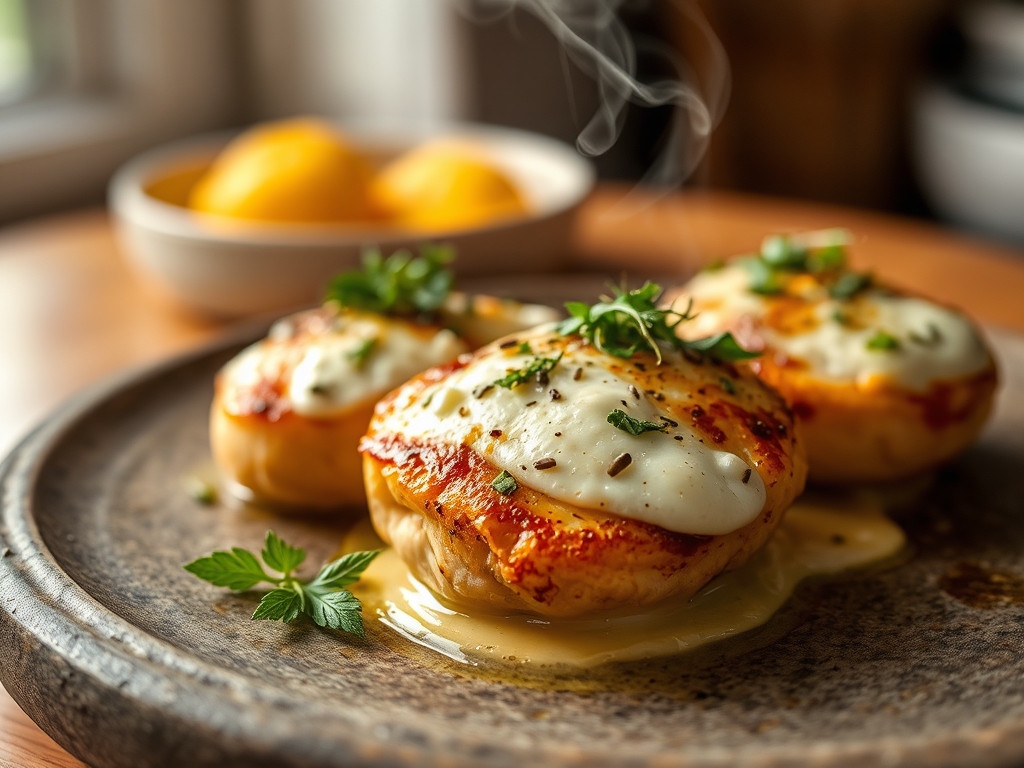
10. The Ultimate Salmon Melt
Top an English muffin with salmon salad and a thick slice of provolone. Broil until bubbly.
Pro Tip: This uses intense radiant heat to achieve enzymatic browning on the cheese. Position your oven rack in the top third to ensure the cheese melts and browns before the bread becomes overly desiccated.
The Deep Dive:
Nutritiously speaking, canned salmon is a powerhouse. A single six-ounce serving provides roughly 34 grams of high-quality protein and is one of the few natural food sources of Vitamin D. For those following specific diets, it is naturally Keto and Paleo friendly. To make these recipes vegan, you would obviously need a plant-based "tuna" substitute, but for Gluten-Free needs, simply swap breadcrumbs for crushed pork rinds or chickpea flour.
The Fix-It:
- Too Salty: If your brand of salmon is overly brined, fold in an acid like lemon or a fat like avocado. Acid and fat neutralize the perception of salt on the tongue.
- Too Dry: This usually happens during reheating. Add a teaspoon of water or broth before microwaving to create a steam chamber.
- Falling Apart: If your patties crumble, your binder-to-protein ratio is off. Add another half-egg or a tablespoon of mayo to increase the "viscous" grip of the mixture.
Meal Prep Science:
When reheating salmon, the goal is to avoid the "fishy" smell caused by the breakdown of Trimethylamine N-oxide (TMAO). Reheat at a lower power setting (50%) in the microwave to gently warm the proteins without vibrating the water molecules so violently that they tear the cell walls and release odors.
The Wrap-Up:
There you have it; ten ways to turn a pantry staple into a gourmet experience. These quick and easy canned salmon recipes are proof that you do not need a massive grocery bill or hours of prep to eat like a queen. By understanding the science of the Maillard reaction, the physics of emulsions, and the importance of professional tools like the microplane and heavy skillet, you have leveled up your kitchen game significantly. Now, go crack a can and get cooking!
The Kitchen Table:
How do I make canned salmon taste less fishy?
Drain the liquid thoroughly and rinse the salmon under cold water. Adding a strong acid, such as fresh lemon juice or white wine vinegar, chemically neutralizes the amines responsible for the "fishy" odor and brightens the overall flavor profile.
Is the skin and bone in canned salmon safe to eat?
Yes, they are completely edible and highly nutritious. The canning process softens the bones until they are easily mashed with a fork, providing a massive boost of bioavailable calcium and collagen to your meal without affecting the final texture.
Can I use canned salmon for meal prep?
Absolutely. Cooked salmon patties or salads stay fresh in the refrigerator for up to three days. To maintain "day-one" quality, store them in an airtight glass container to prevent oxidation and keep the textures crisp and the flavors intact.
Which is better: Canned Pink or Sockeye salmon?
Sockeye is firmer and has a deeper red color with a more robust flavor, making it ideal for salads. Pink salmon is milder and softer, which works perfectly for patties and pasta where it can easily absorb other flavors.