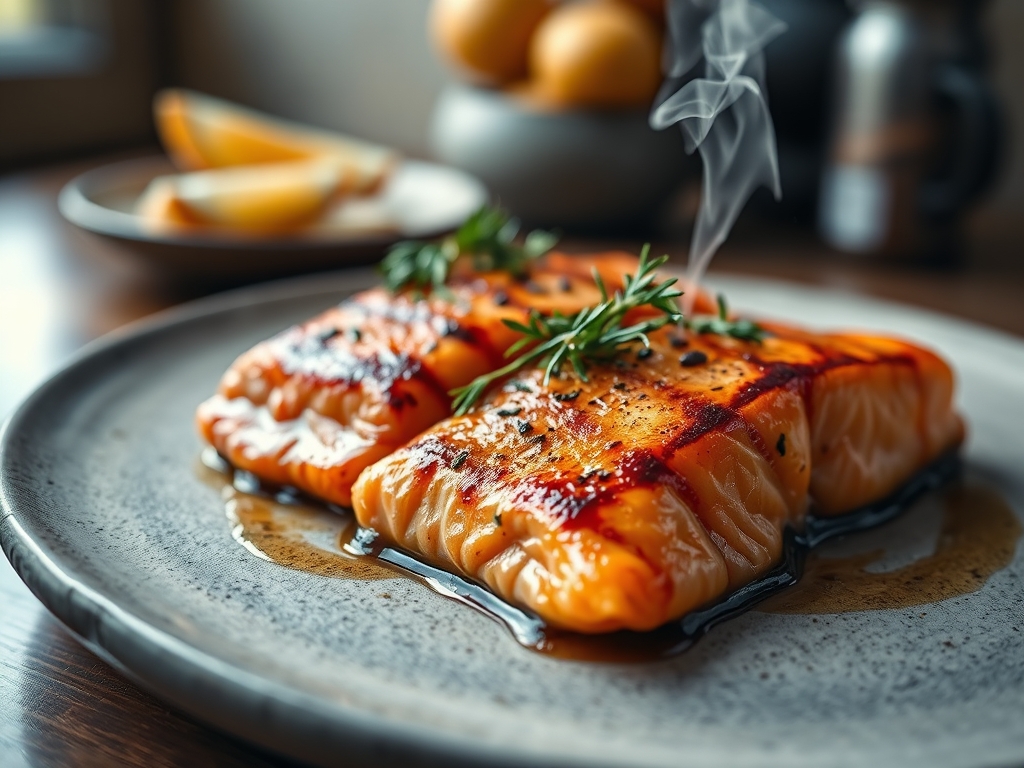
Imagine the scent of smoldering hickory dancing with the sharp, piquant sting of cayenne. Your kitchen transforms into a high-end smokehouse as the heat renders the fat from a marbleized fillet. Mastering cajun smoked salmon recipes is not just about heat; it is about the chemistry of smoke and spice colliding with delicate omega-3 fatty acids.
The secret to that mahogany crust lies in the balance of sugars and salts. When you apply a dry rub to cold salmon, you are initiating a process of osmosis that seasons the fish to its very core. We are moving beyond basic grilling. We are engineering a sensory experience that balances the earthy depth of cumin with the bright, citrusy lift of dried thyme. This is soul food meets molecular gastronomy.
Whether you are hosting a backyard gala or meal-prepping for a high-performance week, the texture of your salmon should be buttery yet firm. We are aiming for a flake that yields to a fork but maintains its structural integrity. Grab your apron and your favorite heavy-bottomed skillet for the searing phase. We are about to dive into the technical nuances of smoke, salt, and fire.
The Gathers:
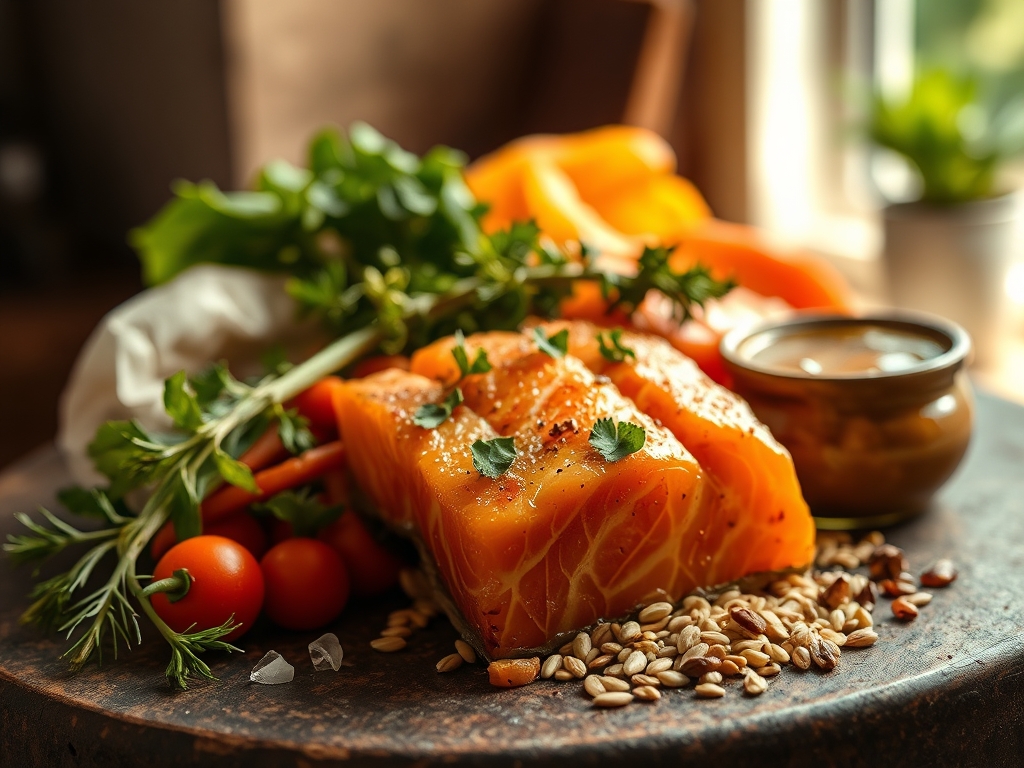
To execute this recipe with precision, your mise-en-place must be flawless. You will need a digital scale to ensure your spice ratios are consistent. The foundation starts with a high-quality side of Atlantic or King salmon. Look for vibrant color and a firm, non-viscous surface.
The Dry Rub Components:
- Smoked Paprika: Provides the base color and a deep, woodsy aroma.
- Cayenne and White Pepper: These deliver the "creeping" heat that defines Cajun cuisine.
- Granulated Garlic and Onion: These aromatics provide savory depth without the moisture of fresh cloves.
- Dark Brown Sugar: Essential for the Maillard reaction and balancing the acidity.
- Kosher Salt: The large grains allow for even distribution and controlled seasoning.
- Dried Oregano and Thyme: These add an herbaceous, floral top note.
Smart Substitutions:
If you are watching your sugar intake, swap the brown sugar for a monk fruit sweetener; it still aids in browning without the glycemic spike. For those who find cayenne too aggressive, use an Aleppo pepper for a milder, more complex fruitiness. If you lack a traditional smoker, a heavy-bottomed skillet combined with high-quality liquid smoke and a tight-fitting lid can mimic the infusion process, though the depth of flavor will be slightly more linear.
The Clock
Efficiency in the kitchen is about the Chef's Flow. You should never be waiting on your equipment. Total active prep time is approximately 15 minutes, while the brine and smoke phases require patience.
- Prep (The Cure): 30 to 60 minutes. This allows the salt to penetrate the protein fibers.
- Smoking: 60 to 90 minutes depending on the thickness of the fillet and your target internal temperature.
- Resting: 10 minutes. This is non-negotiable for moisture retention.
The flow is simple: prepare your rub, coat the fish, and while the salmon cures, calibrate your smoker or prep your wood chips. By the time the grill reaches a steady 225 degrees Fahrenheit, your salmon will be chemically ready to take on the smoke.
The Masterclass
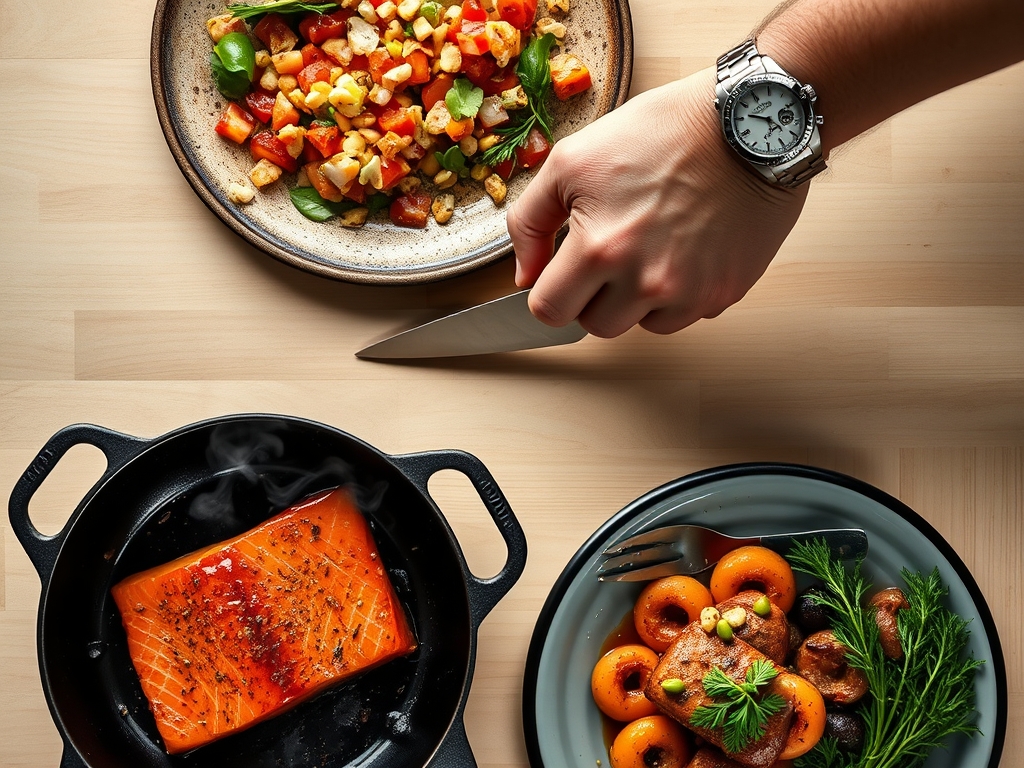
1. The Pellicle Formation
Pat the salmon dry with lint-free towels. Apply your Cajun rub generously, using a bench scraper to ensure the edges are coated. Let the fish sit uncovered in the refrigerator.
Pro Tip: This step creates the pellicle, a tacky surface layer of proteins. The science here is simple: smoke particles adhere more effectively to a dry, tacky surface than a wet one, ensuring a deeper flavor profile.
2. Calibrating the Heat
Prepare your smoker to a steady 225 degrees Fahrenheit. Use a mix of alder and cherry wood for a sweet, subtle smoke that does not overwhelm the Cajun spices.
Pro Tip: Maintaining a low, consistent temperature prevents the "white bead" effect. This white substance is albumin, a protein that is squeezed out of the muscle fibers if the heat rises too quickly. Low and slow keeps the albumin inside the fish.
3. The Infusion Phase
Place the salmon skin-side down on the grates. Close the lid and resist the urge to peek. Use a digital probe thermometer to monitor the internal temperature without opening the chamber and losing heat.
Pro Tip: Smoke absorption happens most rapidly during the first 30 minutes of cooking while the surface of the meat is still cool. This is the window where the most flavor is built.
4. The Glaze Application
In the final 15 minutes, use a saucier to warm a mixture of honey and apple cider vinegar. Lightly brush this over the salmon.
Pro Tip: This creates a gastrique-style glaze that provides an acid hit to cut through the fatty salmon. The sugar in the honey will caramelize slightly, adding a glossy finish and a "sticky-finger" texture.
5. Monitoring the Pull Temp
Pull the salmon when it reaches an internal temperature of 135 to 140 degrees Fahrenheit. The center should still be slightly translucent.
Pro Tip: This accounts for thermal carryover. Even after removal from the heat, the internal temperature will rise by 3 to 5 degrees. Pulling it early ensures the center remains succulent rather than chalky.
6. The Rest and Flake
Transfer the salmon to a wooden board and let it rest. Use a microplane to zest fresh lemon over the top just before serving.
Pro Tip: Resting allows the muscle fibers to relax and reabsorb the rendered fats. If you cut into it immediately, the juices will run out, leaving the protein dry.
The Deep Dive
Macro Nutrition:
Salmon is a nutritional powerhouse. A 6-ounce serving provides roughly 34 grams of high-quality protein and is rich in Vitamin B12 and Selenium. The Cajun rub adds negligible calories but provides a boost of capsaicin, which can slightly increase metabolic rate.
Dietary Swaps:
- Vegan: Use the same Cajun rub on thick slabs of "Lion's Mane" mushrooms or extra-firm tofu for a similar texture and flavor profile.
- Keto: Replace the brown sugar in the rub with erythritol and ensure the glaze is sugar-free.
- Gluten-Free: This recipe is naturally gluten-free; just ensure your spices do not contain anti-caking agents derived from grain.
The Fix-It:
- Problem: The fish is too salty. Fix: Next time, rinse the cure off after 30 minutes, or balance the current dish with an unsalted avocado crema.
- Problem: The skin is soggy. Fix: Start the salmon on a preheated heavy-bottomed skillet for 2 minutes skin-side down before moving it to the smoker.
- Problem: The smoke flavor is bitter. Fix: This is caused by "creosote" from poor airflow. Ensure your smoker's exhaust vent is fully open to allow clean smoke to circulate.
Meal Prep:
To reheat, avoid the microwave. Instead, use a low oven (275 degrees) with a splash of water in the pan, covered with foil. This creates a gentle steam environment that prevents the fats from oxidizing and turning "fishy."
The Wrap-Up
You now hold the keys to the ultimate Cajun smoked salmon. By understanding the interaction between the pellicle, the albumin, and the Maillard reaction, you have elevated a simple piece of fish into a culinary masterpiece. It is bold, it is fiery, and it is technically perfect. Go forth and smoke with confidence; your dinner guests are not ready for this level of flavor.
The Kitchen Table
How do I prevent the salmon from sticking to the smoker?
Always start with a clean, oiled grate. Alternatively, place the salmon on a sheet of parchment paper or a bed of sliced lemons. The lemons add a bright acidity while acting as a thermal buffer for the delicate skin.
What is the best wood for Cajun salmon?
Hickory or Pecan wood provides the most authentic Southern profile. These woods offer a strong, nutty smoke that stands up to the aggressive heat of cayenne and garlic. If you prefer a milder taste, fruitwoods like apple work beautifully.
Can I make this recipe in a standard oven?
Yes. Use a baking sheet with a wire rack to allow air circulation. Add a few drops of high-quality liquid smoke to your spice rub. Bake at 250 degrees until the internal temperature hits 135 degrees for a similar effect.
How long does smoked salmon stay fresh?
When stored in an airtight container in the refrigerator, smoked salmon remains at peak quality for three to four days. For longer storage, vacuum seal the portions and freeze for up to two months to prevent freezer burn and oxidation.