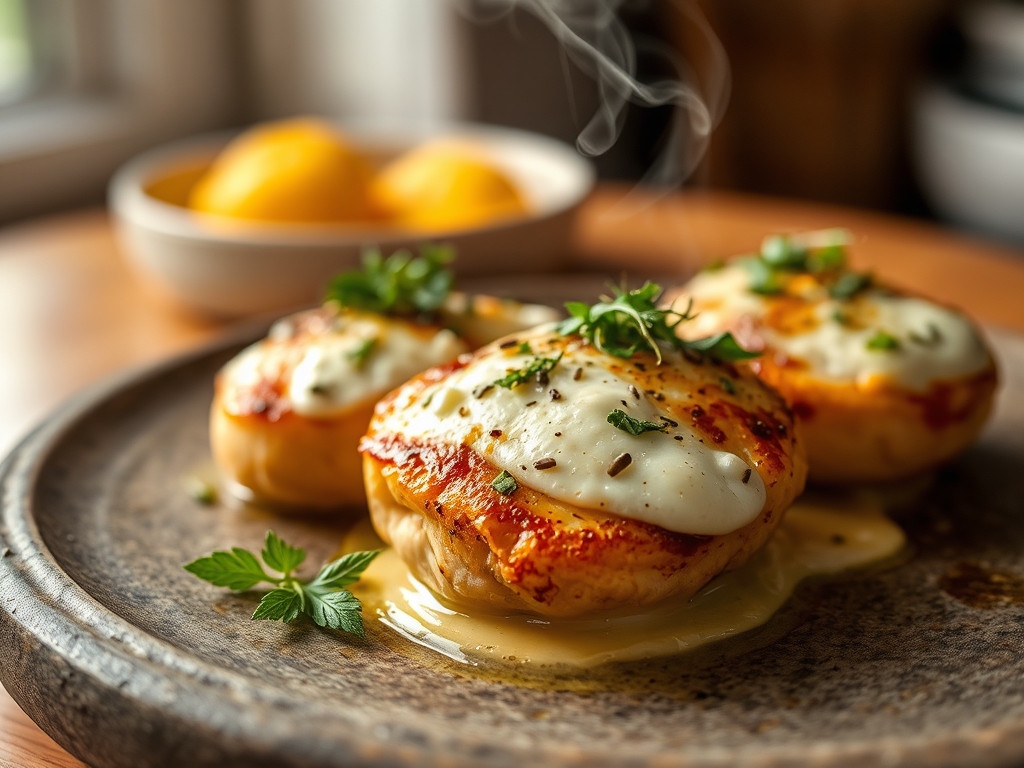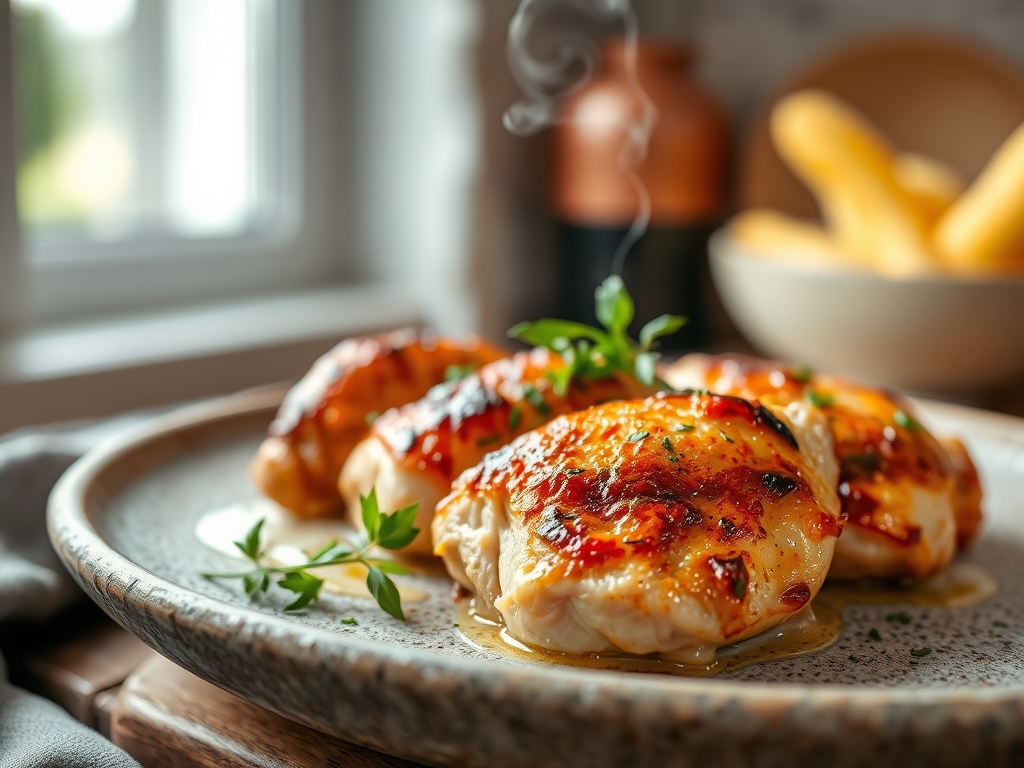
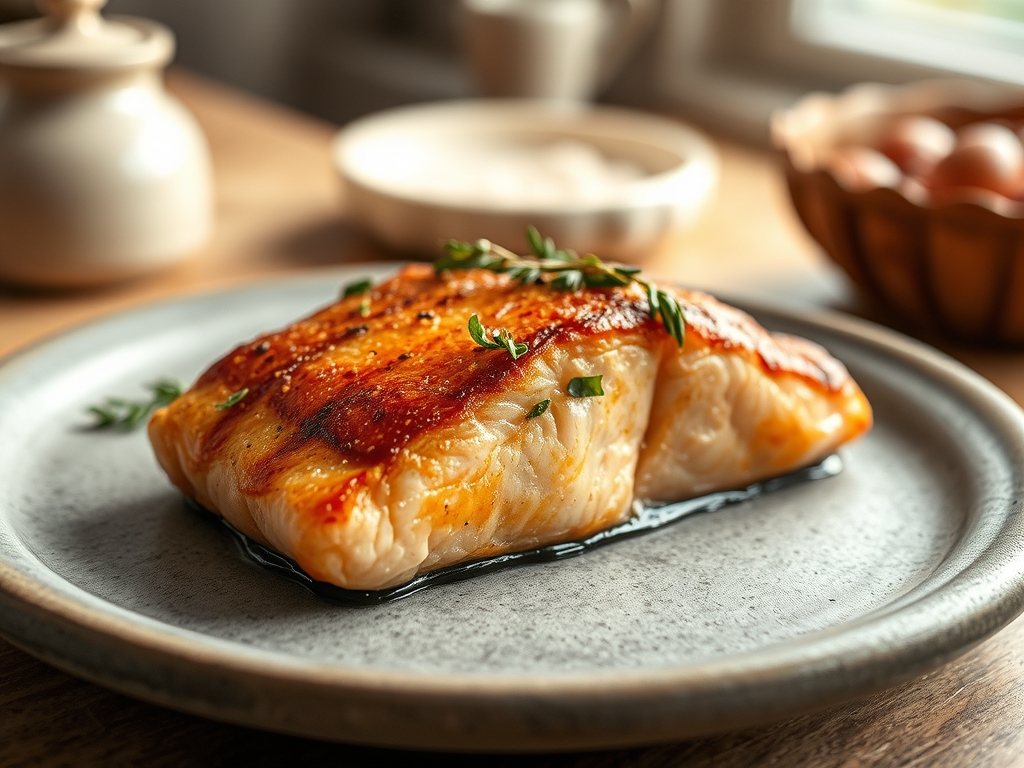
Imagine the scent of citrus zest hitting a hot pan and the sound of skin crisping to a perfect gold. When you master classic baked salmon recipes, you are not just cooking dinner; you are performing a delicate balancing act between heat and protein. It is the ultimate weeknight luxury that feels like a five star indulgence.
The beauty of salmon lies in its fat content. Unlike leaner white fish, salmon is forgiving because of its high concentration of Omega 3 fatty acids. These fats act as a thermal buffer, keeping the flesh succulent even as the exterior undergoes a beautiful transformation. To get that restaurant quality finish, you need more than a recipe; you need a deep understanding of how heat interacts with cellular structure. We are going to dive into the chemistry of the perfect flake, the science of the sear, and the nine secrets that will elevate your kitchen game from amateur to executive chef. Grab your favorite apron and a glass of crisp white wine. We are about to turn your oven into a precision tool for culinary excellence.
The Gathers:
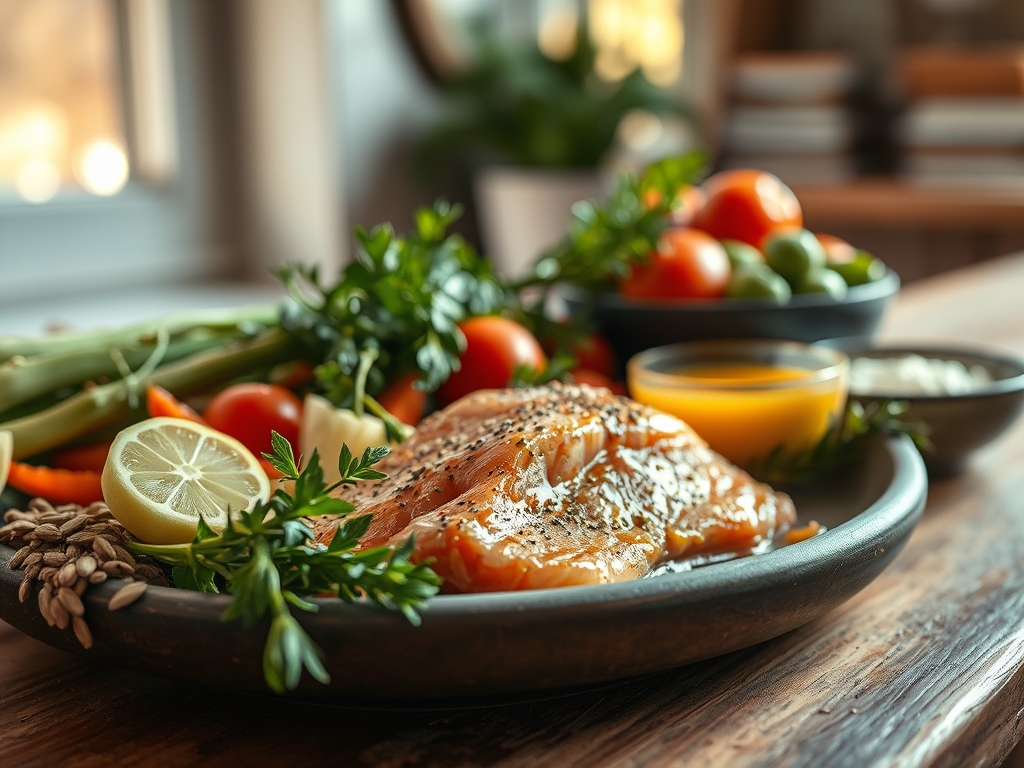
Before we even preheat the oven, we must respect the mise en place. Start with a high quality center cut fillet, ideally weighing around six ounces per person. Use a digital scale to ensure even portions; consistency in mass leads to consistency in cook time. You will need high smoke point fats like avocado oil or clarified butter to prevent acrid flavors during the initial sear.
For the aromatics, reach for fresh dill and parsley. Dried herbs lack the volatile oils necessary to truly infuse the fish. You will also need a microplane for zesting lemons. This tool is vital because it shears the zest into tiny particles that release maximum citrus oils without the bitter white pith. If you are looking for smart substitutions, swap honey for maple syrup to achieve a deeper caramelization, or use a splash of tamari instead of salt to introduce a piquant umami depth. If you are avoiding dairy, a high quality cashew cream can mimic the viscous mouthfeel of a traditional butter sauce without compromising the structural integrity of the dish.
The Clock
Efficiency in the kitchen is all about the Chef's Flow. Total preparation time should take no more than ten minutes if your station is organized. The actual bake time ranges between twelve and fifteen minutes, depending on the thickness of the fillet.
The secret to professional timing is the "resting phase." You must account for five minutes of rest post oven. This is not just downtime; it is a critical chemical period where the muscle fibers relax and reabsorb juices. If you cut into the fish the second it leaves the heat, the moisture will evacuate onto the plate, leaving you with a dry result. Plan your side dishes, like a quick blanched asparagus or a light quinoa salad, to finish exactly when the salmon begins its rest.
The Masterclass
1. The Tempering Technique
Remove your salmon from the refrigerator twenty minutes before cooking. Bringing the protein to room temperature ensures that the heat penetrates the center at the same rate as the exterior.
Pro Tip: This prevents "thermal shock." If the fish is too cold, the outside will overcook and become tough before the inside reaches the safe internal temperature of 145 degrees Fahrenheit.
2. The Desiccated Surface
Use a paper towel to pat the skin and flesh bone dry. Moisture is the enemy of the Maillard reaction. If the surface is damp, the fish will steam rather than sear.
Pro Tip: Removing surface moisture allows for enzymatic browning. This chemical reaction between amino acids and reducing sugars creates that savory, complex crust we all crave.
3. The Precision Seasoning
Season from a height of at least twelve inches. This ensures an even distribution of salt and pepper across the entire surface area of the fillet.
Pro Tip: Salt acts as a denaturant. It begins to break down the protein structures on the surface, which actually helps the seasonings stick better and creates a more cohesive crust.
4. The Saucier Infusion
In a small saucier, melt your butter over low heat and add smashed garlic cloves. Do not let the garlic brown; you want to gently infuse the fat with the garlic's aromatic compounds.
Pro Tip: Fat is a flavor carrier. By infusing the butter first, you ensure that every millimeter of the fish is coated in a uniform layer of flavor rather than biting into a raw piece of garlic.
5. The High Heat Sear
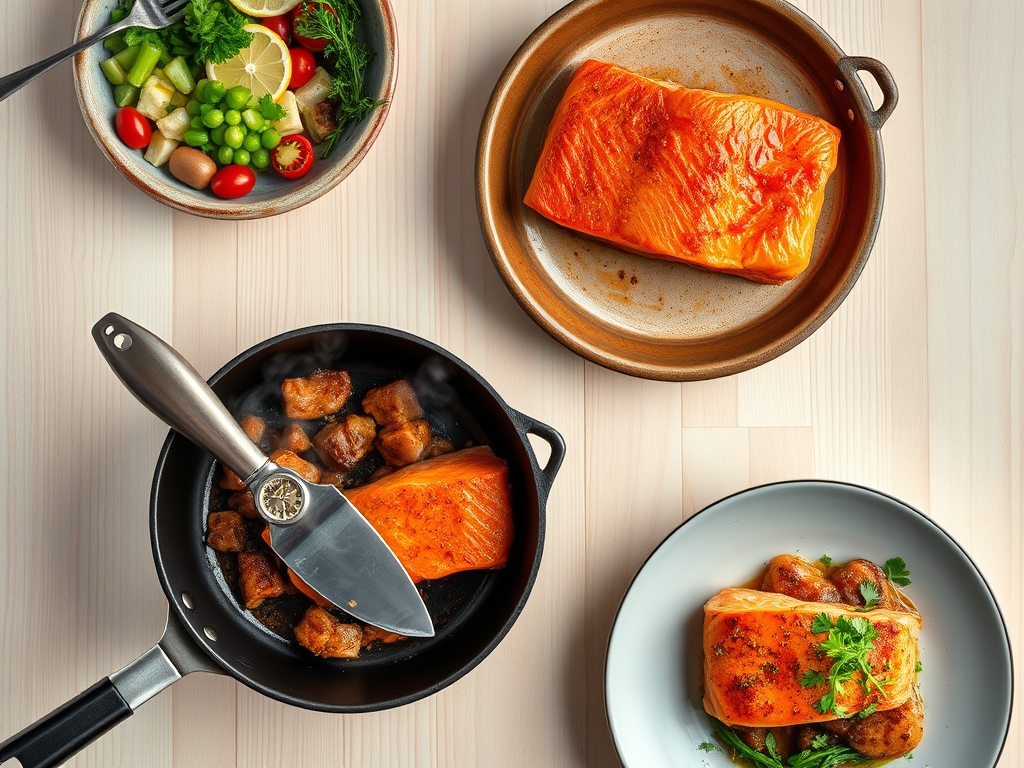
Place your heavy bottomed skillet over medium high heat. Once the oil shimmers, lay the salmon skin side down using tongs. Press down gently with a bench scraper to ensure full contact.
Pro Tip: This initial sear starts the rendering of the subcutaneous fat. This fat acts as a natural insulator, protecting the delicate flesh from the harsh heat of the oven.
6. The Glaze Application
Brush your honey or maple glaze onto the flesh side only after the initial sear. If you apply it too early, the sugars will burn before the fish is cooked through.
Pro Tip: Sugars undergo pyrolysis at high temperatures. By adding the glaze halfway through, you achieve a sticky, lacquered finish without the bitter notes of carbonization.
7. The Convection Finish
Transfer the skillet to a 400 degree oven. If you have a convection setting, use it to aerate the hot air around the fish for a more even cook.
Pro Tip: Convection cooking increases the rate of heat transfer. This allows the fish to cook faster, which preserves the internal moisture and prevents the "albumin" (the white protein) from leaking out.
8. The Carryover Calculation
Pull the salmon out of the oven when it reaches an internal temperature of 135 degrees. Use a digital thermometer to be precise.
Pro Tip: This utilizes thermal carryover. The residual heat trapped in the dense muscle fibers will continue to cook the fish as it rests, bringing it to a perfect 145 degrees without overshooting.
9. The Acidic Brightness
Finish the dish with a squeeze of fresh lemon juice and a sprinkle of Maldon sea salt. The acid cuts through the richness of the fat.
Pro Tip: Acid acts as a palate cleanser. It brightens the heavy lipids in the salmon, making the flavors "pop" and preventing the dish from feeling overly weighted or greasy.
The Deep Dive
From a macro perspective, salmon is a nutritional powerhouse. A standard portion provides roughly 35 grams of protein and 20 grams of healthy fats. It is naturally gluten free and fits perfectly into Keto or Paleo lifestyles. For a vegan alternative, you can apply these same glazing and searing techniques to a thick "steak" of cauliflower or a firm block of tofu, though the cook times will vary.
Even the best chefs face pitfalls. If your salmon is "bleeding" white goo, that is albumin. It means you cooked it too fast or too high; next time, lower the temp. If the skin is soggy, you likely didn't dry it enough or your pan wasn't hot enough. If the fish is sticking, you are likely trying to flip it too early. Protein "releases" from the pan naturally once the sear is complete.
When it comes to meal prep, reheating salmon is a science. Never use a microwave; it turns the fats rancid and the texture rubbery. Instead, place the leftover fillet in a cold oven and set it to 275 degrees. As the oven preheats, the fish warms gently, maintaining its "day one" flake and moisture.
The Wrap Up
Mastering classic baked salmon recipes is a gateway to culinary confidence. It teaches you to respect temperature, timing, and the transformative power of a good sear. By focusing on the science behind the sizzle, you turn a simple ingredient into a sophisticated masterpiece. Whether you are hosting a dinner party or just treating yourself after a long day, these nine secrets ensure a perfect result every single time. Now, go forth and cook with precision.
The Kitchen Table
How do I know when the salmon is done without a thermometer?
Gently press the top of the fillet with a fork. If the flesh flakes easily along the natural white lines, it is finished. The center should still look slightly translucent and moist rather than opaque and chalky.
Can I bake salmon from frozen?
It is possible but not recommended for the best texture. Frozen salmon releases excess moisture as it thaws in the oven, which prevents a proper sear. For the best results, always thaw your fish overnight in the refrigerator.
Why is my salmon skin not crispy?
A soggy skin usually results from trapped moisture. Ensure the skin is completely dry before hitting the pan. Also, avoid overcrowding the skillet, as this lowers the temperature and creates steam instead of a crisp sear.
What is the best way to store leftover salmon?
Place leftovers in an airtight glass container and refrigerate for up to three days. To maintain quality, avoid freezing cooked salmon, as the ice crystals will damage the delicate protein structures during the second thaw.