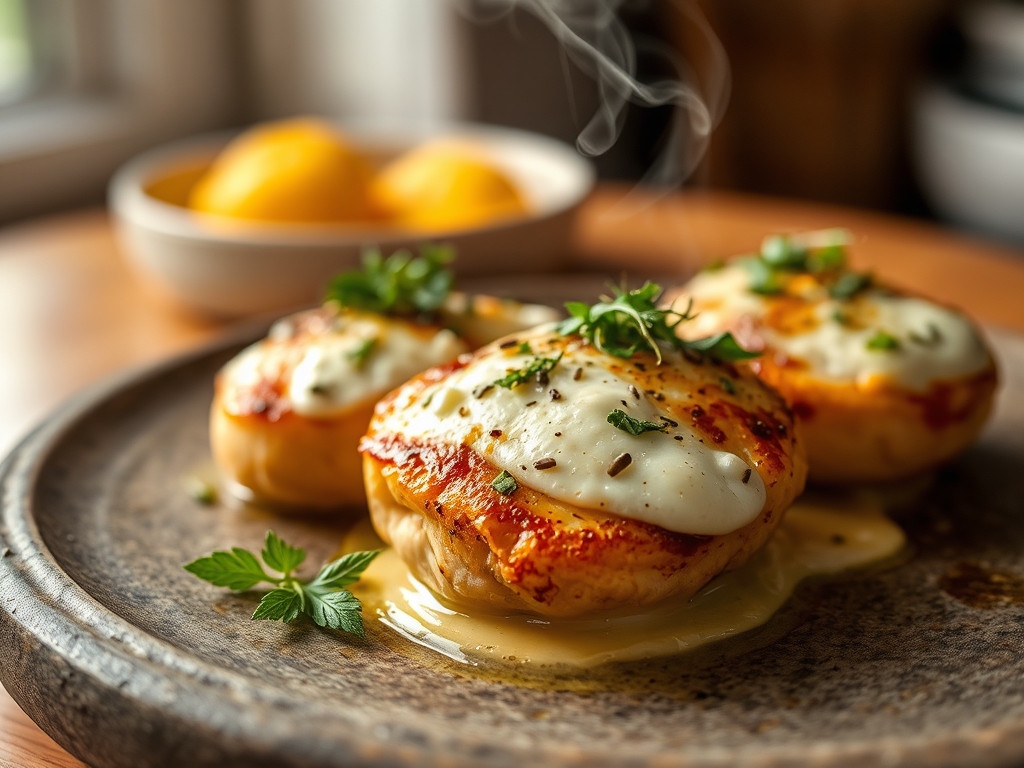
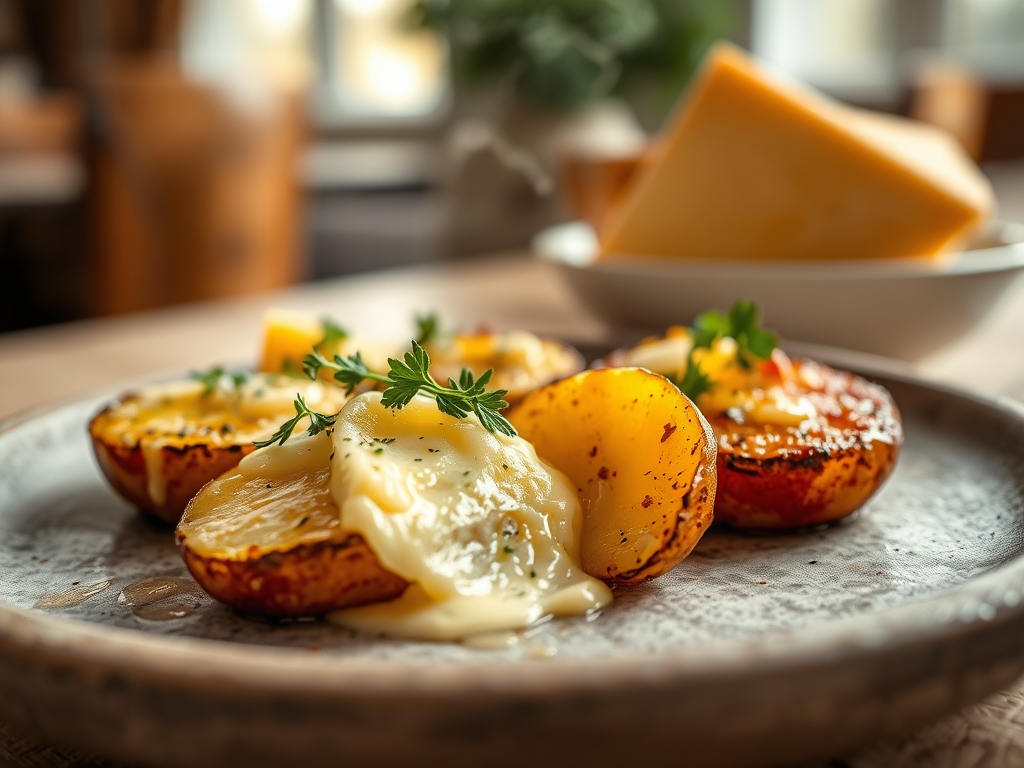
Imagine the scent of nutty, molten gold bubbling over earthy starch. There is a primal comfort in the union of gruyere cheese and potato recipes; it is the culinary equivalent of a cashmere blanket. When the piquant, alpine sharpness of the cheese meets the creamy canvas of a Yukon Gold, a complex chemical romance begins.
The secret to this partnership lies in the molecular structure of the ingredients. Potatoes provide a dense matrix of amylopectin and amylose starches, while Gruyere offers a unique protein structure that melts into a viscous, silk-like fluid without breaking. Whether you are layering a classic Gratin or stuffing a twice-baked skin, the goal is the same: achieving a perfect Maillard reaction on the surface while maintaining a velvety interior. This is not just comfort food; it is a masterclass in texture and temperature control. We are going to explore ten ways to elevate these humble tubers into sophisticated, restaurant-quality masterpieces that will make your kitchen the envy of the neighborhood. Grab your apron and your favorite heavy-bottomed skillet; we are diving into the science of deliciousness.
The Gathers:
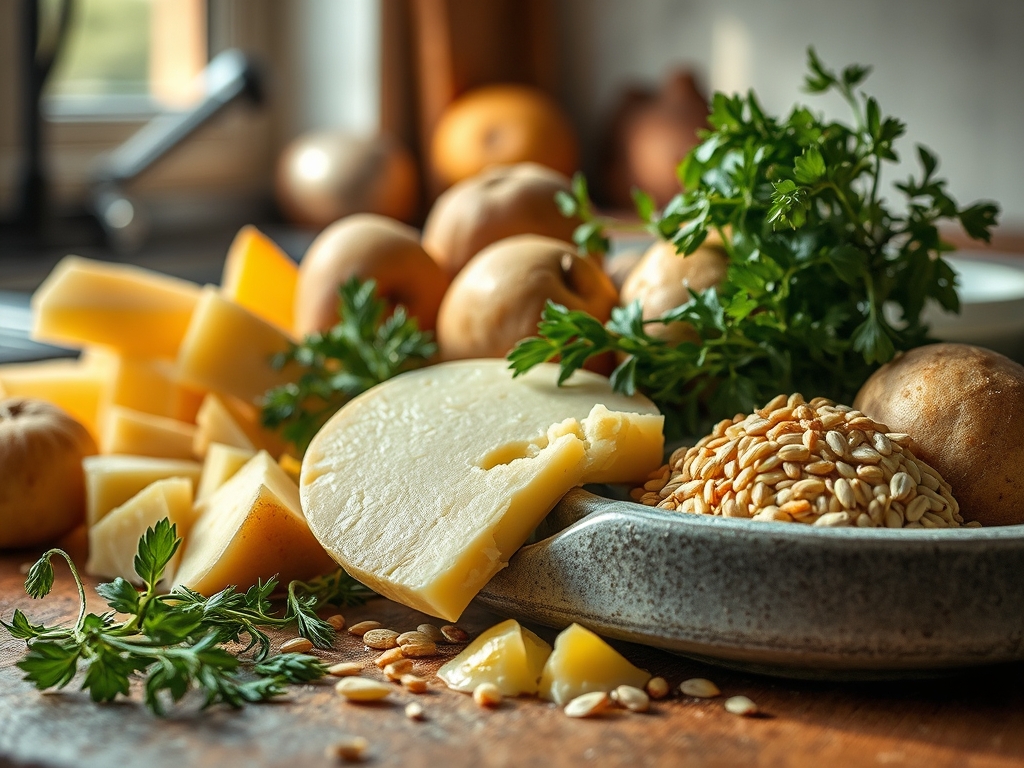
To execute these recipes with precision, your mise-en-place must be impeccable. Start with the potatoes. For high-moisture dishes like gratins, choose Yukon Golds for their medium starch content and buttery hue. If you are aiming for maximum fluff in a mash or a baked application, the Russet is king due to its high starch density.
The Gruyere itself should be Cave-Aged. Look for the tiny salt crystals that indicate a mature, complex flavor profile. You will also need heavy cream with at least 36 percent butterfat to ensure a stable emulsion that won't curdle under high heat. Aromatics are non-negotiable: fresh thyme, garlic cloves for infusion, and a whole nutmeg to grate using a microplane.
Smart Substitutions:
If Gruyere is unavailable, look for Comte or Emmental. They share the same alpine DNA and melting point. For a lighter profile, you can swap half the heavy cream for a high-quality chicken bone broth, though you will lose some of that luxurious mouthfeel. If you are avoiding nightshades, parsnips offer a similar starch profile with a sweeter, more herbaceous finish.
The Clock: Chef's Flow
Timing is the difference between a soggy mess and a golden masterpiece. A standard Gruyere and potato bake requires about 20 minutes of active prep and 60 to 75 minutes of passive roasting.
The Chef's Flow dictates that you should slice your potatoes last. Exposure to oxygen triggers enzymatic browning, which turns the flesh gray. While your oven preheats to a steady 375 degrees Fahrenheit, use a mandoline slicer to achieve uniform 1/8-inch rounds. This uniformity ensures that every slice reaches the "al dente" stage at exactly the same moment. While the potatoes roast, use that 60-minute window to prepare your protein or a crisp acidic salad to cut through the richness of the fats.
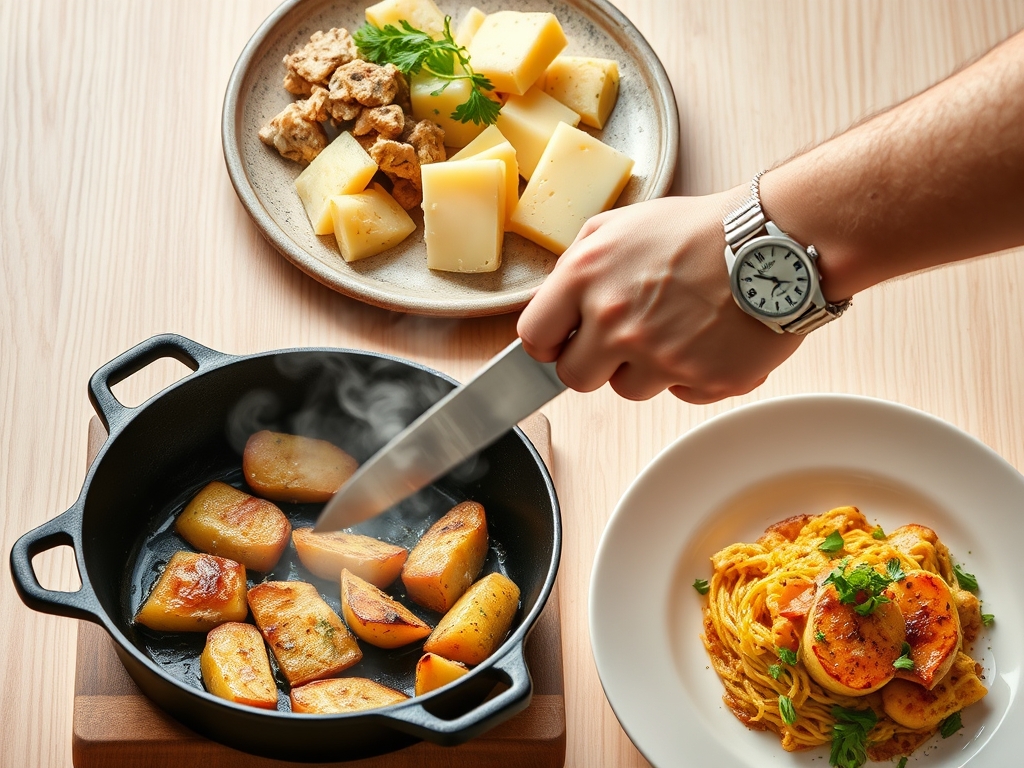
The Masterclass:
1. Precision Slicing and Starch Management
Use a mandoline to slice your potatoes into uniform rounds. Do not rinse them after slicing. The surface starch is essential for thickening the cream into a cohesive sauce.
Pro Tip: Keeping the surface starch intact allows it to act as a natural thickener through a process called starch gelatinization, where granules swell and absorb the liquid.
2. Infusing the Liquid Base
In a saucier, combine your cream, smashed garlic, and thyme. Bring it to a gentle simmer, then remove from heat to let the flavors infuse for ten minutes.
Pro Tip: Heat increases the kinetic energy of the fat molecules, allowing them to extract the fat-soluble compounds from the herbs more efficiently.
3. Layering for Structural Integrity
Butter your baking dish heavily. Create overlapping layers of potatoes, seasoning each layer with salt, pepper, and a dusting of Gruyere.
Pro Tip: Layering creates a "laminated" effect. As the potatoes release moisture, the cheese acts as a biological glue, preventing the dish from falling apart when sliced.
4. The First Bake: Softening the Matrix
Cover the dish tightly with foil and bake for 45 minutes. This creates a steam-chamber effect that softens the potato cellulose without browning the top too early.
Pro Tip: This stage focuses on hydrolysis, breaking down the rigid cell walls of the potato so they become tender and buttery.
5. The Final Reveal: The Maillard Finish
Remove the foil, add a final thick layer of Gruyere, and turn the oven up to 425 degrees Fahrenheit. Bake until the top is deeply bronzed and bubbling.
Pro Tip: The Maillard reaction occurs when amino acids and reducing sugars react under high heat, creating hundreds of different flavor compounds and that signature golden crust.
The Deep Dive:
From a nutritional standpoint, these dishes are calorie-dense, providing significant carbohydrates and fats. A single serving typically contains 450 calories, 30g of fat, and 35g of carbohydrates. However, it is also a powerhouse of potassium and calcium.
Dietary Swaps:
- Vegan: Use a cashew-based cream and nutritional yeast mixed with vegan butter for the "cheese" element.
- Keto: Replace potatoes with sliced daikon radish or cauliflower florets to significantly drop the glycemic load.
- Gluten-Free: Naturally, this dish is GF, provided you don't use flour to thicken your sauce.
The Fix-It:
- Broken Sauce: If the cream looks oily, the heat was too high. Fix it by whisking in a tablespoon of cold heavy cream to re-emulsify the fats.
- Crunchy Potatoes: If they are still hard, your slices were too thick. Add a splash of broth, cover with foil, and return to the oven for 15 minutes.
- Bland Flavor: If it tastes flat, it lacks acid. A tiny squeeze of lemon juice or a dash of white wine vinegar over the finished plate will brighten the heavy fats.
Meal Prep:
To reheat, avoid the microwave as it turns the cheese rubbery. Use an oven at 300 degrees Fahrenheit. The slow rise in temperature prevents the fats from separating, maintaining that "day-one" creamy texture.
The Wrap-Up:
Mastering gruyere cheese and potato recipes is a rite of passage for any serious home cook. It is about understanding how fat, starch, and heat dance together to create something far greater than the sum of its parts. When you pull that bubbling, fragrant dish out of the oven, you aren't just serving dinner; you are serving a scientific triumph. Go ahead, take that first crispy, cheesy bite; you have earned it!
The Kitchen Table:
Why does my Gruyere sauce look oily?
This usually happens when the sauce boils too vigorously, causing the fat to separate from the solids. Keep the heat at a gentle simmer and use high-fat cream to maintain a stable, velvety emulsion throughout the baking process.
Which potato is best for a cheesy gratin?
Yukon Golds are the gold standard. They possess a naturally buttery flavor and a medium-starch content that holds its shape while still absorbing the cream and cheese, unlike starchy Russets which may disintegrate into mush.
Can I make these potato recipes ahead of time?
Yes, you can par-bake the dish for 40 minutes, cool it, and refrigerate. When ready to serve, add the final cheese layer and finish in a hot oven. This actually improves the flavor as the aromatics continue to infuse.
How do I prevent the potatoes from turning gray?
Potatoes turn gray due to oxidation when exposed to air. To prevent this, slice them immediately before layering or keep the slices submerged in cold water with a splash of lemon juice until you are ready to assemble.