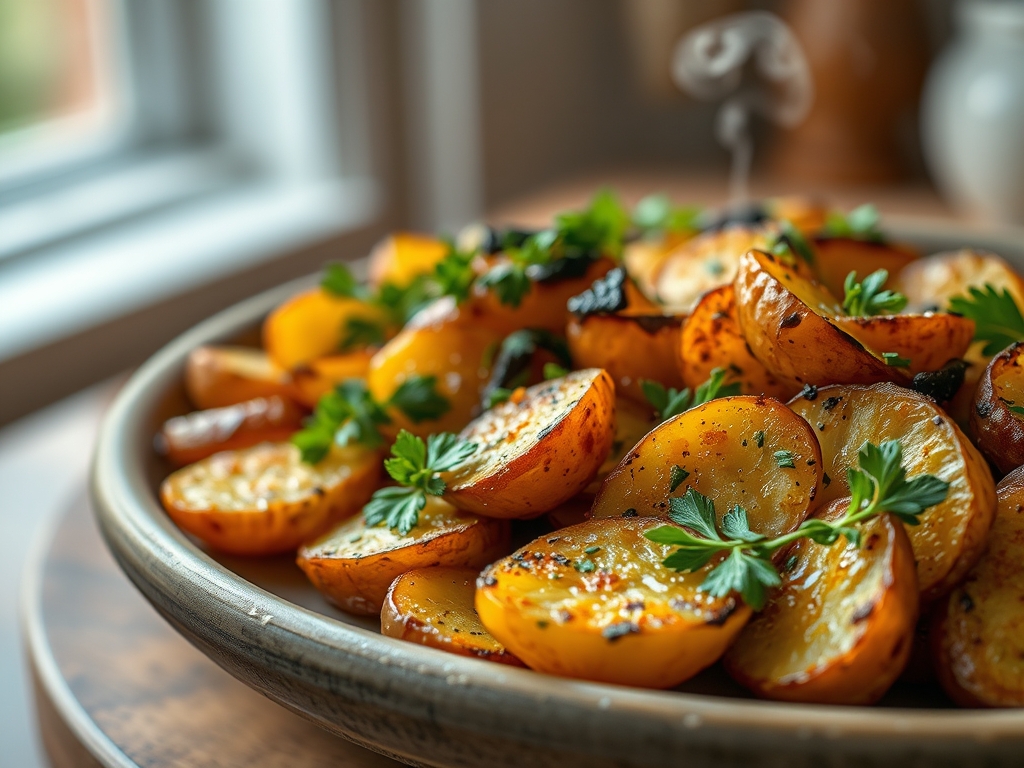
Imagine the sound of a heavy rimmed baking sheet sliding onto a cooling rack; it is a crisp, metallic snap that signals the arrival of the perfect side dish. There is a specific, intoxicating perfume that fills a kitchen when starch meets high heat and lipids. It is the scent of the Maillard reaction in full swing. We are talking about the ultimate comfort food transformed into a weeknight miracle. Mastering sheet pan potato recipes is not just about convenience; it is about understanding the architecture of a root vegetable. When you get it right, you achieve a glass-like exterior that yields to a center as fluffy as a cloud. This guide is your roadmap to seven distinct variations of the humble spud, ranging from piquant lemon-herb to deeply savory garlic parmesan. We are stripping away the fuss and focusing on the physics of the oven. Whether you are hosting a frantic Tuesday dinner or a slow Sunday brunch, these techniques ensure your potatoes are never soggy, never dull, and always the star of the plate. Let us turn up the heat and transform your sheet pan into a vessel of culinary gold.
The Gathers:
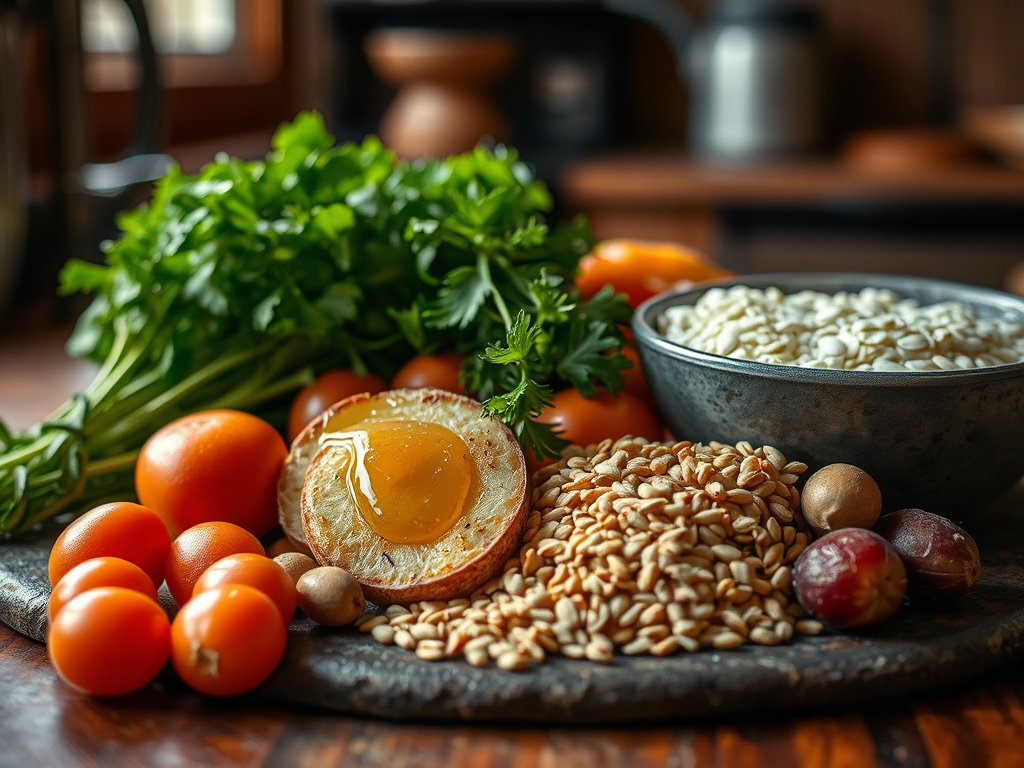
Before we ignite the burners, we must assemble our toolkit and inventory. Success begins with the specific gravity of your potato choice. For these sheet pan potato recipes, I recommend the Yukon Gold for its medium starch content and buttery texture; however, a classic Russet provides the highest starch-to-moisture ratio for maximum crunch. You will need a high-quality fat with a high smoke point, such as avocado oil or rendered duck fat, to ensure the potatoes roast without the oil breaking down into acrid compounds.
Your mise-en-place should include kosher salt for its jagged crystal structure that clings to surfaces, freshly cracked black pepper, and aromatics like woody rosemary or thyme. Grab your digital scale to ensure uniform sizing; consistency in mass equals consistency in cook time. If you are looking for smart substitutions, swap potato starch for cornstarch to get an even crispier coating, or use nutritional yeast instead of parmesan for a vegan umami bomb. Always have your bench scraper handy to move large volumes of chopped tubers from the cutting board to the pan without losing a single cube.
The Clock
Efficiency in the kitchen is all about the Chef's Flow. This is the art of overlapping tasks so that no second is wasted. For these recipes, expect a total commitment of 45 to 55 minutes. Your active prep time is a brisk 10 minutes; this involves washing, drying, and dicing. The remaining 35 to 45 minutes is passive roasting time.
The flow works like this: preheat your oven to 425 degrees Fahrenheit with the baking sheet already inside. This thermal priming ensures that the moment the potatoes hit the metal, the base begins to sear. While the oven climbs in temperature, use your microplane to zest citrus or grate garlic. By the time you finish your prep, the pan is screaming hot and ready for action. This method shaves minutes off the total time and guarantees a superior crust.
The Masterclass
1. The Prep and Parboil
Start by scrubbing your potatoes to remove debris. While many skip this, parboiling your potatoes in alkaline water (add a pinch of baking soda) for five minutes breaks down the exterior pectin. This creates a starchy slurry on the surface that dehydrates into a shatteringly crisp crust.
Pro Tip: The baking soda raises the pH of the water, which accelerates the breakdown of the potato's surface starch, leading to more surface area for the Maillard reaction to occur.
2. The Total Dehydration
After draining, let the potatoes steam-dry in the pot for two minutes. Use a saucier or a small pot to melt your butter or warm your oil with aromatics. Toss the potatoes vigorously until the edges look "fuzzy." This fuzz is the secret to a textural masterpiece.
Pro Tip: This is known as mechanical abrasion. By roughening the edges, you increase the surface area, allowing the oil to create a thicker, crunchier "shell" during the roasting process.
3. The High-Heat Infusion
Carefully pull your preheated sheet pan from the oven using heavy duty mitts. Pour the potatoes onto the hot surface; you should hear an immediate, aggressive sizzle. Use tongs to ensure every potato has one flat side making direct contact with the metal.
Pro Tip: This utilizes conductive heat transfer. The direct contact with the preheated metal initiates an immediate sear, preventing the potato from sticking and ensuring the bottom browns before the top dries out.
4. The Mid-Point Agitation
Halfway through the roasting time, use a wide metal spatula to flip the potatoes. You are looking for a deep mahogany color on the underside. If they resist flipping, give them five more minutes; they will naturally release from the pan once the crust has fully formed.
Pro Tip: This stage manages evaporative cooling. By flipping the potatoes, you allow the moisture trapped underneath to escape, ensuring the entire cube reaches a uniform level of dehydration and crispness.
5. The Final Aromatics
In the last five minutes of roasting, add your delicate herbs or minced garlic. Adding them too early results in bitter, burnt specks. The residual heat of the oil will infuse the flavor into the potatoes without scorching the volatile oils in the herbs.
Pro Tip: This technique avoids enzymatic browning of the herbs and preserves the bright, piquant notes of the aromatics, which would otherwise be destroyed by 40 minutes of intense heat.
The Deep Dive
When we look at the macro nutrition of sheet pan potato recipes, we see a powerhouse of complex carbohydrates and potassium. A standard serving provides roughly 200 calories, 4 grams of fiber, and zero cholesterol, provided you use plant-based oils. For those following a Keto lifestyle, you can swap the potatoes for cauliflower florets or radishes using the exact same roasting parameters. For a Vegan version, rely on high-quality olive oil and a sprinkle of smoked paprika for depth.
Even the best chefs run into pitfalls. If your potatoes are soggy, it is likely due to overcrowding; the steam from the potatoes gets trapped, effectively boiling them instead of roasting. The fix is simple: use two pans or a larger sheet. If they are burnt on the outside but raw inside, your oven temperature is too high; drop it by 25 degrees and move the rack to the center. For meal prep, never microwave your leftovers. Reheat them in a heavy-bottomed skillet over medium heat to re-render the fats and restore that "day-one" crunch.
The Wrap-Up
Mastering sheet pan potato recipes is a foundational skill that elevates every meal from basic to brilliant. By focusing on the science of heat and the chemistry of starch, you turn a simple root vegetable into a culinary event. Remember to respect the space on your pan, embrace the high heat, and always, always parboil for that extra crunch. Now, go forth and roast with confidence; your kitchen is about to smell incredible.
The Kitchen Table
Why are my sheet pan potatoes always soft?
Softness usually results from overcrowding the pan, which creates a steam-heavy environment. To fix this, ensure each potato piece has at least a half-inch of space. This allows moisture to evaporate quickly, facilitating a crisp, golden exterior through dry heat.
Do I really need to peel the potatoes?
Peeling is optional and depends on the variety. Yukon Gold and Red Bliss have thin skins that add texture and nutrients. Russets have thicker, tougher skins that some prefer removed for a more uniform, glass-like crunch on the exterior starch layer.
What is the best oil for roasting potatoes?
Choose an oil with a high smoke point, such as avocado, grapeseed, or clarified butter (ghee). These fats can withstand the 425 degree heat without breaking down into acrid flavors or releasing smoke, ensuring a clean, toasted taste profile.
How do I prevent potatoes from sticking to the pan?
Preheating your baking sheet before adding the potatoes is the most effective method. The immediate sear creates a structural crust that naturally releases from the metal. Using a generous amount of fat also creates a necessary barrier between starch and steel.