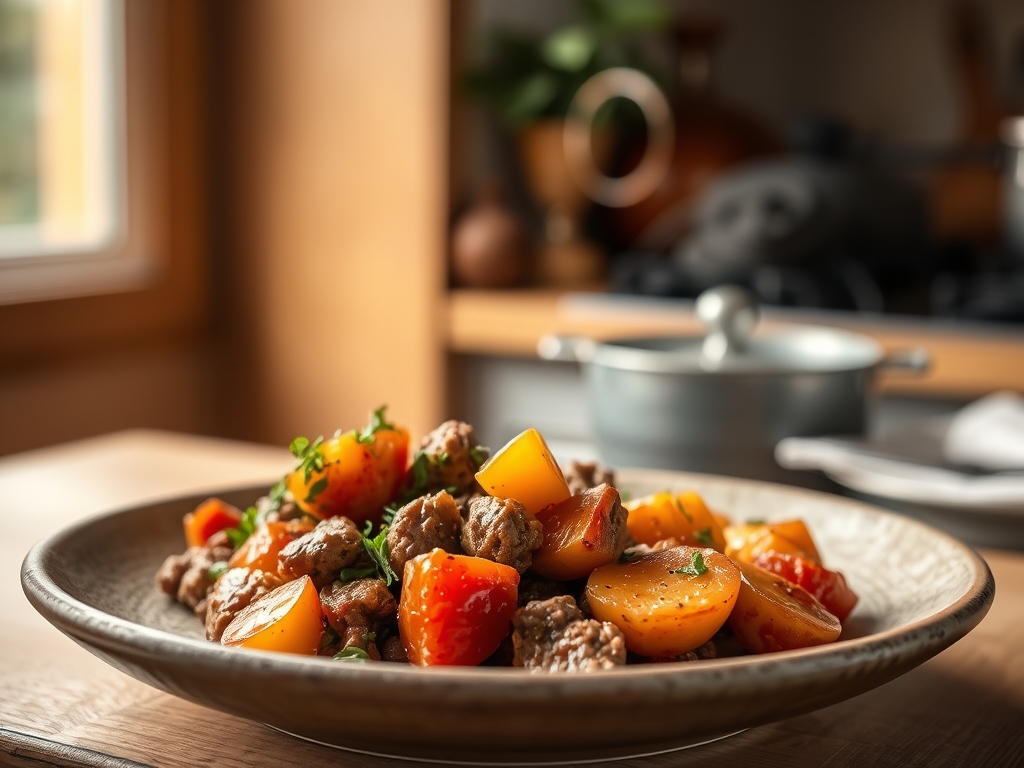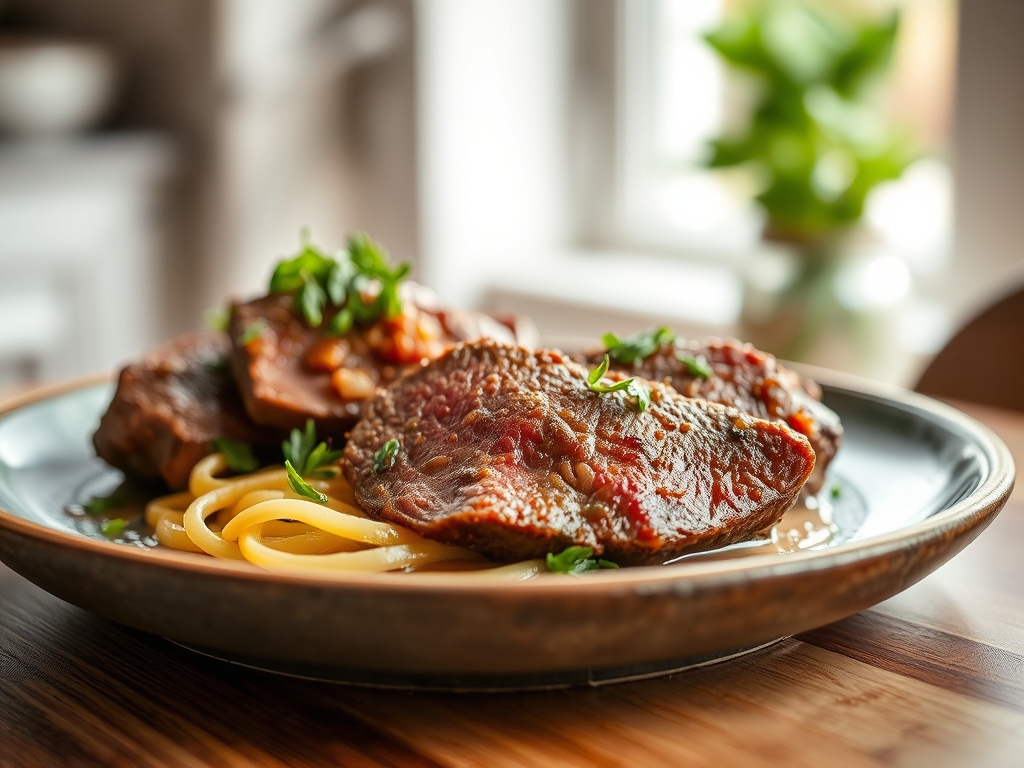
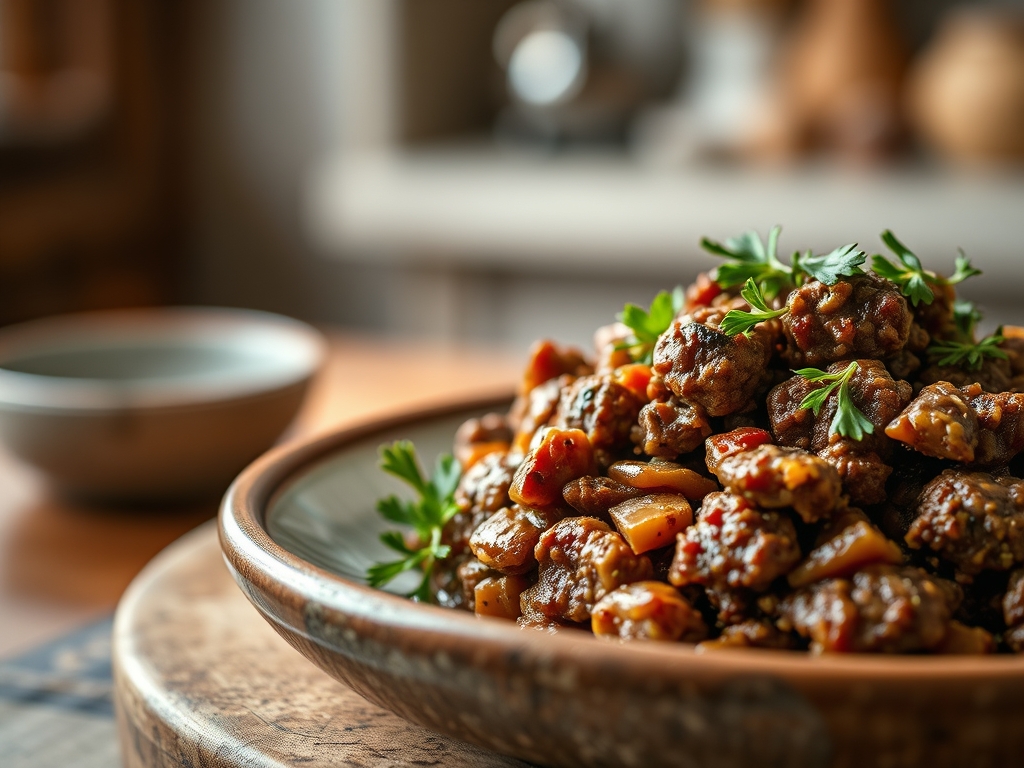
The kitchen is currently humming with the scent of toasted cumin and searing protein; it is a fragrance that signals comfort without the heavy caloric baggage. If you have been searching for diet ground beef recipes that actually satisfy your cravings while keeping your macros in check, you have arrived at the right workstation. We are moving beyond the bland, dry patties of yesteryear and embracing the chemistry of flavor to create eight distinct, slimming meals. By leveraging lean cuts and high-moisture aromatics, we can achieve a luxurious mouthfeel without excessive saturated fats. This is about working smarter with your ingredients; it is about understanding that a well-seared surface provides more satisfaction than a deep fryer ever could. We are going to transform standard pantry staples into a week of metabolic fuel that tastes like a weekend indulgence. Grab your favorite heavy-bottomed skillet and let us get to work.
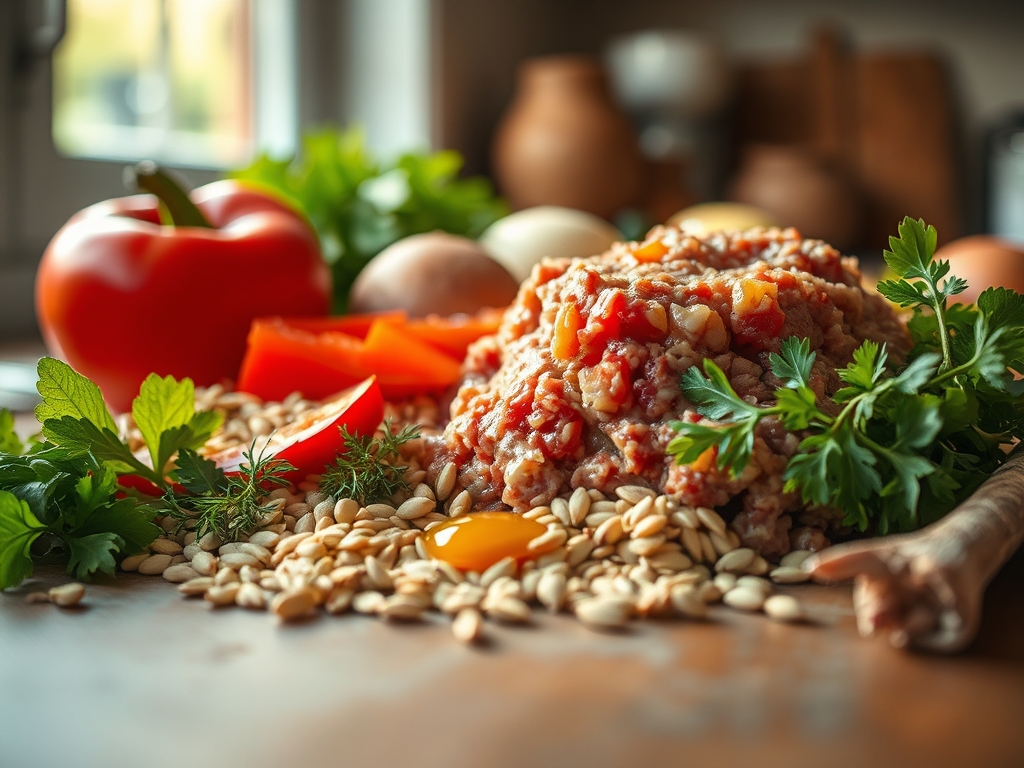
The Gathers:
To execute these diet ground beef recipes with precision, your mise-en-place must be impeccable. Start with the protein: look for 93/7 or 96/4 lean-to-fat ratios. While fat carries flavor, we will compensate for the lower lipid content by using umami-rich catalysts like liquid aminos, tomato paste, and dried porcini powder. You will need a vibrant array of aromatics: pungent garlic, sharp shallots, and the "holy trinity" of celery, onions, and carrots.
The science of "Smart Substitutions" is your best friend here. Instead of using heavy cream to create a viscous sauce, we utilize Greek yogurt or blended silken tofu to provide that silky texture with a fraction of the calories. For bulk, we incorporate "volume eaters" like riced cauliflower, shredded zucchini, and finely diced mushrooms. These ingredients mimic the texture of the beef while lowering the overall caloric density of the dish. Do not forget your acids; a splash of apple cider vinegar or a squeeze of fresh lime will brighten the heavy notes of the beef and provide a piquant finish that cuts through the richness.
The Clock
Efficiency in the kitchen is governed by what I call the "Chef's Flow." For these eight meals, expect a total preparation time of 25 minutes and a collective cooking time of 40 minutes if you are batch-prepping the base protein. A digital scale is non-negotiable here for portion accuracy. By browning the beef in one large batch and then partitioning it into different flavor profiles, you save approximately 90 minutes of active stove time over the course of a week. This "parallel processing" ensures that your Tuesday taco bowl and your Thursday Mediterranean stir-fry both benefit from the same high-heat Maillard reaction initiated on Sunday.
The Masterclass
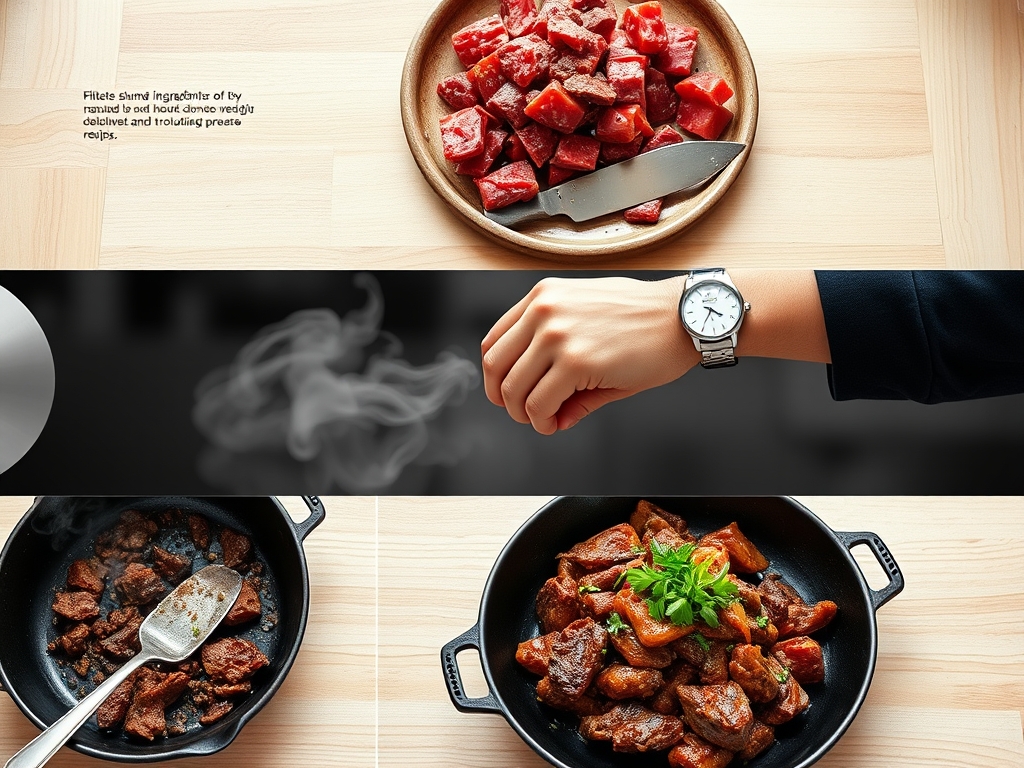
1. The High-Heat Sear
Place your heavy-bottomed skillet over medium-high heat until it reaches a shimmering state. Add the lean beef in a flat layer, resisting the urge to stir immediately. You want to maximize surface contact to initiate the Maillard reaction, which is the chemical reaction between amino acids and reducing sugars that creates a savory, browned crust.
Pro Tip: Avoid overcrowding the pan. When too much moisture is released at once, the beef will steam in its own juices rather than sear, resulting in a gray, rubbery texture instead of a flavorful brown crust.
2. Rendering and Deglazing
As the beef browns, use a bench scraper or wooden spoon to break the meat into uniform crumbles. Once the meat is cooked through, you may notice a thin film of caramelized proteins stuck to the bottom of the pan; this is called the fond. Pour in a small amount of beef stock or dry wine to deglaze the pan, scraping up those flavorful bits to incorporate them back into the sauce.
Pro Tip: Deglazing is a form of solvent extraction. The liquid dissolves the flavor compounds trapped in the fond, ensuring that no depth of flavor is lost to the sink during cleanup.
3. Infusing the Aromatics
Push the meat to the perimeter of the pan and add your minced garlic and ginger to the center. Allow them to bloom in the residual heat for exactly 30 seconds until they become fragrant. This process allows the essential oils in the aromatics to infuse the small amount of fat remaining in the pan, distributing flavor more evenly than if they were tossed in at the end.
Pro Tip: This is known as "blooming" spices. Heat releases volatile aromatic compounds that are fat-soluble, creating a more complex and layered flavor profile in your diet ground beef recipes.
4. Integrating Volume Fillers
Fold in your finely diced mushrooms or zucchini. These vegetables have a high water content and will begin to release moisture, which helps to keep the lean beef from becoming dry and granular. Continue to sauté until the vegetables have softened and the flavors have melded into a cohesive mixture.
Pro Tip: Mushrooms contain glutamate, a natural flavor enhancer. By finely mincing them to match the size of the beef crumbles, you increase the "meatiness" of the dish without adding extra fat.
5. The Acid Balance
Just before removing the skillet from the heat, add your final touch of acidity. Use a microplane to zest a lemon or lime directly over the meat, followed by a quick squeeze of the juice. This provides a top-note of brightness that balances the deep, earthy tones of the beef.
Pro Tip: Acidity acts as a chemical contrast. It stimulates the salivary glands, which makes the flavors of the beef feel more intense and satisfying on the palate.
The Deep Dive
When we look at the macro nutrition of these diet ground beef recipes, we are aiming for a high-protein, moderate-fat, and low-carbohydrate profile. A standard 4-ounce serving of this prepared beef typically contains 22g of protein and 8g of fat. For those following a Keto protocol, serve the beef over a bed of buttery spinach. For Vegan guests, substitute the beef with a crumbled tempeh or a pea-protein crumble, though you may need to add a teaspoon of liquid smoke to mimic the beef's depth.
The Fix-It: Technical Solutions
- The Meat is Dry: If your lean beef feels parched, whisk a teaspoon of cornstarch into a quarter-cup of beef broth and stir it into the meat. This creates a light slurry that coats the protein in a moist, velvety film.
- The Flavor is Flat: You likely need more salt or acid. However, try a dash of fish sauce first. It provides a massive hit of umami without making the dish taste like seafood.
- Too Much Liquid: If your vegetables turned the pan into a soup, increase the heat to high and move the meat to the sides. Let the center liquid boil rapidly to evaporate the excess water and concentrate the sugars.
Meal Prep Science: To maintain "day-one" quality when reheating, avoid the microwave if possible. Instead, use a small saucier with a tablespoon of water or stock over medium heat. This creates a gentle steam environment that rehydrates the protein fibers without overcooking them into a "leathery" state.
The Wrap-Up
Mastering diet ground beef recipes is less about restriction and more about the intelligent application of heat and seasoning. By focusing on the Maillard reaction, utilizing umami-rich vegetables, and balancing your finished dishes with bright acids, you can enjoy gourmet-level meals that support your fitness goals. Your kitchen is now a laboratory of flavor; go forth and sear with confidence!
The Kitchen Table
Can I use frozen ground beef for these recipes?
Yes, but ensure it is fully thawed in the refrigerator first. Pat the meat dry with paper towels before searing. Excess surface moisture causes steaming rather than browning, which ruins the texture and prevents the Maillard reaction from occurring.
What is the best way to store leftovers?
Store cooked beef in airtight glass containers for up to four days. Glass is non-porous and won't retain odors or stains from tomato-based sauces. Ensure the meat has cooled to room temperature before sealing to prevent condensation and sogginess.
How do I make the beef taste less "gamey"?
Soaking the raw beef in a tablespoon of milk or adding a pinch of baking soda 15 minutes before cooking can neutralize strong odors. Additionally, using fresh aromatics like ginger and garlic helps mask any metallic notes in very lean cuts.
Is 96/4 beef too dry for burgers?
Lean beef can be dry, so fold in moisture-rich ingredients like grated onions or finely chopped mushrooms. These "internal hydrators" release steam during the cooking process, keeping the patty juicy even without the traditional high fat content of standard ground chuck.