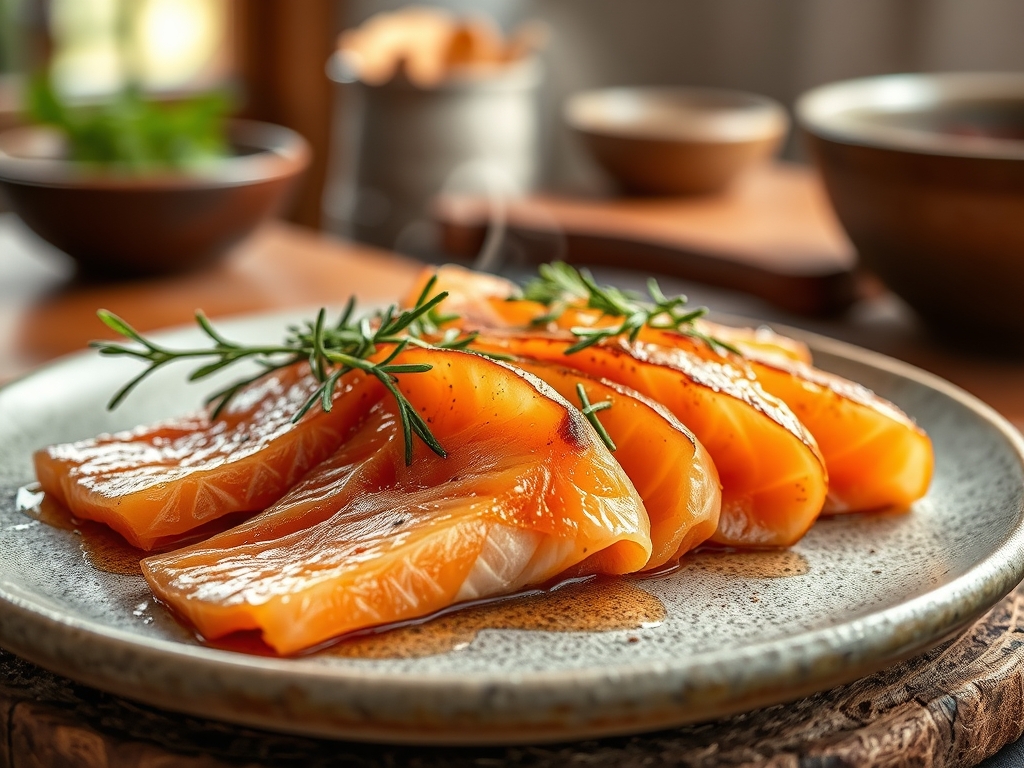
Picture the precise, buttery glide of a Japanese steel blade through a cold fillet of Atlantic salmon. There is a specific, tactile thrill in achieving that translucent, paper-thin ribbon that catches the light. When you master thin sliced salmon recipes, you are not just cooking; you are manipulating surface area to maximize flavor absorption and texture.
The magic of this cut lies in its versatility. Because the fish is sliced so thin, the heat penetrates almost instantly, allowing for a delicate sear that preserves the interior moisture. Whether you are looking for a quick weeknight crudo or a flash-seared appetizer, these techniques transform a simple protein into a gourmet experience. We are going to dive into the chemistry of the sear, the physics of the marinade, and the art of the presentation. Grab your sharpest knife; we are about to turn your kitchen into a high-end bistro.
The Gathers:
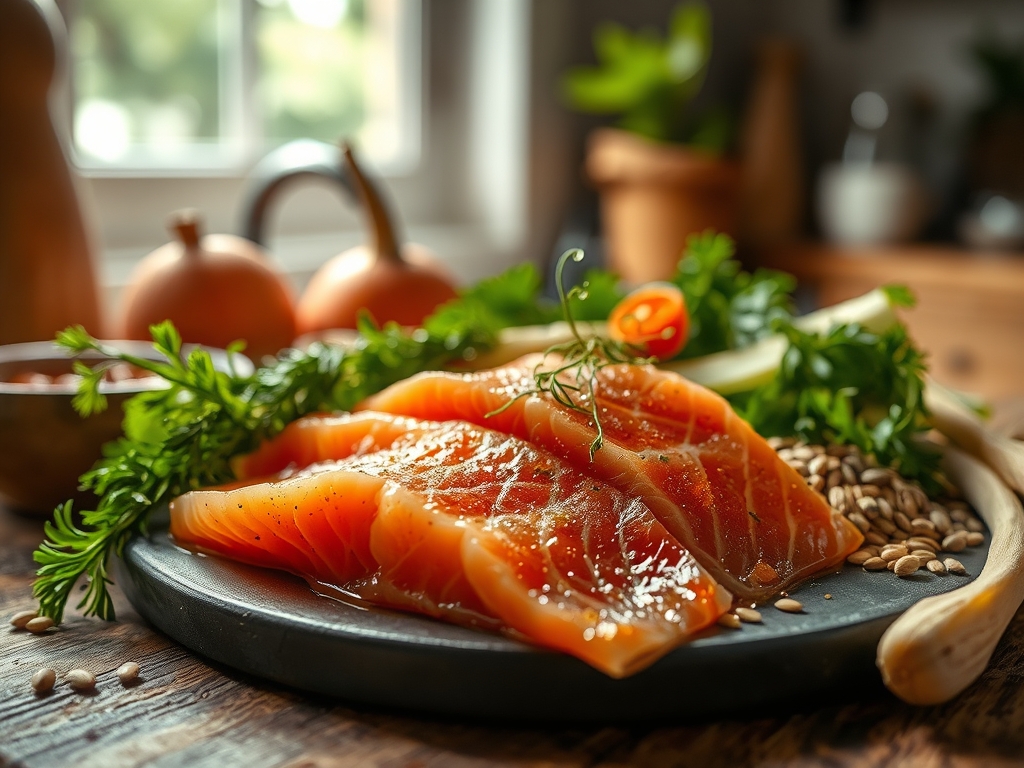
To execute these thin sliced salmon recipes with precision, your mise-en-place must be impeccable. Start with high-quality, sushi-grade salmon. You will need a digital scale to ensure portion consistency, as even a few grams can alter the cook time for such delicate slices. On your workstation, arrange a microplane for zesting citrus, a small saucier for emulsifying dressings, and a bench scraper to keep your board clear of debris.
The aromatic profile focuses on viscous oils and piquant acids. You will need extra virgin olive oil, toasted sesame oil, and fresh Meyer lemons. For the textural elements, gather Maldon sea salt, toasted sesame seeds, and micro-greens.
Smart Substitutions:
If you cannot find fresh salmon, high-quality frozen sockeye works well if thawed slowly in the refrigerator to maintain cellular integrity. Instead of soy sauce, use liquid aminos for a gluten-free profile. If you lack a microplane, a fine grater works, but be careful not to include the bitter white pith of the citrus.
The Clock
Efficiency in the kitchen is all about the Chef's Flow. For these thin sliced salmon recipes, the total prep time is approximately 15 minutes, with a cook time of less than 2 minutes per batch.
The Breakdown:
- Chilling (Optional but Recommended): 20 minutes in the freezer makes the fish firm enough for paper-thin slicing.
- Slicing and Prep: 10 minutes.
- The Flash Cook: 60 to 90 seconds.
The flow is simple: Prep your garnishes first, then slice the fish last to maintain its cold temperature. This ensures the fat remains solid and the flesh does not tear.
The Masterclass
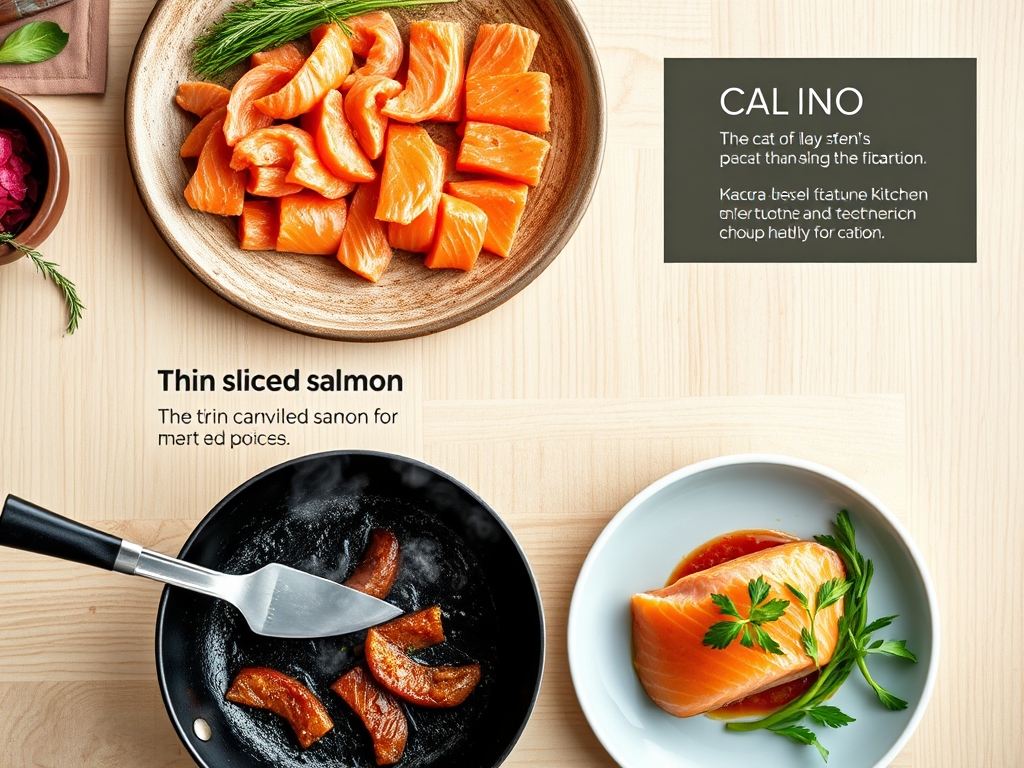
1. The Precision Cut
Using a long, sharp slicing knife, cut the salmon against the grain at a 45-degree angle. Aim for slices about 1/8 inch thick. Note the texture in the step-by-step photos above; the edges should be clean, not ragged.
Pro Tip: This angle increases the surface area exposed to heat or acid. By cutting against the grain, you are shortening the muscle fibers, which results in a more tender mouthfeel. This is a form of mechanical tenderization.
2. The Cold Cure
Lay the slices on a chilled plate and lightly dust with sea salt and a touch of sugar. Let them sit for five minutes before adding any liquid.
Pro Tip: This is a mini-brine. The salt draws out moisture via osmosis, which then dissolves the salt and sugar into a concentrated brine that is reabsorbed. This seasons the fish deeply and firms up the protein structure.
3. The Infusion
In your saucier, whisk together citrus juice, a dash of ginger, and a high-smoke-point oil. Use a whisk to aerate the mixture until it is slightly thickened.
Pro Tip: Creating a stable emulsion allows the flavors to coat the fish evenly rather than sliding off. The acid in the citrus begins to denature the proteins, a process known as "cold cooking" or chemical coagulation.
4. The Flash Sear
Heat a heavy-bottomed skillet until it is shimmering. Using tongs, lay each slice down for exactly 30 seconds per side.
Pro Tip: We are looking for the Maillard reaction, a chemical reaction between amino acids and reducing sugars that gives browned food its distinctive flavor. Because the slice is thin, the heat reaches the center almost instantly, so speed is vital.
5. The Deglaze
Once the salmon is removed, pour a splash of rice vinegar or white wine into the hot pan. Use a wooden spoon to scrape up the browned bits.
Pro Tip: This process, called deglazing, captures the concentrated flavors left in the pan. The liquid lifts the fond (the browned bits), creating a complex, savory pan sauce to drizzle over your thin sliced salmon recipes.
6. The Aromatic Finish
Garnish with fresh herbs and citrus zest using your microplane. Add a drop of toasted sesame oil for a nutty aroma.
Pro Tip: Volatile aromatic compounds are released when you zest citrus or bruise herbs. Adding these at the very end ensures they do not dissipate under high heat, providing a fresh, sensory "pop" upon serving.
7. The Resting Phase
Transfer the salmon to a warm plate and let it rest for exactly 60 seconds before serving.
Pro Tip: Even with thin slices, thermal carryover occurs. The internal temperature will continue to rise by a few degrees after removal from heat. Resting allows the muscle fibers to relax and reabsorb juices.
The Deep Dive
Macro Nutrition:
Salmon is a powerhouse of Omega-3 fatty acids, specifically EPA and DHA. A standard 4-ounce serving of thin sliced salmon provides roughly 22 grams of protein and 13 grams of healthy fats. It is naturally low in carbohydrates, making it an ideal choice for metabolic health.
Dietary Swaps:
- Vegan: Use thinly sliced King Oyster mushroom caps or marinated watermelon.
- Keto: Ensure your marinades are sugar-free; use monk fruit sweetener if needed.
- Gluten-Free: Always swap soy sauce for tamari or coconut aminos.
The Fix-It:
- Fish is tearing: Your knife is likely dull. Use a whetstone to sharpen it, or put the salmon in the freezer for 15 minutes to firm it up.
- Salmon is rubbery: You have overcooked it. Thin slices cook in seconds. Reduce your pan time or use a lower heat setting.
- Bland flavor: You didn't salt early enough. Salt needs time to penetrate the protein. Ensure you season at least five minutes before cooking.
Meal Prep:
To reheat thin sliced salmon recipes without losing "day-one" quality, avoid the microwave. Instead, place the slices in a steamer basket for 60 seconds or gently warm them in a pan with a tablespoon of water and a lid to create steam. This prevents the fats from becoming rancid and keeps the texture silky.
The Wrap-Up
Mastering thin sliced salmon recipes is a total game-changer for your culinary repertoire. It is fast, sophisticated, and scientifically fascinating. By understanding how surface area affects heat transfer and how acids denature protein, you have moved beyond following a recipe to truly understanding the medium. Go ahead and show off those knife skills; your dinner guests (and your palate) will thank you!
The Kitchen Table
How do I slice salmon thin without it falling apart?
Chill the salmon in the freezer for 15 to 20 minutes before slicing. This firms the fats and proteins, allowing your knife to glide through without tearing the delicate flesh. Always use a very sharp, non-serrated blade.
Is thin sliced salmon safe to eat raw?
Only if you use "sushi-grade" or "sashimi-grade" salmon that has been flash-frozen to kill parasites. Always verify with your fishmonger that the salmon is intended for raw consumption before preparing it as crudo or carpaccio.
What is the best way to sear thin salmon?
Use a high-smoke-point oil in a preheated heavy-bottomed skillet. Sear for only 30 to 45 seconds per side. The goal is a quick Maillard reaction on the surface while keeping the interior tender and moist.
Can I use frozen salmon for these recipes?
Yes, but thaw it slowly in the refrigerator overnight. Pat it extremely dry with paper towels before slicing. Excess moisture will cause the fish to steam rather than sear, ruining the desired texture and flavor profile.