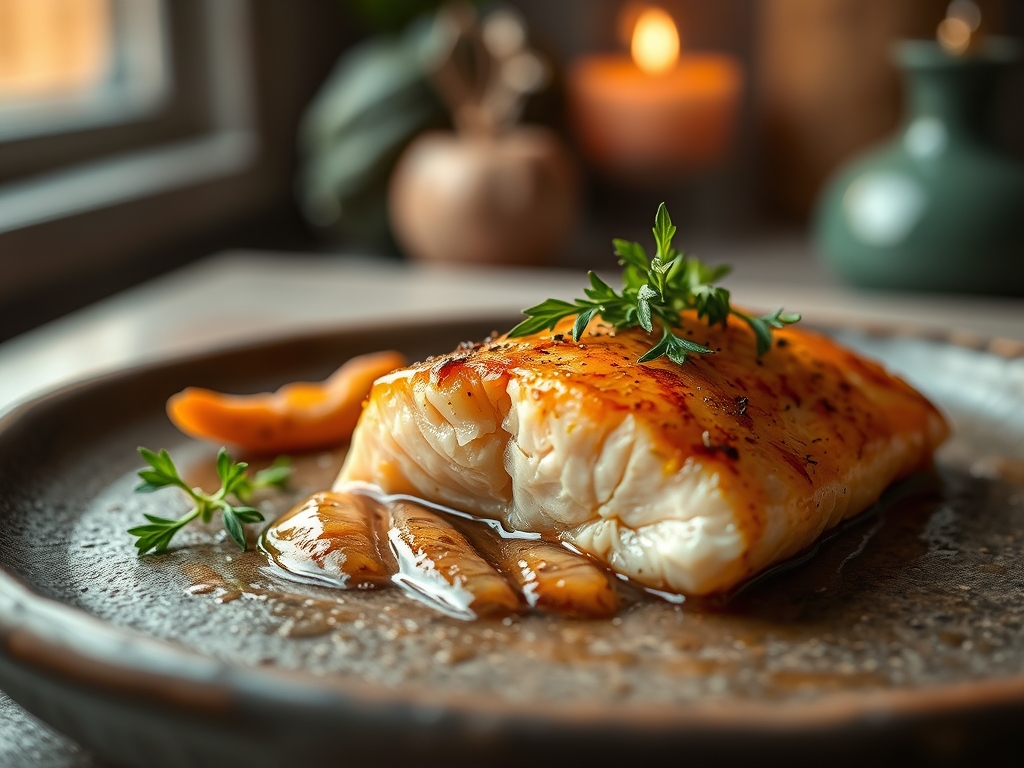
Imagine the scent of a heavy bottomed skillet hitting its smoke point as a cold fillet of Atlantic salmon meets the heat. There is a specific, crackling music that happens when protein meets fat; it is the sound of a perfect crust forming. When you are hunting for the best salmon recipes ginger garlic is the flavor profile that transforms a standard weeknight meal into a high end bistro experience. The sharp, citrusy bite of fresh ginger cuts right through the luxurious fat of the fish, while garlic provides a savory, umami base that lingers on the palate. We are not just cooking dinner tonight; we are orchestrating a chemical reaction that balances acidity, heat, and salt. This is the ultimate guide to mastering that golden, glazed finish that looks like a million bucks but takes less than twenty minutes to achieve.
The Gathers:
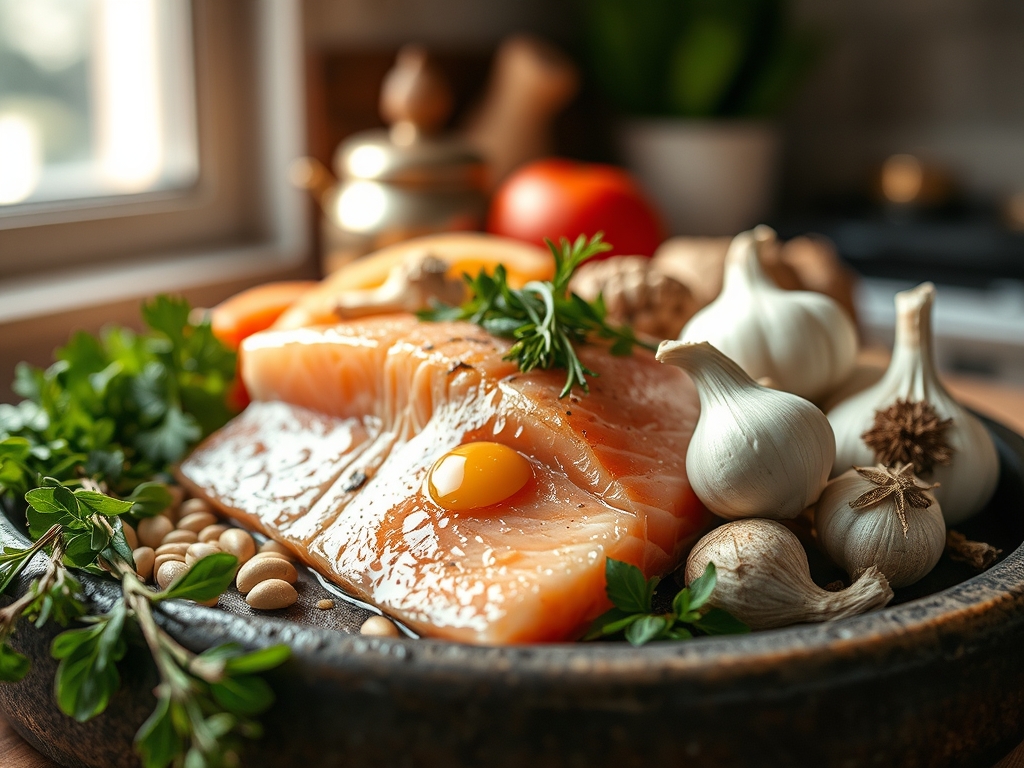
To achieve professional results, your mise en place must be precise. Start with center cut salmon fillets, ideally six to eight ounces each. You will need high quality soy sauce or tamari for that deep, viscous base. Freshness is non negotiable here. Grab a knob of ginger that feels heavy for its size and a head of garlic with tight, papery skin. You will also need toasted sesame oil, honey or maple syrup for caramelization, and a neutral high smoke point oil like avocado or grapeseed oil.
Smart Substitutions: If you are dodging soy, coconut aminos offer a similar salty profile with a hint of sweetness. No fresh ginger? A ginger paste works, but avoid the dried powder as it lacks the volatile oils necessary for this specific aroma. For a spicy kick, a teaspoon of sambal oelek or sriracha can be whisked into the glaze to add a piquant edge.
The Clock
Efficiency in the kitchen is about the Chef's Flow. Your total active prep time is exactly ten minutes, followed by a swift eight to ten minutes of cooking. The secret is the "Resting Phase." You must allow the salmon to sit at room temperature for fifteen minutes before it touches the pan. This prevents the muscle fibers from seizing up, which ensures a flakey, tender interior. While the fish rests, you will use your microplane to grate the aromatics. This maximizes surface area, allowing the ginger and garlic to infuse the sauce almost instantly.
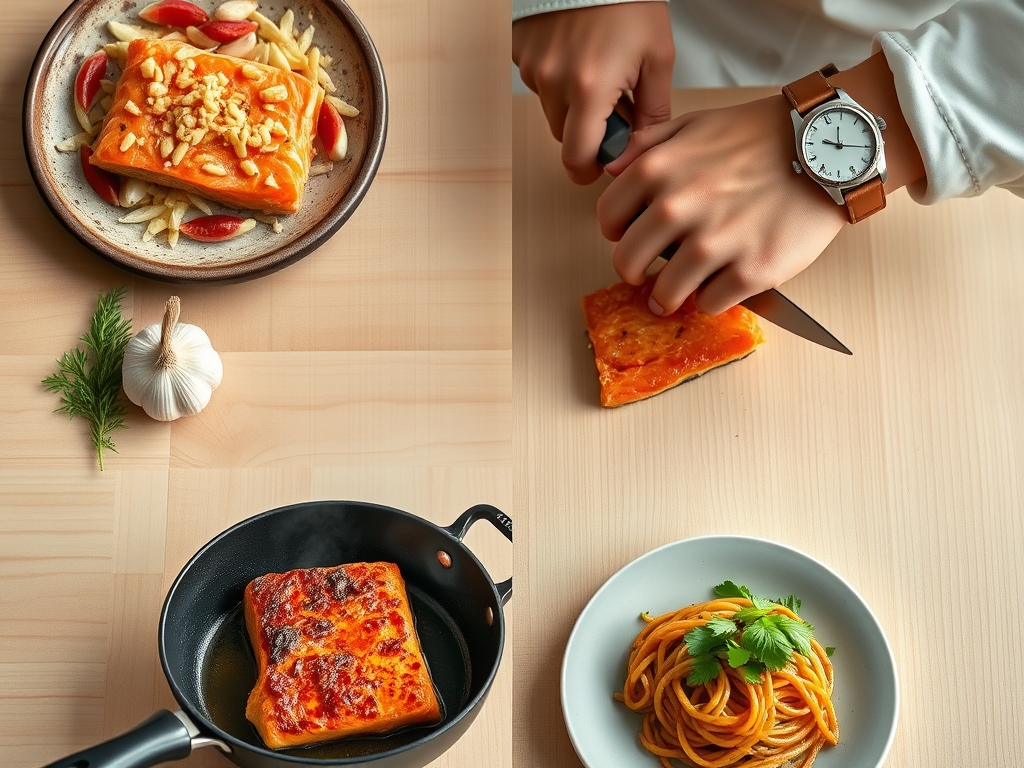
The Masterclass:
1. The Surface Prep
Pat the salmon skin dry with a paper towel until it is bone dry. Moisture is the enemy of the Maillard reaction. Use a sharp chef knife to score the skin slightly if it is a thick cut.
Pro Tip: Drying the skin prevents steam from forming between the fish and the pan. This ensures the skin becomes crisp rather than rubbery through a process called evaporative cooling.
2. The Grate and Infuse
Using a microplane, grate three cloves of garlic and one inch of peeled ginger into a small saucier. Add your soy sauce, honey, and a splash of rice vinegar.
Pro Tip: Grating creates a paste that releases allicin in the garlic and gingerol in the ginger. These compounds are highly reactive and provide the signature "zing" of the dish.
3. The Sear
Heat your heavy bottomed skillet over medium high heat. Once the oil shimmers, lay the salmon skin side down. Press down firmly with a flexible fish spatula for thirty seconds.
Pro Tip: Pressing the fish prevents the protein fibers from curling. This ensures even heat distribution across the entire surface of the skin for a uniform render of the subcutaneous fat.
4. The Flip and Glaze
Once the skin is crisp and the flesh has cooked about two thirds of the way up the side, flip the fillets. Immediately pour your ginger garlic mixture into the pan.
Pro Tip: This is called deglazing. The liquid picks up the browned bits (fond) from the bottom of the pan, incorporating those deep flavors back into the sauce.
5. The Baste
Use a large spoon to continuously pour the bubbling sauce over the top of the salmon for the final sixty seconds of cooking.
Pro Tip: This technique, known as arrosage, uses hot fat and sugar to coat the fish. It creates a glossy, lacquer like finish through enzymatic browning.
6. The Thermal Finish
Remove the pan from the heat when the internal temperature reaches 125 degrees Fahrenheit. Move the fish to a warm plate.
Pro Tip: Carryover cooking will raise the internal temperature by another 5 to 10 degrees while the fish rests. This prevents the albumin (the white protein) from leaking out and drying the fish.
The Deep Dive
Macro Nutrition: This dish is a powerhouse of Omega 3 fatty acids, which are essential for brain health. A standard serving provides roughly 34 grams of protein and 18 grams of healthy fats. By using honey sparingly, the glycemic load remains relatively low.
Dietary Swaps: For a Keto version, swap the honey for a liquid monk fruit sweetener or simply omit it. For a Vegan alternative, this exact ginger garlic glaze works beautifully on thick "steaks" of roasted cauliflower or firm tofu pressed with a bench scraper.
The Fix-It:
- Burnt Garlic: If your garlic turns bitter, it likely hit the pan too early. Always add aromatics once the pan has been deglazed with liquid to buffer the heat.
- Soggy Skin: This happens if the pan wasn't hot enough. Use a digital thermometer to ensure your oil is at least 375 degrees Fahrenheit before adding the fish.
- Stuck Fillets: If the fish won't lift, it isn't ready. Protein "releases" from the pan naturally once the crust has formed.
Meal Prep: To reheat salmon without it smelling "fishy" or becoming dry, avoid the microwave. Place it in a covered dish with a tablespoon of water at 275 degrees Fahrenheit for ten minutes. This creates a gentle steam environment that preserves the delicate fats.
The Wrap-Up
Mastering salmon recipes ginger garlic style is about respecting the chemistry of the ingredients. From the crisp snap of the skin to the viscous, sweet, and savory glaze, every element serves a purpose. You now have the technical prowess to handle a skillet like a pro and the scientific knowledge to troubleshoot any kitchen mishap. Go grab your tongs and get that pan screaming hot; your best dinner yet is only a sear away.
The Kitchen Table
How do I stop salmon from sticking?
Ensure the pan is preheated and the fish is patted completely dry. Use a high smoke point oil and wait for the protein to naturally release from the surface before attempting to flip it with a spatula.
Can I use bottled ginger or garlic?
Fresh is superior because bottled versions often contain phosphoric acid or salt which alters the flavor. Freshly grated aromatics provide volatile oils that create the signature piquant aroma and bright, sharp taste essential for this glaze.
What is the best internal temperature for salmon?
For a moist, flakey texture, aim for an internal temperature of 130 to 135 degrees Fahrenheit. Pull the fish off the heat at 125 degrees to account for carryover cooking while the fillets rest on the plate.
Why does white stuff come out of my salmon?
The white substance is called albumin. It is a harmless protein that pushes to the surface when the fish is cooked too fast or overcooked. Cooking at a slightly lower temperature helps minimize this effect.