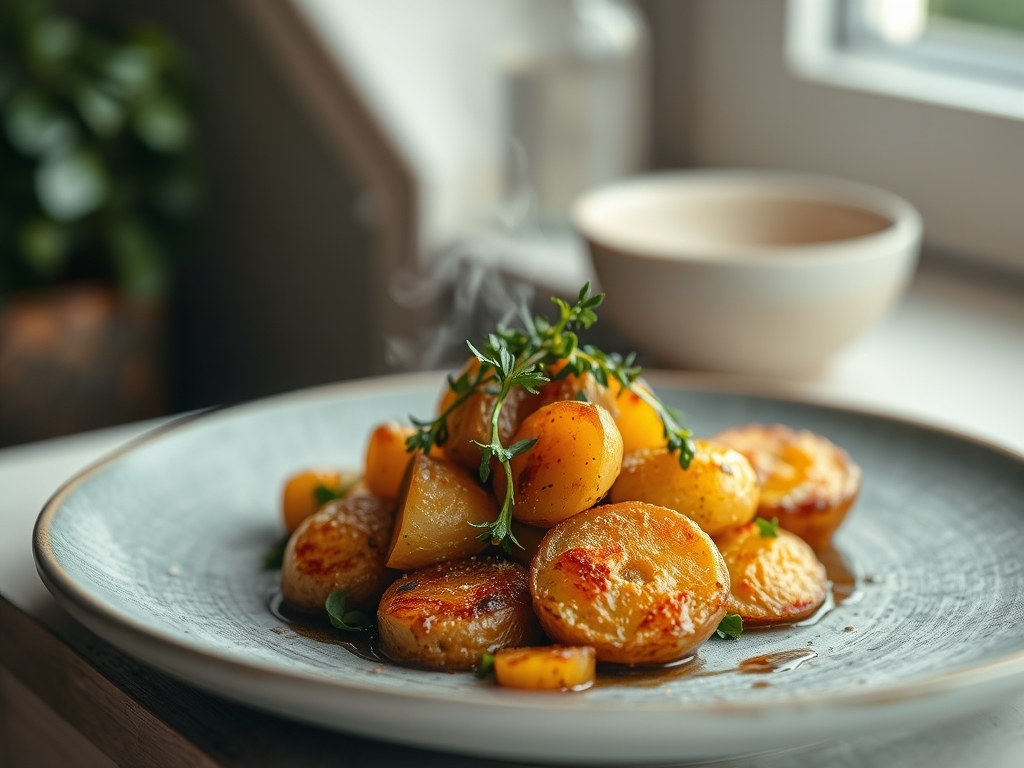
Imagine a kitchen filled with the scent of rosemary infused olive oil and the rhythmic sound of a chef knife meeting a wooden board. Potatoes are the ultimate canvas; they are earthy, humble, and capable of incredible structural transformation. When you are hunting for vegan potato recipes main dish options, you are looking for more than a side. You want a plate that commands attention through texture, starch gelatinization, and deep umami development. We are moving beyond the boiled spud into the realm of crispy, creamy, and complex masterpieces that satisfy the soul and the science of hunger.
The Gathers:
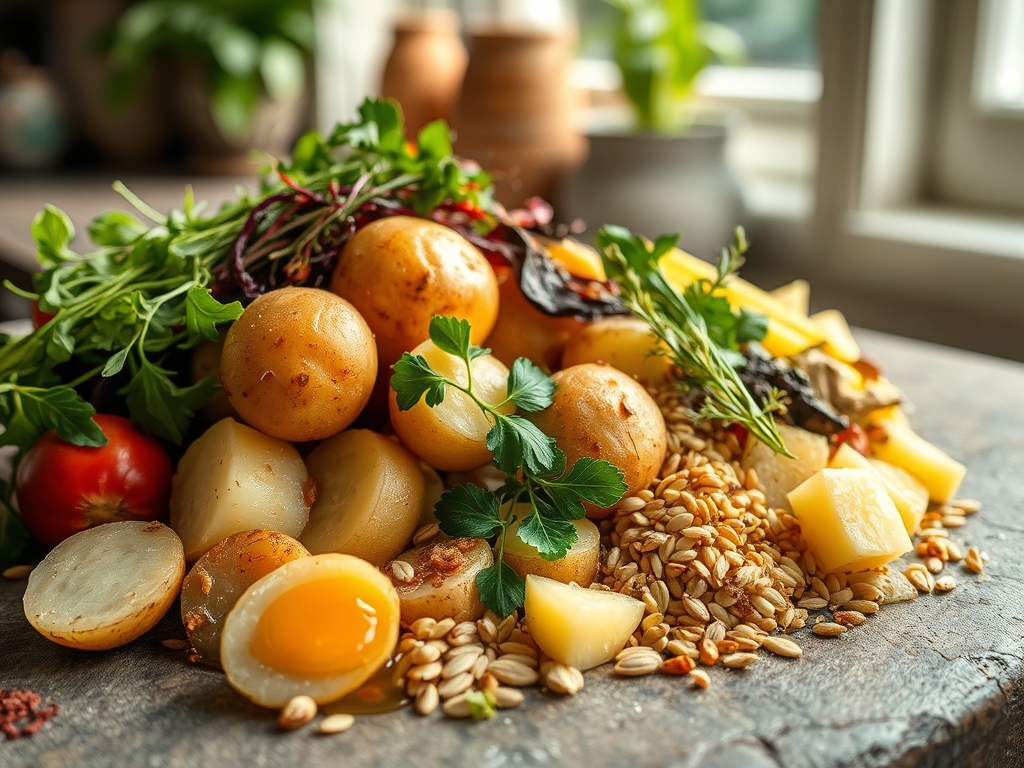
To execute these dishes, your mise-en-place must be precise. Start with the starch selection. For a Shepherd's Pie with Lentil Ragout, choose Yukon Golds for their high amylopectin content, which creates a naturally buttery mouthfeel without dairy. For Crispy Smashed Potatoes with Chimichurri, reach for small red-skinned varieties; their waxy texture holds together during the initial parboil.
You will need a high-quality heavy-bottomed skillet to ensure even heat distribution and a microplane for zesting citrus and grating fresh garlic into a fine paste. Smart substitutions are your best friend here. Instead of heavy cream, use full-fat coconut milk or a cashew cream to provide a viscous texture. Nutritional yeast offers a piquant, cheesy depth, while liquid smoke or smoked paprika can infuse a dish with the "charred" notes typically provided by animal fats. Always keep a digital scale nearby; measuring your tubers by weight rather than count ensures your seasoning ratios remain mathematically perfect.
The Clock
Efficiency in the kitchen relies on "Chef's Flow," which is the art of overlapping tasks to minimize downtime. Expect a total time investment of 45 to 70 minutes depending on the specific recipe.
The flow begins with the "Cold Start." Always place your potatoes in cold, heavily salted water rather than dropping them into a boil. This prevents the outside from becoming mushy before the center reaches the ideal temperature. While the potatoes undergo thermal conduction, use your bench scraper to clear your board of aromatics. Prepare your sauces and garnishes during the simmer phase. By the time the potatoes are tender, your oven is preheated, your sauces are emulsified, and you are ready for the final high-heat sear or bake.
The Masterclass
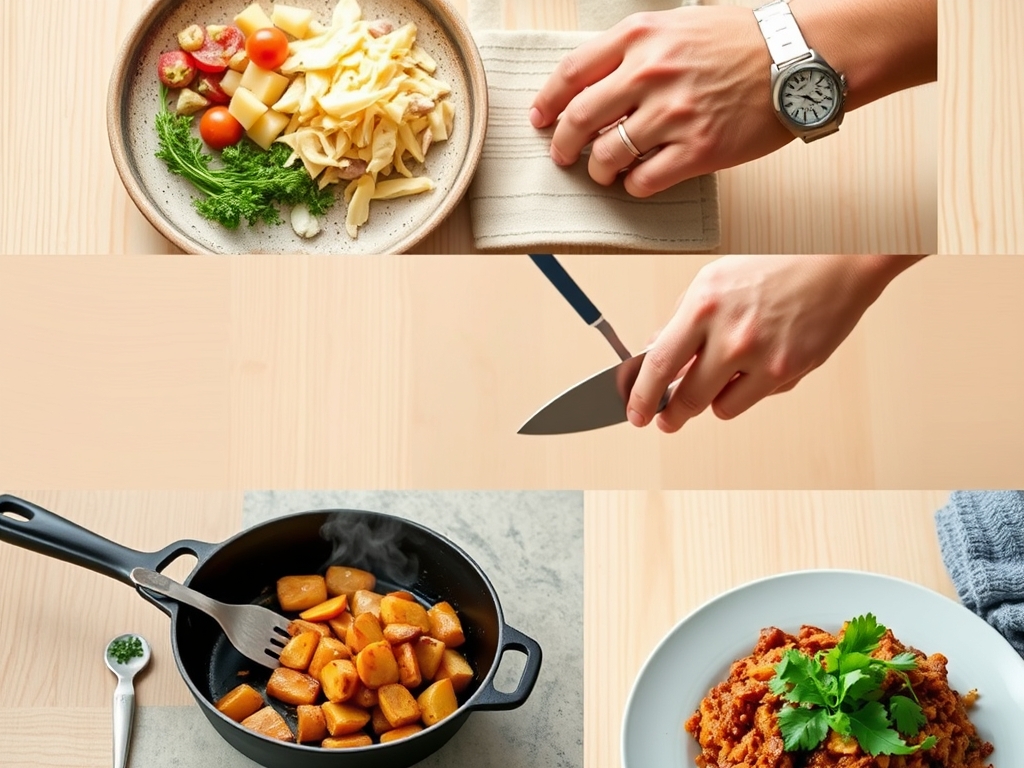
1. The Parboil and Steam Dry
The secret to a crispy exterior is removing surface moisture. After boiling your potatoes until they are "fork-tender," drain them and let them sit in the hot pot for three minutes. This allows residual heat to evaporate excess water.
Pro Tip: This technique utilizes evaporative cooling to toughen the starch granules on the surface. A dry potato surface undergoes the Maillard reaction much faster, leading to a superior golden crust.
2. The Strategic Crush
For smashed potato mains, use a flat-bottomed glass or a potato masher to gently press the tubers until the skins pop. You want to maximize surface area without completely disintegrating the structure.
Pro Tip: Increasing the surface area allows for more contact with the heavy-bottomed skillet or roasting pan. More contact points mean more localized browning and a more complex flavor profile.
3. Emulsifying the Fat
When creating a creamy sauce or mash, never dump your oil or plant butter in all at once. Use a saucier and a whisk to slowly incorporate your fats into the warm potato base.
Pro Tip: This creates a stable emulsion. If you add fat too quickly, the sauce will break and become greasy. Adding it slowly ensures the fat globules are suspended evenly within the starch matrix.
4. The Deglaze for Depth
After roasting or pan-frying, the bottom of your pan will be covered in "fond," those delicious brown bits. Use a splash of vegetable stock or dry white wine to deglaze the pan.
Pro Tip: This process releases concentrated flavor molecules created during high-heat roasting. Scraping the pan with a wooden spoon incorporates these savory notes back into your main dish.
5. Aerating the Mash
If your recipe calls for a whipped topping, use a ricer or a whisk to aerate the potatoes. Avoid using a food processor, which can overwork the starch.
Pro Tip: Overworking potatoes shears the starch cells, releasing too much amylose. This results in a gluey, "gummy" texture rather than a light, fluffy cloud.
6. The Final Infusion
Finish your dish with fresh herbs or a drizzle of infused oil right before serving. Heat can dull the volatile aromatic compounds in fresh herbs like cilantro or parsley.
Pro Tip: Adding aromatics at the end preserves the essential oils and bright flavors that provide a necessary contrast to the heavy, earthy notes of the potato.
The Deep Dive
Potatoes are a nutritional powerhouse, offering high levels of potassium, Vitamin C, and complex carbohydrates. One large potato contains about 4 grams of fiber, which helps regulate blood sugar. For those looking for Dietary Swaps, you can make these recipes Keto-friendly by substituting half the potato volume with cauliflower florets. For a Gluten-Free guarantee, ensure your thickening agents are cornstarch or arrowroot powder rather than wheat flour.
The Fix-It
- Problem: The potatoes are browning too fast on the outside but are raw inside.
Fix: Lower the oven temperature and cover the pan with foil to trap steam. This allows the center to cook via conduction without burning the exterior. - Problem: The mash is too thin and runny.
Fix: Stir in a tablespoon of potato flakes or simmer the mixture on low heat while stirring constantly to evaporate excess liquid. - Problem: The skins are tough and leathery.
Fix: Ensure you are using enough fat. Fat acts as a heat conductor; without it, the skins simply dehydrate instead of crisping.
Meal Prep and Reheating
To maintain "day-one" quality, never reheat potatoes in the microwave if you want them crispy. The microwave excites water molecules, causing the starch to become soggy. Instead, use a toaster oven or a dry skillet. This re-activates the fats and restores the structural integrity of the crust.
The Wrap-Up
Mastering vegan potato recipes main dish options is all about respecting the chemistry of the spud. Whether you are deglazing a pan to capture every ounce of flavor or using a ricer to achieve the perfect aeration, these techniques elevate the potato from a side thought to the star of the show. Grab your tongs, fire up your stove, and get ready to impress even the most dedicated carnivores with the sheer versatility of the mighty potato.
The Kitchen Table
Which potato is best for vegan main dishes?
Yukon Gold potatoes are the most versatile. Their medium starch content allows them to hold their shape during roasting while still providing a creamy, buttery texture when mashed, making them ideal for almost any hearty vegan entree.
How do I make vegan potatoes crispy without butter?
Use a high-smoke-point oil like avocado oil and ensure the potato surface is completely dry. The Maillard reaction requires dry heat; any residual moisture will steam the potato rather than crisping the exterior skin effectively.
Can I prep vegan potato mains in advance?
Yes, you can parboil potatoes up to 24 hours in advance. Store them in the refrigerator uncovered to allow the skins to dry out further. This actually improves the final crunch when you roast or fry them later.
Why do my vegan mashed potatoes get gummy?
Gumminess is caused by overworking the starch. Using a food processor or blender breaks the starch granules, releasing a sticky glue. Use a hand masher or a potato ricer to keep the texture light and fluffy.