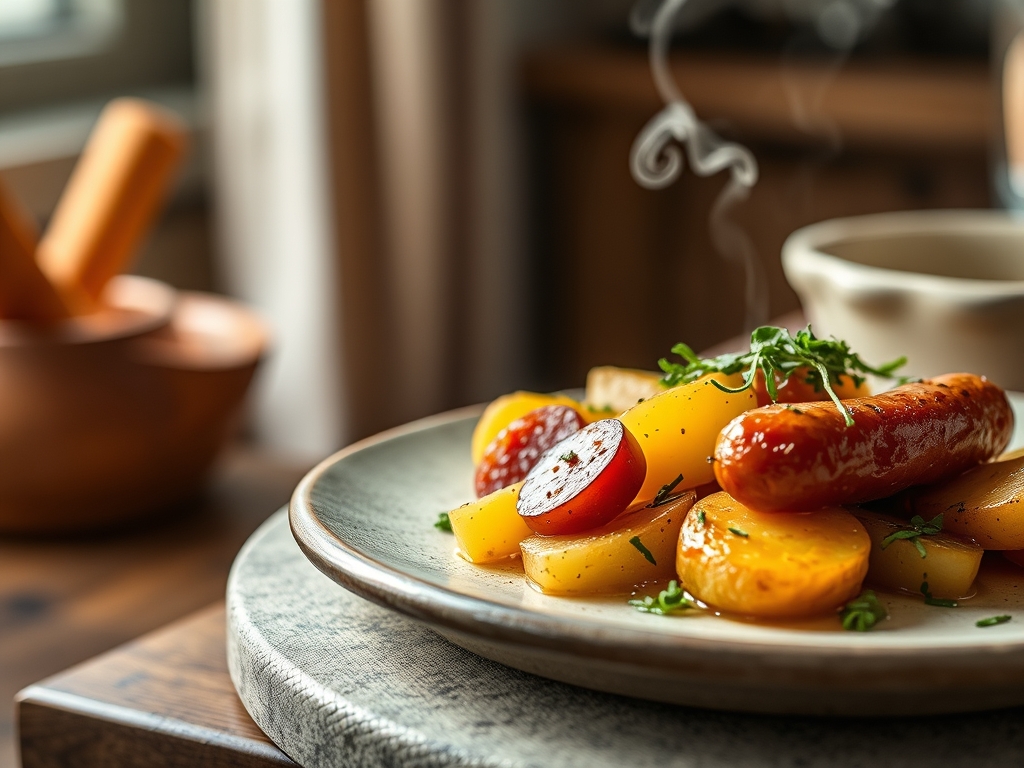
Close your eyes and listen to the rhythmic sizzle of fat hitting cast iron. That specific, high-frequency pop is the sound of moisture escaping a ring of smoked meat, making room for the golden, crispy crust we all crave. When you search for the most reliable kielbasa sausage and potato recipes, you are actually looking for the perfect marriage of starch and smoke. It is a culinary archetype that survives every food trend because it relies on fundamental chemistry. The snap of the casing against a fluffy, salt-crusted potato wedge is a textural masterpiece that requires zero pretension but a fair amount of technique. We are not just tossing meat in a pan; we are orchestrating a series of chemical reactions to transform humble pantry staples into a high-octane dinner. This is the ultimate comfort food for the modern kitchen, balancing the piquant spice of garlic-heavy sausage with the earthy, neutral base of a root vegetable. Whether you are feeding a crowd or just your own soul, mastering this skillet is a non-negotiable skill for any home cook who values efficiency without sacrificing flavor.
The Gathers:
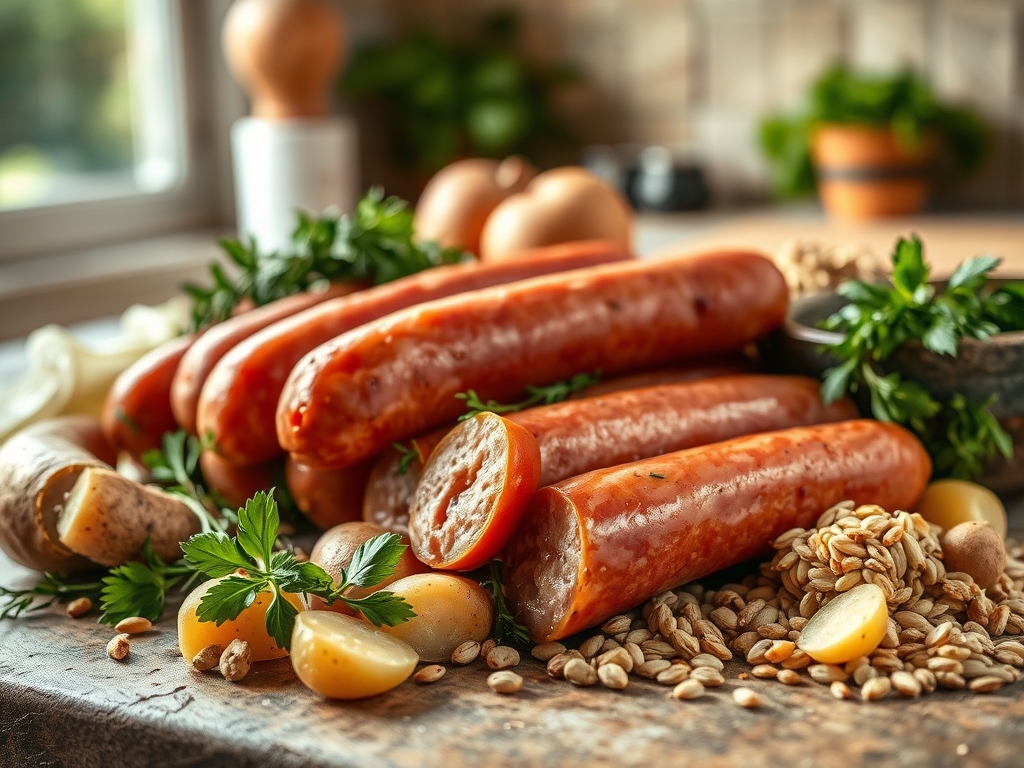
The mise-en-place for this dish is a study in contrasting densities. You will need a pound of high-quality kielbasa; look for a brand that uses a natural casing to ensure that signature snap. For the potatoes, reach for a waxy variety like Yukon Gold. These contain less starch than a Russet, allowing them to maintain their structural integrity during the high-heat agitation of a skillet sear. You will also need a large yellow onion, two bell peppers for a splash of vitamin C and color, and four cloves of fresh garlic. Do not use the pre-minced jarred variety; the sulfurous compounds in fresh garlic provide a much more nuanced aromatic profile.
For your fats and seasonings, keep a bottle of neutral oil with a high smoke point nearby, such as avocado or grapeseed oil. Butter is for finishing, not for the initial sear, as its milk solids will burn before the potatoes are crisp. You will also need smoked paprika to bridge the gap between the meat and the vegetables, kosher salt for its coarse grain, and freshly cracked black pepper.
Smart Substitutions: If you are looking to lighten the caloric load, turkey kielbasa offers a leaner profile, though you may need to add a teaspoon of extra oil to compensate for the lack of rendered pork fat. For a lower-carb version, replace half of the potatoes with cauliflower florets or radishes. When cooked, radishes lose their peppery bite and take on a texture remarkably similar to a red potato. If you find yourself without kielbasa, a spicy Andouille or a garlic-heavy Bratwurst can serve as a functional substitute, though the flavor profile will shift from smoky to piquant.
The Clock
Efficiency in the kitchen is about the Chef's Flow. This entire meal should take no more than 35 minutes from the first slice to the final garnish.
Prep Time: 15 minutes. This involves the systematic dicing of your aromatics and the slicing of the sausage. Use a sharp chef's knife to ensure clean cuts, which prevents the cell walls of the onion from bruising and releasing excess moisture.
Cook Time: 20 minutes. This is divided into three distinct phases: the rendering of the meat, the par-cooking and browning of the starch, and the final aromatic infusion. By following this sequence, you avoid the common pitfall of soggy vegetables and burnt garlic.
The Masterclass
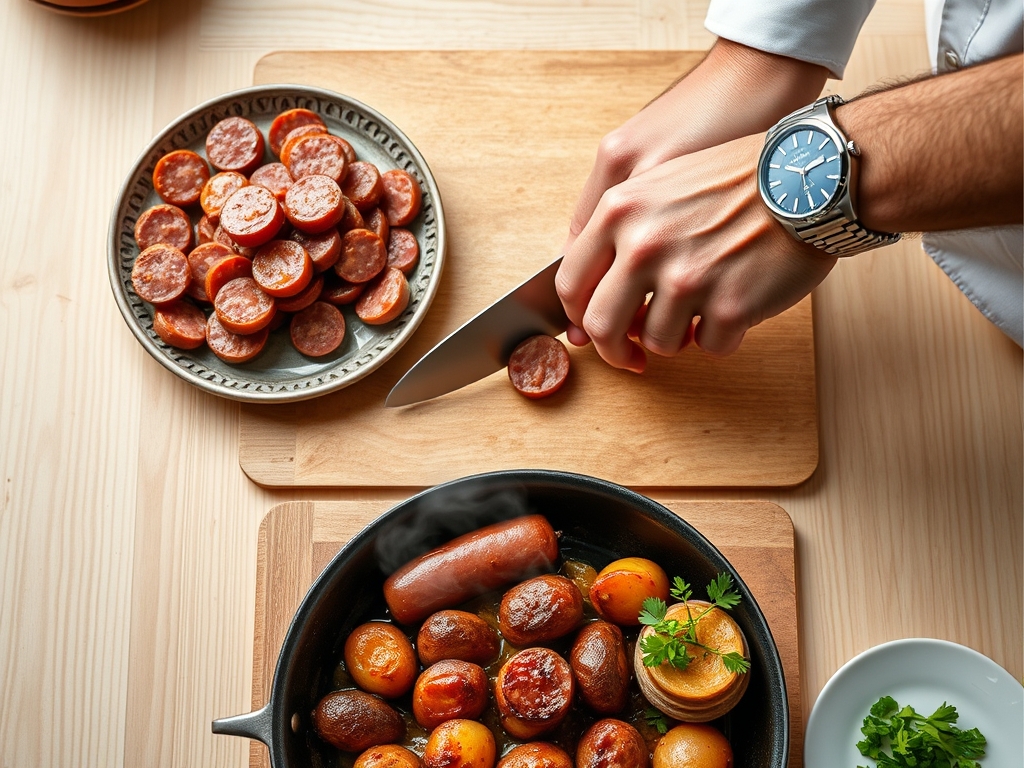
1. The Sausage Render
Place your heavy-bottomed skillet over medium-high heat. Slice the kielbasa into half-inch rounds on a slight bias to increase the surface area. Add a teaspoon of oil and drop the sausage in. You want to render the intramuscular fat until the edges are dark brown and crispy.
Pro Tip: This browning is the Maillard Reaction, a chemical reaction between amino acids and reducing sugars. By browning the meat first, you create a fond (those brown bits on the bottom of the pan) that will later season your potatoes.
2. The Starch Foundation
Remove the sausage with tongs, leaving the rendered fat in the pan. Add your diced potatoes in a single layer. Do not crowd the pan; if the potatoes are overlapping, they will steam instead of sear. Cover the skillet for the first five minutes to trap steam and soften the interior of the potato.
Pro Tip: Covering the pan utilizes conductive heat from the skillet and convective heat from the steam. This ensures the center of the potato reaches gelatinization temperature without burning the exterior.
3. The Aromatic Integration
Remove the lid and increase the heat slightly. Toss the potatoes using a bench scraper or spatula to ensure all sides hit the hot metal. Once the potatoes are 80 percent cooked, add your onions and peppers. The moisture from the vegetables will help deglaze the pan, lifting the savory sausage fond into the vegetables.
Pro Tip: This is known as thermal carryover. The potatoes will continue to cook as the vegetables soften, so you must add the aromatics before the potatoes are fully soft to avoid a mushy final product.
4. The Flavor Infusion
Push the ingredients to the perimeter of the skillet, creating a "hot zone" in the center. Add a knob of butter and your minced garlic. Use a microplane for the garlic if you want it to melt into a paste. Once the garlic is fragrant (about 30 seconds), fold everything back together and return the sausage to the pan.
Pro Tip: Garlic contains alliin and alliinase, which combine to create the pungent flavor we love. Adding it at the very end prevents the delicate compounds from turning bitter under prolonged heat.
The Deep Dive
From a macro perspective, this dish is a powerhouse. A standard serving provides roughly 25 grams of protein and a significant dose of potassium from the potatoes. To make this Keto-friendly, swap the potatoes for turnips or daikon radish. For a Vegan version, use a plant-based kielbasa and replace the butter with a high-quality olive oil.
The Fix-It:
- Soggy Potatoes: Usually caused by overcrowding. Fix this by removing half the ingredients and searing them in batches to allow moisture to evaporate.
- Burnt Garlic: If you added it too early, the only fix is to add a splash of chicken stock or water to lower the pan temperature and stop the burning, though the bitterness may remain.
- Dry Meat: If the kielbasa feels tough, it was likely over-rendered. Next time, pull it as soon as the edges crisp.
Meal Prep Science: To maintain "day-one" quality, reheat your leftovers in an air fryer or a dry skillet. Microwaves vibrate water molecules, which can make the potato skins rubbery. A dry heat source will re-crystallize the starches and crisp the fats.
The Wrap-Up
There is a reason why kielbasa sausage and potato recipes are a staple in busy households. It is a one-pan wonder that respects your time while delivering a complex, smoky flavor profile. By understanding the science of the sear and the timing of your aromatics, you elevate a simple scramble into a professional-grade meal. Grab your skillet, trust the sizzle, and enjoy the most satisfying dinner in your repertoire.
The Kitchen Table
Can I use frozen potatoes for this recipe?
Yes, but thaw and pat them dry first. Excess moisture prevents the Maillard reaction, leading to soggy results. Increase the heat slightly to compensate for the lack of structural integrity in frozen starch cells.
How do I store leftovers safely?
Store in an airtight container for up to four days. For the best texture, avoid freezing, as the cellular structure of cooked potatoes breaks down when frozen, resulting in a grainy mouthfeel upon thawing.
What is the best skillet for this dish?
A cast iron skillet is ideal because of its high heat retention. It provides a consistent sear that stainless steel or non-stick pans cannot match, ensuring those perfectly crispy potato edges every single time.
Is kielbasa already cooked?
Most commercial kielbasa is pre-smoked and fully cooked. However, searing it is essential to render the fats and develop flavor. Always check the packaging to ensure it does not require a specific internal temperature.