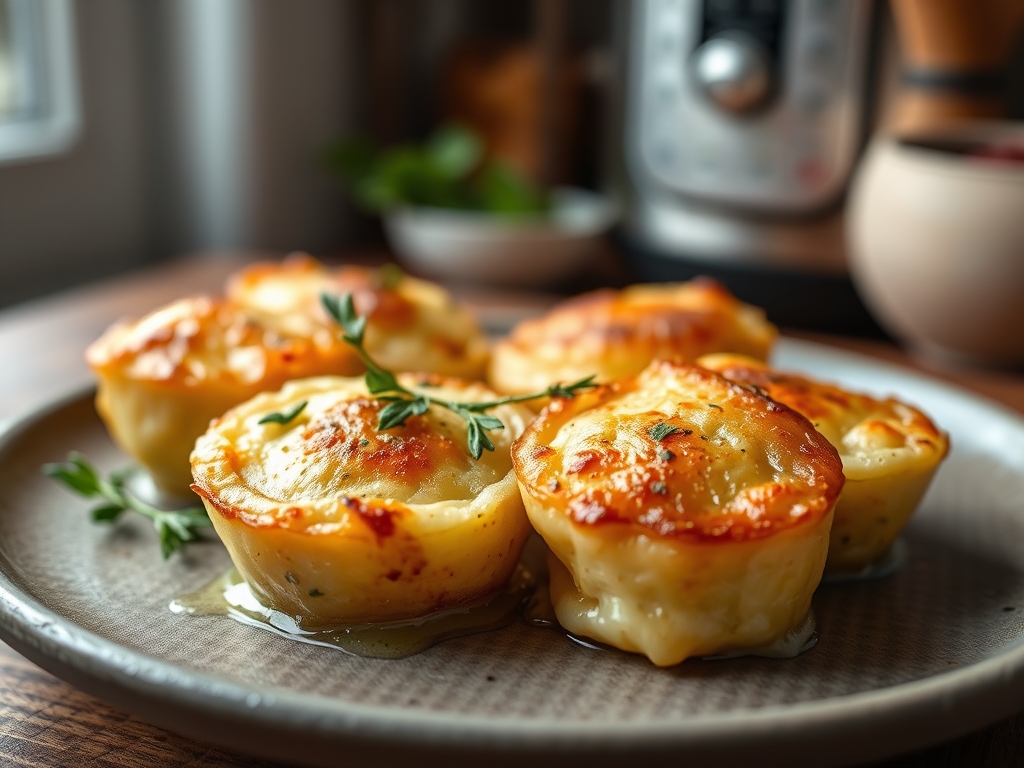
Imagine a kitchen filled with the scent of bubbling Gruyere and earthy thyme while a high-pressure vessel does the heavy lifting for you. We are moving beyond the watery, unevenly cooked side dishes of the past. When you master instant pot scalloped potato recipes, you are essentially conducting a symphony of starch and fat within a pressurized environment. It is about achieving that perfect, velvety mouthfeel without spending two hours hovering over a conventional oven. We are aiming for structural integrity in every slice, bathed in a sauce so stable it never breaks.
The secret to a truly professional result lies in the chemistry of the potato itself. We are not just boiling tubers; we are managing starch retrogradation and protein coagulation. By using the Instant Pot, we trap volatile aromatic compounds that usually escape in a standard bake. This results in a deeper, more concentrated flavor profile that permeates every millimeter of the potato. Let us dive into the technical nuances that transform a humble root vegetable into a centerpiece of culinary architecture.
The Gathers:
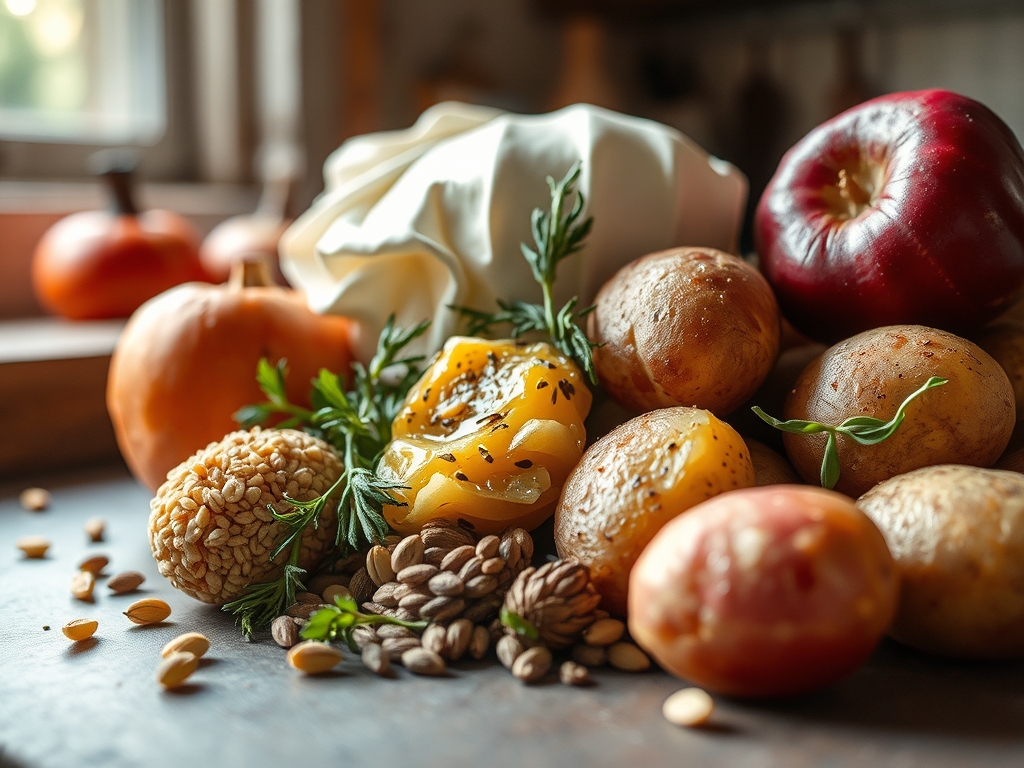
To begin, your mise-en-place must be precise. You will need high-starch Russets or waxy Yukon Golds; the former provides a fluffy, absorbent canvas, while the latter offers a buttery, cohesive bite. Use a digital scale to ensure you have exactly three pounds of potatoes. For the liquid gold, gather heavy cream with at least 36 percent butterfat and a high-quality chicken or vegetable stock to infuse the base with umami.
Your aromatics are non-negotiable. Fresh garlic should be processed through a microplane to create a fine paste, ensuring even distribution without acrid chunks. Use a bench scraper to organize your sliced shallots and fresh herbs like thyme and rosemary. For the cheese, a blend of sharp white cheddar and aged Gruyere provides the necessary piquant kick and superior meltability.
Smart Substitutions: If you are looking to lighten the profile, sub half of the heavy cream with whole milk thickened by a light roux. For a floral note, replace the thyme with rubbed sage. If you lack Gruyere, an aged Fontina offers a similar melting point and nutty finish.
The Clock:
Efficiency in the kitchen is about "Chef's Flow." Your active prep time should take approximately 20 minutes; this includes washing, peeling, and slicing. The pressure cooking cycle requires a 1-minute high-pressure burst followed by a 10-minute natural release. Finally, a 5-minute stint under a broiler or an air-fryer lid provides the essential Maillard reaction. Total time from pantry to table is roughly 45 minutes. By the time your main protein has finished its rest, these potatoes will be at their peak serving temperature.
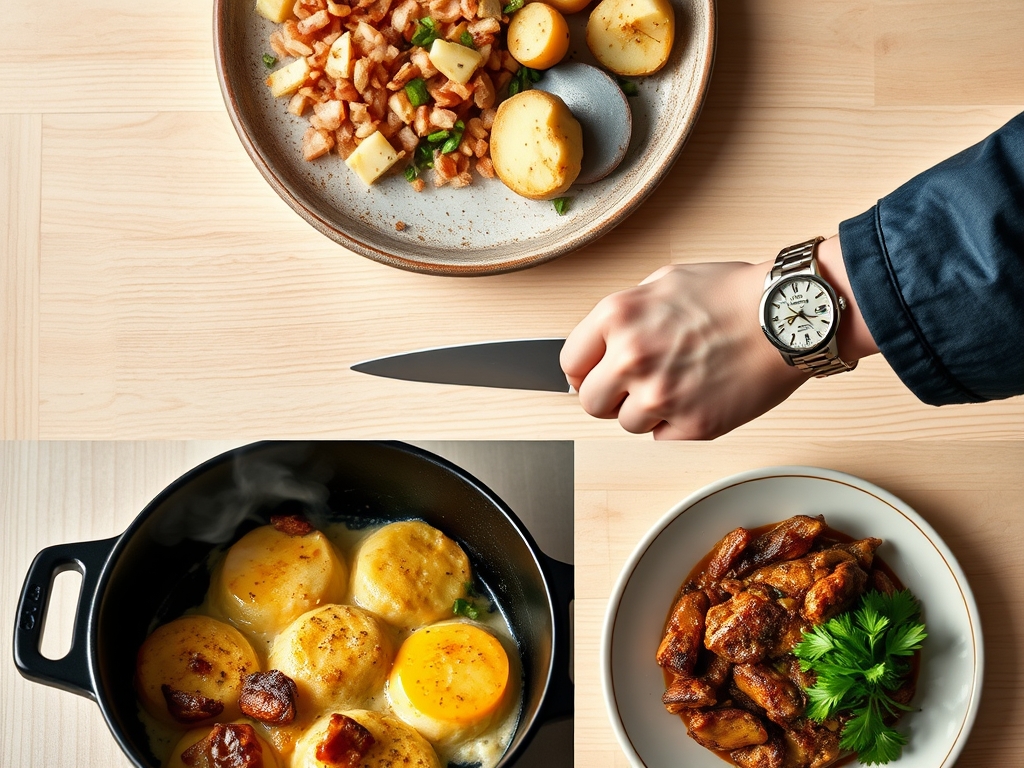
The Masterclass:
1. Precision Slicing
Use a mandoline to slice your potatoes to a uniform 1/8-inch thickness. Uniformity is the bedrock of even heat distribution. If slices vary in width, you will end up with a mixture of mush and crunch.
Pro Tip: This prevents enzymatic browning. By keeping sliced potatoes in a bowl of cold water until the moment they are layered, you wash away excess surface starch and prevent oxidation.
2. The Saucier Simmer
In a saucier, whisk together your cream, stock, garlic, and herbs over medium heat. Do not let it boil vigorously; you want a gentle simmer to aerate the fats and allow the aromatics to bloom.
Pro Tip: This stage initiates lipid infusion. Heating the cream with aromatics before adding it to the pot ensures the flavor is chemically bonded to the fat molecules, leading to a more intense taste.
3. The Structural Layering
Grease your inner pot or a heat-proof baking dish that fits inside. Layer the potatoes in a circular, overlapping pattern. Season each layer lightly with kosher salt and cracked black pepper.
Pro Tip: This manages thermal carryover. Tight layering ensures that the steam trapped between slices cooks the potato from the inside out, maintaining the shape of the slice even when tender.
4. Pressure Integration
Pour the warm cream mixture over the potatoes until they are nearly submerged. Lock the lid and set to high pressure for 1 minute. The rapid increase in pressure forces the seasoned liquid into the cellular structure of the potato.
Pro Tip: This utilizes vapor pressure. The high-heat environment breaks down pectin in the cell walls much faster than baking, resulting in a "melt-in-your-mouth" texture without the wait.
5. The Natural Release
Once the timer chirps, allow the pressure to drop naturally for 10 minutes. Do not use the quick-release valve immediately, as the sudden drop in pressure can cause the cream to boil over and break the emulsion.
Pro Tip: This prevents syneresis. A slow cooling period allows the starches to re-absorb the liquid, creating a thick, viscous sauce rather than a watery mess.
6. The Cheese Application
Remove the lid and generously coat the top with your shredded cheese blend. If you used a separate dish, this is the time to pull it out.
Pro Tip: Using a microplane for a final dusting of Parmesan on top of the Gruyere adds a salty crust that enhances the overall flavor profile through amino acid synergy.
7. The Maillard Finish
Place the pot under a broiler for 3 to 5 minutes or use an air-fryer lid at 400 degrees. You are looking for deep golden-brown bubbles and crispy edges.
Pro Tip: This triggers the Maillard reaction. The interaction between the sugars in the potatoes and the proteins in the cheese creates hundreds of new flavor compounds that are impossible to achieve through pressure alone.
The Deep Dive:
From a nutritional standpoint, this dish is a powerhouse of potassium and Vitamin C, though it is admittedly high in fats and carbohydrates. A standard serving contains roughly 350 calories, 22g of fat, and 30g of carbohydrates.
Dietary Swaps: For a Vegan version, utilize full-fat coconut milk and nutritional yeast for that savory "cheese" funk. For Keto enthusiasts, swap the potatoes for sliced daikon radish or cauliflower florets. This recipe is naturally Gluten-Free, provided your chicken stock does not contain hidden grain thickeners.
The Fix-It:
- Curdled Sauce: This happens if the heat was too high or the cream was too thin. Fix it by gently folding in a tablespoon of heavy cream after cooking to re-emulsify.
- Crunchy Potatoes: You likely sliced them too thick. Fix it by adding 2 minutes of extra pressure cook time.
- Soupy Result: The potatoes did not release enough starch. Fix it by removing the lid and using the "Saute" function for 3 minutes to reduce the liquid.
Meal Prep: To reheat and maintain "day-one" quality, avoid the microwave. Place the potatoes in an oven at 350 degrees with a splash of milk and cover with foil. This prevents the fats from separating and keeps the potatoes hydrated.
The Wrap-Up:
Mastering instant pot scalloped potato recipes is a total game changer for your hosting repertoire. You have combined the speed of modern technology with the classic principles of French saucier work. By focusing on starch control and temperature management, you have created a dish that is as technically sound as it is delicious. Now, grab your tongs, plate those golden layers, and prepare for the applause. You have officially graduated to potato pro status.
The Kitchen Table:
Can I use red potatoes for this recipe?
Yes, but they are waxier and hold their shape firmly. They will not absorb the cream as readily as Russets, resulting in a thinner sauce. You may need to add a small cornstarch slurry to thicken the liquid.
How do I prevent the cream from curdling?
Ensure you use heavy cream with high fat content. Lower-fat milks lack the stability to withstand high pressure. Additionally, always use a natural pressure release to avoid the violent boiling that causes protein separation in dairy.
Can I prep this dish a day in advance?
Absolutely. Assemble the layers and the cream, but do not cook. Store the inner pot in the fridge. When ready, add two minutes to the pressure cook time to account for the cold starting temperature of the ingredients.
What is the best way to get a crispy top?
If your Instant Pot does not have an air-fryer lid, transfer the cooked potatoes to a shallow baking dish. Place it under a preheated oven broiler for three minutes until the cheese is bubbling and deeply browned.