Picture a heavy cast iron skillet resting on a stovetop, its surface shimmering with a thin veil of rendered fat. The air carries the scent of caramelized onions and earth, a perfume that signals the arrival of true comfort. Mastering southern potato recipes is about more than just heat and starch; it is a delicate dance of chemistry where the humble tuber transforms into gold. Whether you are aiming for the shatter-crisp edges of a fried breakfast hash or the silkiness of a slow-churned mash, the secret lies in understanding the cellular structure of the potato itself. We are not just cooking dinner tonight; we are engineering memories through the lens of traditional Southern hospitality. Grab your apron and a sharp knife, because we are diving deep into the science of the perfect spud.
The Gathers:
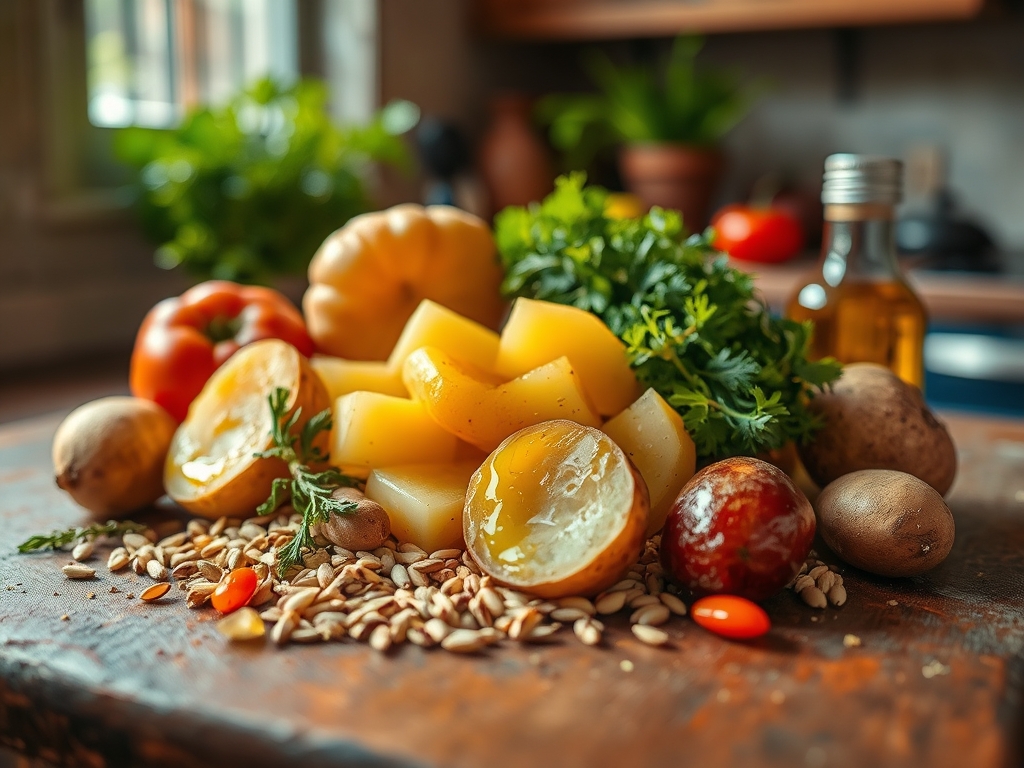
To achieve professional results, your mise-en-place must be precise. Start with high-starch Russets for fluffiness or waxy Yukon Golds for a creamy, viscous mouthfeel. You will need high-quality fats; think unsalted European-style butter with a high butterfat content and rendered bacon drippings to provide a smoky depth. Fresh aromatics are non-negotiable. Gather a bundle of thyme, several cloves of garlic to be crushed with a bench scraper, and a bunch of scallions for a piquant finish.
For the liquids, heavy cream and whole buttermilk provide the necessary acidity to balance the richness. Do not forget the seasoning. Use flaky sea salt to enhance texture and freshly cracked black pepper for a sharp bite.
Smart Substitutions: If you are looking for a lighter profile, Greek yogurt can replace sour cream to maintain that signature tang while adding protein. For those avoiding dairy, a high-quality avocado oil offers a high smoke point for searing, while coconut milk provides a surprisingly rich fat profile for mashing. If you lack a traditional potato masher, a saucier and a sturdy whisk can aerate your potatoes into a cloud-like consistency.
The Clock
Efficiency in the kitchen is dictated by the Chef's Flow, a method of layering tasks to minimize downtime. Expect a total preparation time of 20 minutes and a cook time of 40 to 50 minutes, depending on the specific method chosen.
Start by prepping your aromatics while the water comes to a boil; this utilizes the "dead time" of heating. If roasting, preheat your heavy-bottomed skillet or baking sheet to ensure immediate heat transfer. The flow should move from cold prep (peeling and dicing) to active thermal application (boiling or searing), followed by the final infusion of fats and herbs. Always allow for a five-minute rest period before serving to let the starches stabilize.
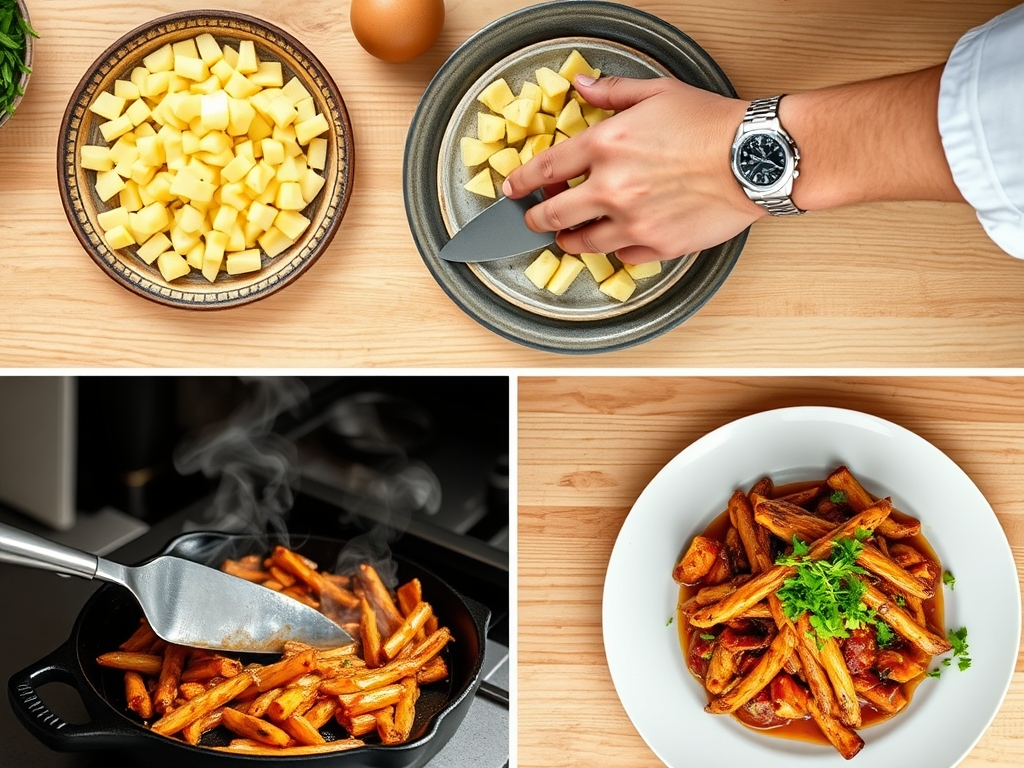
The Masterclass
1. The Precision Cut
Uniformity is the foundation of even cooking. Use a sharp chef's knife to cube your potatoes into consistent one-inch pieces. This ensures that every piece reaches the same internal temperature simultaneously, preventing a mix of mushy and undercooked bites.
Pro Tip: This prevents enzymatic browning, a chemical reaction where phenolase enzymes react with oxygen to turn the potato gray. Submerging them in cold water also removes excess surface starch, which leads to a crispier exterior when fried.
2. The Cold Water Start
Always place your potatoes in a pot of cold, heavily salted water rather than dropping them into boiling water. This allows the potato to heat evenly from the outside in, ensuring the core is cooked by the time the exterior softens.
Pro Tip: Salt acts as a seasoning agent that penetrates the entire tuber. If you salt only at the end, the flavor remains superficial. The cold start prevents the outside from disintegrating before the center is tender.
3. The Steam Dry
Once the potatoes are fork-tender, drain them and return them to the hot pot for sixty seconds. Shake the pot gently over low heat to evaporate any lingering moisture. This is the secret to a non-greasy, fluffier texture.
Pro Tip: Removing residual water prevents a "water-logged" flavor. In scientific terms, you are reducing the moisture content to allow the potato to better absorb the fats you are about to add, such as butter or cream.
4. The Fat Infusion
When mashing, always add your fats before your liquids. Use a microplane to zest in a bit of garlic or nutmeg for complexity. Incorporate room-temperature butter first to coat the starch molecules, which prevents the potato from becoming gluey.
Pro Tip: This process involves emulsification. By coating the starch in fat first, you limit the amount of liquid that can penetrate the starch granules, resulting in a velvety rather than sticky texture.
5. The Maillard Sear
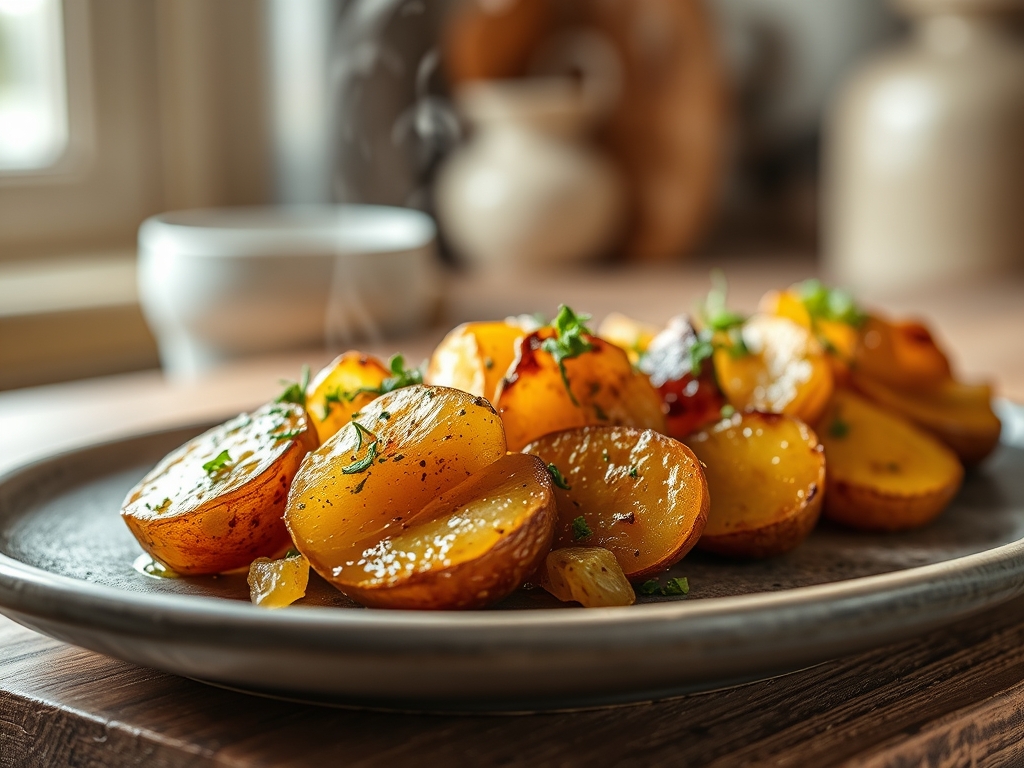
For fried southern potato recipes, use a heavy-bottomed skillet to maintain consistent heat. Do not overcrowd the pan. Let the potatoes sit undisturbed for several minutes to develop a deep brown crust.
Pro Tip: This is the Maillard reaction, a chemical reaction between amino acids and reducing sugars that creates hundreds of different flavor compounds. Moving the potatoes too soon breaks the crust and causes sticking.
6. The Aromatic Deglaze
After searing, add a splash of stock or a knob of butter to the pan to deglaze the brown bits (fond) from the bottom. Toss in your fresh herbs and garlic during the final two minutes of cooking to prevent burning.
Pro Tip: Garlic contains sulfur compounds that become bitter if overcooked. Adding aromatics at the end allows the residual heat to infuse the oil without destroying the delicate volatile oils in the herbs.
7. The Final Aeration
If you are aiming for the ultimate Southern mash, use a potato ricer or a whisk to aerate the mixture. Fold in your buttermilk or cream slowly, using a silicone spatula to keep the texture light and airy.
Pro Tip: Over-mixing develops gluten-like structures in potato starch. Gentle folding ensures the cells remain intact, providing a light, pillowy mouthfeel rather than a dense, gummy one.
The Deep Dive
Macro Nutrition: Potatoes are a powerhouse of potassium and Vitamin C. A standard serving provides roughly 150 calories, 3 grams of protein, and 0 grams of fat (before the butter arrives). By keeping the skins on, you increase fiber content and mineral retention.
Dietary Swaps: To make these recipes vegan, utilize a high-quality nut butter or olive oil for richness and nutritional yeast for a cheesy, savory "umami" kick. For Keto enthusiasts, swap half the potatoes for cauliflower florets to reduce the net carb count while maintaining the classic flavor profile.
The Fix-It:
- Gummy Potatoes: This happens from over-processing. Fix it by spreading them in a baking dish, topping with cheese, and turning them into a gratin.
- Too Salty: Add a splash of heavy cream or a squeeze of lemon juice. The fat or acid will mask the sodium perception.
- Burnt Bottoms: If the pan gets too hot, immediately remove from heat and transfer the top, un-scorched potatoes to a new vessel. Do not scrape the bottom.
Meal Prep: To reheat potatoes without losing quality, avoid the microwave. Use an oven or air fryer at 350 degrees Fahrenheit. This utilizes thermal carryover to crisp the skin while gently warming the center, maintaining that "day-one" structural integrity.
The Wrap-Up
Mastering the art of Southern potato recipes is a journey through texture, temperature, and technique. By respecting the science of the starch and the power of high-quality fats, you transform a simple root vegetable into the star of the table. Remember to watch for that golden Maillard crust and always, always dry your spuds before the final finish. Now, go forth and turn your kitchen into a sanctuary of Southern flavor; your friends and family will thank you for the crispy, creamy results.
The Kitchen Table
Why are my mashed potatoes gluey?
Gluey potatoes result from over-working the starch. When cells rupture from excessive mashing or using a food processor, they release starch that turns sticky. Use a ricer or masher and mix gently to keep them fluffy.
Can I prep potatoes ahead of time?
Yes, you can peel and cut potatoes up to 24 hours in advance. Store them submerged in cold water in the refrigerator to prevent oxidation. This also removes excess starch for a better fry.
What is the best potato for frying?
Russets are ideal for frying because their high starch and low moisture content create a crisp exterior. Yukon Golds are a great secondary choice if you prefer a creamier, buttery interior with a thinner skin.
How do I get extra crispy roasted potatoes?
Par-boil your potatoes in alkaline water (add a pinch of baking soda) before roasting. This breaks down the surface pectin, creating a starchy slurry that crisps up into a thick, crunchy crust in the oven.