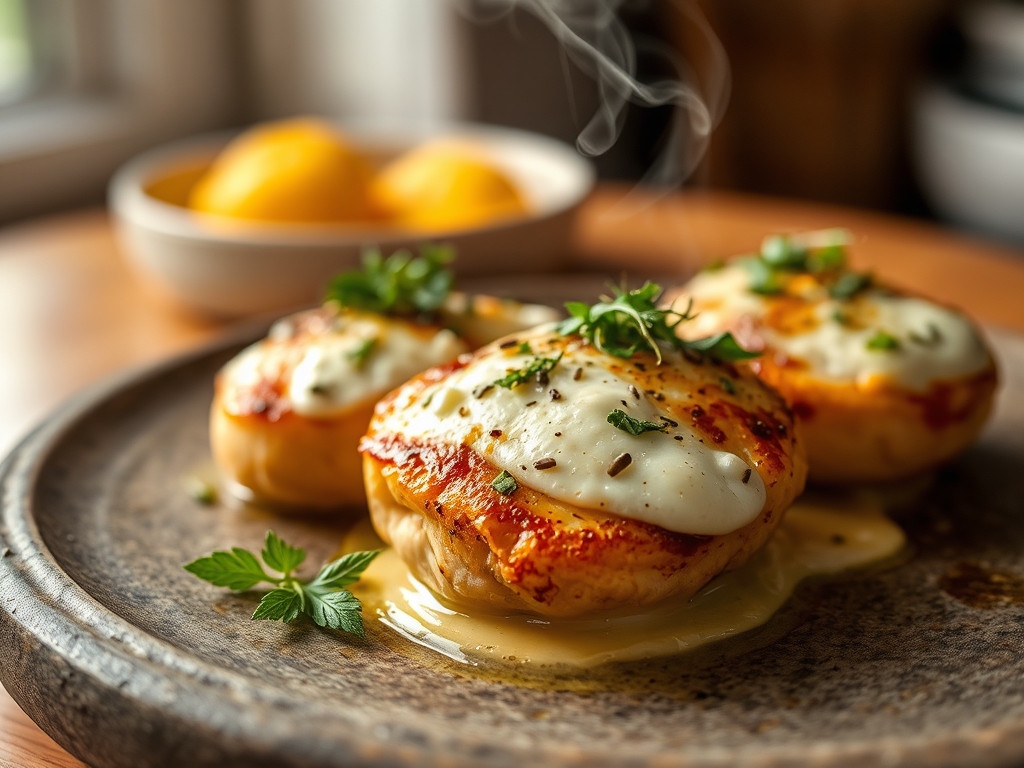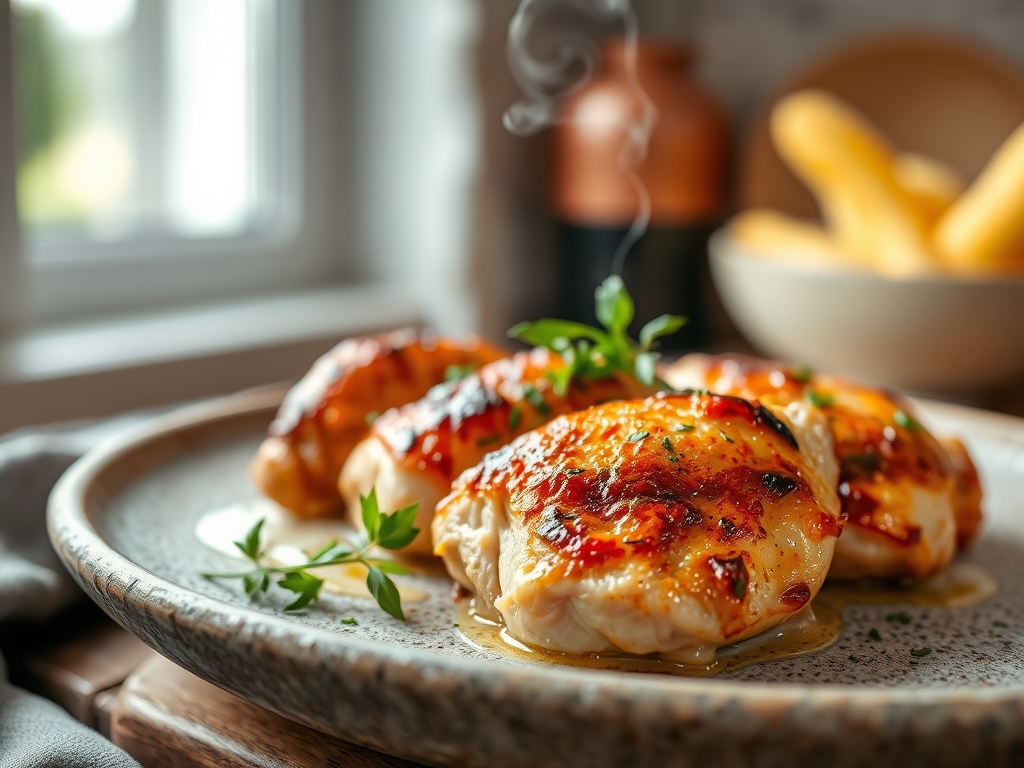
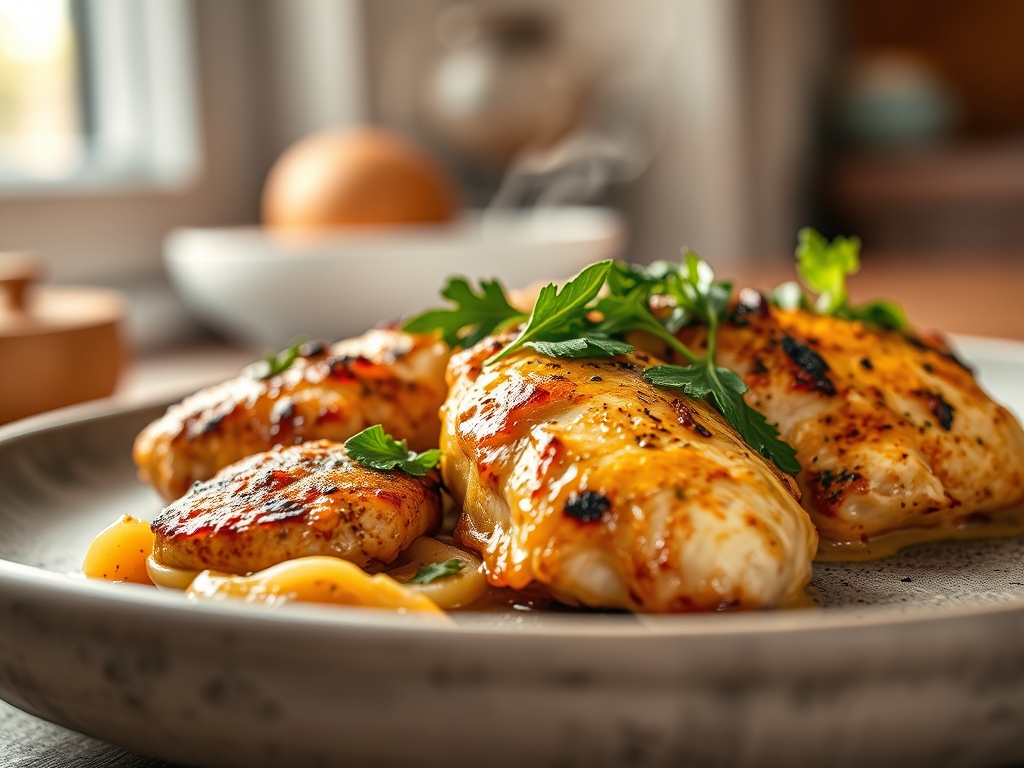
Close your eyes and listen for the sizzle of cold protein hitting a heavy-bottomed skillet. That sharp, rhythmic hiss is the sound of the Maillard reaction beginning its chemical dance. We have all been there; staring at a pack of pale, boneless breasts and wondering how to transform them into something that tastes like a vacation. Finding mediterranean chicken recipes easy enough for a Tuesday but soulful enough for a Saturday is the ultimate kitchen win. It is about moving beyond the bland and embracing the high-contrast world of piquant acids, viscous fats, and charred aromatics. We are not just cooking dinner; we are engineering a sensory experience that balances the brine of the sea with the warmth of the sun.
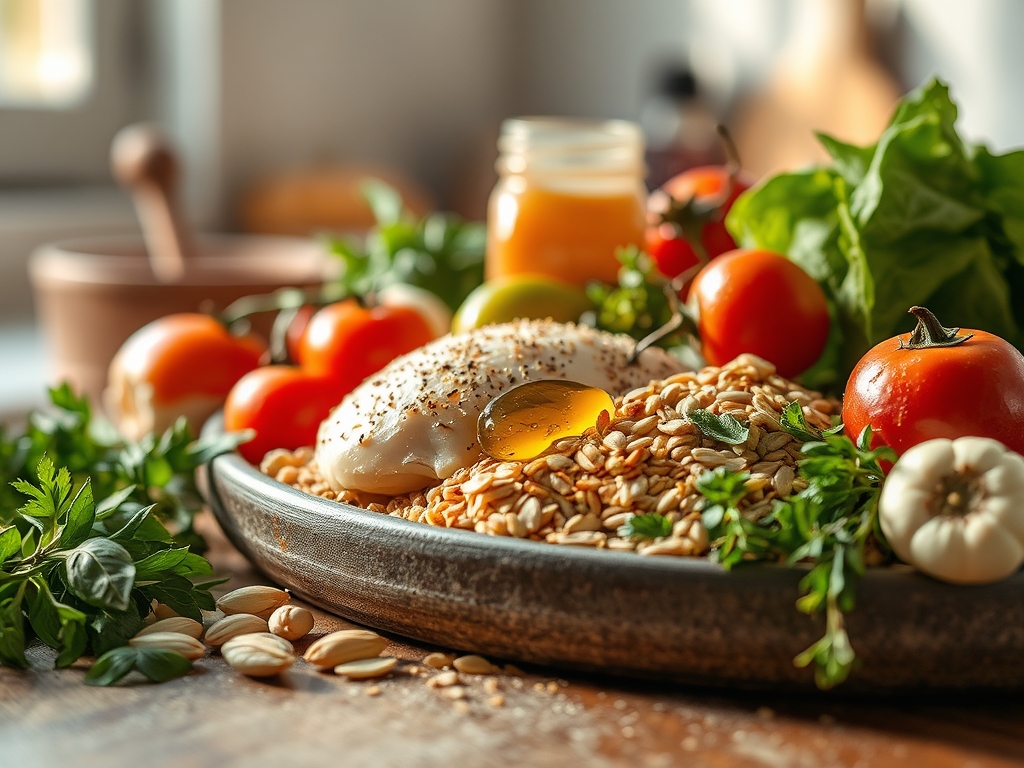
The Gathers:
Before we ignite the burners, we must respect the mise-en-place. To master these mediterranean chicken recipes easy, you need a palette of ingredients that offer both structural integrity and flavor depth. Start with high-quality poultry, ideally air-chilled to ensure the skin can properly dehydrate and crisp. Your fat source should be a robust, polyphenolic extra virgin olive oil. For the aromatics, gather whole garlic cloves, shallots for their delicate sweetness, and fresh sprigs of rosemary and oregano.
The "Smart Substitutions" list is your safety net. If you lack fresh lemons, a splash of high-quality white wine vinegar provides the necessary acidity to denature proteins. No fresh herbs? Use a third of the volume in dried herbs, but bloom them in hot oil first to release their fat-soluble volatile compounds. If you are watching sodium, swap olives for capers; they offer the same piquant punch with a different mineral profile. Use a digital scale to measure your spices; precision is the difference between a dish that is seasoned and a dish that is balanced.
The Clock
The "Chef's Flow" is all about kinetic efficiency. Total active prep time is approximately 20 minutes, with a cook time of 25 minutes. However, the secret is the "Rest Phase." You should spend the first 10 minutes prepping your cold ingredients while the chicken tempers on the counter. Cold meat shocks the pan and drops the temperature, which halts searing. By the time your skillet is screaming hot, your chicken is ready to transform. The final 5 minutes are reserved for the rest; this allows the internal juices to redistribute, ensuring every bite is succulent rather than dry.
The Masterclass
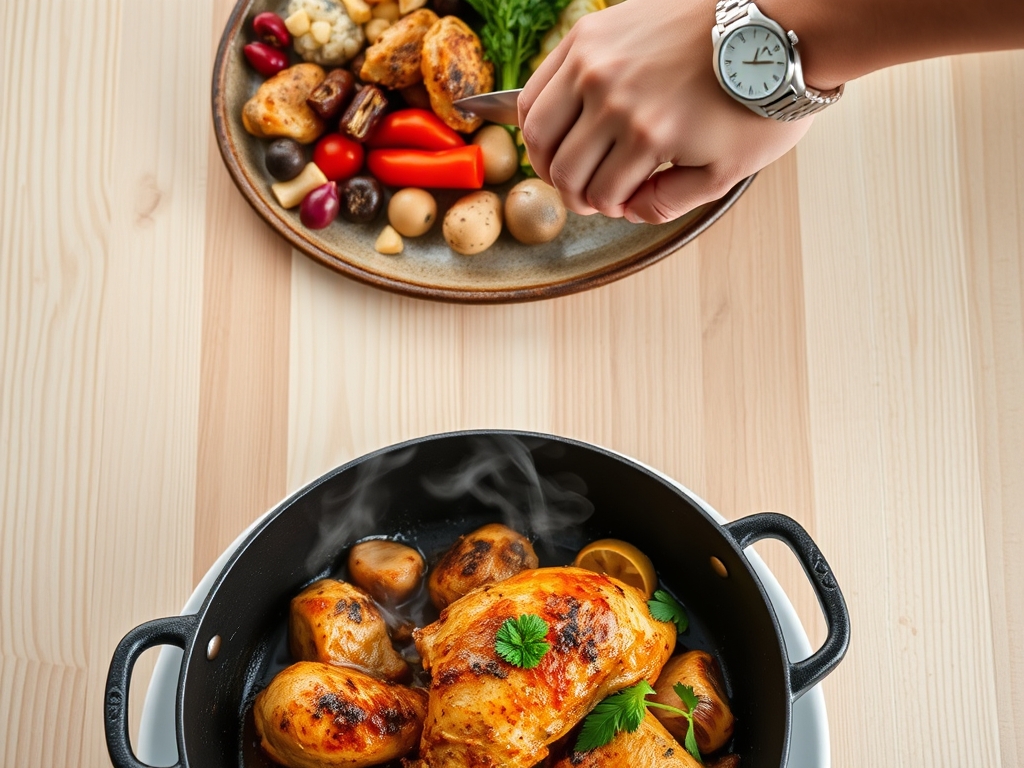
1. The Dry Brine and Temper
Pat your chicken dry with paper towels until the surface is matte. Season liberally with kosher salt at least 15 minutes before cooking. This allows the salt to penetrate the muscle fibers through osmosis, seasoning the meat from the inside out.
Pro Tip: This technique utilizes osmotic pressure to break down tight protein strands. By drawing moisture out and then reabsorbing the brine, the chicken becomes more resilient to the high heat of the pan.
2. The High-Heat Sear
Heat your heavy-bottomed skillet until the oil shimmers but does not smoke. Place the chicken skin-side down and resist the urge to move it. Use your tongs to gently lift a corner after three minutes to check for a deep golden hue.
Pro Tip: This is the Maillard reaction in action. When amino acids and reducing sugars reach 285 degrees Fahrenheit, they create hundreds of flavor compounds that give seared meat its characteristic "meaty" aroma and complex taste.
3. The Deglaze and Infuse
Once the chicken is flipped, toss in your garlic and herbs. As the fat renders, pour in a splash of chicken stock or dry white wine. Use a wooden spoon or bench scraper to lift the brown bits (the fond) from the bottom of the pan.
Pro Tip: Deglazing is a chemical process where the liquid acts as a solvent to dissolve the fond. These caramelized particles are concentrated flavor bombs that create a rich, emulsified sauce when whisked with fat.
4. The Aromatics and Acid
Add your olives, artichoke hearts, and sliced lemons. The steam from the vegetables will finish cooking the chicken gently, preventing the outer layers from becoming rubbery while the center reaches safety.
Pro Tip: The citric acid in the lemons acts as a surfactant, cutting through the heavy fats of the oil and chicken skin. This creates a balanced pH on the palate, making the dish feel light rather than greasy.
5. The Emulsion Finish
Remove the pan from the heat and stir in a cold knob of butter or a final drizzle of olive oil. Whisk vigorously with a saucier or spoon until the liquid thickens into a glossy, opaque sauce.
Pro Tip: This is pan-sauce emulsification. By adding cold fat to a hot liquid and agitating it, you suspend tiny fat droplets in the water-based stock, creating a silky texture that coats the back of a spoon.
6. The Carryover Rest
Transfer the chicken to a warm plate and tent loosely with foil. Let it sit for at least five to seven minutes before slicing against the grain.
Pro Tip: Thermal carryover means the internal temperature will continue to rise by 5 to 10 degrees after leaving the pan. Resting prevents the "squeeze-out" effect, keeping the moisture trapped within the protein matrix.
The Deep Dive
From a macro perspective, these mediterranean chicken recipes easy are a powerhouse of lean protein and heart-healthy monounsaturated fats. A standard serving provides roughly 35g of protein, 12g of fat, and minimal carbohydrates. For a Vegan twist, swap the chicken for thick slabs of cauliflower or firm tofu, using miso paste to replicate the umami of the meat. Keto followers should double down on the olives and feta, while Gluten-Free diners simply need to ensure their chicken stock is certified.
"The Fix-It" guide for common pitfalls:
- The Soggy Skin: Your pan wasn't hot enough or you overcrowded it. Fix: Flash the chicken under a broiler for 60 seconds.
- The Tough Texture: You skipped the rest period. Fix: Slice the meat very thin against the grain and douse it in the pan sauce to rehydrate.
- The Bitter Sauce: You burnt the garlic. Fix: Add a pinch of sugar or a squeeze of honey to neutralize the acrid notes.
For meal prep, reheating is a science. Avoid the microwave, which vibrates water molecules and makes chicken rubbery. Instead, use a low oven (300 degrees) with a splash of water in the dish, covered tightly. This creates a mini-steamer that preserves the "day-one" juicy texture.
The Wrap-Up
Mastering the art of the Mediterranean kitchen is about more than just following a list; it is about understanding how heat, salt, and acid interact to create magic. These mediterranean chicken recipes easy are your gateway to a more vibrant, flavorful lifestyle. You now have the technical tools and the scientific know-how to turn a simple bird into a culinary masterpiece. So, grab your skillet, trust your senses, and let the kitchen become your favorite place to play.
The Kitchen Table
How do I keep chicken breast from drying out?
Use a digital thermometer to pull the chicken at 160 degrees Fahrenheit. The internal temperature will reach the safe 165 degree mark through thermal carryover while resting, ensuring the muscle fibers remain hydrated and tender rather than stringy.
Can I use frozen chicken for these recipes?
Yes, but you must thaw it completely in the refrigerator first. Pat the surface extremely dry with paper towels to remove excess moisture; otherwise, the chicken will steam in the pan rather than developing a golden, flavorful Maillard crust.
What is the best pan for searing chicken?
A heavy-bottomed stainless steel or cast-iron skillet is ideal. These materials retain heat efficiently, preventing the temperature from dropping when you add the meat. This ensures a consistent sear and allows for the development of a rich, flavorful fond.
How long can I marinate Mediterranean chicken?
For the best texture, marinate for 30 minutes to 4 hours. Avoid marinating longer than 12 hours in highly acidic liquids like lemon juice, as the acid will eventually "cook" the protein, resulting in a mealy and unappealing texture.