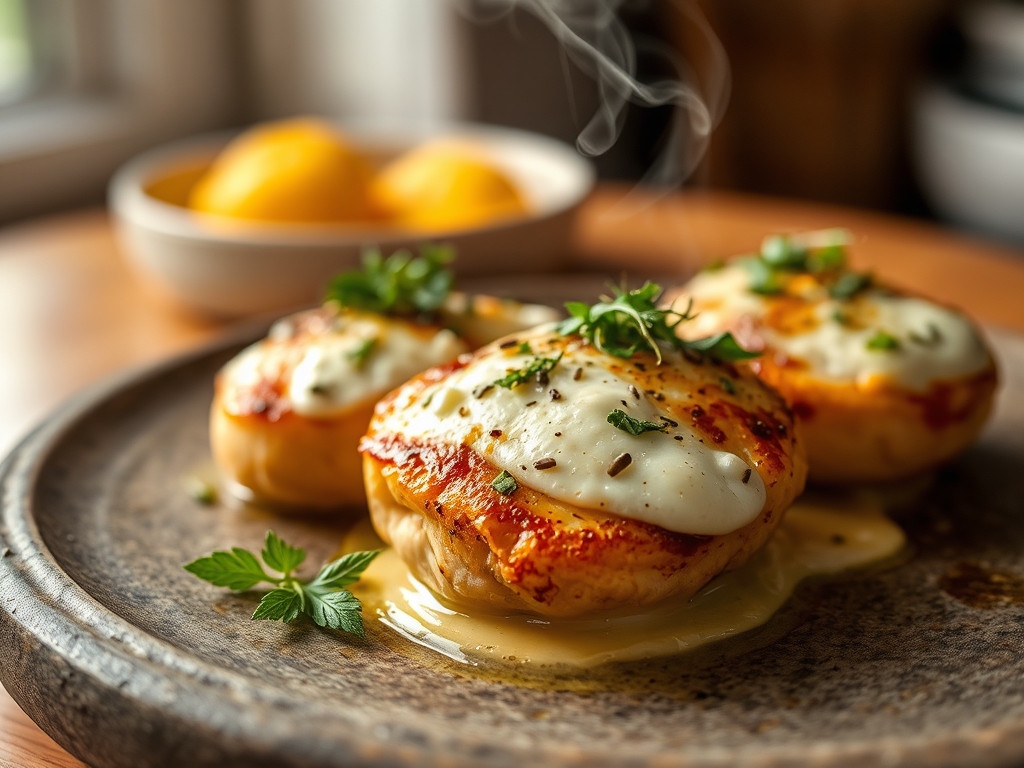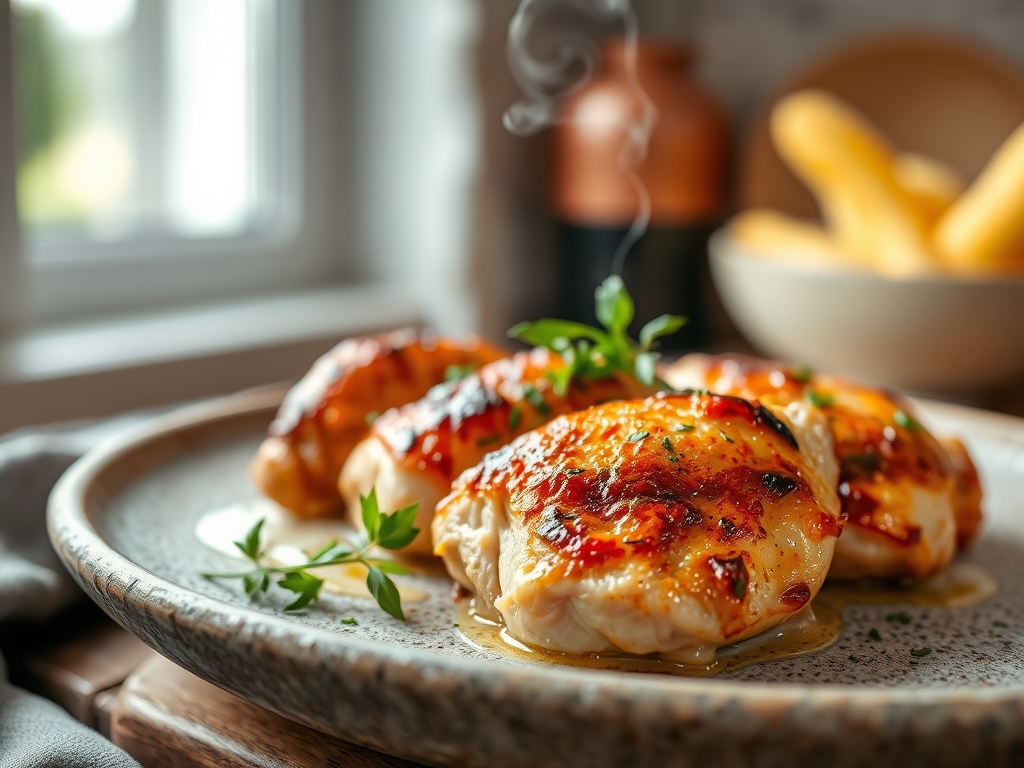
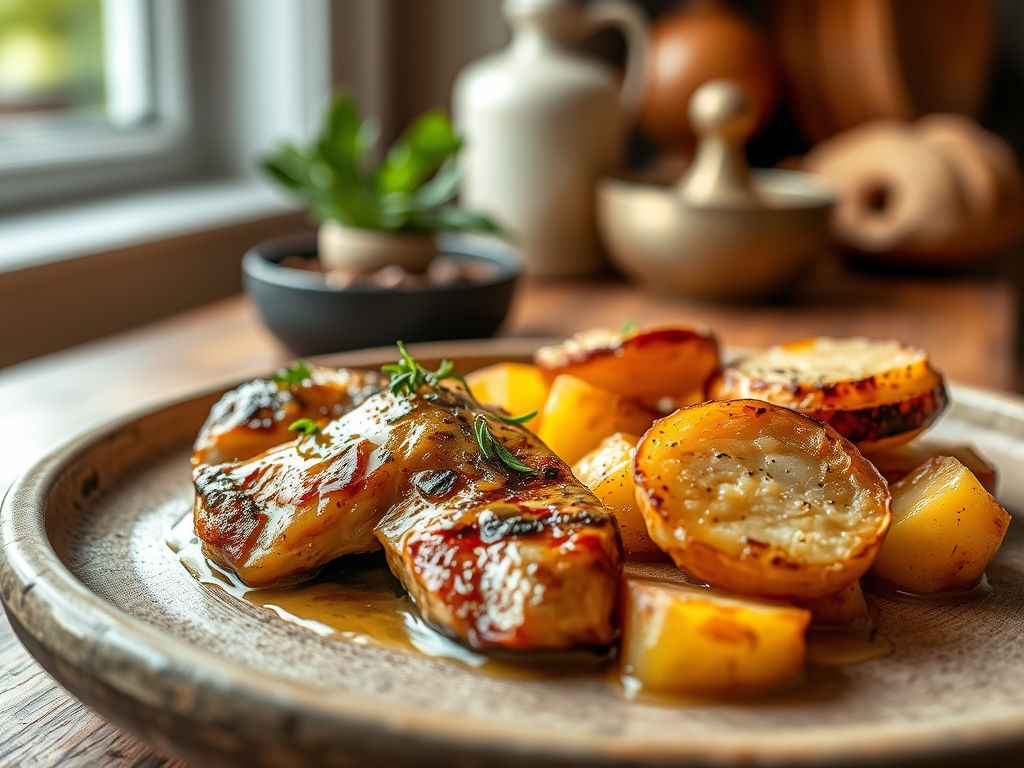
The kitchen is humming with the scent of rosemary and rendered fat. There is something deeply primal about the sizzle of poultry hitting a hot pan. If you are hunting for chicken and potato recipes for dinner, you have found the holy grail of comfort. It is the perfect marriage of amino acids and complex carbohydrates.
Tonight is about more than just filling a plate; it is about mastering the alchemy of the weeknight meal. We are looking for that golden ratio of crispy skin to fluffy starch. Whether you are using a heavy-bottomed skillet or a sheet pan, the goal is a symphony of textures. Let us dive into the mechanics of flavor and get dinner on the table in record time.
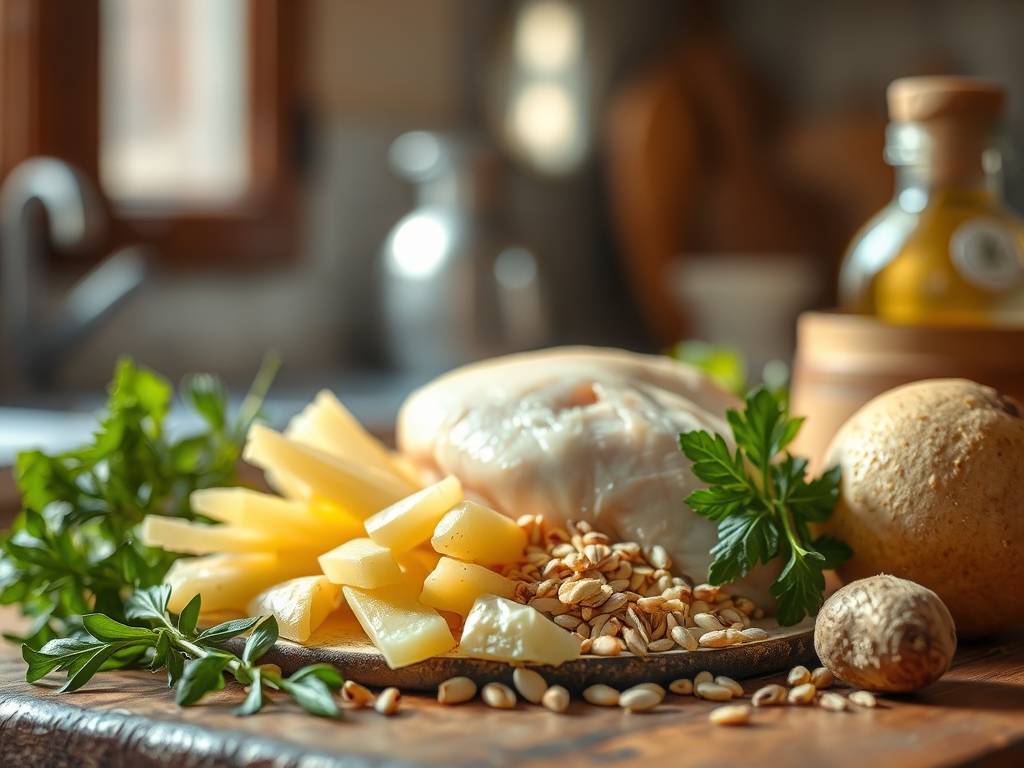
The Gathers:
Before we ignite the burners, we must organize our mise-en-place. For these chicken and potato recipes for dinner, your inventory starts with the bird. Opt for bone-in, skin-on thighs if you want maximum moisture; the bone acts as a thermal conductor to keep the meat succulent. For the potatoes, Yukon Golds are the MVP because their medium starch content allows them to hold their shape while achieving a creamy interior.
You will need a high-smoke-point lipid, such as avocado oil or clarified butter, to facilitate the Maillard reaction without scorching. Grab your microplane for fresh garlic and lemon zest; these volatile aromatics provide a piquant lift to the heavy fats. Your spice rack should feature smoked paprika for depth and kosher salt for its jagged crystal structure, which adheres better to protein surfaces.
Smart Substitutions:
If you are out of Yukon Golds, Red Bliss potatoes offer a waxy alternative that resists breaking down. No chicken? Thick-cut cauliflower steaks provide a similar structural canvas for the spices. If you lack fresh herbs, use one-third the amount of dried herbs, as their oils are more concentrated and potent.
The Clock
Efficiency in the kitchen is all about "Chef's Flow." This is the practice of overlapping tasks so no second is wasted. Your total active prep time should hover around 15 minutes, with a cook time of 25 to 35 minutes depending on the thickness of your cutlets.
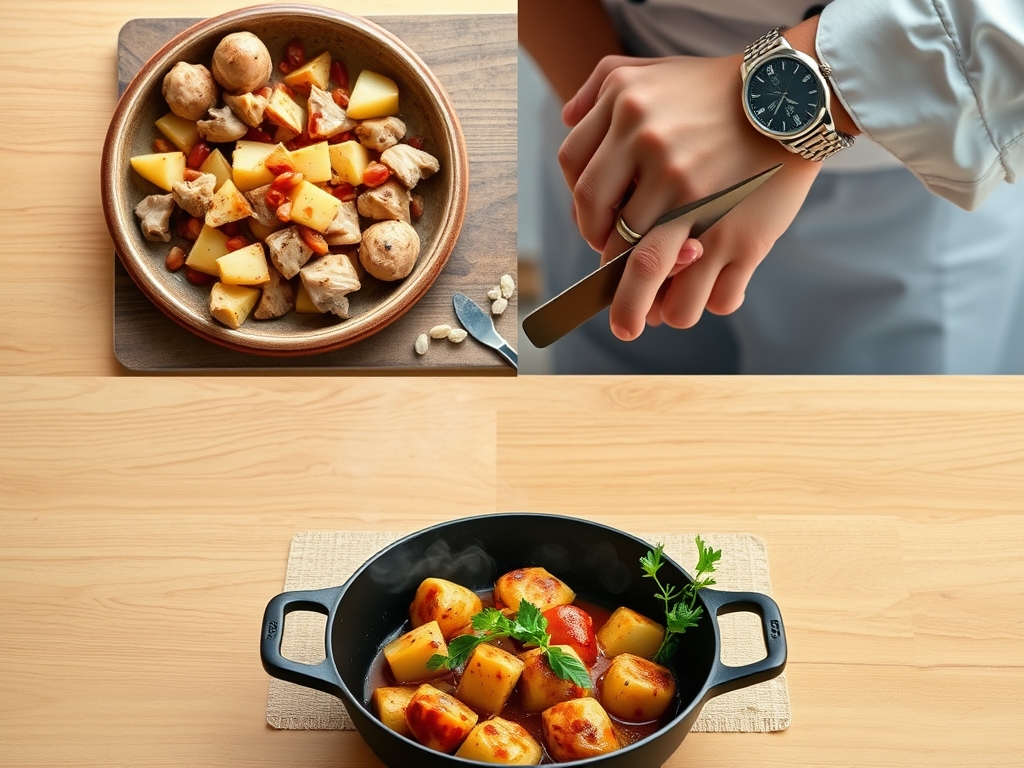
Start by preheating your oven and your sheet pan simultaneously. This thermal head start ensures that the moment your ingredients touch the metal, conduction begins. While the oven climbs to 425 degrees Fahrenheit, use a sharp chef's knife to cube your potatoes into uniform one-inch pieces. Consistency in size is not just for aesthetics; it ensures a synchronized cook time so no potato is left crunchy while others turn to mush.
The Masterclass
1. The Sear and Render
Place your chicken skin-side down in a cold, heavy-bottomed skillet before turning the heat to medium-high. This allows the fat to render slowly, resulting in a shatteringly crisp exterior rather than a rubbery one. Use stainless steel tongs to check for release; if the meat sticks, the crust has not fully formed.
Pro Tip: This technique utilizes the science of fat rendering. By starting cold, you liquefy the subcutaneous fat before the proteins tighten, preventing the skin from shrinking too quickly.
2. The Deglaze and Infuse
Once the chicken is browned, remove it and add your potatoes to the pan. Use a wooden spoon to scrape up the fond; those brown bits are concentrated umami. Pour in a splash of dry white wine or chicken stock to deglaze the pan, incorporating those flavors into a viscous sauce.
Pro Tip: Deglazing is a chemical process where the acidity in the liquid breaks the bonds between the caramelized proteins and the pan, creating a complex flavor base for your potatoes.
3. The Thermal Finish
Transfer the skillet or sheet pan to the oven. This transition from conductive heat (the pan) to convective heat (the oven air) ensures the chicken reaches an internal temperature of 165 degrees Fahrenheit without burning the exterior. Use a digital scale or meat thermometer to verify doneness.
Pro Tip: Carryover cooking is real. Remove the chicken when it hits 160 degrees; the internal residual heat will push it to the safe 165-degree mark while it rests, preventing dryness.
The Deep Dive
Macro Nutrition:
A standard serving of chicken and potatoes provides approximately 35 grams of protein and 30 grams of complex carbohydrates. By keeping the skins on the potatoes, you increase the fiber content and potassium levels, which helps balance the sodium used for seasoning.
Dietary Swaps:
For a Keto-friendly version, swap the potatoes for radishes or turnips; when roasted, they lose their peppery bite and mimic the texture of a starch. For a Vegan twist, use chickpeas and oyster mushrooms, which provide a meaty texture and absorb the infused oils beautifully.
The Fix-It:
- Soggy Potatoes: This happens when the pan is overcrowded. Steam gets trapped between the pieces. Fix: Use two sheet pans to allow for proper airflow.
- Dry Chicken: Usually caused by overcooking. Fix: Use a saucier to whip up a quick pan gravy with butter and stock to reintroduce moisture.
- Burnt Garlic: Garlic burns faster than chicken cooks. Fix: Add aromatics during the last five minutes of roasting rather than the beginning.
Meal Prep Science:
To maintain "day-one" quality, store chicken and potatoes in airtight glass containers. When reheating, avoid the microwave, which turns potatoes gummy. Instead, use an air fryer or a hot oven for five minutes to reactivate the lipids and restore the crunch.
The Wrap-Up
Mastering chicken and potato recipes for dinner is the ultimate flex for any home cook. It is a lesson in heat management, fat utilization, and timing. By understanding the "why" behind the sear and the "how" of the render, you transform basic ingredients into a gourmet experience. Now, grab your tongs and get to work; your kitchen is waiting for that golden, crispy perfection.
The Kitchen Table
How do I get the crispiest potatoes?
Par-boil your potatoes in salted water with a pinch of baking soda before roasting. This breaks down the surface starch, creating more surface area for the oil to crisp up during the roasting phase.
Can I use chicken breasts instead of thighs?
Yes, but reduce the cook time. Breasts lack the protective fat of thighs and dry out quickly. Sear them fast and use a meat thermometer to pull them at exactly 160 degrees Fahrenheit.
Why are my potatoes still hard?
You likely cut them too large or crowded the pan. Ensure pieces are no larger than one inch. If they are still firm, add a tablespoon of water and cover the pan with foil for five minutes to steam-soften.
What is the best oil for roasting?
Use oils with high smoke points like avocado, grapeseed, or ghee. Avoid extra virgin olive oil for high-heat roasting, as its low smoke point can lead to bitter flavors and harmful compounds.
How do I prevent the chicken skin from being rubbery?
Pat the skin bone-dry with paper towels before seasoning. Moisture is the enemy of crispiness. For an extra boost, leave the chicken uncovered in the fridge for an hour to air-dry the skin.