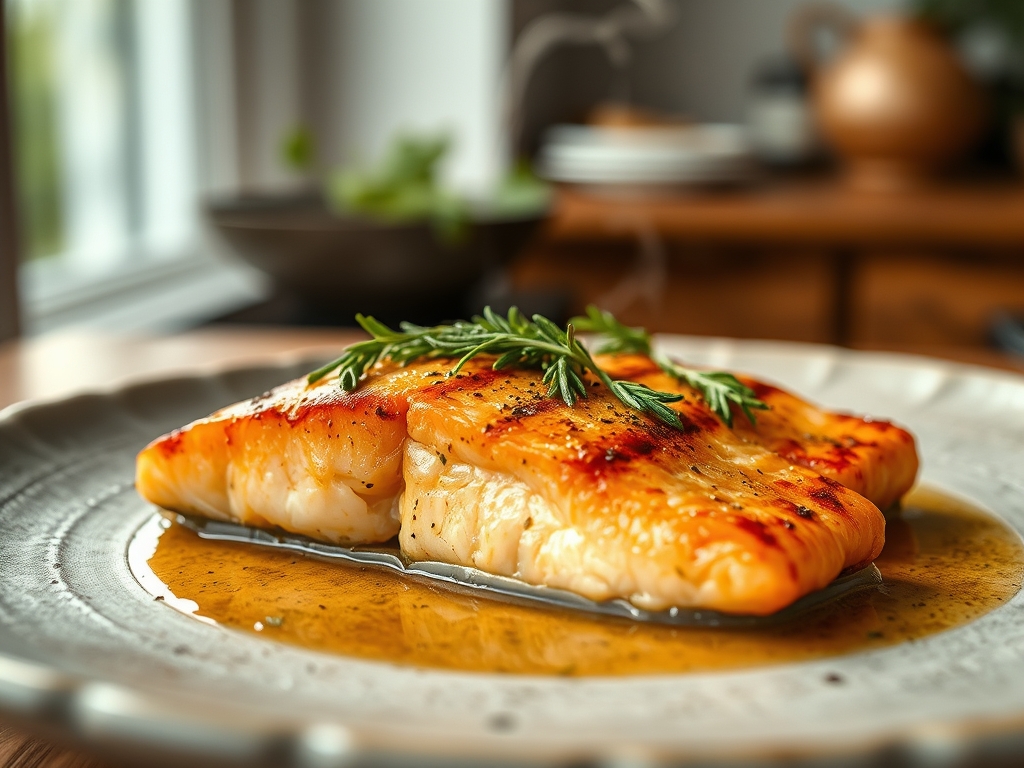
Imagine the scent of citrus-infused steam escaping a parchment packet; it is a fragrant cloud of Meyer lemon, crushed garlic, and wild oregano that instantly transports you to a seaside taverna. When we talk about mediterranean salmon recipes baked to perfection, we are not just talking about dinner; we are discussing a chemical transformation where cold-water fats meet high-heat aromatics. The goal is a delicate, translucent center and a crust that crackles with the brine of capers and the snap of toasted pine nuts. Most home cooks fear the dry, chalky result of over-coagulated proteins, but today we are mastering the thermal equilibrium required for a buttery finish. We are going to leverage the science of moisture retention and lipid infusion to turn a standard fillet into a gourmet centerpiece. Grab your favorite apron and clear your workstation; we are about to elevate your kitchen game with precision and a heavy dose of Mediterranean soul.
The Gathers:
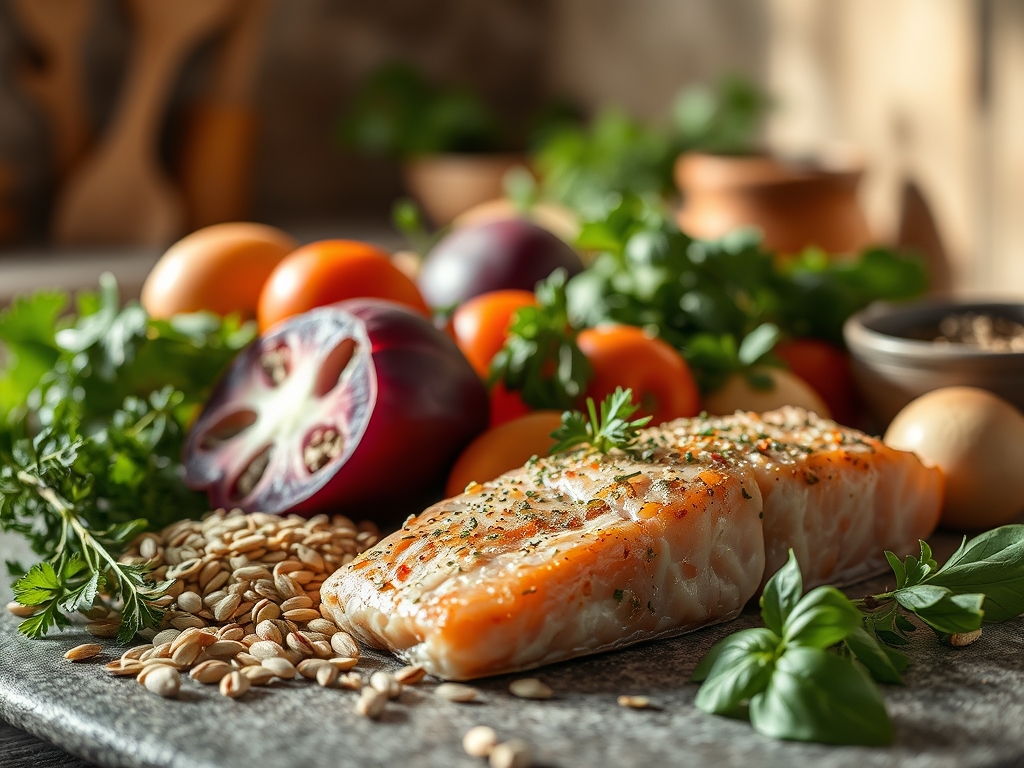
Before we ignite the oven, we must respect the mise-en-place. Our primary protein is a center-cut Atlantic or King salmon fillet, chosen for its high intramuscular fat content which provides a viscous mouthfeel. You will need a microplane to zest two large lemons; this tool ensures we capture the essential oils in the flavedo without hitting the bitter white pith. Our fat source is a cold-pressed, extra virgin olive oil with a high polyphenol count to provide a piquant throat-hit.
Gather your aromatics: fresh dill, flat-leaf parsley, and oil-cured Kalamata olives. For the crunch, we utilize toasted pine nuts and a sprinkle of coarse sea salt to draw out moisture through osmosis. Smart Substitutions are key for the modern pantry. If you lack pine nuts, slivered almonds offer a similar lipid profile. No fresh dill? A teaspoon of dried tarragon provides a similar anise-like complexity. If you are watching sodium, swap the olives for caper berries to maintain that acidic brightness without the heavy brine.
The Clock:
Mastering the "Chef's Flow" is about overlapping tasks to minimize idle time. Your total active preparation time is precisely 12 minutes, with a bake time of 15 to 18 minutes depending on the thickness of your fillet.
Start by preheating your oven to 375 degrees Fahrenheit. While the heating element stabilizes, you will perform your knife work. Use a sharp bench scraper to clear your board of chopped herbs and aromatics efficiently. The flow looks like this: Prep aromatics (5 mins), Season and coat (3 mins), Bake (15 mins), and Rest (4 mins). That final rest is non-negotiable; it allows the internal juices to redistribute, ensuring every bite is succulent rather than leaking onto the plate.
The Masterclass:
1. The Surface Preparation
Pat the salmon bone-dry using lint-free paper towels. Moisture is the enemy of the Maillard reaction; if the surface is damp, the fish will steam rather than sear. Use a digital scale to ensure your portions are uniform for even heat distribution.
Pro Tip: This process prevents the formation of albumin, that unsightly white protein that leaks out when salmon is shocked by heat. By drying the surface and starting at a moderate temperature, you keep the proteins intact.
2. The Lipid Infusion
In a small saucier, whisk together your olive oil, lemon zest, and minced garlic. Do not cook this; simply let it sit for five minutes to infuse the oil with fat-soluble flavor compounds. Drizzle this mixture over the fillets, ensuring the sides are coated.
Pro Tip: Fats act as a thermal blanket. By coating the fish in a high-quality oil, you create a barrier that slows down the evaporation of internal moisture, resulting in a silkier texture.
3. The Aromatic Crust
Press your mixture of chopped herbs, crushed olives, and nuts onto the top of the fillet. Use your hands to gently adhere the crust. This creates a sacrificial layer that takes the direct heat of the oven, protecting the delicate flesh beneath.
Pro Tip: This is known as "insulative topping." The herbs and nuts undergo enzymatic browning, creating complex flavor molecules while the fish underneath cooks via gentle conduction.
4. The Precision Bake
Place the salmon on a parchment-lined heavy-bottomed sheet pan. Slide it into the center rack of the oven. Avoid the top rack, as the intense radiant heat can scorch the herbs before the center of the fish reaches the target temperature.
Pro Tip: Use an instant-read thermometer to pull the fish at 125 degrees Fahrenheit. Thermal carryover will raise the internal temperature to a perfect 130 or 135 degrees while it rests on the counter.
5. The Acidic Finish
Once removed from the oven, immediately squeeze fresh lemon juice over the hot fillets. The heat will slightly aerate the juice, sending the citrus aroma upward and cutting through the richness of the fish oils.
Pro Tip: Acid reacts with the fish proteins to brighten the flavor profile. This is a chemical "flavor pop" that balances the heavy omega-3 fatty acids present in the salmon.
6. The Rest and Garnish
Let the fish sit for four minutes before serving. Use tongs to gently transfer the fillets to a warmed platter. Garnish with a final sprinkle of flaky sea salt and fresh sprigs of parsley.
Pro Tip: Resting allows the muscle fibers to relax. If you cut into the fish immediately, the high-pressure internal steam escapes, leaving the protein dry and tough.
The Deep Dive:
From a nutritional standpoint, this dish is a powerhouse. A standard 6-ounce serving provides roughly 34 grams of high-quality protein and is rich in Vitamin B12 and Selenium. For my Keto friends, this is a dream meal as it is naturally low-carb and high in healthy fats. To make this Vegan, substitute the salmon with thick slabs of cauliflower or "tofu steaks," though you should increase the roasting time to ensure the centers are tender.
The Fix-It:
- The Fish is Mushy: You likely crowded the pan. Ensure at least two inches of space between fillets to allow air circulation.
- The Garlic is Bitter: You minced it too fine or the oven was too hot. Aim for a rough chop to withstand the bake time.
- The Skin is Soggy: Start the salmon on a preheated heavy-bottomed skillet for 2 minutes skin-side down before moving the whole pan to the oven.
Meal Prep Science: To reheat without turning your salmon into rubber, avoid the microwave. Use a low-heat oven (275 degrees) with a splash of water in the pan, covered tightly with foil. This creates a mini-steam chamber that rehydrates the proteins gently.
The Wrap-Up:
You have officially graduated from basic baking to culinary science! By understanding how lipids protect proteins and how thermal carryover finishes the job, you have unlocked the secret to the best mediterranean salmon recipes baked in your own kitchen. This dish is vibrant, sophisticated, and deceptively simple once you respect the chemistry. Now, pour yourself a glass of crisp Assyrtiko, set the table, and enjoy the fruits of your precision. Your kitchen is now the best restaurant in town!
The Kitchen Table:
How do I know when the salmon is done without a thermometer?
Gently press the top of the fillet with a fork. If the flakes separate easily along the white fat lines (the lamellae), it is ready. The center should still look slightly translucent rather than opaque and matte.
Can I use frozen salmon for this recipe?
Yes, but thaw it completely in the refrigerator first. Pat it extremely dry with paper towels to remove excess moisture, as frozen fish tends to release more water during the baking process than fresh fillets.
Why does my salmon have white stuff on it?
That white substance is albumin, a harmless protein. It appears when salmon is cooked too quickly or at too high a temperature, causing the muscle fibers to contract and squeeze the protein to the surface.
What is the best way to store leftovers?
Store in an airtight glass container for up to two days. To maintain the best texture, flake the cold salmon over a salad instead of reheating it, which preserves the delicate omega-3 oils and prevents a fishy aroma.