Imagine the scent of caramelized sugars and earthy vanilla drifting through your hallway at 4:00 PM. It is that specific, comforting aroma that only comes from a low and slow simmer. When you lean into slow cooker sweet potato recipes healthy, you are not just making dinner; you are engaging in a sophisticated game of thermal chemistry. We are transforming a humble, fibrous tuber into a velvety masterpiece with zero effort. Most people treat the slow cooker as a dump and go bin, but we are going to treat it like a sous-vide chamber. By the time we are finished, you will have nine distinct ways to elevate your meal prep game using nothing but a few pantry staples and a bit of patience.
The Gathers:
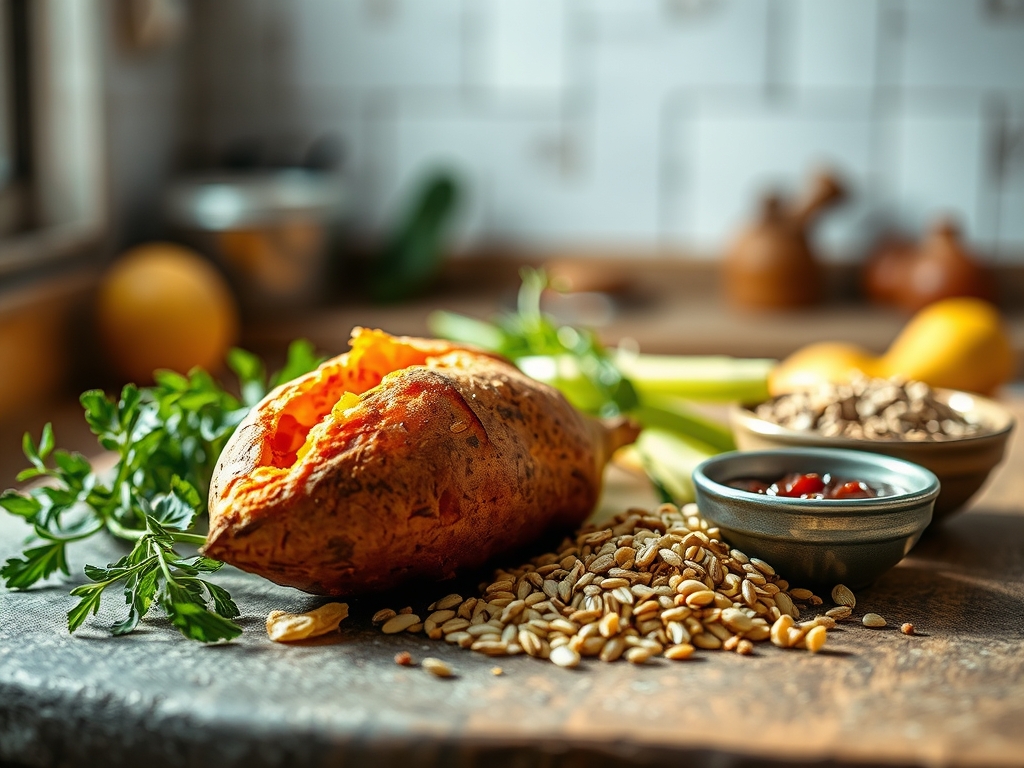
To achieve culinary excellence, your mise-en-place must be precise. Start with firm, jewel-toned Garnet or Beauregard potatoes. These varieties possess a high moisture content which is essential for the viscous texture we crave. You will need a digital scale to ensure uniformity; aim for potatoes that weigh roughly eight ounces each for even heat distribution.
Beyond the tubers, gather your aromatics. We are looking for piquant ginger roots, cinnamon sticks for a slow infusion, and high-quality sea salt to balance the natural glucose. For our smart substitutions, swap heavy cream for full-fat coconut milk to maintain a rich mouthfeel without the dairy. If you want to cut the glycemic load, incorporate a splash of apple cider vinegar. The acidity brightens the dish while the acetic acid helps manage blood sugar spikes. Use a microplane to zest fresh orange peel over the ingredients; the volatile oils in the citrus skin provide a floral top note that cuts through the starch.
The Clock:
The "Chef's Flow" is all about timing the enzymatic breakdown of starches into maltose.
- Prep Time: 15 minutes. This includes scrubbing the skins with a stiff brush and trimming the woody ends with a sharp chef's knife.
- Cook Time (Low): 6 to 8 hours. This is the sweet spot for maximum sugar conversion.
- Cook Time (High): 3 to 4 hours. Use this only if you plan to mash or puree the final product.
- Resting Phase: 20 minutes. Never skip this. Allowing the potatoes to sit in the "warm" setting allows the internal steam to redistribute, ensuring the flesh is moist from skin to core.
The Masterclass:
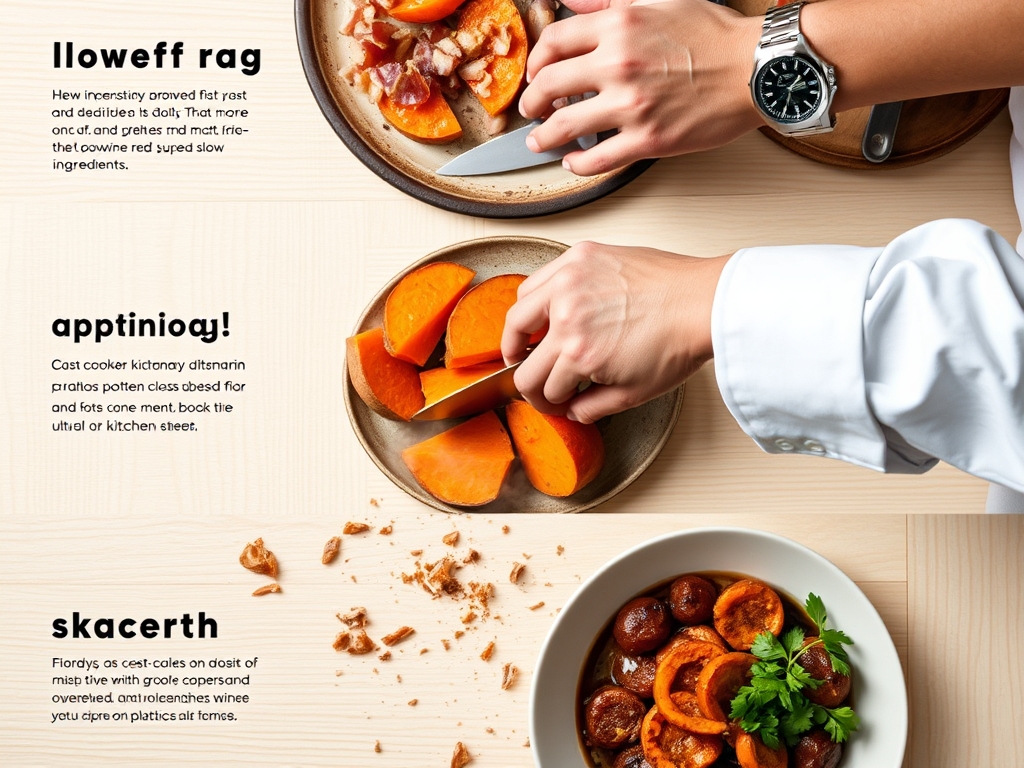
1. The Dry Roast Method
Place your scrubbed potatoes directly into the ceramic insert without any added liquid. This mimics a traditional oven roast but keeps the moisture locked inside the skin.
Pro Tip: This relies on thermal carryover. The ceramic pot holds heat more efficiently than air, creating a pressurized environment that prevents the skins from becoming leathery.
2. The Coconut Milk Poach
Submerge peeled cubes in a mixture of coconut milk and turmeric. Use a saucier to whisk the liquid before pouring it over the potatoes to ensure the spices are fully suspended.
Pro Tip: This is an emulsification play. The fats in the coconut milk encapsulate the potato starch, preventing the cubes from turning into mush.
3. The Savory Garlic Infusion
Add four smashed garlic cloves and a sprig of rosemary. As the potatoes cook, the garlic will render down into a soft paste that can be folded back into the flesh.
Pro Tip: This utilizes lipid-soluble flavor extraction. The essential oils in the rosemary dissolve into the small amount of fat used, permeating the entire batch.
4. The Maple Glaze Technique
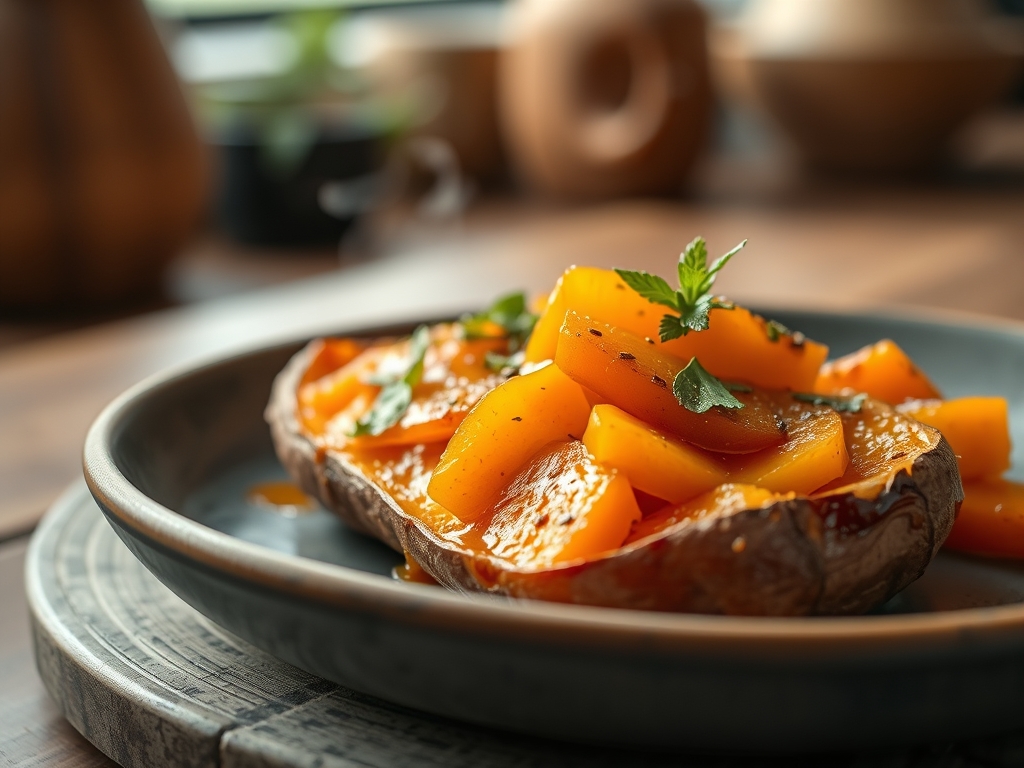
Drizzle two tablespoons of grade A maple syrup over the top during the last hour of cooking.
Pro Tip: This triggers the Maillard reaction at a lower temperature. The sugars interact with the potato proteins to create a complex, toasted flavor profile.
5. The Breakfast Porridge Hack
Mash the cooked potatoes with almond milk and chia seeds. Let it sit on the warm setting to aerate the mixture.
Pro Tip: Chia seeds act as a natural thickener through hydrophilic absorption, turning the potato base into a pudding-like consistency.
6. The Spicy Chipotle Braise
Introduce a tablespoon of chipotle in adobo. The smoky heat balances the natural sweetness of the tuber.
Pro Tip: Capsaicin is heat-stable. Long cook times allow the heat to infuse deeply into the center of the potato rather than just sitting on the surface.
7. The Citrus Steam
Place a few thick slices of lemon and orange at the bottom of the pot. Set the potatoes on top of the fruit.
Pro Tip: This creates a citric acid vapor. The steam lightly pickles the outside of the potato, creating a bright contrast to the heavy starch.
8. The Bone Broth Bath
Use savory bone broth as your cooking liquid for a protein boost and deep umami flavor.
Pro Tip: The collagen in the broth adds a gelatinous mouthfeel that makes the healthy recipe feel incredibly indulgent.
9. The Vanilla Bean Infusion
Split a vanilla bean and tuck it between the potatoes.
Pro Tip: Vanilla contains vanillin, which tricks the brain into perceiving more sweetness than is actually present, allowing you to skip added refined sugars.
The Deep Dive:
Macro Nutrition
One medium sweet potato contains roughly 110 calories, 26 grams of complex carbohydrates, and 4 grams of fiber. By using the slow cooker, we preserve the high levels of Vitamin A and C which can sometimes be degraded by the intense, dry heat of a high-temp oven.
Dietary Swaps
- Vegan: Use avocado oil or coconut oil instead of ghee.
- Keto: While sweet potatoes are higher in carbs, you can "Keto-fy" this by serving smaller portions (50g) heavily topped with pecans and grass-fed butter to slow digestion.
- GF: This is naturally gluten-free; just ensure your spices are not processed with wheat-based anti-caking agents.
The Fix-It
- Pitfall: Too much liquid. If your potatoes are swimming, use a bench scraper to lift them out and discard the excess water. Never let them sit in "potato tea" or they will lose their structural integrity.
- Pitfall: Uneven cooking. If some are hard and others are soft, your sizes were mismatched. Next time, use your tongs to rotate the potatoes halfway through the cycle.
- Pitfall: Oxidation. If the potatoes turn grey, it is due to enzymatic browning. Add a teaspoon of lemon juice to the pot at the start to lower the pH.
Meal Prep Science
To maintain "day-one" quality, store the potatoes whole in their skins. When reheating, use a damp paper towel in the microwave or a low oven. This creates a mini-steam chamber that re-hydrates the starch molecules without making them gummy.
The Wrap-Up:
Mastering slow cooker sweet potato recipes healthy is the ultimate kitchen superpower. You are utilizing low-temperature physics to create a dish that is nutritionally dense and incredibly satisfying. Whether you are prepping for a busy work week or hosting a cozy Sunday brunch, these hacks ensure your potatoes are the star of the show. Grab your tongs, set that timer, and let the slow cooker do the heavy lifting while you take all the credit for the culinary brilliance.
The Kitchen Table:
Can I cook sweet potatoes without water in a slow cooker?
Yes. Cooking them dry creates a concentrated flavor similar to roasting. The potatoes release enough internal moisture to steam themselves inside the ceramic pot without burning, provided the lid remains sealed to trap the heat.
How long do sweet potatoes last in the fridge?
Stored in an airtight container, cooked sweet potatoes stay fresh for five to seven days. Keep the skins on to preserve moisture and prevent the flesh from absorbing other refrigerator odors or becoming excessively dry.
Is it healthier to boil or slow cook sweet potatoes?
Slow cooking is superior for nutrient retention. Boiling leaches water-soluble vitamins like Vitamin C and B-complex into the water. The slow cooker keeps these nutrients contained within the potato or the small amount of cooking liquid used.
Why are my slow cooker sweet potatoes mushy?
Mushiness usually results from adding too much external liquid or cooking on "High" for too long. To fix this, reduce the added water and use the "Low" setting to allow the fibers to break down gradually.