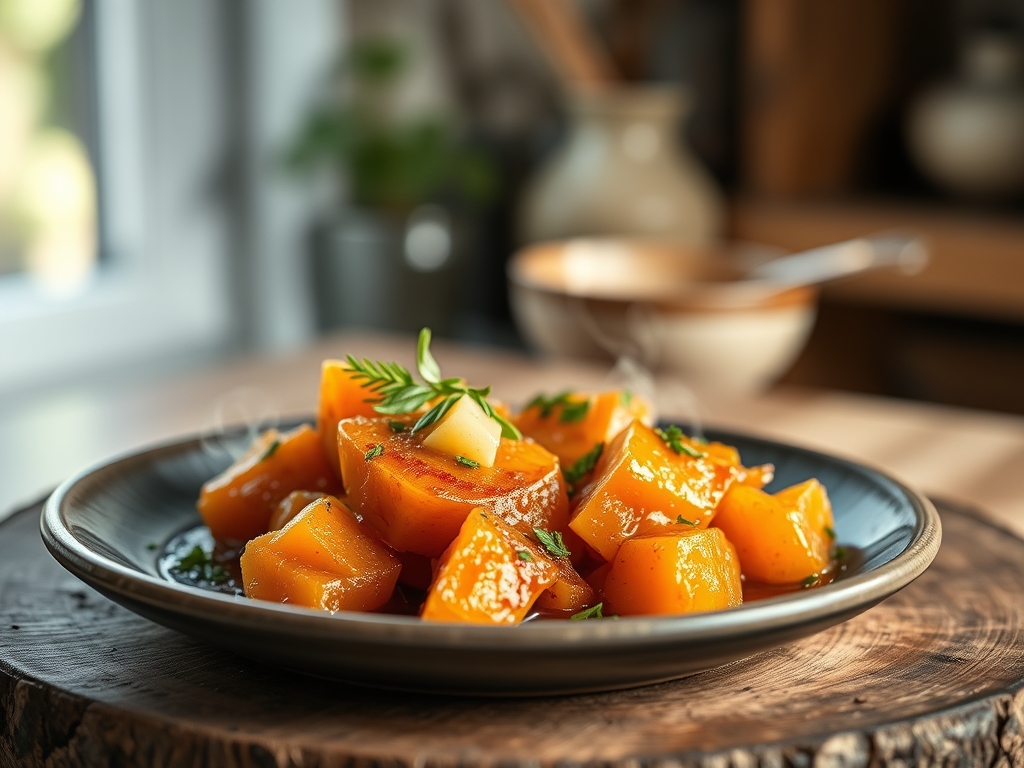
Imagine the scent of caramelized sugars and toasted pecans wafting through your kitchen without the hour long wait of roasting tubers from scratch. When you dive into canned sweet potato recipes healthy enough for a Tuesday but decadent enough for a dinner party; you unlock a culinary cheat code. Canned sweet potatoes are not just a convenience; they are a pre-steamed canvas of beta-carotene and fiber waiting for a professional touch.
Forget the syrupy, marshmallow-topped clichés of holiday pasts. We are talking about utilizing the natural sugars and velvety texture of high quality canned yams to create everything from vibrant hummus to silken gnocchi. Because these potatoes are processed at peak ripeness; they often retain more nutrients than the "fresh" versions that have been sitting in a grocery store bin for weeks. Let's peel back the lid on the science of the tin and transform your pantry staples into a gourmet masterpiece.
The Gathers:
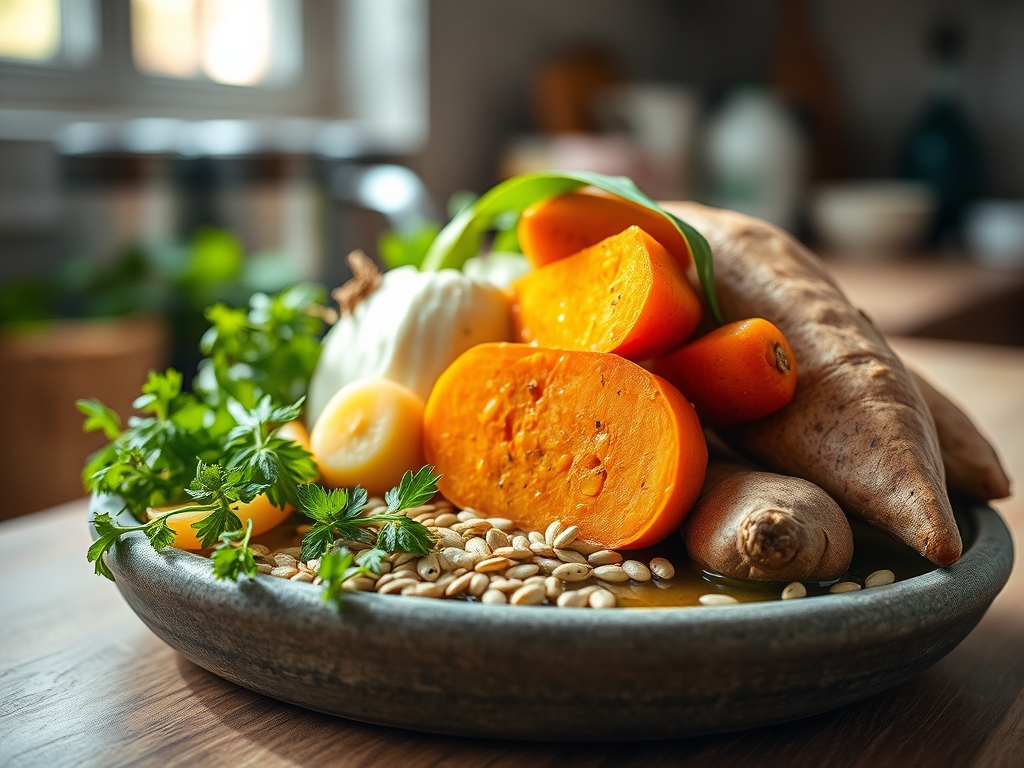
Your mise-en-place is the foundation of flavor. To execute these canned sweet potato recipes healthy style; you need to gather ingredients that balance the natural sweetness with acidity and salt. Start with two 15-ounce cans of sweet potatoes; look for those packed in water or light syrup to control the glycemic load. You will also need a high quality fat; such as grass-fed ghee or extra virgin olive oil; to facilitate the absorption of fat-soluble Vitamin A.
For the "Smart Substitutions," swap heavy cream for full-fat coconut milk to achieve a piquant richness without the lactose. If you are aiming for a savory profile; keep a bottle of aged balsamic vinegar or a fresh lemon nearby to deglaze your pan and cut through the starch. Professional tools are non-negotiable here. Reach for your microplane to zest citrus or grate fresh ginger; a digital scale for precise flour ratios in doughs; and a saucier for even heat distribution when reducing sauces. The goal is to create a viscous texture that feels intentional; not accidental.
The Clock
Efficiency in the kitchen is about mastering the Chef's Flow. The beauty of using canned potatoes is the elimination of the 45-minute roasting window. Your active prep time should clock in at roughly 10 minutes; with a total cook time of 20 to 25 minutes depending on your chosen application.
The flow begins with the purge. Drain your canned potatoes in a fine-mesh sieve and rinse them to remove excess canning liquid. While they drain; use your heavy-bottomed skillet to toast any dry spices or aromatics. This layering of tasks ensures that by the time your potatoes are ready to be mashed or sautéed; your flavor base is already infused and aromatic. By following this sequence; you maximize the Maillard reaction on the surface of the potatoes without overcooking the delicate interior.
The Masterclass
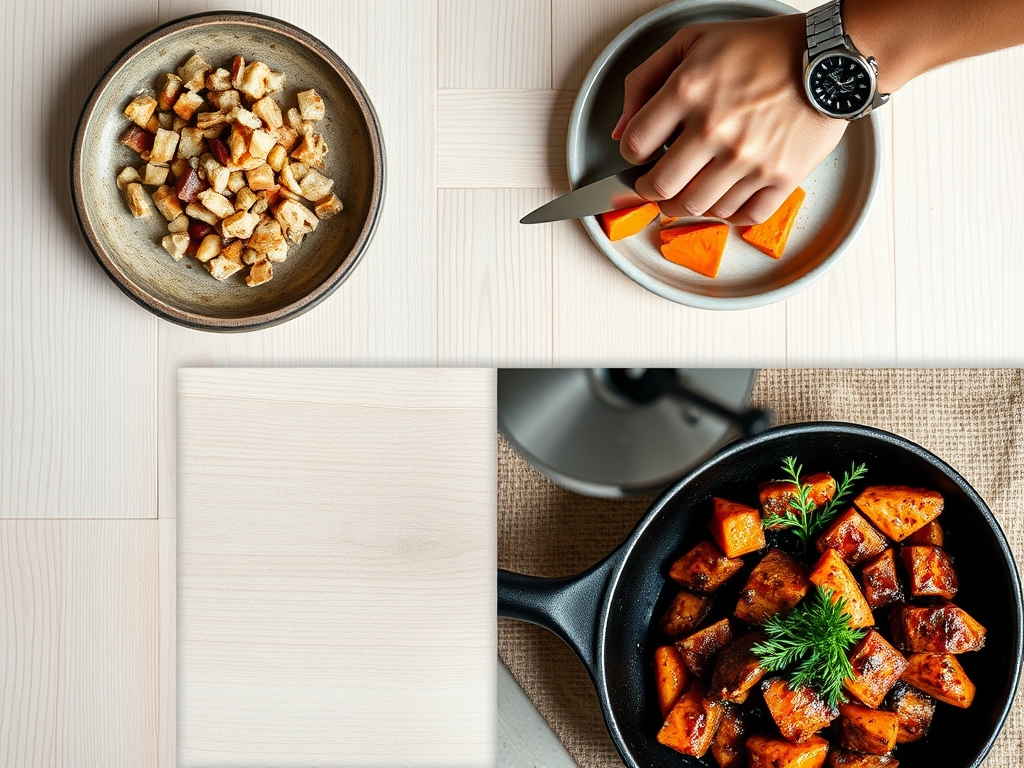
1. The Purge and Dry
Empty the cans into a colander and rinse thoroughly under cold water. Pat the pieces dry with a clean kitchen towel or paper towels. Removing the surface moisture is critical for achieving a crust.
Pro Tip: This prevents steam-shielding. If the surface is wet; the temperature cannot rise above 212 degrees Fahrenheit; which inhibits the Maillard reaction needed for browning.
2. The Puree or Mash
Use a food mill or a heavy-duty whisk to break down the potatoes. For a rustic texture; a bench scraper can chop them into uniform cubes for a hash. If making a soup or sauce; use an immersion blender to aerate the mixture.
Pro Tip: Avoid over-processing in a high-speed blender; which can shear the starch granules and lead to a gluey; viscous consistency rather than a light fluff.
3. The Sear and Infuse
Heat your fat in a heavy-bottomed skillet until it shimmers. Add your potatoes in a single layer. Let them sit undisturbed for three minutes to develop a golden crust before tossing.
Pro Tip: This utilizes thermal carryover. Even after you remove the pan from the heat; the internal temperature continues to rise; finishing the interior without burning the sugars on the outside.
4. The Acid Balance
Just before serving; deglaze the pan with a splash of apple cider vinegar or white wine. Scrape up the browned bits (the fond) with a wooden spoon to incorporate that deep flavor back into the dish.
Pro Tip: Acid acts as a molecular "brightener." It interacts with your taste buds to mitigate the "heavy" mouthfeel of starches; making the dish taste more complex and less cloying.
The Deep Dive
When we look at the macro nutrition of canned sweet potatoes; we see a powerhouse of complex carbohydrates and potassium. One cup provides nearly 400 percent of your daily Vitamin A requirement. To keep these canned sweet potato recipes healthy; focus on the glycemic index. Pairing the potatoes with a protein or a healthy fat slows down the sugar absorption; preventing insulin spikes.
Dietary Swaps:
- Vegan: Use a flax egg (1 tbsp ground flax + 3 tbsp water) as a binder for sweet potato patties.
- Keto-ish: While sweet potatoes are higher in carbs; you can lower the net impact by adding bulk with roasted cauliflower or riced broccoli.
- Gluten-Free: Use almond flour or cassava flour when thickening a sweet potato based sauce or making gnocchi.
The Fix-It:
- Too Watery: If your puree looks thin; simmer it in a saucier over low heat to render out excess moisture through evaporation.
- Too Sweet: Add a pinch of smoked paprika or cayenne. The capsaicin provides a counterpoint to the natural glucose.
- Metallic Taste: This sometimes happens with lower-quality cans. A squeeze of fresh lime juice and a pinch of sea salt will neutralize the "tinny" notes through chemical chelation.
Meal Prep: To reheat with "day-one" quality; avoid the microwave if possible. Reheat in a skillet with a teaspoon of water and a lid. This creates a mini-steam chamber that rehydrates the starches without making them rubbery.
The Wrap-Up
You are now officially a pantry alchemist. By understanding the science of starch and the importance of moisture control; you have turned a humble can of potatoes into a nutritional powerhouse. Whether you are whipping up a savory mash or a spicy breakfast hash; remember that technique is the bridge between "canned food" and "fine dining." Go forth; grab your tongs and your microplane; and show that pantry who is boss. Your kitchen is a lab; and the results are delicious.
The Kitchen Table
Can I use the liquid from the can?
It is best to discard the canning liquid. It often contains excess sodium or sugar syrups. Rinsing the potatoes allows you to control the flavor profile and reduces the "canned" taste significantly.
How do I make canned sweet potatoes crispy?
The secret is thorough drying. Pat the potatoes with a towel; then sear in a hot heavy-bottomed skillet with ghee. Avoid overcrowding the pan; which creates steam and prevents the Maillard reaction from occurring.
Are canned sweet potatoes as healthy as fresh?
Yes; they are often processed immediately after harvest; locking in vitamins. Just ensure you buy varieties packed in water or juice rather than heavy syrup to keep your canned sweet potato recipes healthy and low in added sugar.
What is the best way to thicken sweet potato soup?
Instead of flour; use the potatoes themselves. Puree a portion of the canned potatoes and stir them back into the broth. This adds a natural thickness and a velvety mouthfeel without altering the flavor profile.