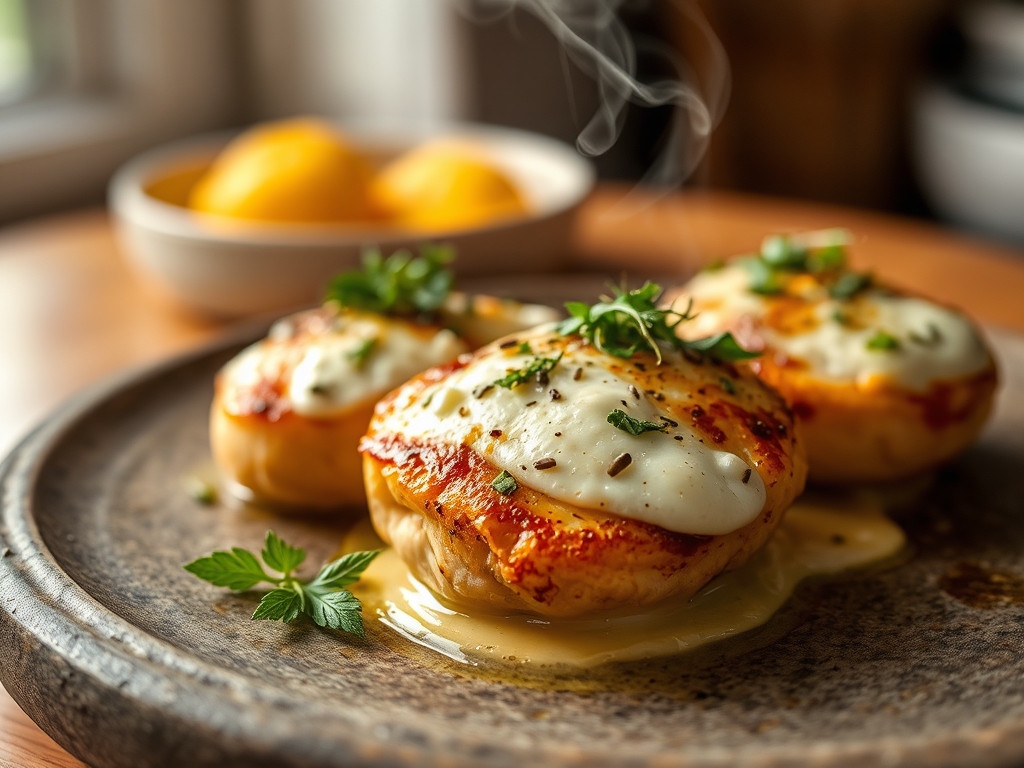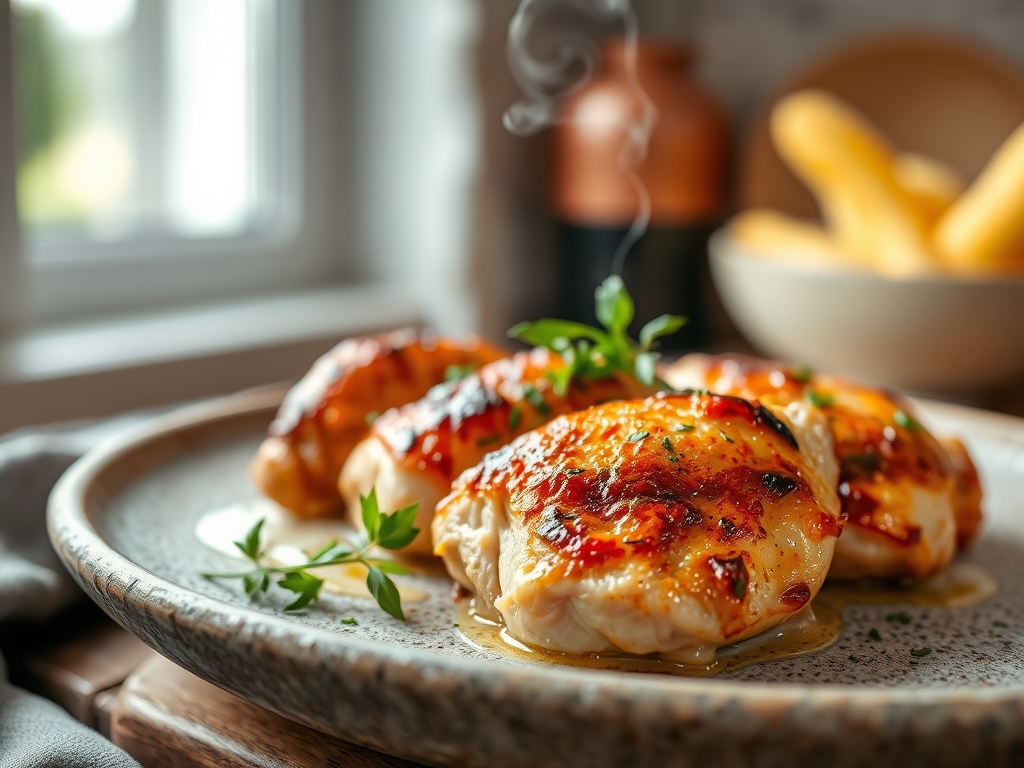
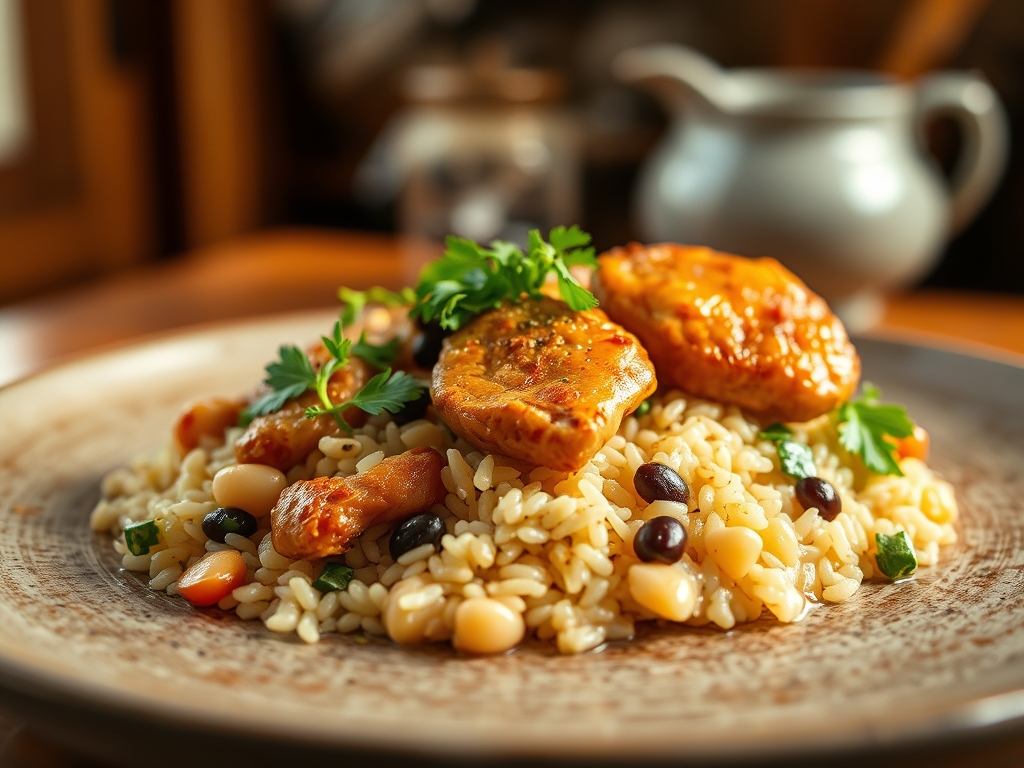
Imagine the scent of caramelized sugars hitting a searing hot pan; it is that intoxicating blend of charred fruit and salty umami that makes your mouth water before the plate even hits the table. When you are hunting for the ultimate rice beans and chicken recipes, you are looking for a symphony of textures that balance the earthy heartiness of legumes with the bright, acidic pop of tropical fruit. Pineapple teriyaki is not just a sauce; it is a chemical bridge that connects these disparate elements into a cohesive, high-protein masterpiece.
This is the kind of cooking that feels like a warm hug but tastes like a five-star vacation. We are moving beyond the basic stir-fry and diving into the molecular magic of bromelain enzymes and Maillard reactions. By the time we are finished, you will have ten distinct ways to pivot these base ingredients into a week of gourmet meals that feel anything but repetitive. Grab your favorite apron and a cold drink; we are about to turn your kitchen into the best bistro in town.
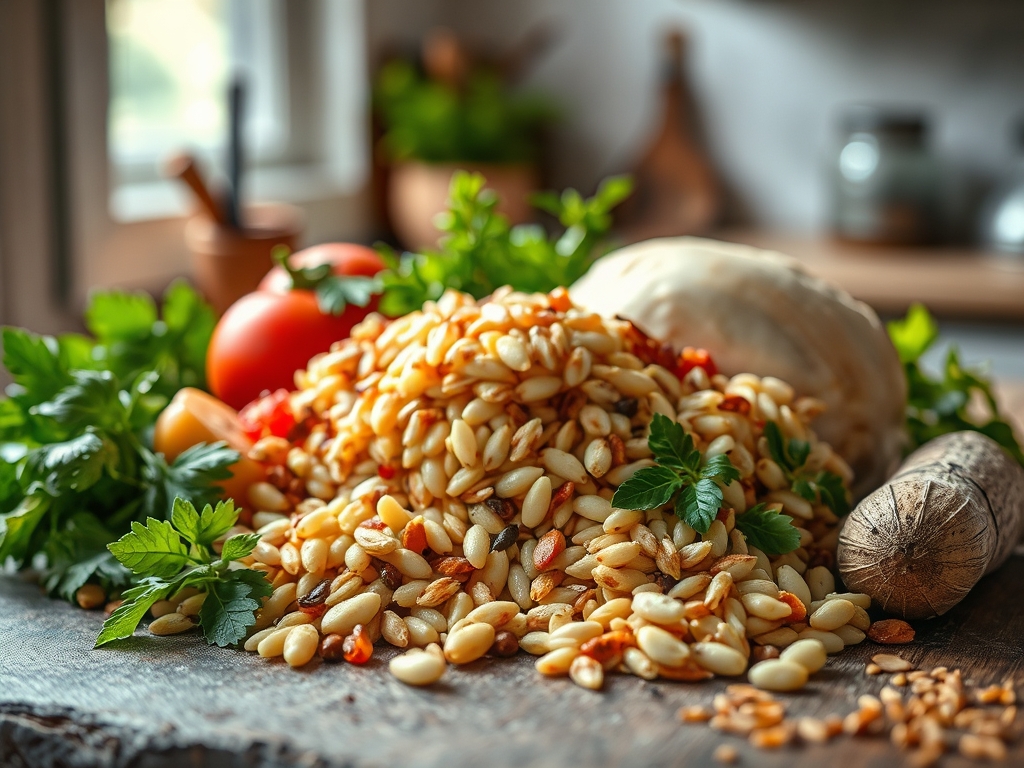
The Gathers:
To execute these hacks with precision, your mise-en-place must be flawless. Start with your protein: four pounds of organic chicken thighs. Thighs are superior here because they contain more intramuscular fat and connective tissue than breasts; this ensures they stay succulent even under high heat. For the base, gather long-grain jasmine rice and black beans. The rice provides a fluffy, starchy canvas, while the beans offer a dense, fiber-rich contrast.
Your flavor profile relies on a homemade teriyaki base. You will need high-quality tamari or soy sauce, fresh ginger, and garlic. Use a microplane to grate the aromatics into a fine paste; this increases the surface area and allows the essential oils to infuse the liquid instantly. The star of the show is the pineapple. Fresh is always better because it contains active bromelain, an enzyme that physically breaks down meat proteins to tenderize the chicken.
Smart Substitutions:
If you are watching your sodium, swap the soy sauce for coconut aminos; it provides the same viscous mouthfeel with half the salt. For a lower glycemic index, replace the jasmine rice with quinoa or cauliflower rice. If black beans feel too heavy, try edamame for a bright, green pop of protein that mimics the classic teriyaki aesthetic.
The Clock
Efficiency in the kitchen is all about the Chef's Flow. Total active prep time for these ten hacks is roughly 45 minutes, with a total cook time of 30 minutes if you utilize a heavy-bottomed skillet and a rice cooker simultaneously. The "Flow" means you are chopping your aromatics while the rice steams and the chicken marinates.
By batch-cooking the base components (the rice and beans), you reduce your nightly effort to a mere 10-minute finish. This is the secret to high-density meal prepping; you are not cooking ten times, you are assembling ten variations of a single, perfectly prepared foundation.
The Masterclass
1. The Sear and Render
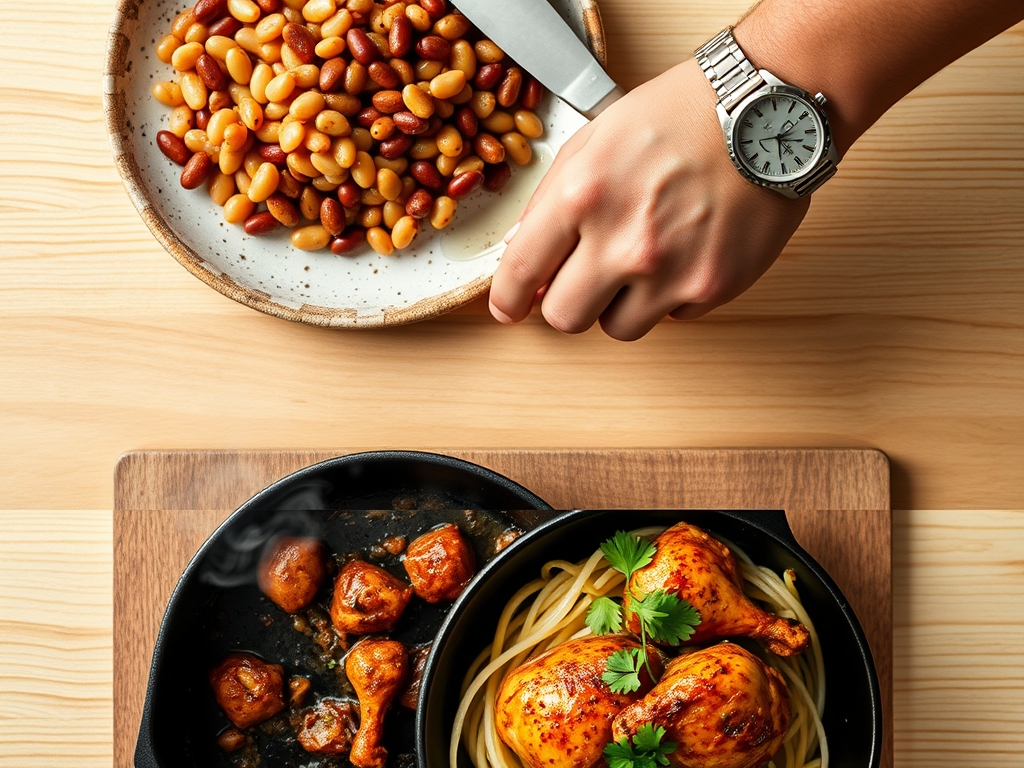
Place your chicken thighs skin-side down in a cold heavy-bottomed skillet, then turn the heat to medium-high. This allows the fat to render slowly, resulting in a shatteringly crisp skin.
Pro Tip: This is called "cold-pan rendering." It prevents the proteins from seizing up and ensures the fat liquefies before the meat overcooks, leading to a more tender result.
2. The Deglaze
Once the chicken is browned, remove it and add your diced pineapple and onions. Use a wooden spoon to deglaze the pan with a splash of pineapple juice, scraping up the brown bits (the fond).
Pro Tip: The fond is a concentrated source of flavor created by the Maillard reaction. Deglazing captures these complex flavor compounds and incorporates them back into your sauce.
3. The Emulsification
Whisk your teriyaki base into the pan juices. Stir constantly until the sauce coats the back of a spoon.
Pro Tip: This is the process of emulsification. The natural sugars in the pineapple juice act as a stabilizer, helping the oil and water-based liquids stay combined for a glossy, professional finish.
4. The Rice and Bean Fold
Incorporate your pre-cooked rice and beans into the pan. Toss them gently using tongs to ensure every grain is coated in the shimmering glaze without smashing the beans.
Pro Tip: Adding the beans last prevents them from bleeding their color into the rice, keeping the dish visually vibrant and distinct.
The Deep Dive
Macro Nutrition:
A standard serving of this pineapple teriyaki chicken with rice and beans provides approximately 35g of protein, 45g of complex carbohydrates, and 12g of healthy fats. It is a balanced "power bowl" designed for sustained energy.
Dietary Swaps:
- Vegan: Replace chicken with extra-firm pressed tofu or tempeh.
- Keto: Swap rice for shredded cabbage and beans for toasted macadamia nuts to maintain the crunch.
- GF: Ensure your teriyaki uses certified gluten-free tamari.
The Fix-It:
- Soggy Rice: If your rice is mushy, spread it on a sheet tray and blast it in a 400F oven for five minutes to evaporate excess moisture.
- Too Salty: Add a squeeze of fresh lime juice. The acid cuts through the sodium perception on your palate.
- Thin Sauce: Create a slurry of one teaspoon cornstarch and one teaspoon water. Whisk it into the boiling sauce to create an instant viscous glaze.
Meal Prep Science:
When reheating, add a tablespoon of water before microwaving. This creates steam that re-hydrates the starch molecules in the rice, preventing that "day-old" crunchy texture.
The Wrap-Up
You now have the technical blueprint to turn simple rice beans and chicken recipes into a rotating menu of tropical delights. Whether you are charring the pineapple for a smoky depth or adding a dash of sriracha for a piquant kick, the foundation remains the same: quality ingredients and scientific technique. Cooking is just delicious chemistry; now go show your kitchen who is boss!
The Kitchen Table
How do I prevent my chicken from getting rubbery?
Always use a digital scale or meat thermometer to pull chicken at 165F. Allow it to rest for five minutes; this permits thermal carryover to finish the cooking while the juices redistribute throughout the muscle fibers.
Can I use canned pineapple for these recipes?
Yes, but drain it thoroughly and pat it dry with paper towels. Canned pineapple lacks the active bromelain of fresh fruit, so it won't tenderize the meat, but it still provides the necessary sugars for caramelization.
What is the best way to store leftovers?
Store the rice and beans separately from the saucy chicken in airtight glass containers. This prevents the rice from absorbing all the sauce and becoming a monolithic block of starch by the next morning.
How do I make the teriyaki sauce thicker without flour?
Reduce the sauce by half over medium heat. This evaporates the water content, concentrating the natural pectins and sugars until the liquid reaches a nappe consistency, which means it perfectly coats the back of a spoon.