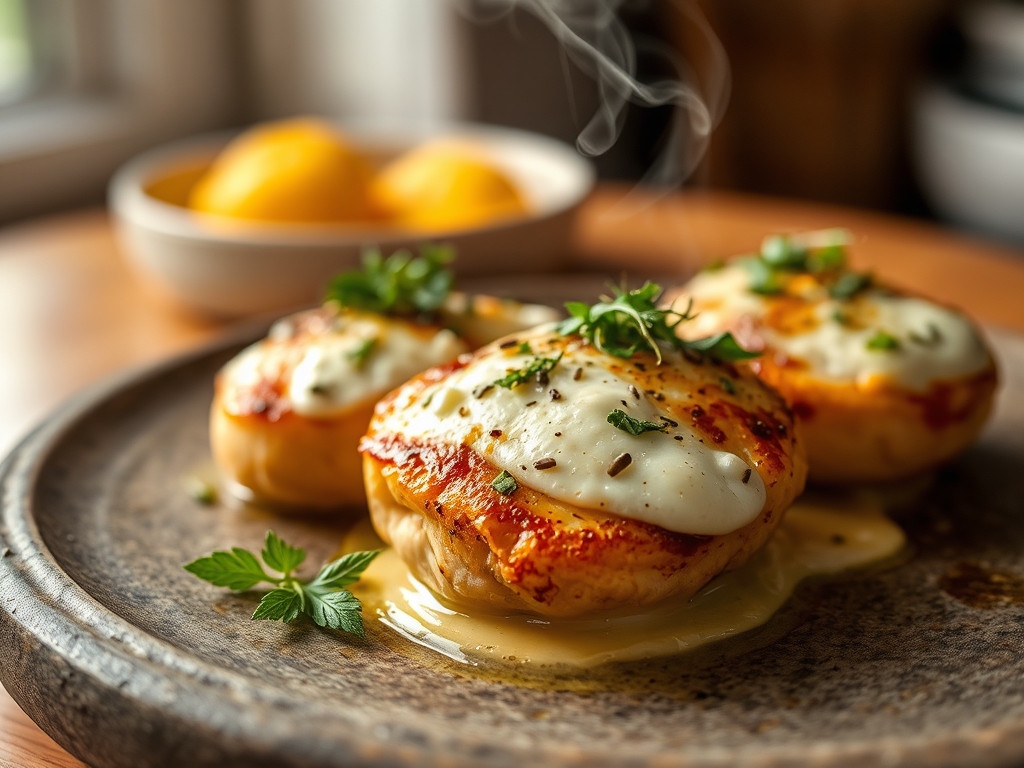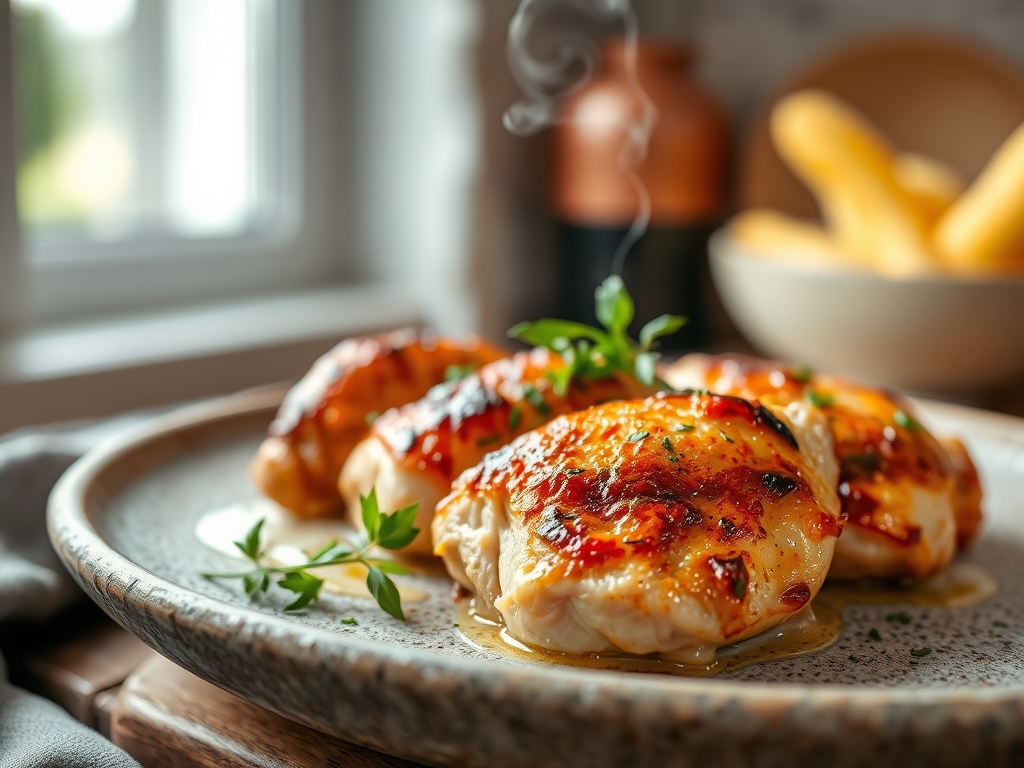
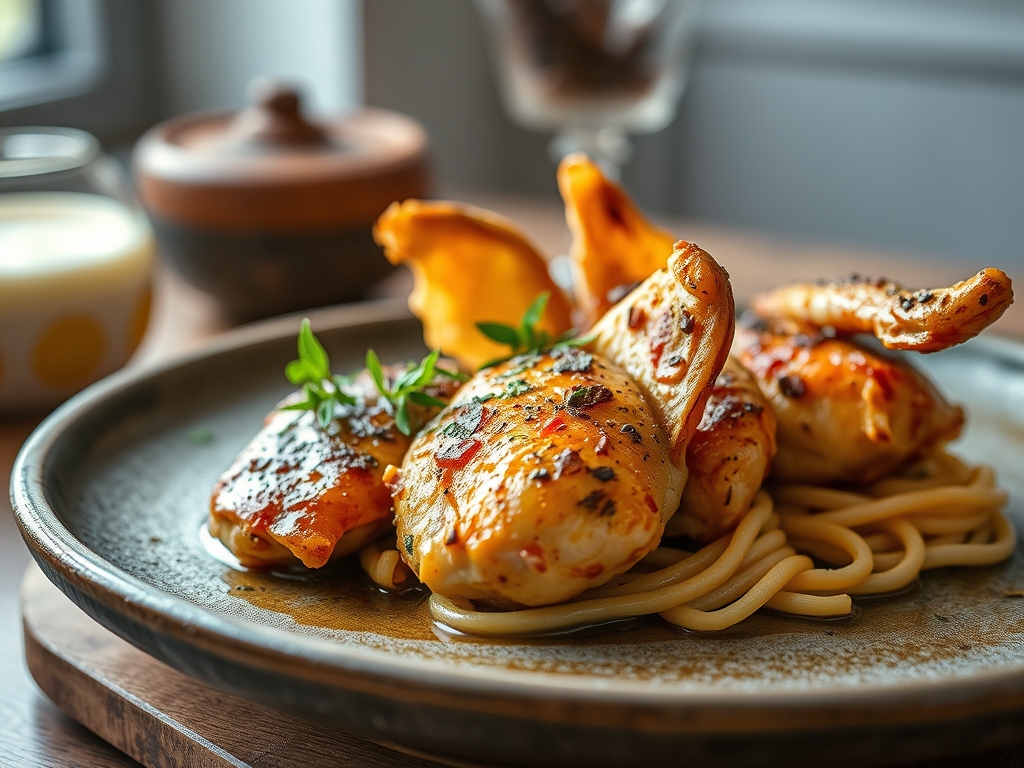
Close your eyes and imagine the scent of toasted cumin seeds hitting hot ghee; it is a fragrant, nutty bloom that signals the start of something magical. While many home cooks stick to the basics, mastering angel chicken recipes allows you to bridge the gap between soulful Indian comfort food and high-end culinary precision. We are talking about chicken so tender it practically dissolves, swaddled in sauces that balance the heat of Kashmiri chilies with the velvet creaminess of blended cashews. It is not just dinner; it is a masterclass in flavor layering. Whether you are craving a sharp, vinegary Vindaloo or a buttery Makhani, the secret lies in the chemistry of the marinade and the patience of the sear. We are going to dive deep into the mechanics of spices, the physics of heat transfer, and the art of the perfect emulsion. Grab your favorite apron and clear some counter space. We are about to transform your kitchen into a high-performance flavor lab where every sizzle in the pan has a scientific purpose.
The Gathers:
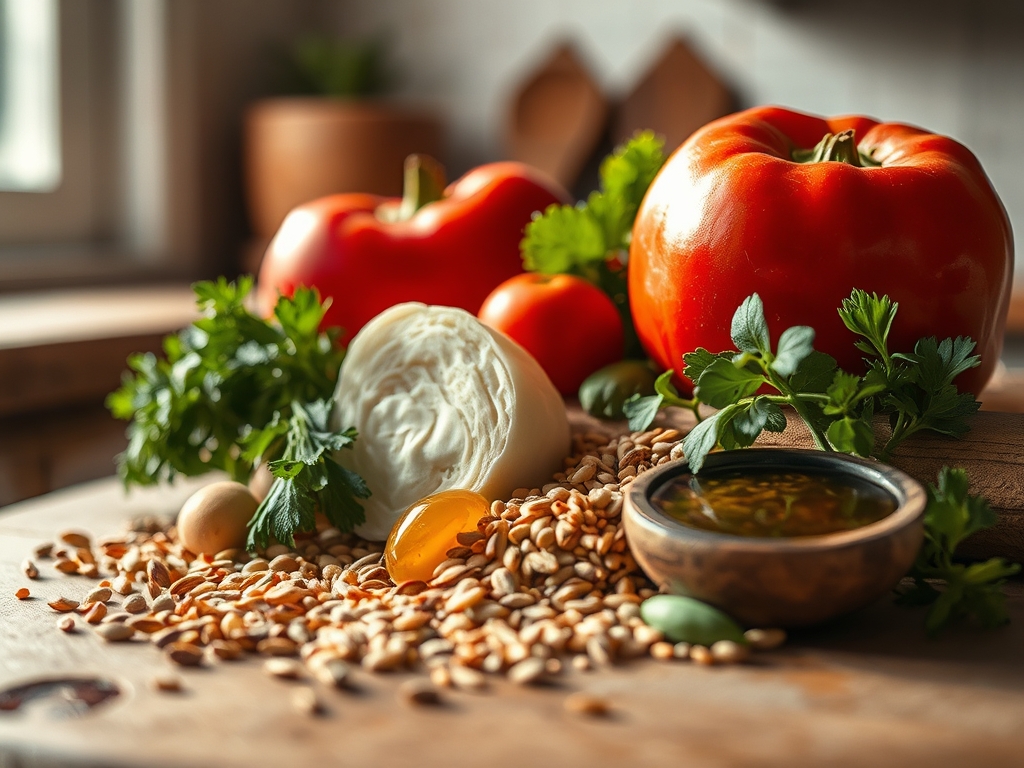
To execute these angel chicken recipes with professional flair, your mise-en-place must be impeccable. Start with high-quality poultry; look for air-chilled chicken thighs, as they contain more connective tissue that transforms into gelatinous richness during the braising process. You will need a heavy-bottomed skillet or a traditional cast-iron kadai to ensure even heat distribution and prevent the scorching of delicate aromatics.
Your spice kit is your laboratory. Gather whole green cardamom pods, cinnamon sticks, and star anise. Use a microplane to grate fresh ginger and garlic into a fine, fibrous paste; this increases the surface area for rapid flavor release. For the fat, high-smoke-point ghee is non-negotiable for that authentic nutty undertone, though a neutral avocado oil works in a pinch.
Smart Substitutions: If you are avoiding dairy, full-fat coconut milk provides the necessary viscous mouthfeel usually provided by heavy cream. For a lower glycemic index, swap white poppy seeds for ground sunflower seeds to thicken your gravies. If you cannot find Kashmiri chili powder, a mix of paprika and a touch of cayenne replicates that iconic vibrant red hue without overwhelming the palate with capsaicin.
The Clock:
Efficiency in the kitchen is about understanding the "Chef's Flow." For these nine classics, expect a total commitment of about 60 to 75 minutes. The prep phase takes 20 minutes; this includes the precision dicing of aromatics and the initial marination period. Marination is not just for flavor; it is a biological process where acids like yogurt or lemon juice denature the proteins, allowing moisture to be trapped within the muscle fibers.
The cooking phase typically spans 40 minutes. The first 10 minutes are high-intensity, focusing on the Maillard reaction as you sear the meat. The remaining 30 minutes are a low-and-slow simmer, allowing the spices to infuse the fat and the collagen to break down. By syncing your rice cooker or tempering your naan during the simmering stage, you ensure every component of the meal hits the table at the optimal temperature.
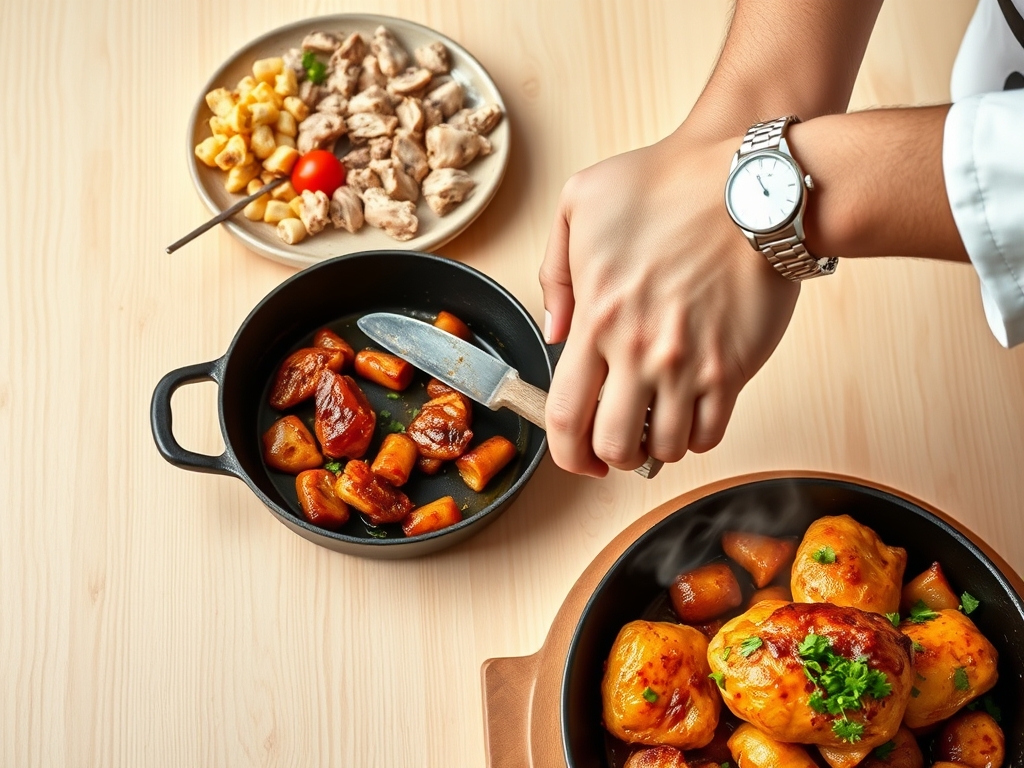
The Masterclass:
1. The Acidic Foundation
Start by coating your chicken in a mixture of Greek yogurt, lemon juice, and turmeric. Use a digital scale to ensure your spice ratios are consistent.
Pro Tip: This is "enzymatic tenderization." The lactic acid in yogurt breaks down protein cell walls more gently than harsh vinegar, resulting in a "melt-in-your-mouth" texture rather than a mushy one.
2. Tempering the Aromatics
Heat your ghee until it shimmers. Add whole spices like cloves and peppercorns until they move and sputter.
Pro Tip: This process, known as tadka, uses hot oil to extract fat-soluble volatile oils from the spices. If the oil is too cold, the spices stay dull; too hot, and they turn bitter and acrid.
3. The Onion Reduction
Add finely diced onions to the pan. Use a bench scraper to move them efficiently from the board. Sauté until they are a deep, jammy amber.
Pro Tip: This is slow pyrolysis. Caramelizing the sugars in the onions provides the structural "base note" for the entire sauce. Adding a pinch of salt draws out moisture via osmosis, speeding up the browning.
4. The Searing Phase
Increase the heat and add the marinated chicken. Do not crowd the pan; work in batches if necessary using tongs.
Pro Tip: You are looking for the Maillard reaction. This chemical reaction between amino acids and reducing sugars creates hundreds of different flavor compounds. If the pan is crowded, the meat will steam in its own juices instead of browning.
5. Deglazing the Fond
Once the meat is browned, pour in a splash of water or stock. Use a wooden spoon to scrape the brown bits off the bottom.
Pro Tip: Those stuck-on bits are called "fond." They are concentrated nuggets of flavor. Deglazing incorporates this umami-rich material back into your sauce, deepening the complexity of the final dish.
6. The Emulsification Simmer
Add your tomato puree or nut pastes. Lower the heat and cover the pan.
Pro Tip: Maintaining a low simmer prevents the fats from separating from the solids. A violent boil can break the emulsion, leading to a greasy sauce rather than a smooth, viscous one.
7. The Finishing Touches
Fold in fresh cilantro and a sprinkle of garam masala at the very end.
Pro Tip: Garam masala is a "finishing spice." The delicate aromatic compounds in ground cinnamon and cardamom are heat-sensitive; adding them at the end preserves their bright, top-note fragrance.
The Deep Dive:
From a macro perspective, these angel chicken recipes are protein powerhouses. A standard serving offers approximately 35g of protein and 12g of healthy fats. To keep it Keto, simply omit the honey or sugar often used to balance the acidity of tomatoes. For a Vegan twist, firm tofu or seitan can be treated with the same marination techniques, though the "cook time" will be significantly reduced as there is no collagen to break down.
The Fix-It:
- Sauce is too thin? Whisk in a teaspoon of chickpea flour (besan) toasted in a little oil. It acts as a natural thickener without altering the flavor profile.
- Too much salt? Drop in a peeled, raw potato for ten minutes. The starch absorbs excess sodium through simple diffusion.
- Curdled yogurt? This happens when cold yogurt hits a boiling sauce. Next time, temper the yogurt by mixing a spoonful of the hot sauce into the yogurt bowl before adding it to the pan.
Meal Prep: When reheating, avoid the microwave if possible. Use a saucier on the stovetop over low heat. Add a tablespoon of water to re-hydrate the proteins. This prevents "thermal carryover" from overcooking the chicken and keeps the sauce silky.
The Wrap-Up:
Mastering the art of Indian poultry is about more than just following a list of ingredients; it is about understanding how heat, acid, and fat dance together in a pan. By applying these scientific principles to your angel chicken recipes, you have upgraded your kitchen game from "guessing" to "knowing." You now have the tools to create vibrant, restaurant-quality meals that nourish the soul and impress the toughest critics. Go forth, experiment with your spice ratios, and remember that every great chef started with a single, perfectly tempered mustard seed.
The Kitchen Table:
Why is my chicken dry even in a sauce?
You likely overcooked it during the initial sear. Use a meat thermometer to pull the chicken at 160 degrees Fahrenheit; the "thermal carryover" will bring it to the safe 165 mark while keeping the fibers juicy and intact.
Can I use chicken breast instead of thighs?
Yes, but be careful. Breasts lack the fat and connective tissue of thighs. Reduce the simmering time by half to prevent the meat from becoming stringy and dry. Thighs are much more forgiving for long braises.
What makes the sauce bright red?
Authentic color comes from Kashmiri chili powder, which is high in pigment but low in heat. Avoid artificial dyes; instead, bloom your paprika and chili powder in warm oil at the start to release their natural fat-soluble colors.
How do I make the sauce extra creamy?
The secret is a high-speed blender. After cooking your onion and tomato base, let it cool slightly and whiz it until completely smooth. Passing it through a fine-mesh sieve before adding the chicken creates that signature velvet texture.