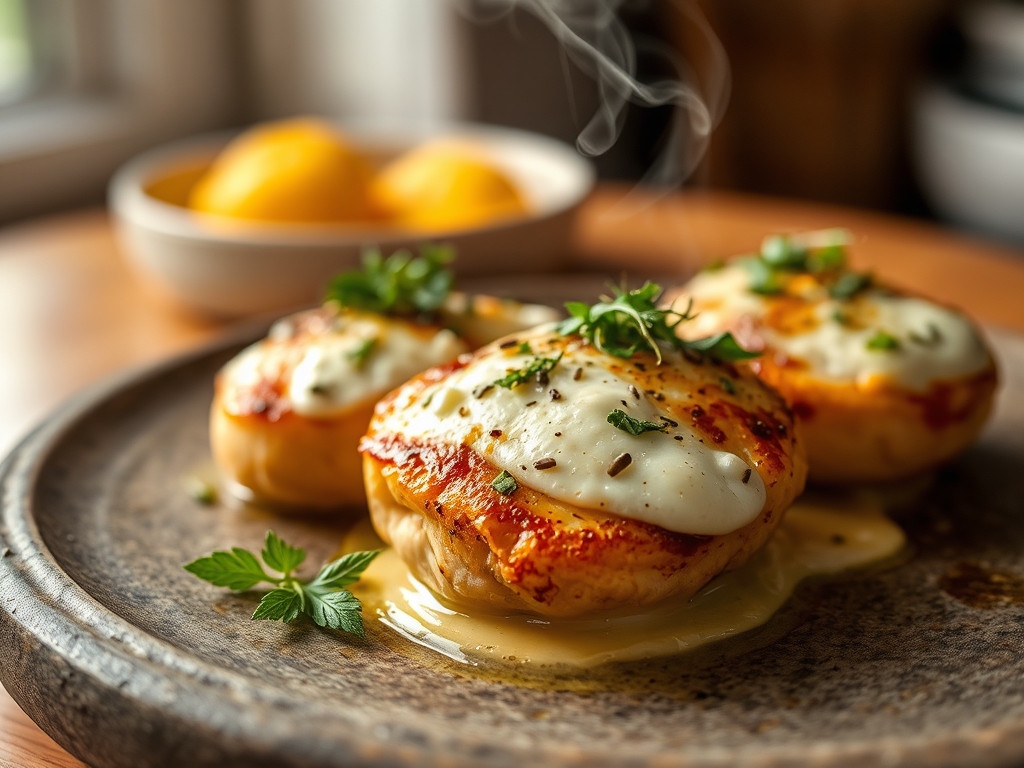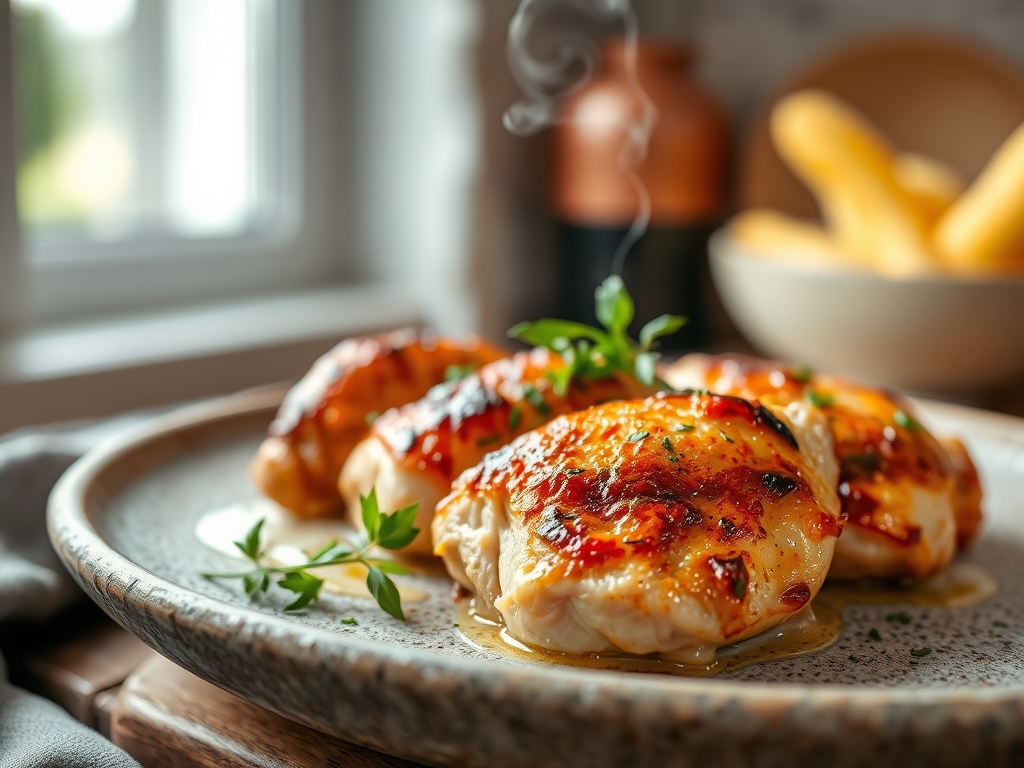
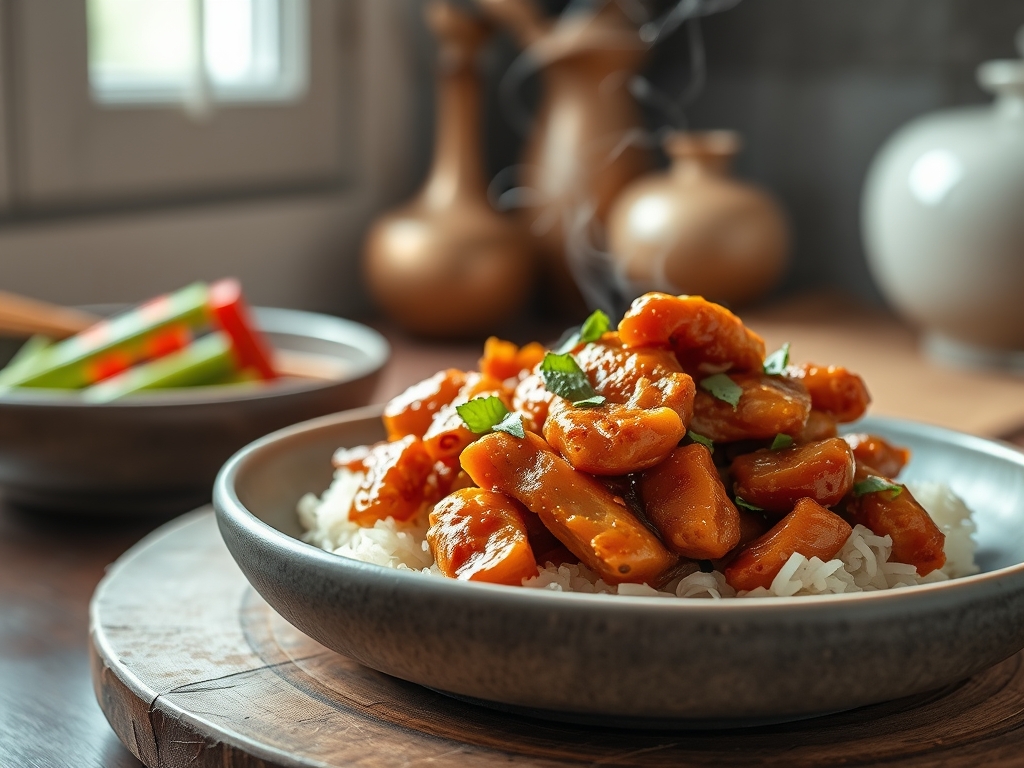
Imagine a kitchen filled with the scent of sizzling aromatics and the golden promise of a perfect sear. We are diving into a world where silky textures meet bold flavors; specifically, we are mastering the art of cream cheese chicken. While many search for healthy general tso chicken recipes to satisfy that craving for sweet and savory heat, the true secret to a decadent yet balanced dinner lies in the emulsification of high quality dairy and lean protein. We are not just cooking; we are engineering a sensory experience that balances piquant spices with a rich, viscous finish.
This journey is about more than just a single meal. It is about understanding how to manipulate fats and proteins to create a sauce that clings to every fiber of the meat. By the time we finish, you will be able to pivot from a classic creamy garlic breast to a fusion masterpiece that rivals the best healthy general tso chicken recipes in your rotation. We will focus on the interplay of acidity and creaminess to ensure every bite feels indulgent without being heavy. Grab your favorite apron and let us get technical with our cravings.
The Gathers:
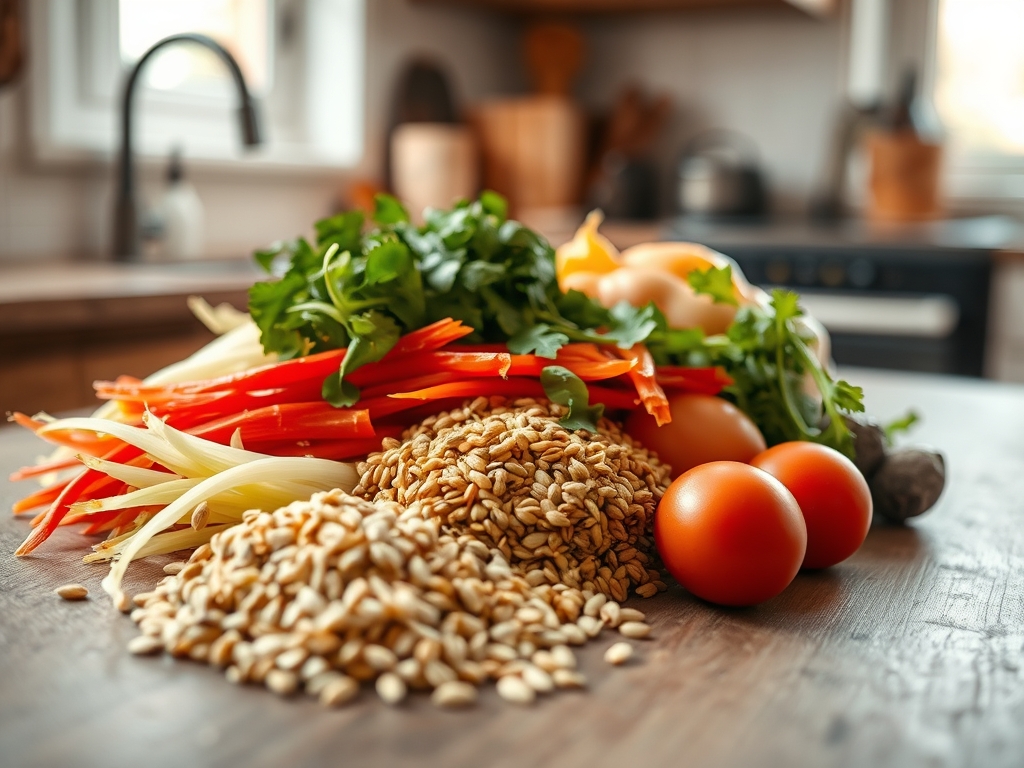
Your mise-en-place is the foundation of culinary success. Start with your protein: organic chicken breasts or thighs, patted dry with paper towels to ensure a superior Maillard reaction. For the dairy, select a full-fat cream cheese for its stabilizing gums, which prevent the sauce from breaking under high heat. You will also need aromatics like shallots and garlic, which provide the base notes of your flavor profile.
Smart Substitutions are your best friend here. If you are looking to lighten the load, Neufchatel cheese offers a lower fat content while maintaining a similar moisture level. For those chasing the profile of healthy general tso chicken recipes, incorporate liquid aminos, ginger, and a touch of honey to your cream base. Use a microplane to zest fresh lemon or grate garlic into a fine paste; this increases surface area and ensures the flavor is evenly distributed throughout the sauce. Always weigh your ingredients on a digital scale for precision, especially when balancing the ratio of liquid to thickener.
The Clock
Efficiency in the kitchen is all about the "Chef's Flow." Expect a preparation time of 15 minutes and a cook time of approximately 20 minutes. The flow begins with the sear, followed by the aromatics, and finishes with the deglazing and emulsification process. By utilizing a heavy-bottomed skillet, you ensure even heat distribution, which prevents hot spots that could scorch your delicate dairy.
The total "active time" is minimal if you prep your ingredients before the heat hits the pan. Think of it as a dance: while the chicken rests, the sauce builds. This resting period is non-negotiable; it allows the muscle fibers to relax and reabsorb juices, ensuring your final product is succulent rather than stringy.
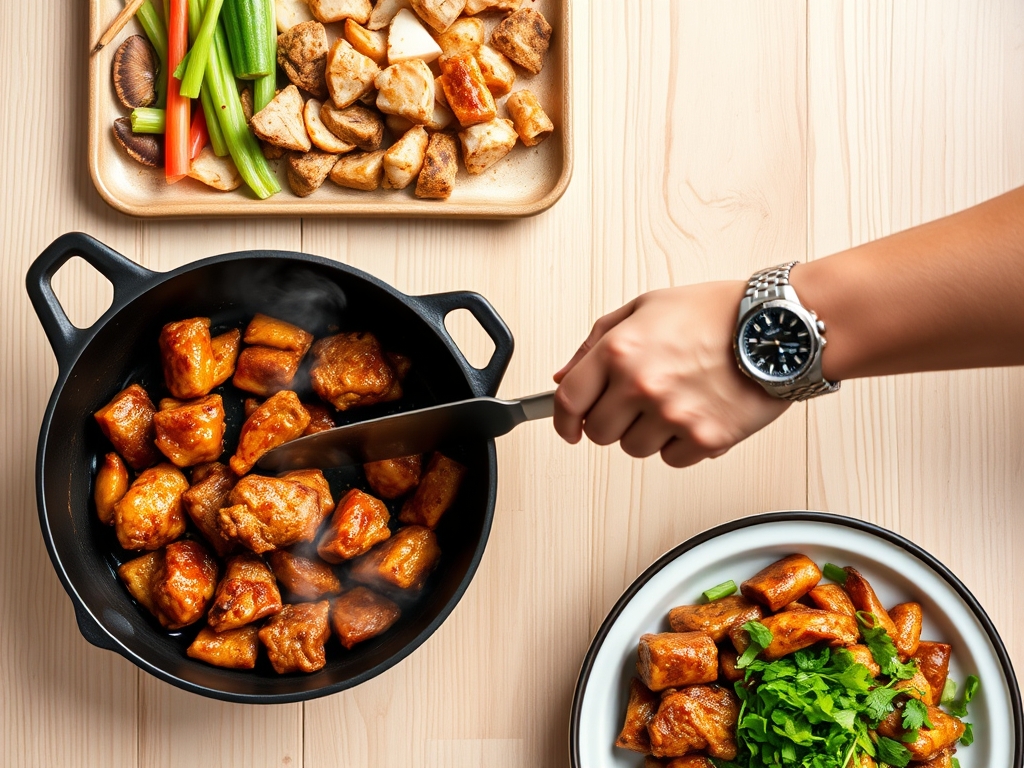
The Masterclass:
1. The Perfect Sear
Season your chicken liberally with kosher salt and black pepper. Heat your skillet over medium-high heat until the oil shimmers. Place the chicken in the pan and leave it undisturbed for 5 to 6 minutes. Use tongs to flip only once the meat releases naturally from the surface.
Pro Tip: This natural release is a sign that enzymatic browning is complete. Moving the meat too early tears the fibers and prevents the development of complex flavor compounds known as melanoidins.
2. Deglazing the Fond
Once the chicken is removed, you will see golden bits stuck to the bottom of the pan. This is called the fond. Pour in a splash of dry white wine or chicken stock. Use a wooden spoon or bench scraper to lift these bits into the liquid.
Pro Tip: Deglazing is a chemical process where the flavorful solids are dissolved into a solvent. This creates a deeply savory base that integrates the "browned" flavor into your creamy sauce.
3. Building the Emulsion
Lower the heat to medium and add your cubed cream cheese and a splash of heavy cream or pasta water. Whisk constantly until the mixture is smooth and viscous. This is where you can add your "General Tso" elements like red pepper flakes and soy sauce if you are leaning into that flavor profile.
Pro Tip: Keeping the heat moderate prevents the proteins in the cheese from tightening and "breaking" the sauce. A smooth emulsion relies on the fat being suspended evenly in the liquid.
4. The Final Infusion
Return the chicken to the pan along with any accumulated juices. Simmer for an additional 3 to 4 minutes until the internal temperature reaches 165 degrees Fahrenheit on a digital thermometer. Spoon the sauce over the meat repeatedly to infuse the flavors.
Pro Tip: This stage utilizes thermal carryover. Taking the chicken off the heat just before it hits its peak temperature ensures it reaches perfect doneness without overcooking during the resting phase.
The Deep Dive
From a macro perspective, this dish is a powerhouse of protein and healthy fats. A standard serving contains roughly 35g of protein and 12g of fat. To keep it keto-friendly, serve over zoodles or steamed broccoli. If you are looking for a vegan alternative, utilize a cashew-based cream cheese and nutritional yeast to mimic the umami profile of dairy.
"The Fix-It" section: If your sauce is too thick, whisk in a tablespoon of warm chicken stock until the desired consistency is reached. If the sauce breaks (looks oily), remove from heat and whisk in a teaspoon of cold heavy cream to re-emulsify the fats. If the chicken is dry, you likely skipped the resting phase; next time, shorten the cook time by 2 minutes and let the thermal carryover do the work.
For meal prep, the science of reheating is key. Avoid the microwave if possible, as it can cause the dairy to separate. Instead, reheat in a saucier over low heat, adding a teaspoon of water to loosen the sauce and restore its "day-one" silky texture.
The Wrap-Up
You have officially leveled up your kitchen game. By mastering the balance of heat, fat, and protein, you have created a meal that is both comforting and technically sound. Whether you are craving the zing of healthy general tso chicken recipes or the classic hug of a cream cheese sauce, these techniques are your new secret weapon. Cooking is a science, but eating is an art. Now, go serve up something spectacular and enjoy every decadent bite!
The Kitchen Table
How do I prevent cream cheese sauce from curdling?
Always melt cream cheese over low to medium heat. Avoid boiling the sauce once the dairy is added, as extreme heat causes the proteins to clump and separate from the fats, resulting in a grainy texture.
Can I make this recipe dairy-free?
Yes, use a high-quality almond or cashew-based cream cheese. Add a splash of coconut milk for richness and a teaspoon of lemon juice to provide the lactic acidity typically found in traditional dairy products.
What is the best way to store leftovers?
Store in an airtight glass container for up to three days. Glass is non-reactive and won't affect the flavor of the cream sauce. Reheat slowly on the stovetop to maintain the emulsion's integrity.
How do I get the chicken extra crispy?
Dredge the chicken in a light coating of cornstarch or arrowroot powder before searing. This creates a thin, starchy crust that holds onto the sauce while providing a satisfying textural contrast to the creamy base.