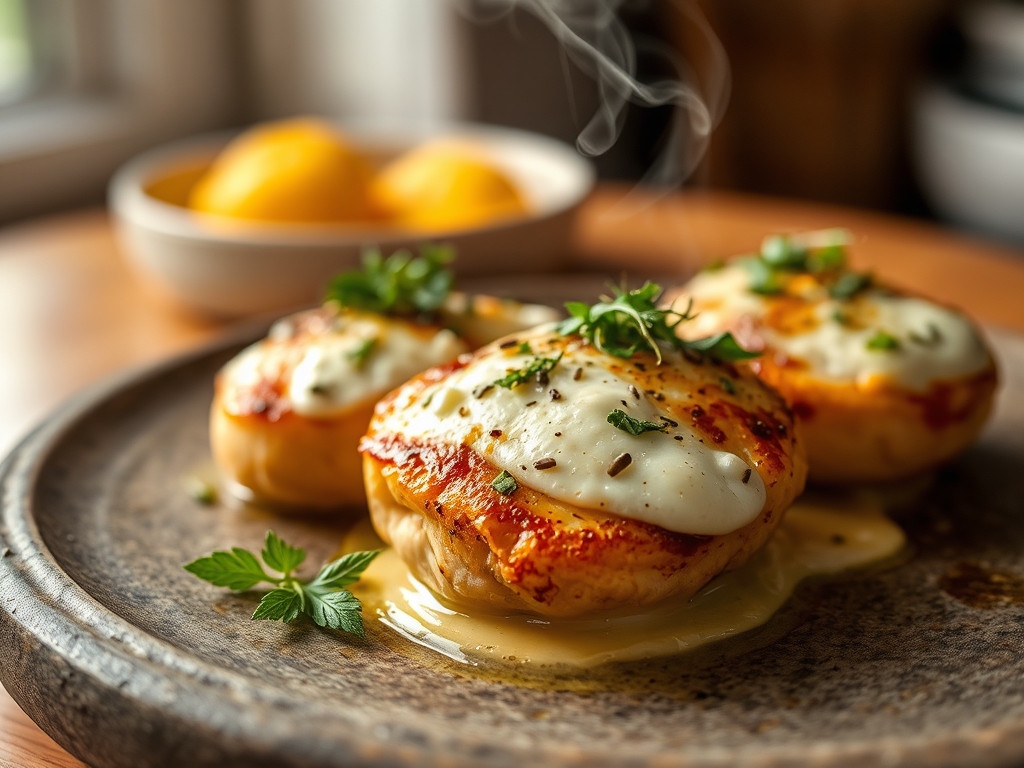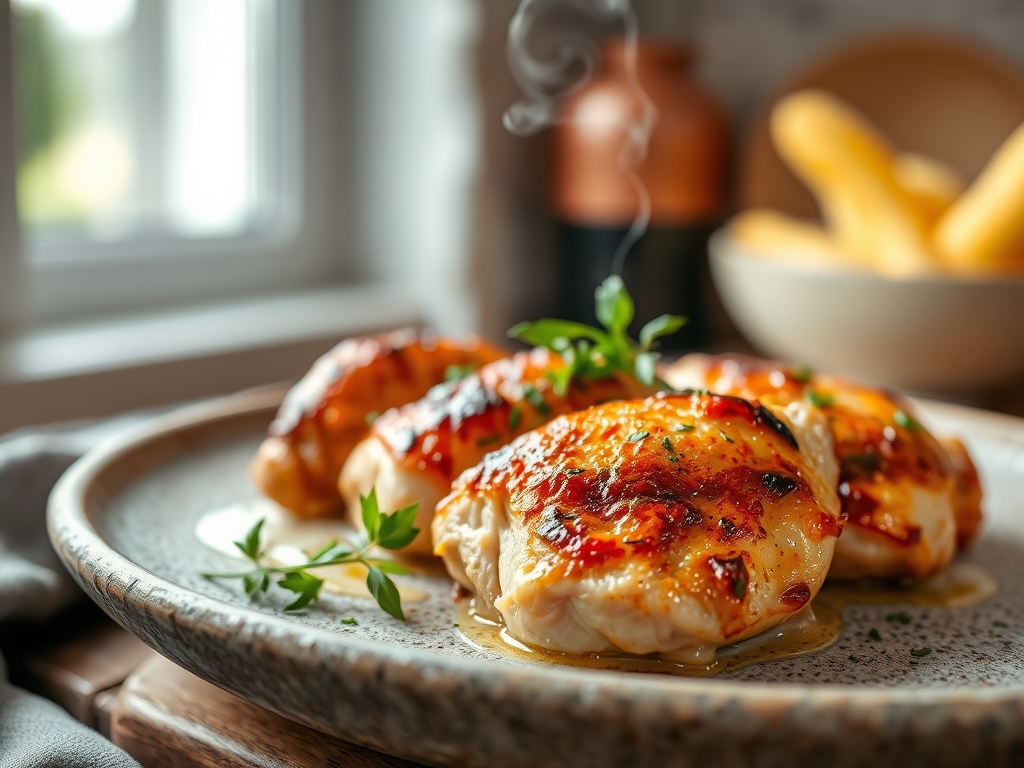
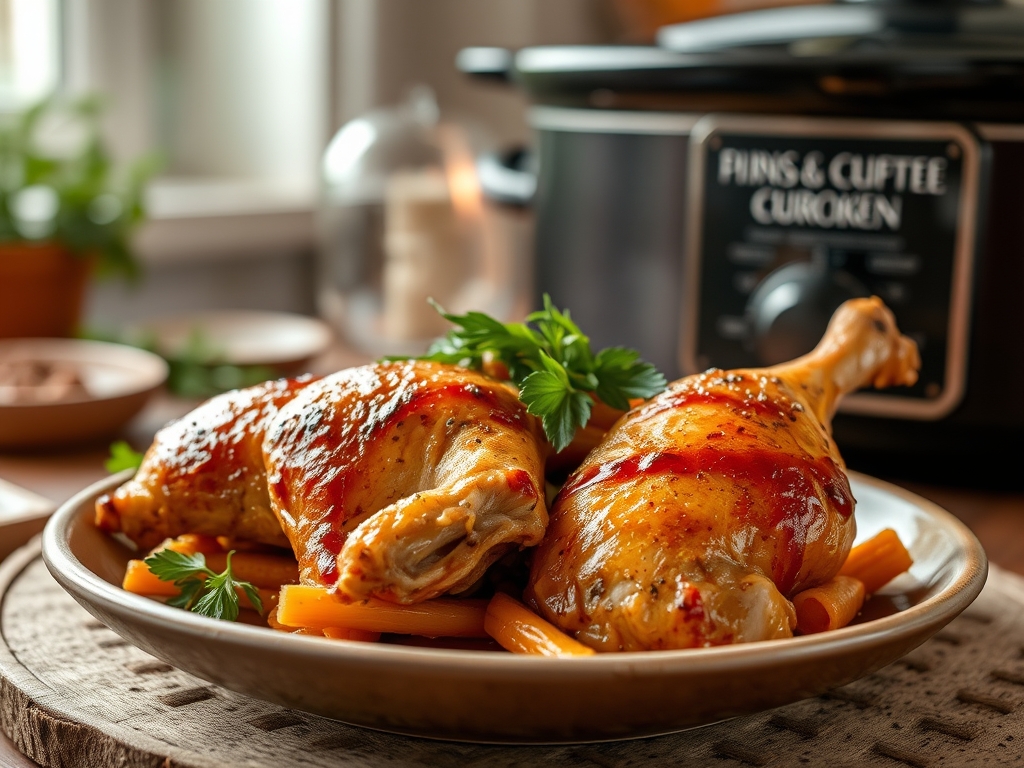
Imagine the scent of slow-simmered rosemary and garlic greeting you the moment you turn the deadbolt after a long day. There is a specific kind of domestic magic found in chicken recipes using crockpot technology; it is the art of low and slow heat transforming fibrous tissues into velvet. We are moving beyond the basic dump and stir methods. We are elevating the humble ceramic insert into a vessel for high-level culinary chemistry. By understanding how moisture retention and thermal equilibrium work, you can master nine distinct flavor profiles that range from a piquant Mediterranean lemon to a deeply savory Moroccan tagine. This is about working smarter, not harder, while ensuring every bite is a masterclass in texture and depth.
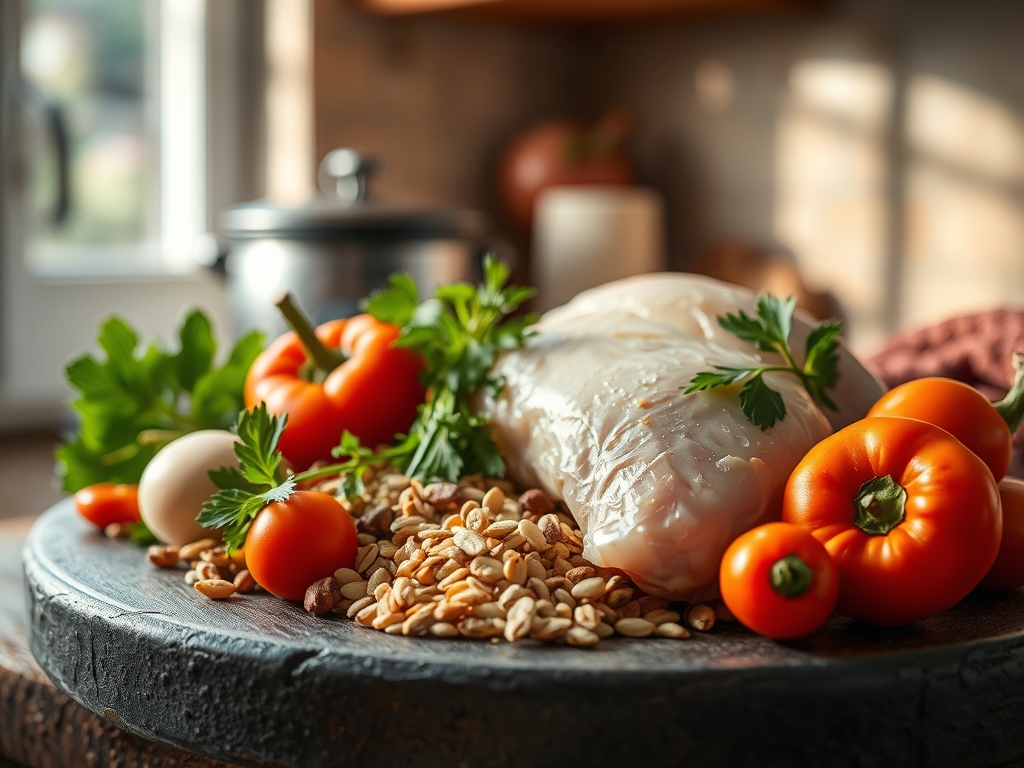
The Gathers:
To execute these nine variations, your mise-en-place must be precise. Start with high-quality proteins; bone-in, skinless thighs are the gold standard for the slow cooker because their higher collagen content ensures the meat remains succulent rather than stringy. You will need a digital scale to ensure your ratios of aromatics to liquid are consistent. Gather your "holy trinity" of vegetables: mirepoix (onions, carrots, and celery) for French-inspired dishes, or the "holy trinity" of Cajun cooking (onions, bell peppers, and celery) for zestier variations.
Use a microplane to zest citrus and grate fresh ginger; this increases the surface area, allowing essential oils to infuse the cooking liquid more effectively. For the liquids, keep a high-quality bone broth and a dry white wine on hand to deglaze your pan if you choose to sear the meat beforehand.
Smart Substitutions: If you are avoiding nightshades, swap potatoes for parsnips or celery root. If you lack fresh herbs, use one-third the amount of dried herbs, but crush them in your palm first to aerate and release the latent oils. If you find your sauce is too thin, a slurry of arrowroot powder provides a more translucent, viscous finish than traditional cornstarch.
The Clock
The "Chef's Flow" is all about front-loading the effort. Total active prep time for these nine meals is roughly 20 minutes per dish if you use a sharp bench scraper to organize your chopped produce. The cooking duration is the constant variable. Most chicken recipes using crockpot settings require 4 to 6 hours on "Low" or 2 to 3 hours on "High."
However, the secret to the clock is the resting phase. Just because the timer beeps does not mean it is time to eat. Allow the ceramic insert to sit uncovered for 15 minutes before serving. This allows the internal temperature to stabilize and prevents the muscle fibers from seizing when they hit the cooler air of your plate.
The Masterclass
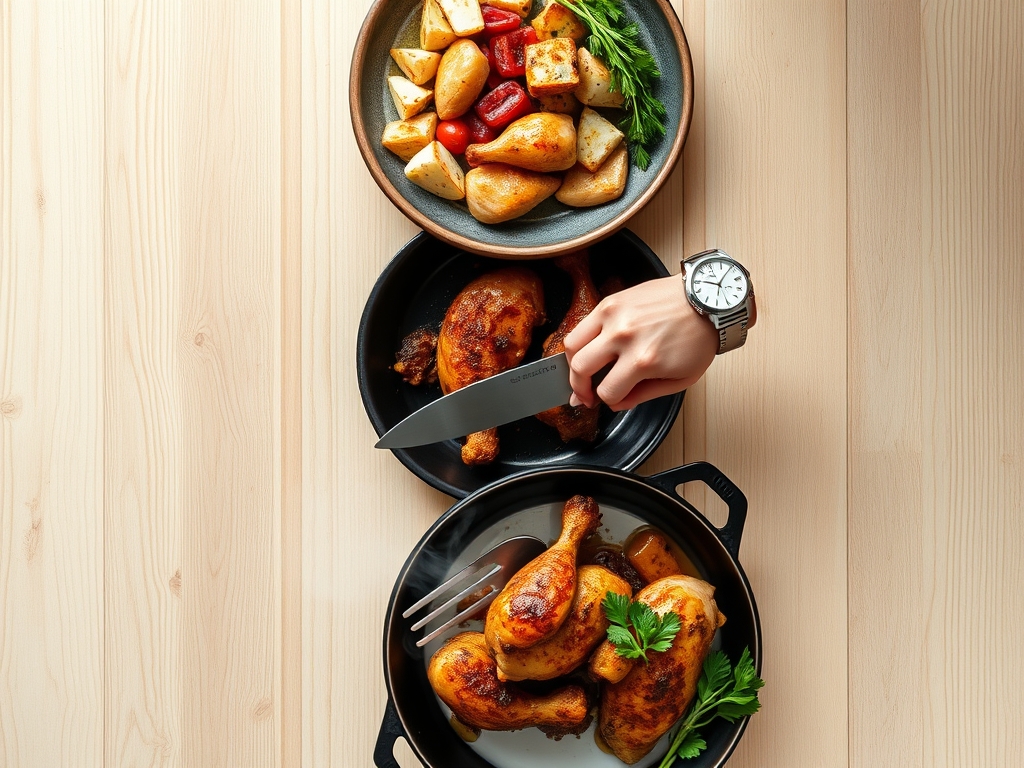
1. The Sear and Render
While some advocate for raw entry, using a heavy-bottomed skillet to sear your chicken first is non-negotiable for flavor. Use tongs to press the meat against the hot surface until a golden crust forms.
Pro Tip: This creates the Maillard reaction, a chemical dance between amino acids and reducing sugars. This browning adds a savory complexity that a slow cooker cannot achieve on its own due to the presence of steam.
2. Layering the Aromatics
Place your hard root vegetables like carrots and potatoes at the very bottom of the crock. These require the most direct contact with the heating element located at the base of the unit.
Pro Tip: This utilizes conductive heat transfer. By placing dense vegetables at the bottom, they soften at the same rate the chicken reaches its target temperature via the surrounding steam.
3. Emulsifying the Sauce
Once the cooking cycle is complete, you may notice a layer of fat on top. Use a saucier or a fat separator to remove the excess, then whisk in a cold fat like butter or heavy cream.
Pro Tip: This is the process of emulsification. By whisking a cold fat into a hot, flavorful liquid, you create a stable, velvety sauce that coats the back of a spoon rather than separating into a greasy mess.
The Deep Dive
Macro Nutrition: On average, these meals provide a balanced profile of 35g protein, 15g healthy fats, and 20g complex carbohydrates. By focusing on fibrous vegetables, we keep the glycemic index low while maintaining high satiety levels.
Dietary Swaps:
- Vegan: Swap chicken for extra-firm tofu or chickpeas and use a mushroom-based "umami" broth.
- Keto: Eliminate the potatoes and peas; replace them with cauliflower florets and radishes, which mimic the texture of potatoes when slow-cooked.
- GF: Ensure your broth is certified gluten-free and use xantham gum or reduction techniques instead of flour for thickening.
The Fix-It:
- Too Watery: The "Fix" is to remove the lid for the last 45 minutes of cooking. This allows for evaporation, concentrating the flavors.
- Bland Profile: Add a "bright" finish. A splash of apple cider vinegar or a squeeze of fresh lime juice provides the acidity needed to "wake up" the heavy fats.
- Mushy Veggies: Add delicate greens like spinach or frozen peas only in the last 10 minutes of the cycle. This preserves their cellular structure and vibrant color.
Meal Prep Science: To maintain "day-one" quality, cool the leftovers rapidly in shallow containers. When reheating, add a tablespoon of water or broth and cover tightly. This recreates the steam environment of the crockpot, preventing the proteins from becoming rubbery in the microwave.
The Wrap-Up
Mastering chicken recipes using crockpot methods is the ultimate "win" for the busy, health-conscious cook. By applying these professional techniques; like the Maillard sear and strategic layering; you transform a simple appliance into a gourmet tool. You are not just feeding yourself; you are practicing the science of flavor extraction. Now, go grab your tongs, prep those veggies, and let the slow cooker do the heavy lifting while you conquer the rest of your day.
The Kitchen Table
Can I put frozen chicken in the crockpot?
No, it is unsafe. Frozen meat stays in the "danger zone" (40 to 140 degrees Fahrenheit) for too long, allowing bacteria to multiply. Always thaw your chicken completely in the refrigerator before adding it to the slow cooker for safety.
How do I prevent chicken from getting dry?
Use dark meat like thighs instead of breasts. Thighs have more connective tissue and fat, which break down into gelatin during the slow cooking process. This keeps the meat moist even during extended cooking cycles.
Why are my vegetables still hard?
Vegetables like carrots and potatoes take longer to soften than meat. Always cut them into uniform, small pieces and place them at the very bottom of the pot where the heat is most intense to ensure they cook through.
Do I need to add water to the crockpot?
Chicken and vegetables release a significant amount of liquid as they cook. Usually, a half-cup of broth or wine is sufficient. Adding too much liquid will result in a bland, watery stew rather than a concentrated, flavorful sauce.