Picture your kitchen at five in the evening. Instead of the usual panic, the air is thick with the scent of toasted sesame, fermented soy, and the sharp, bright zing of fresh ginger. This is the magic of prep. While many home cooks rely on classic slow cooker chicken recipes for their convenience, the real secret to restaurant-quality results lies in the molecular structure of your marinade. We are moving beyond basic salt and pepper to embrace high-density flavor boosts that transform fibrous poultry into a succulent masterpiece. By understanding how acids break down connective tissues and how sugars interact with amino acids, you can turn a humble weeknight meal into a gourmet experience. We are not just cooking; we are engineering a sensory event that hits every taste bud with precision. Grab your favorite apron and let us dive into the chemistry of the perfect Chinese-inspired chicken.
The Gathers:
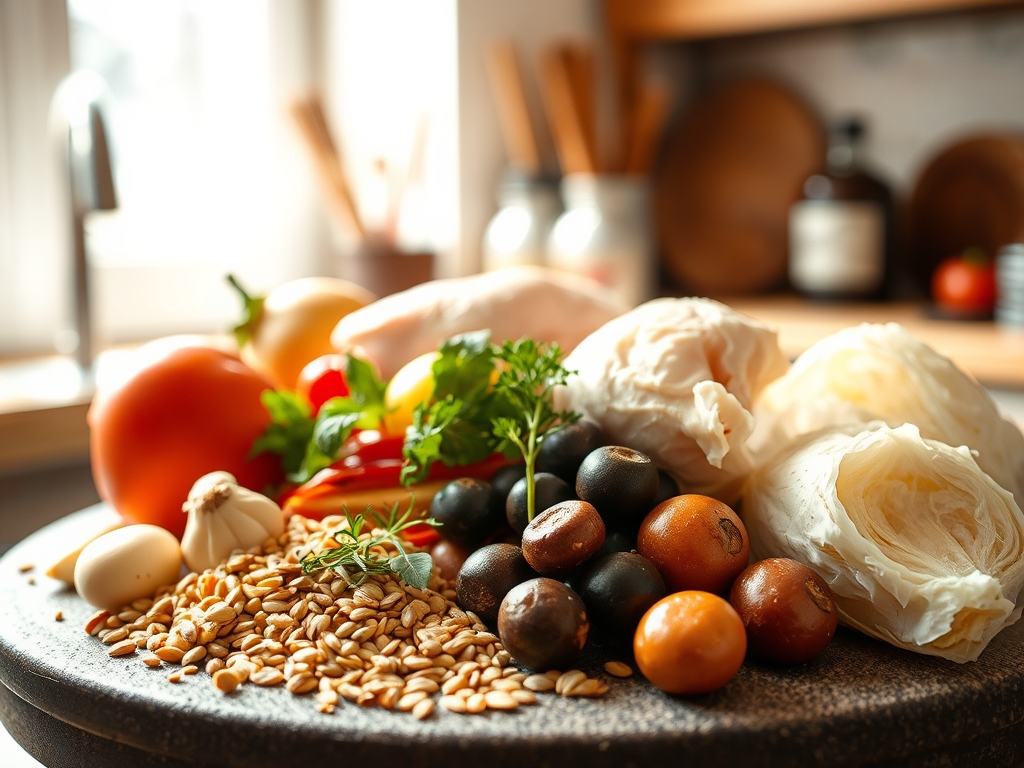
To achieve a balanced flavor profile, your mise-en-place must be intentional. Use a digital scale for precision, as the ratio of saline to sweet determines the rate of osmosis within the meat fibers. You will need high-quality light soy sauce for saltiness and dark soy sauce for that deep, viscous mahogany color. Fresh aromatics are non-negotiable; use a microplane to grate ginger and garlic into a fine paste. This increases the surface area, allowing the essential oils to infuse the liquid more effectively.
For the piquant kick, keep dried Szechuan peppercorns and star anise on hand. These spices contain hydroxy-alpha-sanshool, the compound responsible for the iconic numbing sensation. If you are looking for Smart Substitutions, swap honey for agave if you need a lower glycemic index, or use coconut aminos for a gluten-free alternative that still offers a rich umami punch. If you lack Shaoxing wine, a dry pale sherry is a technically sound replacement that mimics the fermented depth required for authentic profiles.
The Clock:
Mastering the "Chef's Flow" is about overlapping tasks to minimize downtime. Your active prep time is a tight fifteen minutes. This includes the mechanical action of dicing the chicken and the whisking of your marinade components. The "Passive Phase" is where the science happens. For classic slow cooker chicken recipes, a marinade time of thirty minutes is the minimum for surface penetration, but four hours is the sweet spot for deep enzymatic breakdown. If you are using a slow cooker, the "Thermal Phase" will span four hours on high or eight hours on low. Remember, the goal is to reach an internal temperature of 165 degrees Fahrenheit without overshooting, which causes the proteins to tighten and expel moisture.
The Masterclass:
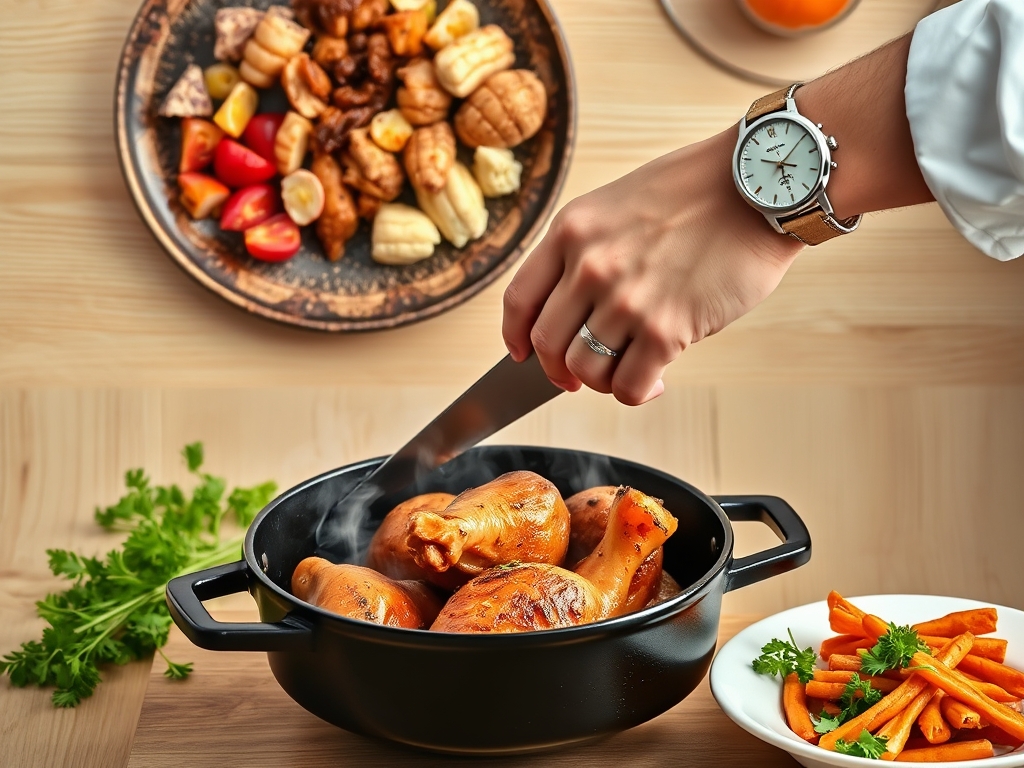
1. The Proteolytic Prep
Begin by trimming your chicken thighs or breasts using a sharp chef's knife. Aim for uniform two-inch cubes to ensure even heat distribution. Place the meat in a glass bowl; avoid reactive metals like aluminum which can impart a metallic taste when in contact with acidic marinades.
Pro Tip: This step utilizes enzymatic tenderization. If you add a splash of pineapple juice or a pinch of baking soda (velveting), you break down the tough protein chains, ensuring the meat remains soft even after a long simmer.
2. Emulsifying the Base
In a small saucier, whisk together your soy sauce, toasted sesame oil, and rice vinegar. Use a vigorous motion to aerate the mixture, ensuring the fats and liquids are temporarily suspended in an emulsion. This ensures every inch of the chicken is coated in a balanced layer of lipids and acids.
Pro Tip: Emulsification is key because oil-soluble flavor compounds (like those in garlic) need a fat carrier to penetrate the water-heavy cells of the chicken.
3. The Aromatic Infusion
Add your grated ginger, minced garlic, and crushed peppercorns. Use a bench scraper to easily transfer your aromatics from the cutting board to the bowl without losing any of the precious juices. Stir until the mixture is thick and fragrant.
Pro Tip: This is the infusion stage. The volatile oils in the aromatics are released more effectively when they sit in a liquid medium before heat is applied, creating a more complex flavor floor.
4. The Searing Phase (Optional but Recommended)
If you have a heavy-bottomed skillet, sear the chicken for two minutes per side before moving it to the slow cooker. Use tongs to turn the pieces, looking for a golden-brown crust.
Pro Tip: This triggers the Maillard reaction, a chemical reaction between amino acids and reducing sugars that creates hundreds of different flavor compounds. It adds a depth of flavor that raw simmering cannot replicate.
5. The Slow Simmer
Transfer everything into the slow cooker. Set your timer and resist the urge to lift the lid. Every time you open the cooker, you lose significant heat and moisture, extending the cook time and risking a dry end product.
Pro Tip: This stage relies on low-temperature conduction. The slow rise in temperature allows collagen to transform into gelatin, providing that silky, melt-in-your-mouth texture.
6. The Cornstarch Slurry
Ten minutes before serving, whisk a tablespoon of cornstarch with cold water and stir it into the pot. Turn the heat to high until the liquid becomes glossy and viscous.
Pro Tip: This is starch gelatinization. The starch granules swell and burst, trapping water molecules and thickening the sauce into a glaze that clings to the meat.
7. The Final Garnish
Finish with a flourish of fresh scallions and toasted sesame seeds. The contrast between the soft meat and the crunch of the garnish provides essential textural variety.
Pro Tip: Fresh greens added at the end provide ascorbic acid (Vitamin C), which cuts through the heavy, savory fats of the dish, brightening the overall flavor profile.
The Deep Dive:
From a Macro Nutrition perspective, this dish is a powerhouse. A standard serving provides approximately 35 grams of lean protein and 12 grams of healthy fats, primarily from the sesame oil. To keep it Keto, replace the sugar or honey with erythritol and serve over cauliflower rice. For a Vegan swap, firm tofu or seitan works beautifully with these exact same marinade ratios; just reduce the marinating time to twenty minutes as plant proteins are more porous.
The Fix-It:
- Too Salty? Do not add water; add a splash of rice vinegar or a squeeze of lime. The acid counteracts the sodium perception on the tongue.
- Too Thin? If your sauce is watery, remove the lid for the last thirty minutes of cooking to allow for evaporation and concentration of flavors.
- Bland Chicken? This usually means the salt did not penetrate. Next time, ensure you salt the meat directly before adding the other marinade ingredients.
Meal Prep Science: To maintain "day-one" quality when reheating, use a damp paper towel over your container in the microwave. This creates a mini-steam chamber, preventing the proteins from becoming rubbery through dehydration.
The Wrap-Up:
You are now armed with the technical prowess to dominate the kitchen. By focusing on the molecular interactions of your ingredients, you have elevated classic slow cooker chicken recipes from "fine" to "phenomenal." Remember, cooking is as much about the physics of heat and the chemistry of flavor as it is about the heart. Go forth, use your tongs with confidence, and enjoy the most succulent Chinese chicken you have ever tasted.
The Kitchen Table:
Can I use frozen chicken in a slow cooker?
It is safer to thaw chicken first. Frozen meat stays in the "danger zone" for bacterial growth too long during the slow heating process. Always prioritize food safety by defrosting in the refrigerator overnight before starting your recipe.
How do I stop my chicken from getting dry?
Switch to chicken thighs. Thighs have more connective tissue and fat than breasts, which allows them to remain succulent during long cook times. If using breasts, monitor the internal temperature and stop at exactly 165 degrees.
What is the best way to store leftovers?
Place chicken in an airtight glass container within two hours of cooking. Glass is non-porous and won't retain odors. It keeps in the fridge for up to four days or in the freezer for three months.
Why is my ginger flavor too subtle?
You likely cut it too large. Use a microplane to create a paste. This ruptures the cell walls of the ginger, releasing the gingerol and essential oils that provide that signature spicy, aromatic heat.
Can I double the marinade for extra sauce?
Yes, but do not double the salt or soy sauce linearly. Start with 1.5 times the sodium components and taste. You can always add more salt at the end, but you cannot easily remove it once it is integrated.