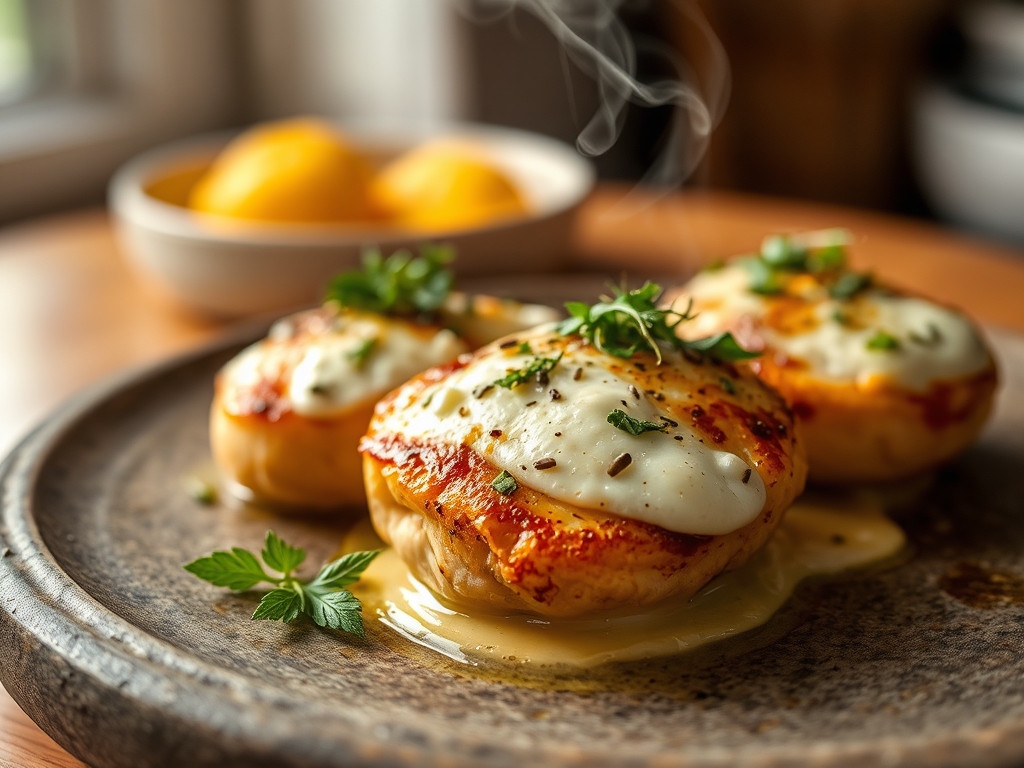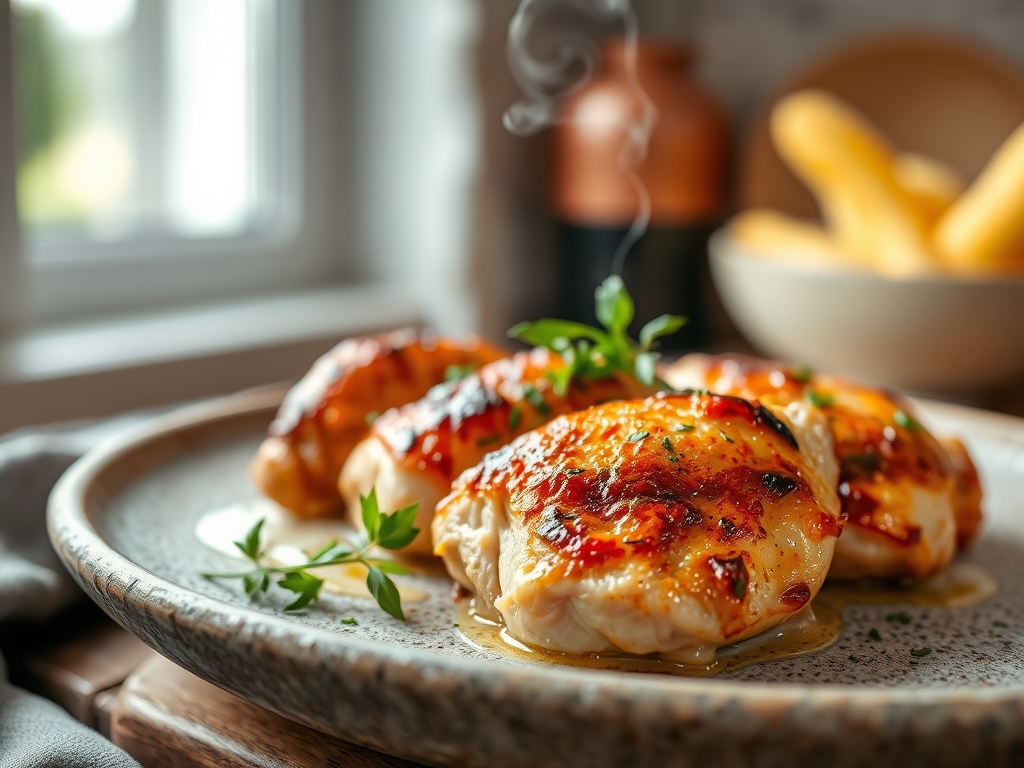

Imagine the scent of toasted jasmine rice mingling with the piquant aroma of garlic and golden schmaltz as it wafts through your kitchen. When we talk about the best chicken recipes in oven, we are really talking about the alchemy of high heat and moisture control. It is that perfect moment when the skin reaches its shatteringly crisp peak while the rice below absorbs every drop of seasoned nectar. We are diving into ten variations of the classic chicken and rice duo, designed to be executed with surgical precision in under an hour. Forget the mushy casseroles of the past; we are aiming for culinary excellence that respects your time and your palate.
The beauty of these dishes lies in the synergy between the protein and the grain. By utilizing a heavy-bottomed skillet or a ceramic baking dish, you create a micro-environment where the chicken thighs render their fat directly into the rice. This is not just cooking; it is an infusion process. Whether you are craving a citrus-heavy Mediterranean vibe or a deeply savory soy and ginger glaze, the foundational physics remain the same. We are going to master the art of the one-pan wonder, ensuring each grain of Minute Rice stays distinct and every bite of chicken remains succulent.
The Gathers:
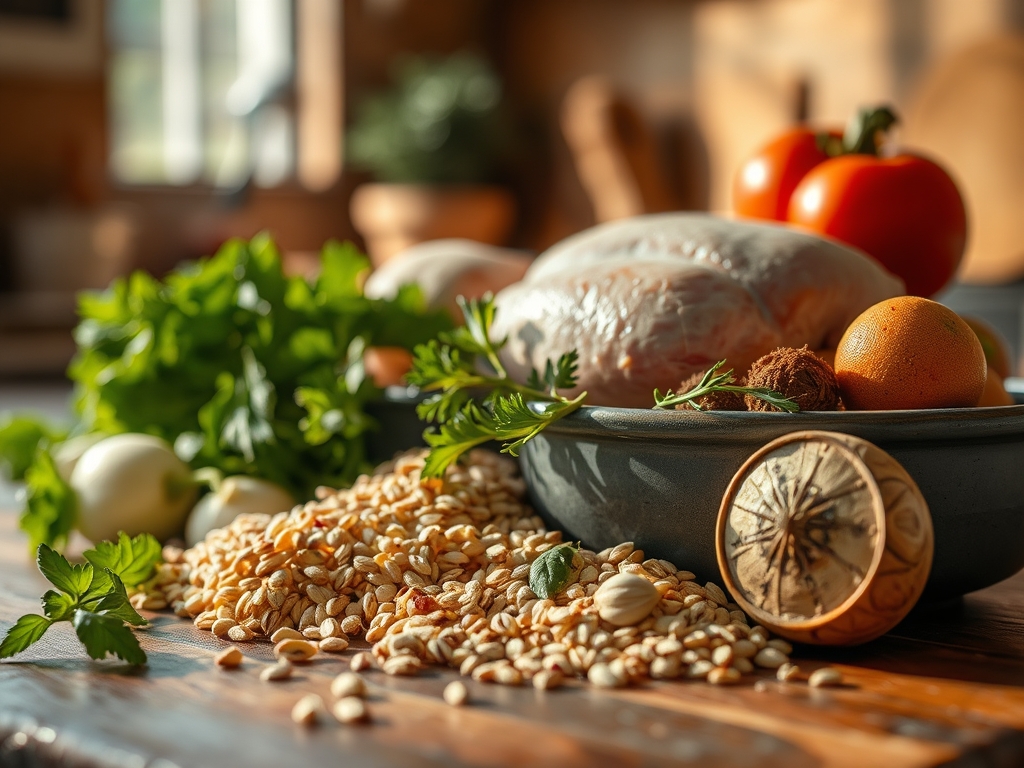
To achieve professional results, your mise-en-place must be impeccable. Start with high-quality chicken thighs; the bone-in, skin-on variety provides the necessary lipids for a viscous, flavorful sauce. You will need a digital scale to ensure your rice-to-liquid ratio is exact, as Minute Rice is precooked and dried, making it highly sensitive to over-hydration. Gather your aromatics: fresh cloves of garlic, shallots for a delicate sweetness, and perhaps a knob of ginger.
Your pantry should yield the supporting cast. Think high-smoke-point oils like avocado or grapeseed, and acids like rice vinegar or lemon juice to brighten the finish. Use a microplane to zest your citrus and grate your aromatics into a fine paste; this increases the surface area and ensures the flavors infuse the cooking liquid rapidly. For the liquid base, a rich bone broth is superior to water, providing collagen that coats the rice for a luxurious mouthfeel.
Smart Substitutions:
If you are looking to pivot, swap the chicken thighs for drumsticks, but adjust your timer as bone density affects thermal conductivity. For a lower glycemic index, you can utilize cauliflower rice, though you must reduce the added liquid by seventy percent since cruciferous vegetables release significant moisture when heated. If you lack fresh herbs, use one-third the amount of dried herbs, as their volatile oils are highly concentrated.
The Clock
Efficiency in the kitchen is about the "Chef's Flow." This refers to the overlap of tasks to minimize downtime. Your total active prep time should be exactly ten minutes. While your oven preheats to 425 degrees Fahrenheit, you will be searing the protein. The "Speedy" in these recipes comes from the use of Minute Rice, which requires only a fraction of the hydration time compared to raw grains.
The total bake time across these ten variations averages twenty-five to thirty minutes. This window is crucial for the Maillard reaction to occur on the chicken skin while the rice undergoes starch gelatinization. By the time the internal temperature of the chicken reaches 165 degrees Fahrenheit, the rice will have absorbed the liquid, leaving you with a five-minute rest period. This rest is non-negotiable; it allows the muscle fibers to relax and reabsorb juices.
The Masterclass
1. Sear for Success
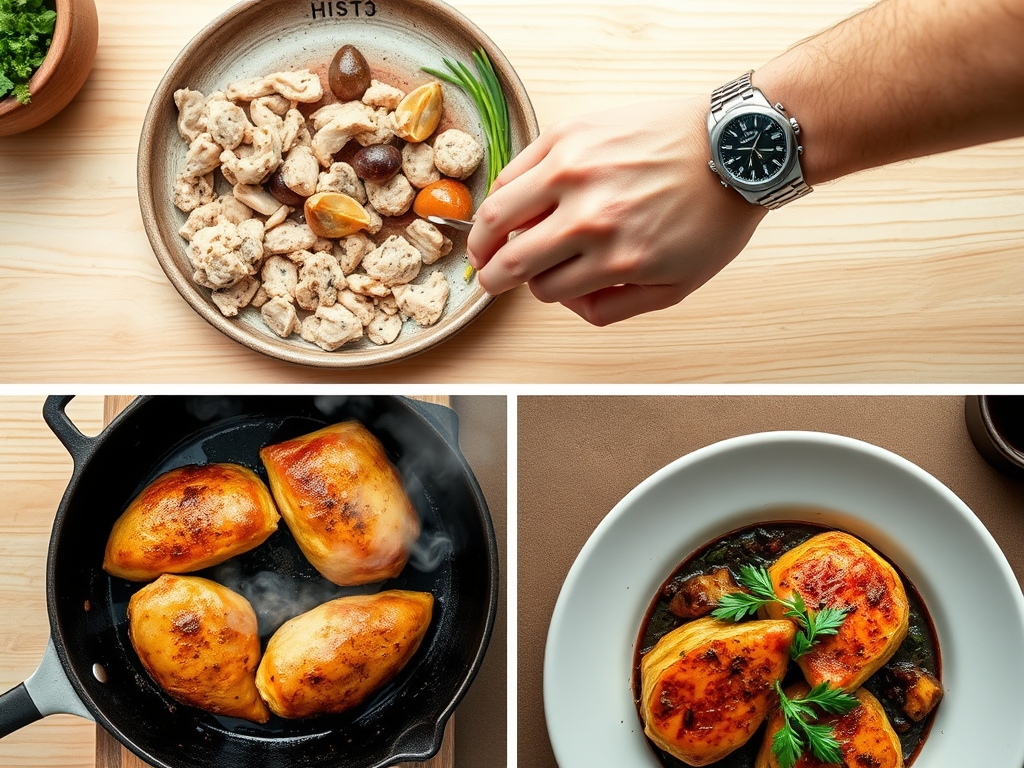
Pat the chicken skin bone-dry with paper towels to remove surface moisture. Place the thighs skin-side down in a cold, heavy-bottomed skillet and then turn the heat to medium-high. This allows the fat to render slowly, resulting in a thinner, crispier skin. Use stainless steel tongs to check for a deep golden hue before flipping.
Pro Tip: This is known as the Maillard reaction. By starting in a cold pan, you avoid seizing the proteins, which results in a more even distribution of heat and a superior crunch.
2. Deglaze and Infuse
Remove the chicken and set it aside on a plate. Toss in your aromatics and use a wooden spoon or a bench scraper to loosen the brown bits (the fond) from the bottom of the pan. Pour in your broth or wine to deglaze. This process captures the concentrated flavors locked in the caramelization.
Pro Tip: Deglazing is a chemical process where the solvent (liquid) dissolves the solute (caramelized proteins). This creates a complex flavor base that water alone cannot achieve.
3. The Grain Foundation
Add your Minute Rice directly into the bubbling liquid. Stir gently to ensure every grain is coated in the emulsified fat and broth. This ensures the rice does not clump and stays "al dente" even after baking. Spread the rice in an even layer to ensure uniform heat absorption.
Pro Tip: Coating the grains in fat is a technique called "toasting." It creates a hydrophobic barrier that prevents the rice from becoming mushy by slowing down the rate of water absorption.
4. The Final Roast
Nestle the chicken back into the rice, skin-side up. Transfer the entire skillet into the oven. The high ambient heat will finish cooking the chicken through convection while the rice cooks via conduction from the liquid. This dual-phase heating is why these are the best chicken recipes in oven.
Pro Tip: Use a digital thermometer to pull the chicken at 160 degrees. Thermal carryover will bring the temperature up to the safe 165-degree mark while the dish rests, preventing the meat from drying out.
The Deep Dive
From a nutritional standpoint, these dishes are powerhouses. A single serving provides roughly 35 grams of protein and 40 grams of complex carbohydrates. To keep it Keto, replace the rice with konjac grains or extra fibrous greens like bok choy. For a Vegan twist, firm tofu or tempeh can be seared using the same method, though you should use a mushroom-based dashi for the liquid to maintain that "umami" depth.
The Fix-It:
If your rice is too crunchy, it means the evaporation rate was too high; add two tablespoons of hot broth and cover the dish with foil for three minutes. If the chicken skin is flaccid, it likely steamed rather than roasted; pop it under the broiler for sixty seconds to crisp it up. If the dish is bland, you likely missed the "acid" component; a splash of apple cider vinegar or a squeeze of lime will immediately brighten the flavor profile.
For meal prep, the science of reheating is key. To maintain "day-one" quality, avoid the microwave if possible. Instead, place a portion in a small pan with a teaspoon of water, cover it, and heat it on the stovetop. This creates a steam chamber that re-hydrates the rice without making the chicken rubbery.
The Wrap-Up
Mastering these ten speedy rice and chicken dishes is about understanding the relationship between heat, moisture, and fat. By focusing on the "The Gathers" and following the "Chef's Flow," you can transform simple ingredients into a gourmet experience. These are truly the best chicken recipes in oven because they respect the integrity of the ingredients while maximizing efficiency. Now, grab your skillet and start searing; your kitchen is about to become the best restaurant in town.
The Kitchen Table
How do I prevent the rice from sticking to the pan?
Ensure you deglaze the pan thoroughly and coat the rice grains in fat before adding the bulk of your liquid. This creates a non-stick barrier. Using a heavy-bottomed skillet also ensures even heat distribution to prevent hot spots.
Can I use chicken breast instead of thighs?
Yes, but be cautious. Breasts lack the fat and connective tissue of thighs, meaning they dry out faster. Reduce the oven time by five to seven minutes and use a meat thermometer to ensure they do not exceed 165 degrees.
Is Minute Rice less healthy than long-grain rice?
Minute Rice is simply parboiled and dried rice. It retains most of the nutritional value of regular white rice but cooks faster because the starch has already been partially gelatinized. It is a great time-saving tool for busy nights.
What is the best way to store leftovers?
Place leftovers in an airtight glass container within two hours of cooking. This prevents bacterial growth and keeps the rice from absorbing fridge odors. It will stay fresh and delicious for up to four days.