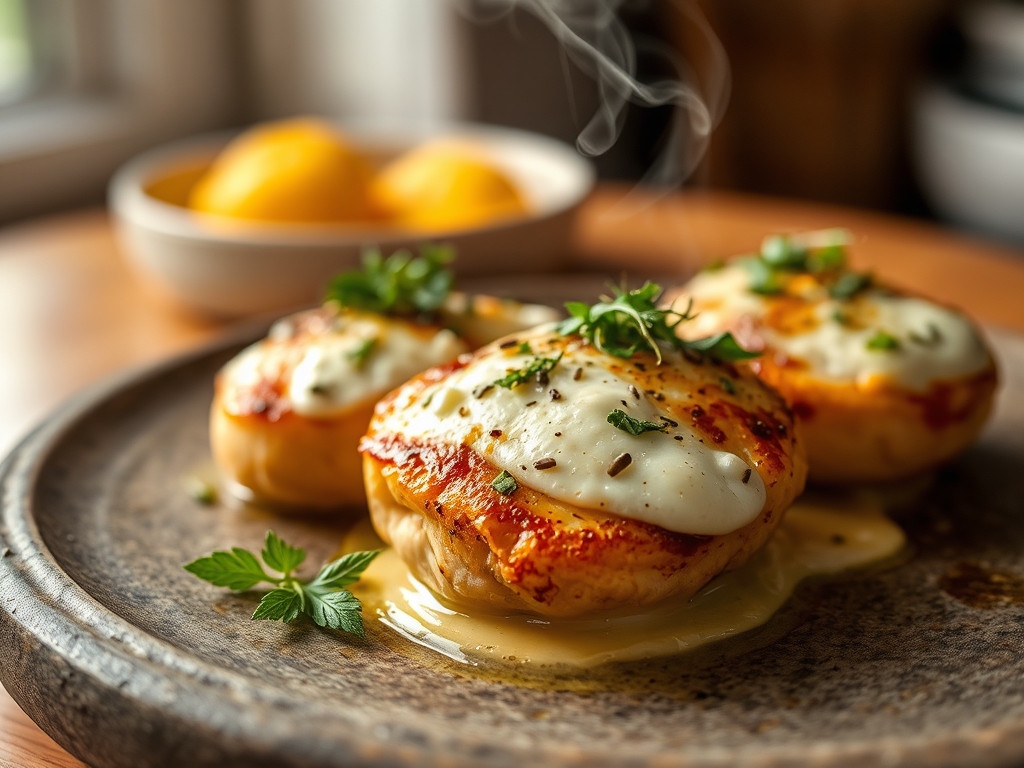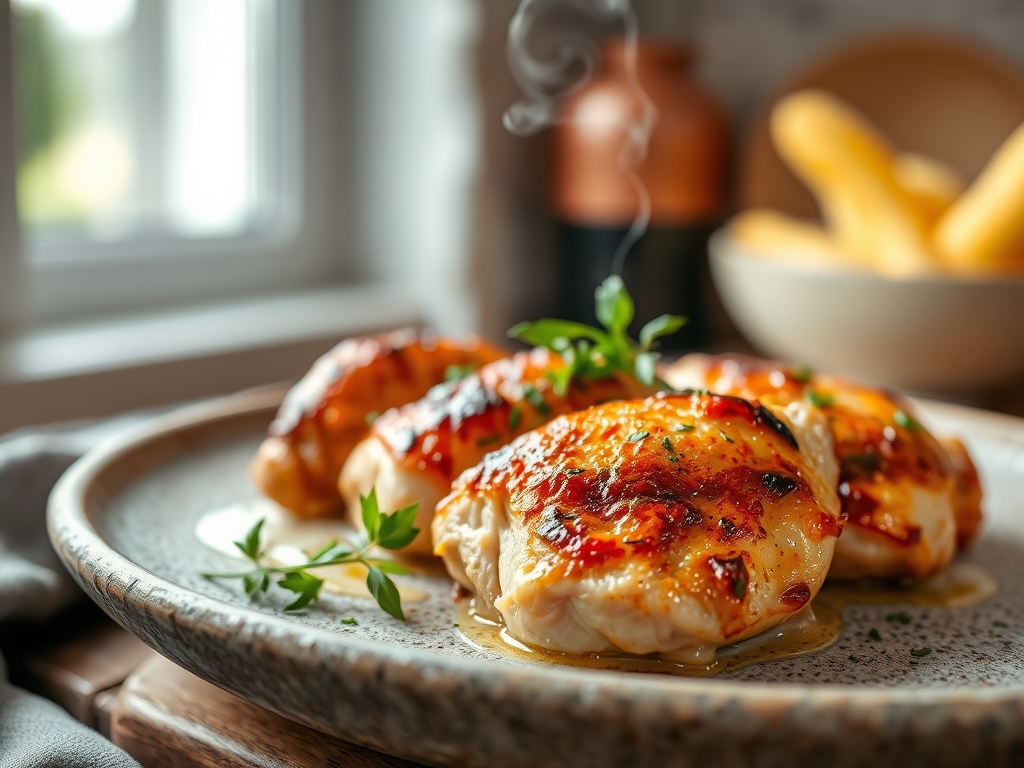
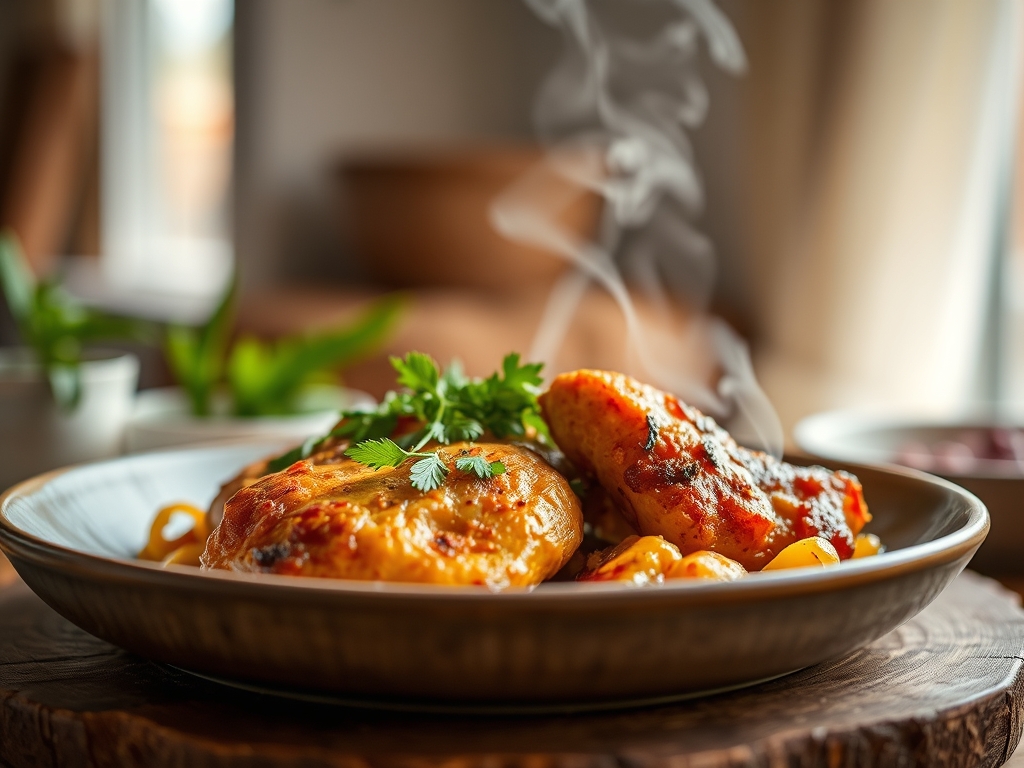
Picture the scent of toasted cumin and smoked paprika drifting through your kitchen as the oven hums a low melody. There is a specific kind of magic that happens when high heat meets a well-marinated bird; it is the transformation of raw protein into a golden, crackling masterpiece. If you are searching for easy chicken recipes indian style, you have found the ultimate guide to mastering heat and spice. We are moving beyond the basic roast to explore seven classics that define the intersection of convenience and complex flavor. Whether you are hosting a dinner party or just trying to survive a Tuesday, these oven-baked methods will turn your kitchen into a high-end bistro.
The secret to success lies in the marriage of ancient spice profiles with modern thermal physics. We are not just cooking; we are engineering a sensory experience. By leveraging the dry, consistent heat of a convection oven, we can achieve textures that traditional stovetop methods often miss. From the piquant bite of a classic Tikka to the velvet finish of a Malai-inspired bake, these recipes are designed to be foolproof yet sophisticated. Let us roll up our sleeves and dive into the chemistry of the perfect bake.
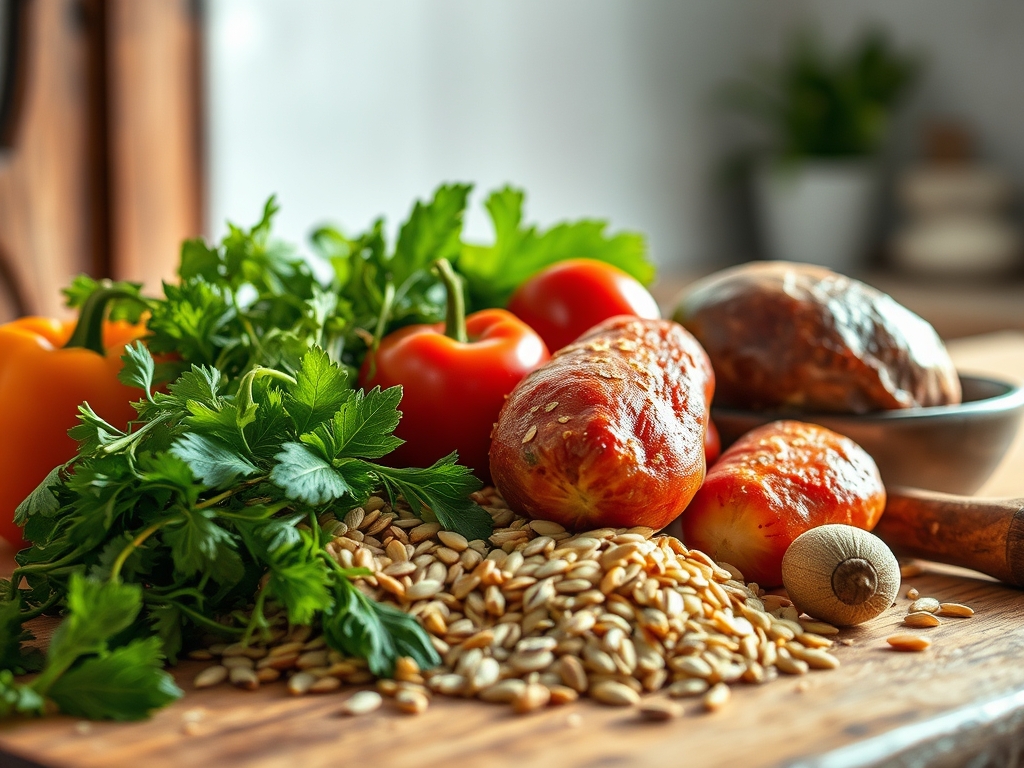
The Gathers:
Before we ignite the flame, we must respect the mise-en-place. Your workstation should look like a laboratory of flavor. Start with high-quality poultry; look for air-chilled breasts or thighs to ensure the meat has not been plumped with excess water, which prevents browning. You will need a digital scale for precise spice ratios and a microplane to grate fresh ginger and garlic into a fine, viscous paste. This maximizes the surface area, allowing the aromatics to infuse the meat more deeply.
Essential spices include Kashmiri chili powder for that vibrant red hue without overwhelming heat, turmeric for its earthy antiseptic qualities, and garam masala for a complex finish. For the fats, keep high-smoke-point oils like avocado oil or traditional ghee nearby. Smart Substitutions: If you are out of Greek yogurt for your marinade, use silken tofu blended with a splash of lemon juice to mimic the acidity and protein structure. If you lack a specific Indian spice blend, a mix of ground coriander, cumin, and black pepper acts as a reliable foundation for any of these easy chicken recipes indian favorites.
The Clock:
Efficiency in the kitchen is about the Chef's Flow. This is the art of overlapping tasks so that no second is wasted. For these seven classics, expect a preparation window of 20 minutes and a roasting time of 35 to 45 minutes. The "Flow" works like this: while your oven preheats to a blistering 425 degrees Fahrenheit, you are whisking your marinade in a saucier or mixing bowl.
The chicken should marinate for at least 30 minutes at room temperature; this is not just for flavor, but to take the chill off the protein, ensuring a more even cook. While the chicken roasts, use that 40-minute window to prepare your sides, like a cooling raita or a zesty kachumber salad. By the time the digital thermometer hits the target internal temperature, your sides are plated, your station is wiped down with a bench scraper, and you are ready to serve.
The Masterclass:
1. The Acidic Foundation
Whisk together your yogurt, lemon juice, and spices until the mixture is thick and homogenous. Use a whisk to aerate the yogurt, which helps it cling to the meat rather than sliding off.
Pro Tip: This step utilizes enzymatic tenderization. The lactic acid in yogurt breaks down the lean muscle fibers slowly, ensuring the meat remains succulent even under the intense dry heat of an oven.
2. The Scoring Technique
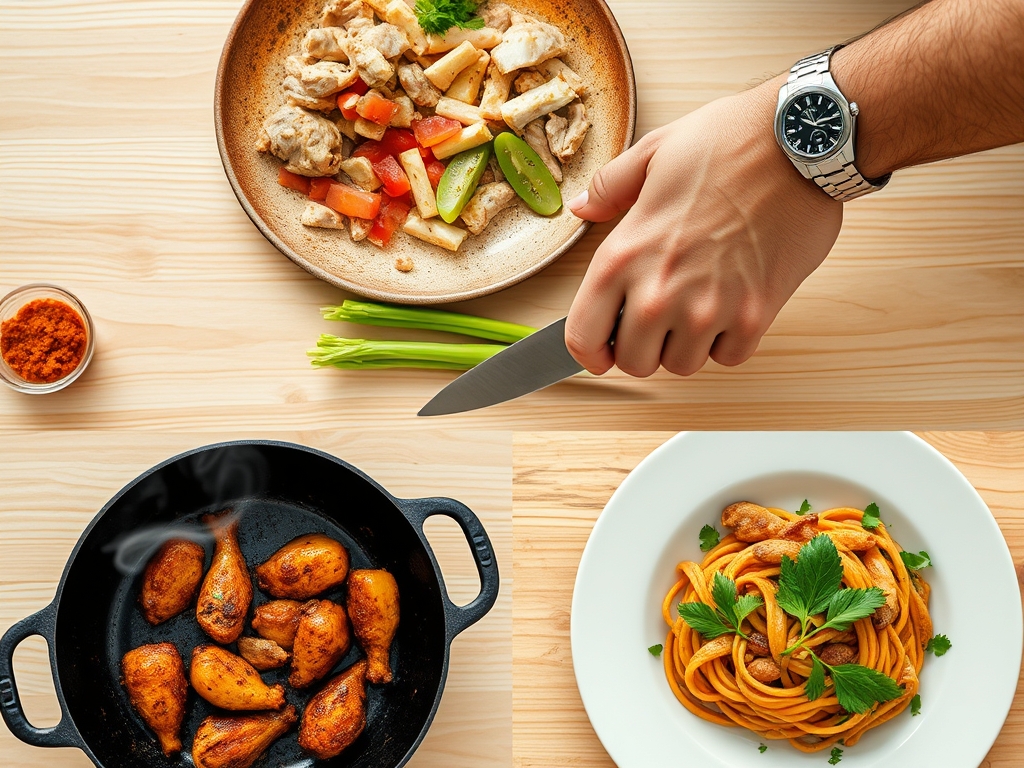
Using a sharp chef's knife, make shallow diagonal cuts into the thickest parts of the chicken. Do not cut all the way through; you want to create "channels" for the marinade to penetrate.
Pro Tip: Scoring increases the surface area for the Maillard reaction. This chemical reaction between amino acids and reducing sugars is what creates that savory, browned crust and deep umami flavor.
3. The High-Heat Roast
Place the chicken on a wire rack set over a parchment-lined baking sheet. This allows hot air to circulate 360 degrees around the protein, preventing a soggy bottom.
Pro Tip: Elevating the meat facilitates convection cooking. By allowing air to flow underneath, you ensure the skin or outer coating renders its fat efficiently, resulting in a crispier exterior.
4. The Ghee Baste
Halfway through the cooking process, use a pastry brush to apply a thin layer of melted ghee or oil over the chicken. This adds a final layer of richness and helps the spices bloom.
Pro Tip: This is known as lipid-mediated heat transfer. Fat conducts heat more efficiently than air, so basting mid-way accelerates the final browning phase without overcooking the interior.
5. The Thermal Rest
Once the chicken reaches 160 degrees Fahrenheit, remove it from the oven. Transfer it to a warm plate and tent it loosely with foil for at least ten minutes.
Pro Tip: This accounts for thermal carryover. The internal temperature will rise by about 5 degrees while resting, and the muscle fibers will reabsorb the juices, preventing them from spilling out when you carve.
The Deep Dive:
From a nutritional standpoint, these easy chicken recipes indian style are powerhouses. A standard serving provides roughly 35 grams of high-quality protein with minimal carbohydrates, especially if you stick to yogurt-based marinades. For those on a Keto path, increase the ghee or use heavy cream in the marinade. Vegan friends can easily swap the chicken for extra-firm tofu or cauliflower steaks; just reduce the baking time by 15 minutes to avoid drying out the plant-based proteins.
The Fix-It: Common Pitfalls
- Soggy Skin: If your chicken looks pale, your oven temperature is too low or you overcrowded the pan. Use two pans if necessary to ensure proper airflow.
- Burnt Spices: If the aromatics turn bitter, they have scorched. Tent the chicken with foil halfway through to protect the delicate spices while the meat finishes cooking.
- Dry Meat: This usually happens when you skip the rest period. Always use a digital thermometer to pull the meat at exactly 160 degrees Fahrenheit.
Meal Prep Science: To reheat, avoid the microwave, which turns protein rubbery by vibrating water molecules too violently. Instead, place leftovers in a covered dish with a tablespoon of water and heat in a 300-degree oven. This creates a small steam chamber that restores moisture to the fibers.
The Wrap-Up:
Mastering the oven-baked Indian classic is about more than just following a list; it is about understanding how heat, acid, and spice interact to create something legendary. You now have the technical vocabulary and the scientific backing to turn a simple grocery store bird into a centerpiece that would make any chef proud. Remember to trust your tools, watch your temperatures, and never skip the rest. Now, get that oven preheated and let the spices do the heavy lifting!
The Kitchen Table:
How do I keep chicken breast from drying out in the oven?
Use a yogurt-based marinade to provide a protective protein barrier. Always pull the chicken when it reaches an internal temperature of 160 degrees Fahrenheit and let it rest for ten minutes to allow the juices to redistribute through the fibers.
Can I use frozen chicken for these recipes?
You must fully thaw the chicken in the refrigerator before marinating. Cooking from frozen leads to uneven heat distribution, resulting in a rubbery exterior and a potentially raw, unsafe center. Always pat the meat dry after thawing to ensure browning.
What is the best way to get a red color without spice?
Use Kashmiri chili powder, which is prized for its vibrant pigment rather than its heat. For an even deeper red without any capsaicin, you can add a teaspoon of beet powder or a few drops of natural red food coloring.
Why does my yogurt marinade curdle in the oven?
High-heat curdling happens when the protein in the yogurt denatures too quickly. To prevent this, use full-fat Greek yogurt and ensure it is whisked until smooth. The higher fat content stabilizes the emulsion against the intense heat of the oven.