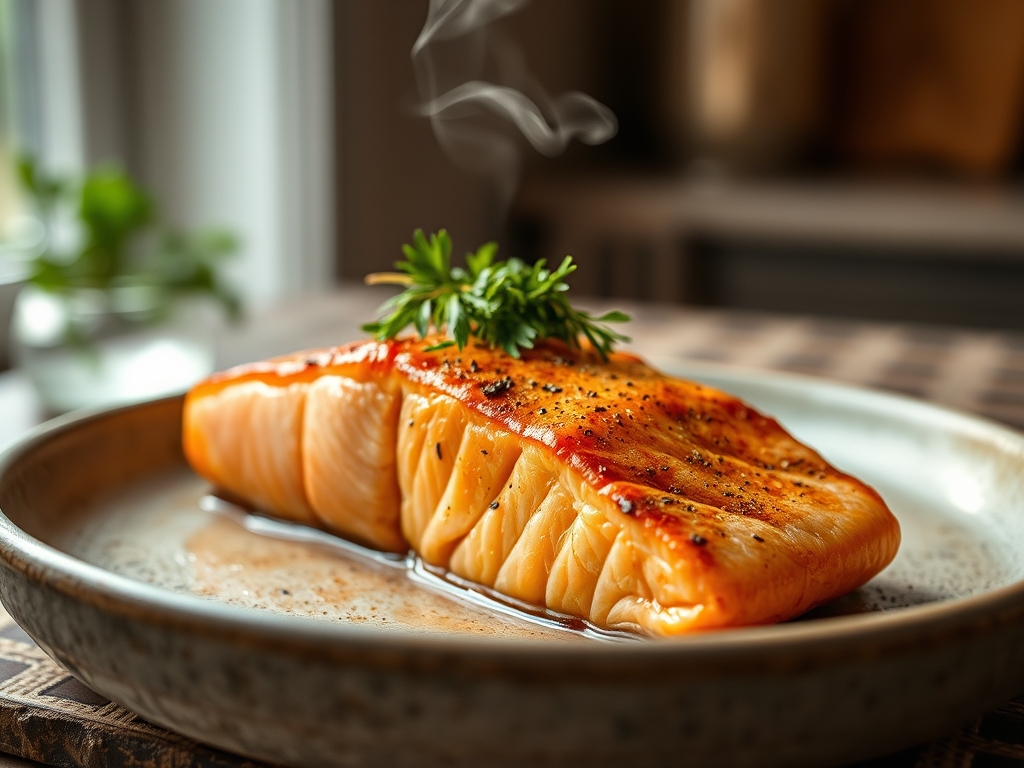
Imagine the sizzle of a heavy-bottomed stainless steel skillet meeting cold, orange-pink flesh. The sound is sharp and immediate; it is the sound of moisture rapidly evaporating to make room for a golden, umami-rich crust. When you are hunting for the ultimate wild coho salmon recipes, you are looking for more than just dinner. You are looking for that specific, buttery flake that only comes from a fish that has spent its life navigating the cold currents of the North Pacific. Coho, often called Silver salmon, is the overachiever of the salmon family. It is leaner than King salmon but more refined than Sockeye, offering a subtle, medium-fat profile that demands a gentle hand and a bit of kitchen chemistry. We are going to treat this fillet like the royalty it is, using thermal precision to ensure the proteins do not seize into a dry, chalky mess. Grab your apron and your favorite tongs. We are about to transform a raw fillet into a masterpiece of texture and flavor that will make your kitchen smell like a high-end bistro.
The Gathers:
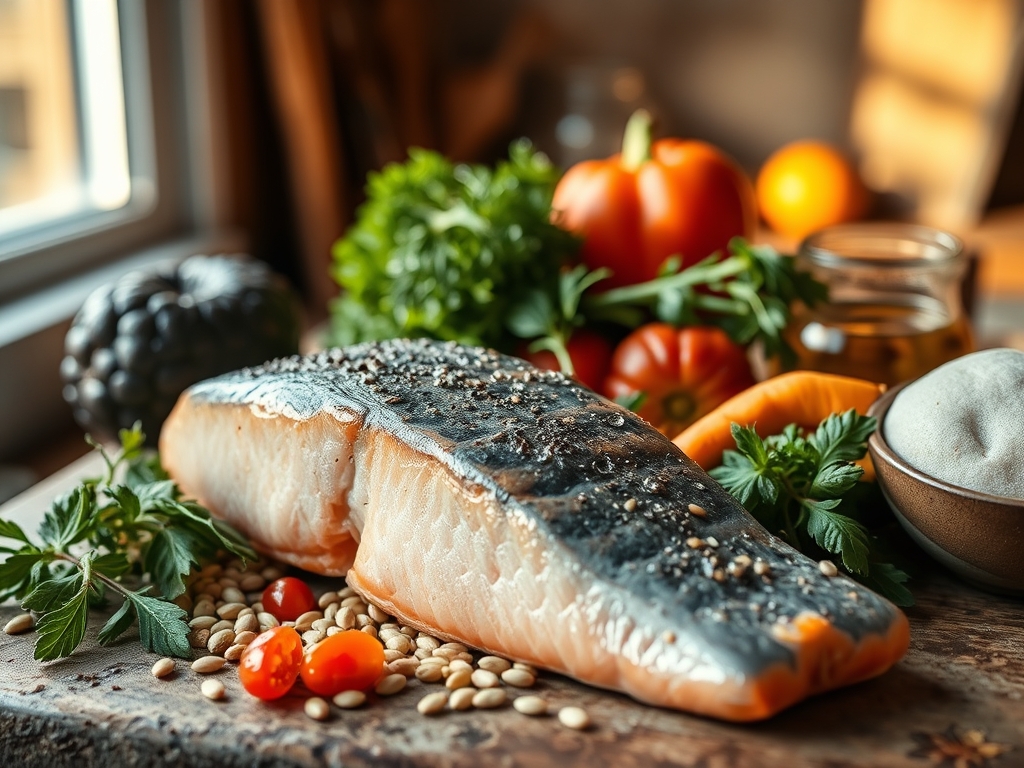
Before we apply heat, we must assemble our mise-en-place. Precision in your ingredients ensures that the chemical reactions, like the Maillard reaction, occur at the exact right moment. For this recipe, you will need:
- Wild Coho Fillets: Look for 6-ounce portions with the skin intact. The skin acts as a thermal barrier and provides a structural base.
- High-Smoke Point Fat: Use avocado oil or clarified butter (ghee). Standard butter contains milk solids that will burn before the salmon reaches the ideal internal temperature.
- Aromatic Base: Fresh sprigs of thyme and three smashed garlic cloves. We will use these to infuse the fat during the final basting stage.
- Acidity: A bright, piquant lemon and a splash of dry white wine for deglazing.
- Finishing Salt: Flaky sea salt (like Maldon) to provide a tactile crunch and elevate the natural salinity of the fish.
Smart Substitutions: If you cannot find fresh thyme, a sprig of rosemary works, though it is more aggressive. For a dairy-free "butter" finish, use a high-quality vegan butter substitute that has a high oil-to-water ratio to ensure it can still render and foam properly.
The Clock
Efficiency in the kitchen is about "Chef's Flow." This is the rhythm where your prep time overlaps with your pan-heating time so no energy is wasted.
- Prep Time: 10 minutes. This includes patting the fish dry (essential for crust formation) and seasoning.
- Cook Time: 8 to 10 minutes. Coho is leaner than other varieties, so it moves from translucent to overcooked in a matter of seconds.
- Rest Time: 3 minutes. Never skip this. Resting allows the muscle fibers to relax and reabsorb the internal juices.
The total flow should take you about 25 minutes from fridge to table. Start heating your skillet on medium-high before you even touch the seasonings. A cold pan is the enemy of a crispy skin.
The Masterclass
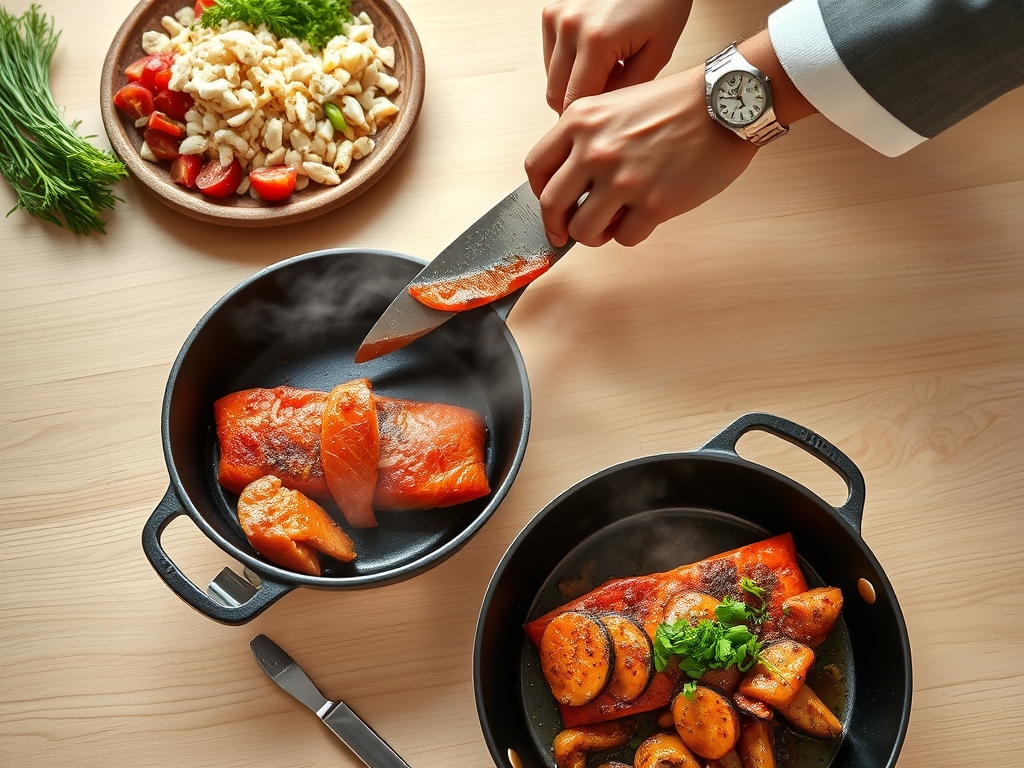
1. The Desiccation Phase
Use a paper towel to press firmly onto the surface of the fish. You want the skin to be bone-dry. Moisture is the enemy of the Maillard reaction; if the skin is wet, the energy of the pan goes into boiling the water rather than browning the protein.
Pro Tip: This is known as surface evaporation. By removing surface moisture, you allow the skin to reach the 285 degree Fahrenheit threshold required for enzymatic browning much faster, preventing the interior from overcooking.
2. The Seasoning Anchor
Season with kosher salt from a height of about twelve inches. This ensures an even distribution of grains. Do not add pepper yet; black pepper can burn and become bitter in a hot skillet.
Pro Tip: Salt acts as a denaturant. It begins to break down the tightly wound protein strands on the surface, which eventually helps create a tighter, more cohesive crust when it hits the hot oil.
3. The Initial Sear
Add two tablespoons of oil to your heavy-bottomed skillet. Once the oil is viscous and shimmering, lay the salmon skin-side down. Press down firmly with a flexible fish spatula for 30 seconds to prevent the skin from curling.
Pro Tip: This prevents the "cupping" effect caused by the rapid contraction of collagen fibers. By holding it flat, you ensure maximum surface-area contact, leading to an even, glass-like crispness.
4. The Temperature Pivot
Lower the heat to medium. Let the fish cook 80 percent of the way on the skin side. You will see the opaque color creeping up the side of the fillet.
Pro Tip: This is thermal buffering. The skin and the layer of fat beneath it protect the delicate flesh from the direct, aggressive heat of the pan, allowing for a more gradual and even rise in internal temperature.
5. The Butter Baste
Flip the fish gently. Toss in your butter, garlic, and thyme. As the butter foams, use a large spoon to continuously pour the hot, flavored fat over the cooked skin.
Pro Tip: This is convection cooking within a pan. The hot fat fills the microscopic gaps in the crust, further crisping the skin while the aromatics aerate and release fat-soluble flavor compounds into the meat.
6. The Deglaze and Finish
Remove the salmon when the internal temperature hits 125 degrees Fahrenheit. Pour a splash of white wine into the pan to deglaze, scraping up the browned bits (fond) to create a quick pan sauce.
Pro Tip: Use a digital scale or thermometer to check the temp. Thermal carryover will cause the temperature to rise another 5 degrees while the fish rests, bringing it to a perfect medium-rare 130 degrees.
The Deep Dive
Macro Nutrition: Wild coho is a nutritional powerhouse. A 6-ounce serving provides roughly 35 grams of high-quality protein and is rich in Omega-3 fatty acids, which are essential for brain health. Because it is wild-caught, it has a more complex mineral profile than farmed varieties.
Dietary Swaps:
- Keto: This recipe is naturally keto-friendly. Serve with asparagus sautéed in the leftover pan fat.
- Vegan: While you can't swap the salmon, you can use this searing technique on thick "steaks" of cauliflower or lion's mane mushrooms.
- Gluten-Free: This recipe is naturally GF; just ensure your white wine is a dry variety with no additives.
The Fix-It:
- Problem: The skin is sticking. Fix: You likely tried to flip it too early. Protein "releases" from the pan naturally once the crust has formed. Wait another 30 seconds.
- Problem: White gunk (albumin) is oozing out. Fix: The heat was too high. Albumin is just protein being squeezed out of the muscle fibers. It is harmless but indicates the fish is cooking too fast.
- Problem: The skin is soggy. Fix: You didn't dry the fish enough or you put a lid on the pan, which trapped steam.
Meal Prep: To reheat wild coho salmon recipes without losing quality, avoid the microwave. Use a toaster oven at 275 degrees Fahrenheit with a teaspoon of water covered by foil. This creates a gentle steam environment that rehydrates the proteins without toughening them.
The Wrap-Up
Mastering wild coho salmon recipes is a rite of passage for any home cook who values flavor and science. By focusing on moisture control and thermal precision, you turn a simple piece of seafood into a restaurant-quality experience. Remember: dry the skin, watch the temperature, and never skip the butter baste. Your kitchen is now a laboratory of deliciousness. Go forth and sear with confidence!
The Kitchen Table
How do I know when coho salmon is done?
Use a digital thermometer to pull the salmon at 125 degrees Fahrenheit. The fish should feel slightly firm to the touch and flake easily with a fork while remaining translucent in the very center. Carryover cooking finishes the process.
Why is my salmon skin not crispy?
The most common culprit is residual moisture. If the skin is not patted completely dry with paper towels, it will steam rather than sear. Additionally, ensure your oil is shimmering hot before the fish ever touches the pan.
Can I use frozen coho salmon for these recipes?
Yes, but you must thaw it completely in the refrigerator overnight. Once thawed, treat it exactly like fresh fish, paying extra attention to drying the surface, as frozen fish tends to release more exterior moisture.
What is the best oil for searing salmon?
Use an oil with a high smoke point like avocado, grapeseed, or canola oil. These oils can withstand the high heat necessary to crisp the skin without breaking down or smoking, which creates bitter, off-flavors in the fish.