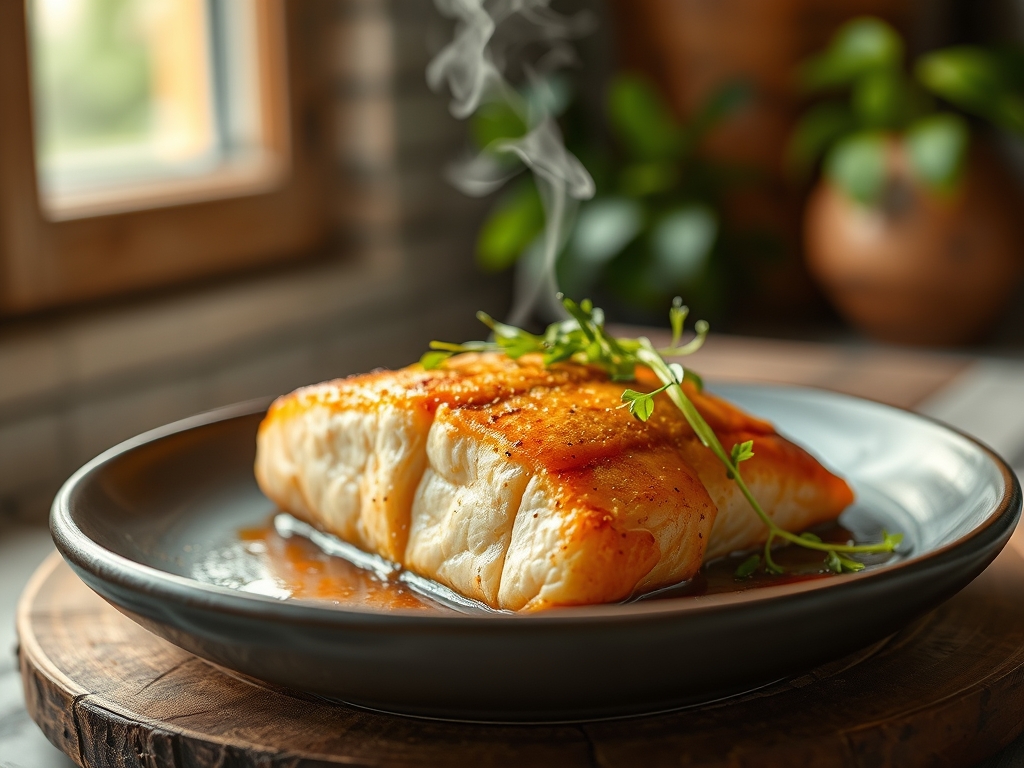
Imagine the sound of a heavy bottomed skillet meeting a high flame; that sharp, rhythmic hiss as a cold fillet of fish hits shimmering oil. We are diving deep into the world of salmon recipes panlasang pinoy, where the fatty, buttery richness of Atlantic salmon meets the piquant, citrusy soul of Filipino home cooking. It is a collision of worlds that makes perfect sense because salmon is essentially the luxury version of our beloved milkfish.
The secret to mastering these dishes lies in understanding the molecular structure of the fish itself. Salmon is packed with myoglobin and healthy fats that require precise thermal control to stay succulent. Whether we are souring it in a tamarind broth or glazing it with a sweet soy reduction, the goal is to respect the protein. We are moving beyond basic frying; we are looking at the science of the sear and the chemistry of the marinade. Grab your favorite apron and a glass of something crisp. We are about to transform your kitchen into a high end bistro with a heart that beats for Manila.
The Gathers:
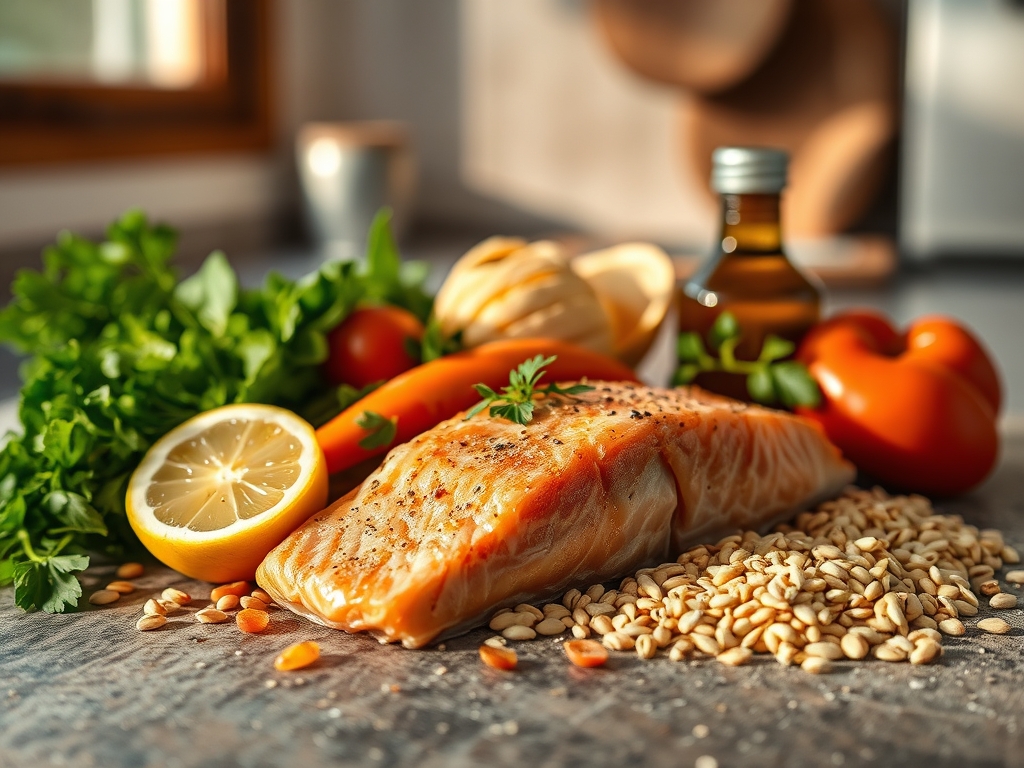
To execute these salmon recipes panlasang pinoy with precision, your mise en place must be impeccable. Start with high quality salmon fillets or steaks, ensuring they are patted bone dry with lint free towels to prevent steam pockets during searing. You will need a microplane for zesting calamansi and grating fresh ginger into a fine paste. The aromatic base consists of red onions, garlic, and ginger; the holy trinity of Filipino aromatics.
For the liquid components, gather premium fish sauce (patis), coconut milk with a high fat content for a viscous mouthfeel, and naturally brewed soy sauce. If you cannot find calamansi, a blend of lemon and lime juice works as a smart substitution to mimic that specific floral acidity. For those watching their sodium, liquid aminos provide a similar depth of flavor without the heavy salt load. Always keep a digital scale nearby to ensure your ratios of tamarind paste to water are consistent, especially when aiming for that perfect Sinigang pucker.
The Clock
Efficiency in the kitchen is all about the "Chef's Flow." Total preparation time for these classics usually clocks in at 15 minutes, with active cooking times ranging from 8 to 20 minutes depending on the method. The "Flow" means prepping your aromatics while the skillet preheats. If you are making Sinigang, start the broth first; the salmon only needs the final four minutes of heat. If you are searing, the fish should be the very last thing to touch the pan before serving. This ensures the skin stays shatteringly crisp while the interior remains a perfect medium rare.
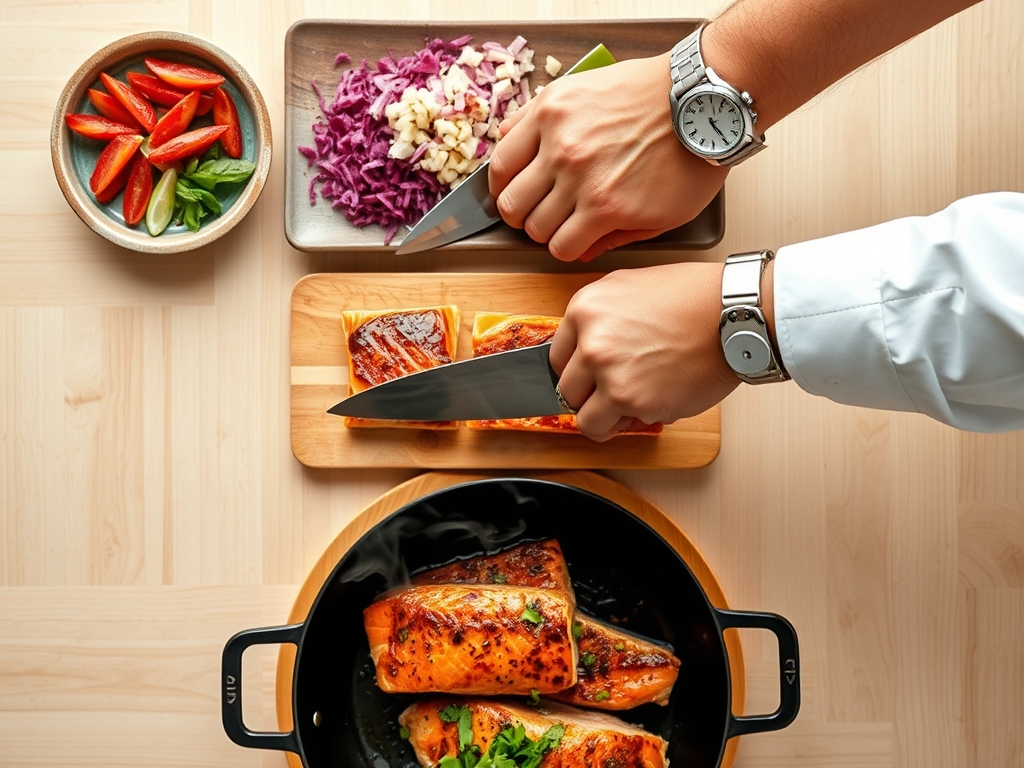
The Masterclass
1. The Perfect Sinigang sa Calamansi
Start by simmering your aromatics in a saucier until the onions are translucent and the ginger has infused the water. Add your vegetables, then gently nestle the salmon pieces into the bubbling liquid.
Pro Tip: This relies on poaching kinetics. By keeping the liquid at a gentle simmer rather than a rolling boil, you prevent the salmon proteins from tightening and becoming rubbery.
2. Crispy Skin Salmon Adobo
Place the salmon skin side down in a cold heavy bottomed skillet, then turn the heat to medium. This allows the fat to render slowly, resulting in a glass like texture. Deglaze the pan with soy sauce and vinegar.
Pro Tip: This is the Maillard reaction in action. Slow rendering ensures the skin reaches maximum crispness without overcooking the delicate flesh above it.
3. Ginataang Salmon with Chilies
Sauté garlic and ginger, then pour in thick coconut milk. Let it reduce until it begins to emulsify with the natural oils of the fish. Add bird's eye chilies for a slow, creeping heat.
Pro Tip: Use the science of reduction. As water evaporates from the coconut milk, the flavor compounds become more concentrated and the sauce becomes naturally thick without the need for starch.
4. Salmon Bistek Style
Marinate the fillets in calamansi and soy sauce for exactly ten minutes. Sear quickly using tongs to flip, then top with a mountain of semi raw white onion rings.
Pro Tip: Avoid over marinating. The citric acid in the calamansi will begin to denature the proteins, essentially "cooking" the fish like a ceviche and ruining the final seared texture.
5. Grilled Salmon Inasal
Brush the fish with annatto oil and lemongrass infused butter. Grill over high heat to achieve char marks while keeping the center moist.
Pro Tip: The annatto oil acts as a thermal conductor, helping to distribute heat evenly across the uneven surface of the fish while providing that iconic sunset hue.
6. Baked Salmon with Garlic Mayo
Slather the top of a large fillet with a mixture of Japanese mayo, minced garlic, and cheese. Bake at high heat until the topping is golden and bubbly.
Pro Tip: This creates a fatty insulation layer. The mayo protects the fish from the direct heat of the oven, steaming it in its own juices while the top undergoes enzymatic browning.
The Deep Dive
From a nutritional standpoint, salmon is a powerhouse. A standard 6 ounce serving provides roughly 34 grams of high quality protein and is loaded with Omega 3 fatty acids. For a keto friendly version of these dishes, simply swap the white rice for cauliflower rice sautéed in garlic. If you are going gluten free, ensure your soy sauce is replaced with tamari.
Even the best chefs hit snags. If your salmon skin is sticking to the pan, it is likely because the pan wasn't hot enough or you tried to flip it too early; the fish will naturally "release" once the proteins have caramelized. If your coconut sauce breaks (separates), whisk in a teaspoon of warm water to re-emulsify the fats. If the fish tastes "fishy," a quick soak in milk or a rub of citrus juice will neutralize the trimethylamine oxide responsible for the scent. For meal prep, reheat salmon in a low oven (275F) with a splash of water covered in foil to preserve the moisture. Avoid the microwave at all costs, as it vibrates water molecules too violently, toughening the fish.
The Wrap-Up
Mastering salmon recipes panlasang pinoy is about more than just following a list of ingredients; it is about celebrating the fusion of premium ingredients with time honored Filipino techniques. We have covered the chemistry of the sear, the balance of acidity, and the importance of thermal control. Now, it is your turn to take these tools and create something spectacular. Whether it is a weeknight dinner or a Sunday feast, these dishes bring a sophisticated edge to the comfort of home.
The Kitchen Table
How do I keep my salmon from drying out?
Use a digital thermometer to pull the fish at 125F. Thermal carryover will bring it to a perfect 130F to 135F while it rests, ensuring the albumin (white protein) doesn't leak out and leave the fish dry.
Can I use frozen salmon for these recipes?
Yes, but thaw it completely in the refrigerator. Use a bench scraper to remove excess moisture from your cutting board. Pat the fish extremely dry before cooking to ensure you get a sear rather than a steam.
What is the best way to get crispy skin?
Start with a cold pan and a thin layer of neutral oil. Press the fish down firmly with a spatula for the first 30 seconds to prevent the skin from curling, allowing for maximum surface contact and even browning.
How long can I store leftover cooked salmon?
Cooked salmon stays fresh in an airtight container for up to three days. For the best quality, flake the leftovers into a cold salad or use them in a salmon fried rice to mask any slight texture changes.