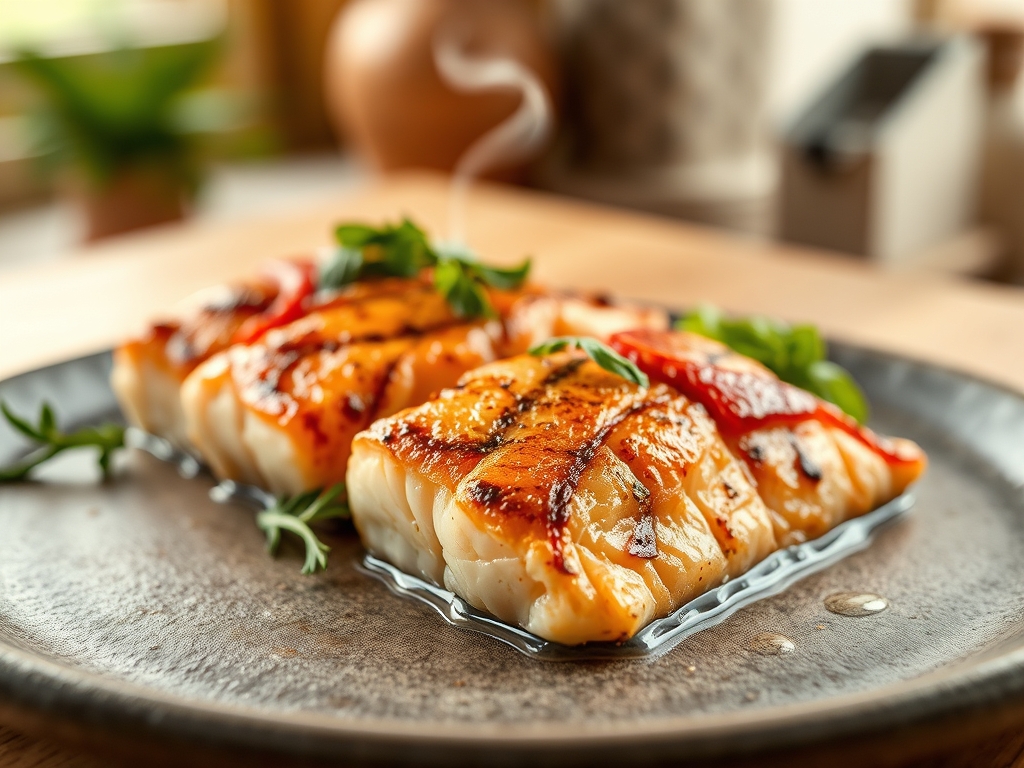
Picture this: the kitchen smells like a humid, sun-drenched escape where the sharp zest of lime collides with the buttery, rich fats of a perfectly seared fillet. We are moving beyond the boring, beige dinners of yesteryear to embrace the vibrant world of tropical salmon recipes. When cold-water fatty acids meet the high-acid, high-sugar profile of tropical fruits, something magical happens to the protein structure. The salmon does not just cook; it transforms. We are talking about a sensory overhaul where the salt of the ocean meets the sweetness of the equator. It is bright, it is bold, and it is scientifically designed to make your taste buds sing. Whether you are hosting a terrace dinner or just trying to survive a Tuesday, these roasts are your ticket to culinary relevance. We are going to master the art of the perfect crust and the most viscous, fruit-forward glazes you have ever tasted. Grab your apron; we are going to make some waves.
The Gathers:
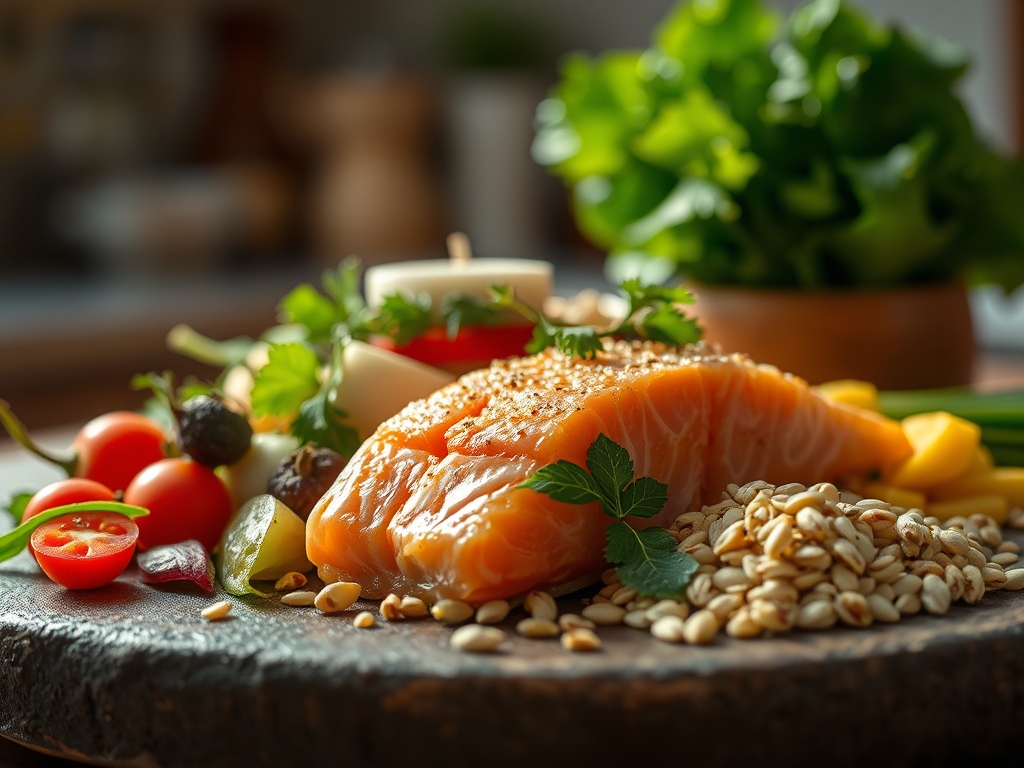
To execute these tropical salmon recipes with precision, your mise-en-place must be impeccable. Start with the centerpiece: high-quality Atlantic or King salmon. Look for deep pigmentation and firm muscular tension. You will need a microplane for zesting citrus, as we want to harvest the essential oils without the bitter white pith. For the glazes, gather fresh pineapple, mango, and passion fruit pulp. These fruits contain enzymes like bromelain that can actually tenderize the fish if used as a short-term marinade.
Your pantry should boast high-smoke point oils like avocado oil to ensure we do not reach the acrolein point during searing. We also need piquant aromatics: fresh ginger, garlic, and bird's eye chilies. For the "Smart Substitutions," if you cannot find fresh passion fruit, a high-quality frozen puree works perfectly. If you are watching your refined sugar intake, swap the brown sugar in glazes for coconut sugar or a splash of maple syrup; the mineral content adds a deeper, more earthy complexity to the final char. Always use a digital scale to measure your dry spices to ensure consistency across all ten variations.
The Clock:
Efficiency in the kitchen is all about the "Chef's Flow." For these tropical salmon recipes, expect a total commitment of about 35 minutes. Prep takes 15 minutes: this includes slicing fruit, mincing aromatics, and patting the fish bone-dry. The cooking phase is a swift 12 to 15 minutes depending on the thickness of your fillets. The final 5 minutes are the most critical: the rest.
The "Chef's Flow" dictates that you prepare your cold elements, like a mango salsa, while the oven preheats. This prevents the fruit from oxidizing too early. Once the salmon enters the heat, you use that window to deglaze your saucier and finish your reduction. By the time the timer dings, your sauce is thick and your kitchen is clean.
The Masterclass:
1. The Prep and Pat
Start by removing your salmon from the refrigerator 20 minutes before cooking to take the chill off. Use a paper towel to press every drop of moisture from the skin.
Pro Tip: This is the science of the Leidenfrost Effect. If the surface is wet, the energy of the pan is wasted evaporating water instead of creating a crisp skin. Dry skin leads to a faster Maillard reaction.
2. The Sear and Render
Heat an oven-safe heavy-bottomed skillet over medium-high heat. Add your oil and wait for the shimmer. Place the salmon skin-side down using tongs and press firmly for 30 seconds.
Pro Tip: Pressing prevents the protein fibers from curling as they contract. This ensures even heat distribution and allows the subcutaneous fat to render fully into the meat.
3. The Glaze Application
Brush your tropical reduction (think pineapple and habanero) over the flesh side of the fish. Do not crowd the pan; airflow is essential for a proper roast.
Pro Tip: Sugars in the fruit glaze undergo caramelization at 320 degrees Fahrenheit. This creates a complex, bittersweet crust that balances the oily richness of the fish.
4. The Oven Finish
Transfer the entire skillet into a 400-degree oven. This two-stage cooking method ensures the outside is crisp while the inside remains succulent and translucent.
Pro Tip: Use a digital thermometer to pull the fish at 125 degrees. Thermal carryover will continue to raise the internal temperature by 5 to 10 degrees while it rests on the counter.
5. The Rest and Infuse
Slide the salmon onto a warm plate and let it sit for five minutes before serving. Garnish with fresh herbs like cilantro or mint to aerate the heavy scents of the roast.
Pro Tip: Resting allows the muscle fibers to relax and reabsorb the internal juices. If you cut it too soon, the moisture escapes, leaving the fillet dry and fibrous.
The Deep Dive:
When we look at the macro nutrition of these tropical salmon recipes, we are looking at a powerhouse of Omega-3 fatty acids, high-quality protein, and Vitamin C from the fruit components. It is a metabolic win.
For dietary swaps, the transition is seamless. For a Keto version, replace fruit juices with a splash of apple cider vinegar and a keto-friendly sweetener. Vegan friends can swap the salmon for thick "steaks" of cauliflower or firm tofu, though the roasting time will increase to achieve the same structural integrity. For Gluten-Free diners, ensure your soy sauce is replaced with tamari or coconut aminos to keep that savory umami hit.
"The Fix-It" section is your safety net. If your skin is sticking, it is likely because you tried to flip it too early; the fish will naturally release once the proteins have fully coagulated. If the glaze is burning, your oven rack is too high; move it to the center to avoid direct radiant heat. If the salmon looks "white and chalky," that is albumin leaking out, a sign of overcooking. Pull it earlier next time!
For meal prep, reheating salmon is a delicate science. Avoid the microwave, which vibrates water molecules and toughens the protein. Instead, use a low-heat oven (275 degrees) with a splash of water and a foil cover to create a gentle steam environment that preserves the "day-one" flake.
The Wrap-Up:
Mastering tropical salmon recipes is about more than just a meal; it is about understanding the chemistry of flavor. By balancing the heavy lipids of the fish with the bright, volatile acids of tropical fruits, you create a dish that is both sophisticated and incredibly satisfying. Use your bench scraper to keep your station tidy, trust your digital thermometer, and do not be afraid to let those glazes get a little dark and caramelized. You have the tools, the science, and the flair to make every roast a masterpiece. Now, go get that perfect sear!
The Kitchen Table:
How do I get the skin extra crispy?
Ensure the skin is bone-dry and the pan is shimmering hot. Use a heavy-bottomed skillet to maintain consistent heat. Press the fillet down firmly with a spatula for the first 30 seconds to ensure total surface contact for maximum rendering.
Can I use frozen salmon for these recipes?
Yes, but thaw it completely in the refrigerator first. Pat it dry thoroughly with paper towels to remove excess moisture from the freezing process. This prevents the fish from steaming in the pan, which would ruin the texture of the roast.
What is the best tropical fruit for a glaze?
Pineapple and mango are the gold standards due to their high sugar content and acidity. Pineapple contains bromelain, which helps tenderize the protein, while mango provides a thick, viscous texture that clings beautifully to the roasted salmon fillets.
How do I know when the salmon is perfectly cooked?
Use a digital thermometer to check the thickest part of the fillet. Aim for 125 degrees Fahrenheit for a medium-rare finish. The temperature will rise to the ideal 130 to 135 degrees during the essential five-minute resting period.