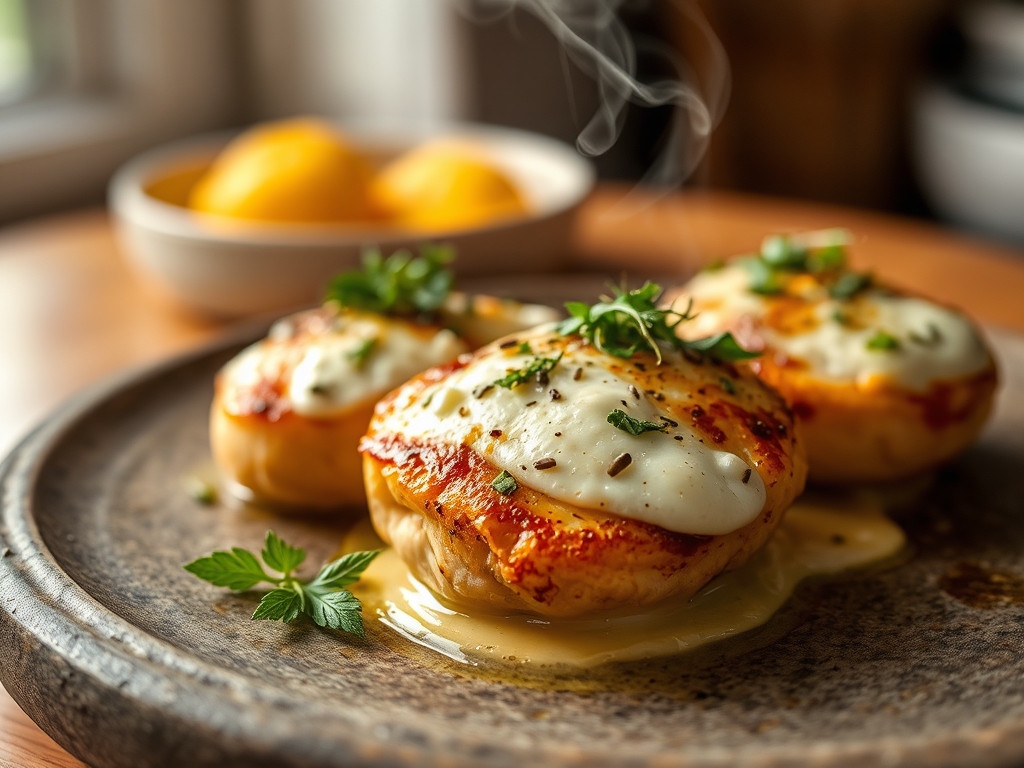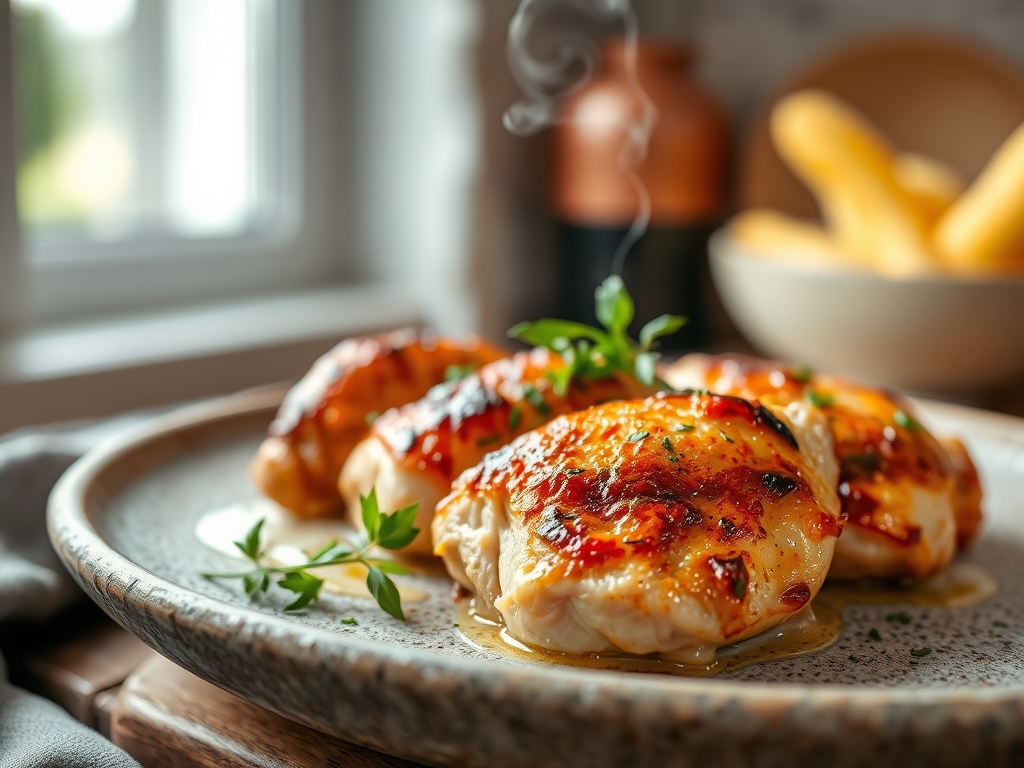
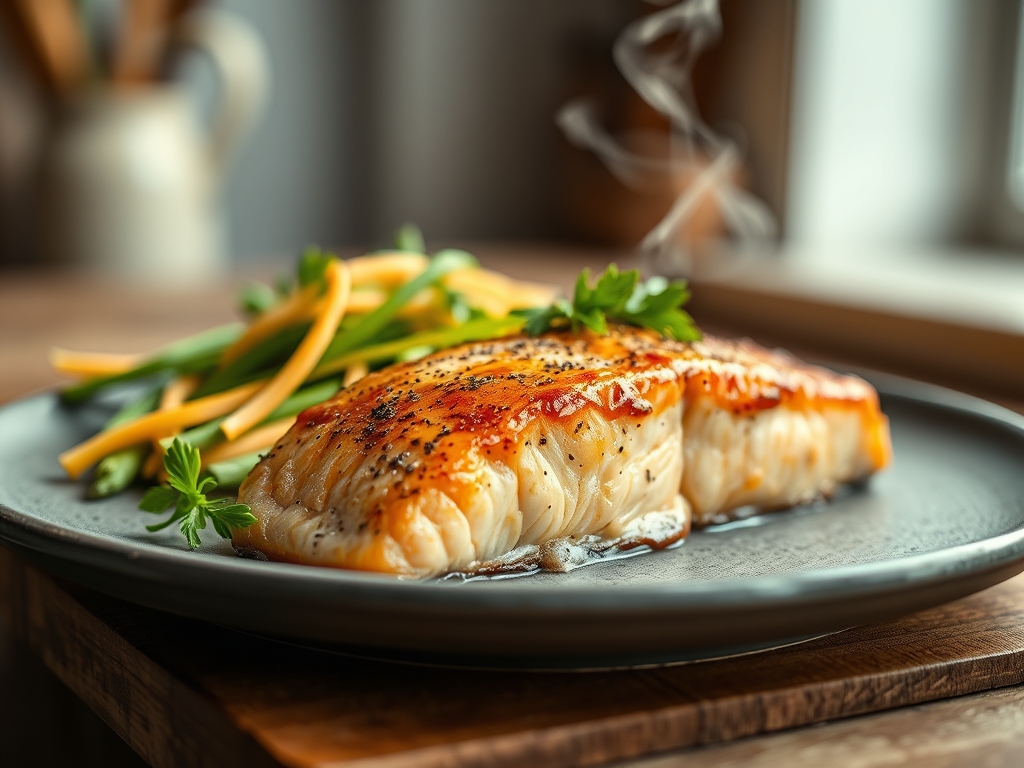
Imagine the crisp, cool air of a Stockholm morning meeting the sizzle of a heavy-bottomed skillet. That iconic, flaky texture and the creamy dill sauce are more than just a cafeteria memory; they are a masterclass in Nordic efficiency. Mastering ikea salmon recipes at home requires moving beyond basic pan-frying into the realm of precision chemistry. We are talking about achieving that perfect opaque center while maintaining a crust that shatters under the fork. It is about the balance of fatty acids and the piquant bite of mustard seeds. You do not need a plane ticket to Sweden to achieve this; you just need to understand the molecular behavior of cold-water fish and the magic of emulsification. Today, we are stripping back the mystery of the blue-and-yellow box to reveal the professional techniques that turn a simple fillet into a culinary event. We will explore how to manage moisture, control thermal energy, and create a sauce so viscous and glossy it would make a Michelin inspector weep. Grab your favorite apron and a glass of something sparkling; we are about to upgrade your kitchen game with scientific flair and a bit of witty charm.
The Gathers:
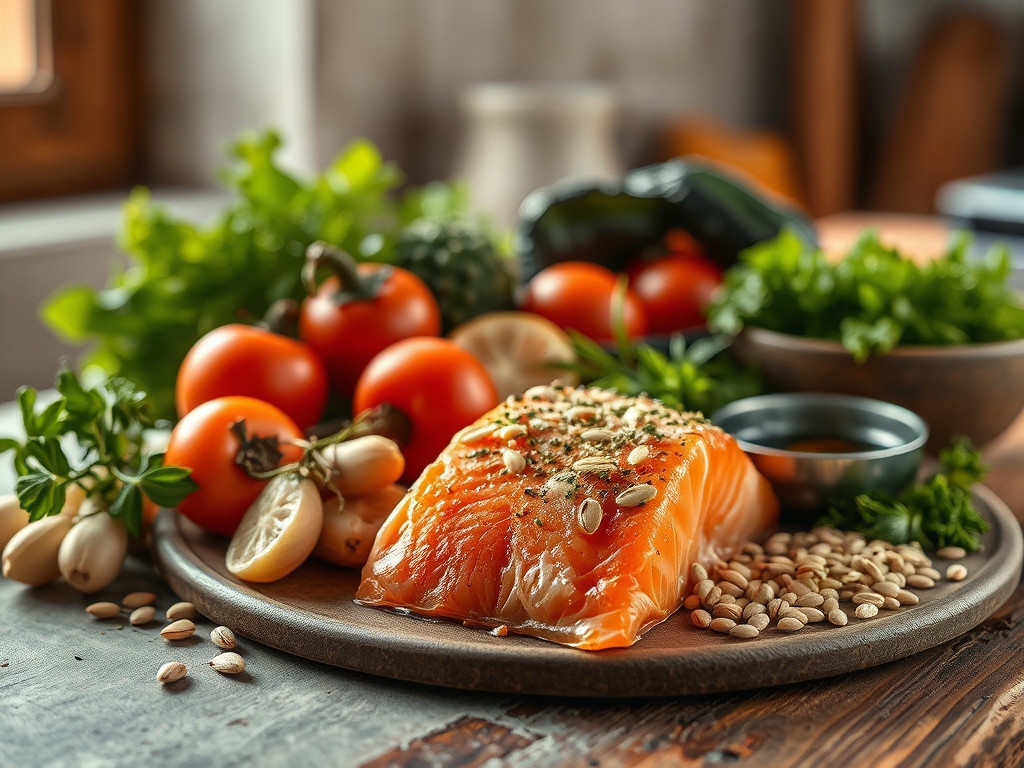
To replicate the authentic profile of ikea salmon recipes, your mise-en-place must be exact. Start with four center-cut Atlantic salmon fillets, approximately six ounces each. The fat content here is vital; look for the white lines of intramuscular fat which will render during cooking to provide a buttery mouthfeel. For the legendary sauce, you will need high-quality Dijon mustard, fresh dill, granulated sugar, and a neutral oil like grapeseed to ensure a stable emulsion.
Smart Substitutions: If you cannot find fresh dill, use one-third the amount of dried dill weed, but be aware that the volatile oils are less vibrant. For a dairy-free version of the mash, swap heavy cream for full-fat oat milk; its natural maltose mimics the sweetness of traditional Swedish dairy beautifully. If you are watching your sodium, replace table salt with Maldon sea salt flakes to get more "pop" with less volume. Always use a microplane for your lemon zest to avoid the bitter white pith.
The Clock: The Chef's Flow
Efficiency is the soul of Swedish cooking. Total active time for this dish is 15 minutes, with a 20-minute total window from fridge to table. The "Chef's Flow" dictates that you start with the potatoes first because their starch molecules need time to gelatinize. While the tubers simmer, you prepare the cold emulsion sauce. This allows the flavors to infuse and the sugar to fully dissolve into the mustard's acetic acid base. The salmon is the final act; it requires high heat and immediate service to prevent the protein fibers from tightening and pushing out the moisture, a process known as syneresis.
The Masterclass:
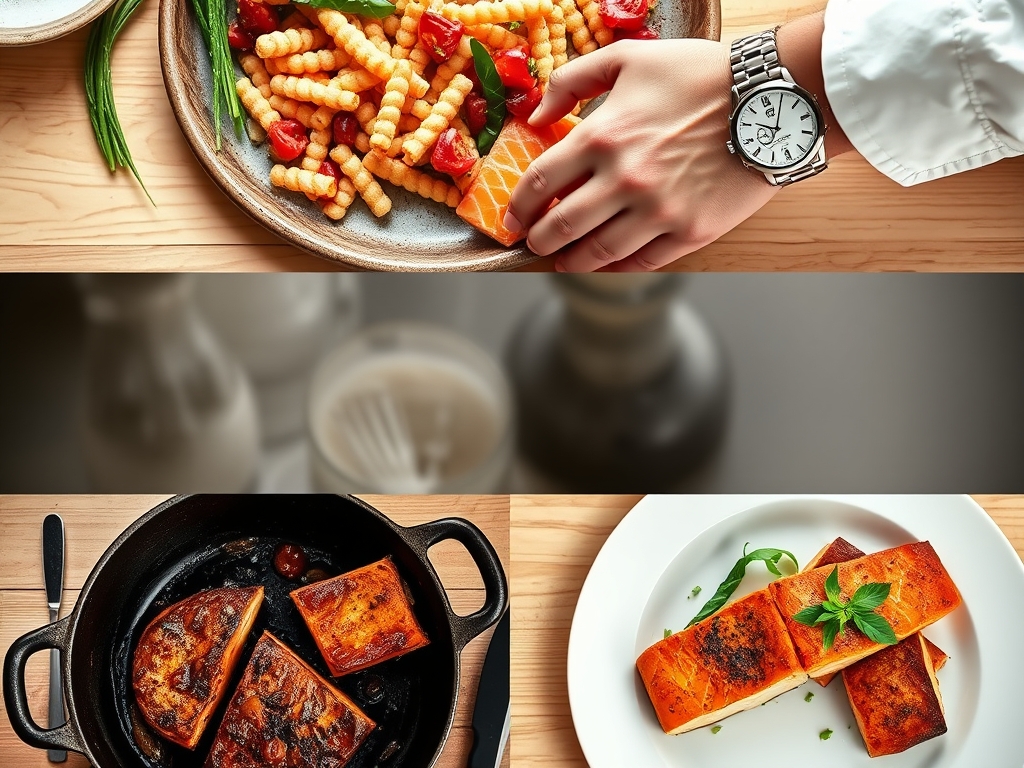
1. The Moisture Purge
Pat your salmon fillets bone-dry using lint-free paper towels. Moisture is the enemy of the Maillard reaction. If the surface of the fish is wet, the thermal energy will be spent evaporating water rather than browning the proteins. Season generously with fine sea salt at least five minutes before hitting the pan.
Pro Tip: This is called "dry-brining." The salt draws out moisture, dissolves into a concentrated brine, and is then reabsorbed into the muscle fibers. This seasons the fish deeply and denatures the proteins so they retain more juice during the heat cycle.
2. The Cold Emulsion Sauce
In a small stainless steel bowl, whisk together the mustard, sugar, and vinegar. Slowly drizzle in your oil while whisking vigorously to aerate and bind the fats. The lecithin in the mustard acts as a bridge between the water and oil molecules, creating a thick, glossy sauce that coats a spoon perfectly.
Pro Tip: If your sauce breaks, it is likely because the oil was added too quickly. To fix it, start with a teaspoon of warm water in a clean bowl and slowly whisk the broken mixture into it to re-establish the bond.
3. The Searing Phase
Heat a heavy-bottomed skillet over medium-high heat until the oil shimmers. Lay the salmon skin-side down, pressing firmly with a flexible fish spatula for ten seconds. This prevents the skin from curling as the collagen fibers contract. Do not move the fish; let the heat work its magic.
Pro Tip: This stage utilizes conduction. By leaving the fish undisturbed, you allow a crust of dehydrated protein to form. This crust acts as an insulator, protecting the delicate flesh above from overcooking while providing a textural contrast.
4. The Butter Baste
Once the skin is crispy, flip the fillets and add a knob of cold butter and a sprig of dill to the pan. Use a large spoon to continuously drench the salmon in the foaming butter. This adds a nutty depth and ensures the top of the fillet reaches the safe internal temperature of 125 degrees Fahrenheit.
Pro Tip: This is called "Arrosé." The milk solids in the butter undergo enzymatic browning, creating a complex flavor profile that simple oil cannot achieve. It also provides a final hit of fat to keep the leanest parts of the fillet moist.
5. The Starch Foundation
While the fish rests, mash your boiled potatoes with a bench scraper or a ricer for the smoothest texture. Fold in butter and warm cream. The goal is a velvety consistency that can support the weight of the salmon without being heavy or gluey.
Pro Tip: Use a ricer to avoid over-working the starch. If you use a food processor, the blades will rupture the starch granules, releasing amylose and turning your beautiful mash into a sticky, wallpaper-paste consistency.
6. The Final Plating
Place a generous mound of mash in the center of the plate. Rest the salmon atop the potatoes, skin-side up to showcase the crunch. Spoon the dill sauce around the base rather than over the top to keep the skin crisp. Garnish with a final "rain" of fresh dill.
Pro Tip: Thermal carryover is real. Remove the salmon from the pan when it is 5 degrees below your target temperature. The residual heat will continue to cook the center while it rests, ensuring a perfect medium-rare finish.
The Deep Dive
Macro Nutrition: A standard serving of this salmon contains approximately 35g of protein, 28g of healthy fats (high in Omega-3s), and 40g of carbohydrates from the potatoes. It is a balanced, high-energy meal that supports brain health and muscle recovery.
Dietary Swaps: For a Keto version, swap the potato mash for a pureed cauliflower and heavy cream blend. For a Vegan alternative, use a thick slice of "King Oyster Mushroom" seared in the same fashion with a vegan mustard-mayo sauce. All ingredients in the standard recipe are naturally Gluten-Free.
The Fix-It:
- Fish Sticking: Your pan was not hot enough. Next time, wait for the oil to "whisper smoke" before adding the protein.
- Gray Layer: This is albumin, a protein that leaches out when fish is cooked too fast at too high a temperature. Lower the heat slightly and focus on the butter baste.
- Bland Sauce: It needs acid. Add a tiny squeeze of lemon juice or a drop more white wine vinegar to brighten the flavors.
Meal Prep: To reheat without losing quality, avoid the microwave. Place the salmon in a 300-degree oven with a splash of water and cover with foil. This creates a small steam chamber that rehydrates the fish without toughening the fibers.
The Wrap-Up
Bringing the essence of ikea salmon recipes into your home kitchen is an exercise in joy and precision. By focusing on the science of the sear and the chemistry of the sauce, you have transformed a simple weeknight dinner into a professional-grade experience. Remember; cooking is just delicious physics. You have the tools, you have the technique, and now you have the secret Nordic edge. Go forth and sear with confidence!
The Kitchen Table
Can I use frozen salmon for this recipe?
Yes; however, ensure it is fully thawed in the refrigerator and patted extremely dry. Frozen fish often contains more surface moisture, which can impede the Maillard reaction and prevent a crispy skin.
What is the best way to store leftovers?
Store the salmon and sauce in separate airtight containers in the fridge for up to two days. Keep the sauce cold; do not reheat it, as the emulsion may break and become oily.
Why is my dill sauce too thin?
A thin sauce usually means the oil was added too quickly or there was not enough mustard to act as an emulsifier. Whisk in an extra teaspoon of Dijon to help thicken the body.
Can I bake the salmon instead of pan-searing?
You can bake it at 400 degrees Fahrenheit for 12 minutes. However, you will miss out on the textural contrast of the crispy skin that only a heavy-bottomed skillet can provide.