Picture this: a slab of cold, pearlescent Atlantic salmon hitting a ripping hot cast iron skillet. The sound is an immediate, aggressive hiss. Within seconds, the kitchen fills with the scent of toasted amino acids and rendering fats. We have all been there; it is six o'clock on a Tuesday and you are staring at a raw fillet with zero motivation. This is exactly why mastering make ahead salmon recipes is the ultimate culinary power move for the modern, busy professional. By prepping your fish with intention, you transform a high-stress protein into a seamless, elegant dinner that tastes like it was just plucked from a professional pass. We are moving beyond basic meal prep into the realm of architectural flavor building. We are talking about textures that remain succulent after a reheat and glazes that deepen in complexity as they sit. This guide is your roadmap to reclaiming your evenings without sacrificing the integrity of a premium ingredient. It is time to treat your salmon with the scientific respect it deserves while keeping things fast, smart, and undeniably delicious.
The Gathers:
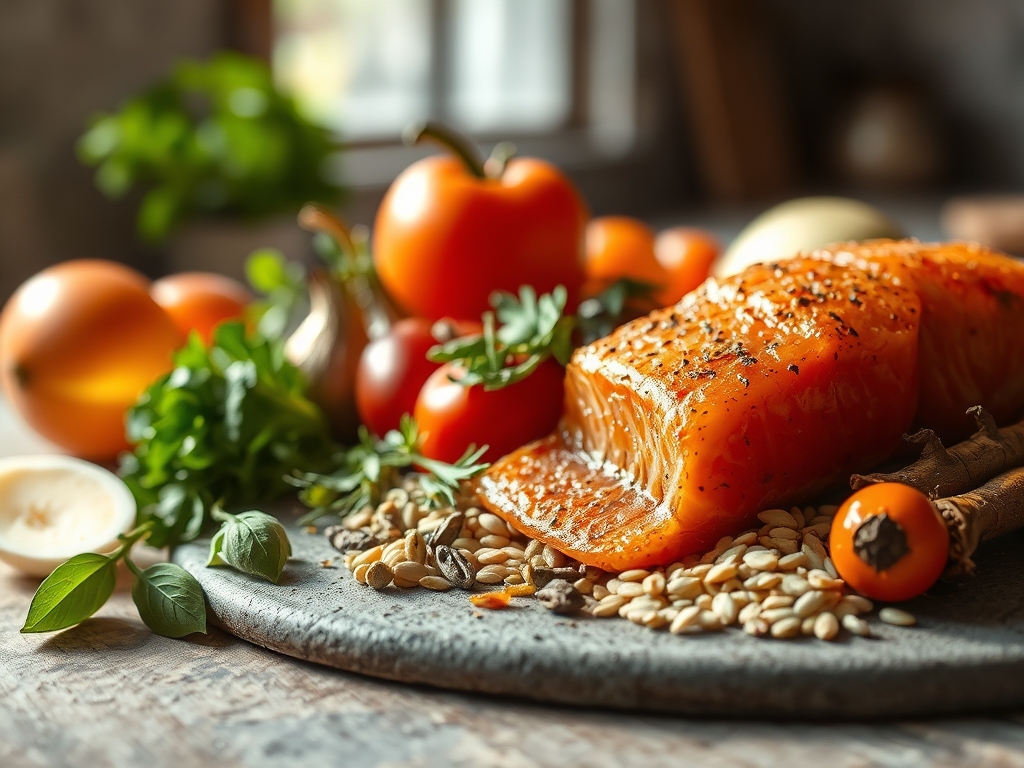
To execute these hacks, your mise-en-place must be precise. Start with high-quality, center-cut fillets; look for vibrant color and a firm, viscous texture that springs back when touched. You will need a microplane for zesting citrus and grating aromatics like ginger or garlic into a fine paste. Grab your digital scale to ensure uniform portioning, which is the secret to consistent cooking times. For your liquids, have a high-quality olive oil, toasted sesame oil, and a piquant acid like rice vinegar or lemon juice on hand.
Smart Substitutions: If you are out of honey for a glaze, use maple syrup for a woodier profile. No fresh ginger? A pinch of ground ginger works, though it lacks the bright infuse quality of the fresh rhizome. If you want to swap the salmon entirely, steelhead trout offers a similar fat content and structural integrity, making it an excellent alternative for these specific make ahead salmon recipes.
The Clock
Efficiency in the kitchen is all about the Chef's Flow. Total active prep time for these eight hacks is approximately 45 minutes. This includes portioning, marinating, and par-cooking where necessary. The passive time, where the magic of osmosis and flavor penetration happens, ranges from 30 minutes to 24 hours depending on the specific technique. By dedicating one hour on a Sunday, you effectively eliminate 20 minutes of decision fatigue and cleanup every single night of the work week. The goal is to minimize the "touch points" between the fridge and the plate.
The Masterclass
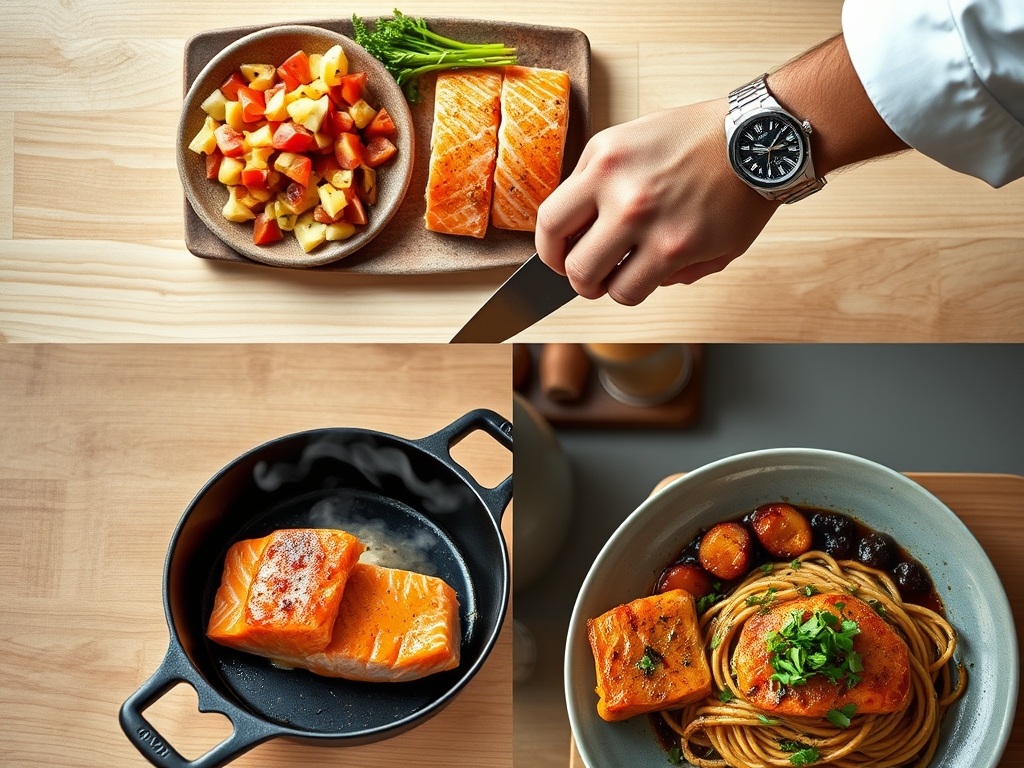
1. The Dry Brine Technique
Before you even think about heat, sprinkle your fillets with a mixture of kosher salt and a touch of sugar. Let them sit uncovered in the fridge for at least two hours. This draws out excess moisture and tightens the protein structure.
Pro Tip: This process, known as denaturation, prevents the unappealing white "albumin" from leaking out during cooking. It ensures a firm, meaty texture that holds up beautifully when reheated.
2. The Parchment Parcel Prep
Fold your salmon into heart-shaped parchment paper with thinly sliced aromatics and a splash of white wine. Seal the edges tightly with a bench scraper to ensure no steam escapes. These can live in your fridge for up to 24 hours before hitting the oven.
Pro Tip: Cooking en papillote utilizes conduction and steam. The parchment traps volatile aromatics, forcing them back into the flesh for a deeper flavor profile.
3. The Compound Butter Log
Whip softened grass-fed butter with herbs, lemon zest, and capers using a small saucier whisk. Roll it into a log using plastic wrap and chill. Slice a coin of this butter onto your salmon just before you pop it into the oven.
Pro Tip: The fat in the butter acts as a thermal insulator. As it melts, it creates an emulsification with the fish juices, basting the salmon and preventing it from drying out.
4. The Flash-Sear and Chill
Heat a heavy-bottomed skillet until it reaches the smoke point. Sear the skin side of the salmon for exactly three minutes to achieve a crisp texture, then immediately remove and chill. Finish the cooking process in the oven right before serving.
Pro Tip: This utilizes the Maillard reaction to develop complex flavors on the skin while keeping the interior raw. This prevents overcooking during the final heating stage.
5. The Acid-Free Marinade
Marinate your salmon in oil, herbs, and spices, but leave the acid out until the very last second. Store these in airtight glass containers to prevent oxidation.
Pro Tip: Adding acid too early causes enzymatic browning and "cooks" the fish like ceviche. By waiting, you maintain the structural integrity of the muscle fibers.
6. The Vacuum Seal Infusion
If you have a vacuum sealer, use it to compress salmon with a soy-ginger glaze. This forces the liquid into the pores of the fish much faster than traditional soaking.
Pro Tip: Under vacuum pressure, the air is removed from the cellular structure of the fish. This allows the marinade to infuse the protein deeply without breaking down the exterior.
7. The Sheet Pan Assembly
Line a pan with parchment and arrange your salmon alongside hardy vegetables like asparagus or broccoli. Drizzle everything with oil and seasonings, then cover tightly with foil.
Pro Tip: This setup accounts for thermal carryover. When you eventually bake it, the vegetables and fish will reach their ideal internal temperatures simultaneously due to their shared environment.
8. The Poached Cold-Start
Submerge fillets in a cold liquid of aromatics and water. Bring it to a bare simmer, then turn off the heat and let them cool in the liquid. Store the salmon directly in the poaching liquid.
Pro Tip: This is the gentlest way to cook. The liquid prevents evaporative cooling, ensuring the fish remains incredibly moist and buttery even after three days in the fridge.
The Deep Dive
From a macro perspective, salmon is a nutritional titan. It is packed with Omega-3 fatty acids, which are essential for brain health, and provides roughly 20 grams of protein per 3-ounce serving. For those following a Keto lifestyle, salmon is a perfect high-fat, zero-carb anchor. If you are Vegan, you can apply these same marinating and searing techniques to "salmon" made from pressed tofu or marinated carrots. For the Gluten-Free crowd, simply ensure your soy sauce is replaced with tamari or coconut aminos.
The Fix-It: Common Pitfalls
- The Soggy Skin: If your skin loses its crunch, hit it with a kitchen torch or a quick broil for 60 seconds.
- The Overcooked Fillet: If you overshot the temp, flake the salmon and mix it with Greek yogurt and dill for a high-end salmon salad.
- The Fishy Smell: This is caused by trimethylamine. A quick rinse with cold water and a pat dry before cooking usually neutralizes the odor.
For reheating, skip the microwave. Instead, use a low oven (275F) with a splash of water covered in foil. This creates a gentle steam chamber that restores "day-one" quality without toughening the proteins.
The Wrap-Up
Mastering make ahead salmon recipes is about more than just convenience; it is about bringing professional-grade technique into your daily routine. By understanding the chemistry of salt, fat, and heat, you can prep meals that are nutritionally dense and chef-level delicious. Whether you are flash-searing for a crispy finish or poaching for a silky texture, these hacks ensure that a gourmet meal is never more than ten minutes away. So, grab your tongs, fire up that skillet, and start prepping like the kitchen genius you are. Your future self will thank you at 6:30 PM on Wednesday.
The Kitchen Table
How long does cooked salmon last in the fridge?
Properly stored in an airtight container, cooked salmon remains fresh and delicious for three to four days. Always ensure the fridge temperature is set below 40 degrees Fahrenheit to maintain optimal food safety and texture quality.
Can I freeze make ahead salmon recipes?
Yes, you can freeze salmon either raw in a marinade or fully cooked. For the best results, use a vacuum sealer to prevent freezer burn. Thaw slowly in the refrigerator overnight before reheating or finishing the cook.
What is the best way to reheat salmon without drying it out?
Avoid the microwave at all costs. Reheat your salmon in a 275 degree oven for about 15 minutes. Add a teaspoon of water or butter to the pan and cover tightly with foil to create a gentle steam.
How do I prevent the white stuff from appearing on salmon?
That white substance is albumin, a protein that pushes out when fish cooks too fast. To prevent it, dry brine your salmon with salt for 30 minutes before cooking and use lower, gentler heat settings.
Is it safe to eat cold salmon prep?
Absolutely. Cold, flaked salmon is a delicacy in salads, grain bowls, or on toast. As long as it was cooked to an internal temperature of 145 degrees and chilled promptly, it is perfectly safe and flavorful.