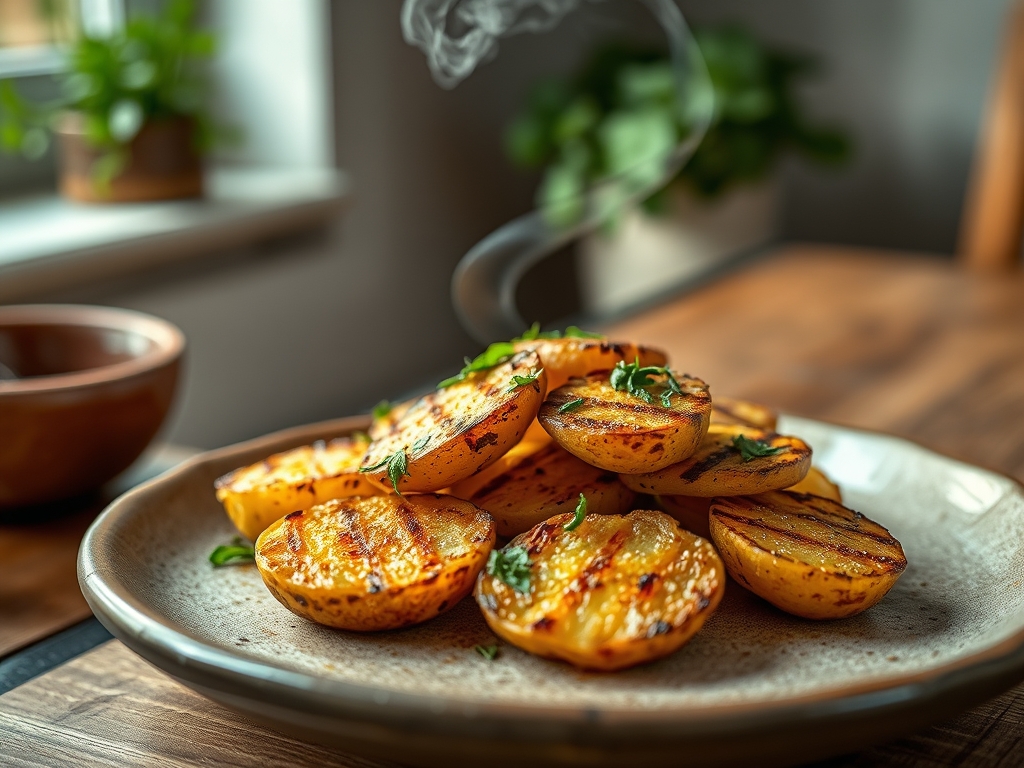
Imagine the scent of woodsmoke mingling with the earthy, sweet aroma of starch undergoing a glorious transformation. We are talking about that perfect contrast: a skin so crisp it shatters like glass, yielding to an interior as light and fluffy as a summer cloud. When you master the best grilled potato recipes, you are not just making a side dish; you are orchestrating a complex chemical ballet of heat and sugar. Most backyard cooks settle for charred outsides and raw centers, but we are going to use molecular precision to ensure every bite is a revelation. Whether you are aiming for a buttery Yukon Gold or a rugged Russet, the grill is your high-heat laboratory. We are about to elevate the humble tuber into the undisputed protagonist of your next outdoor feast.
The Gathers:
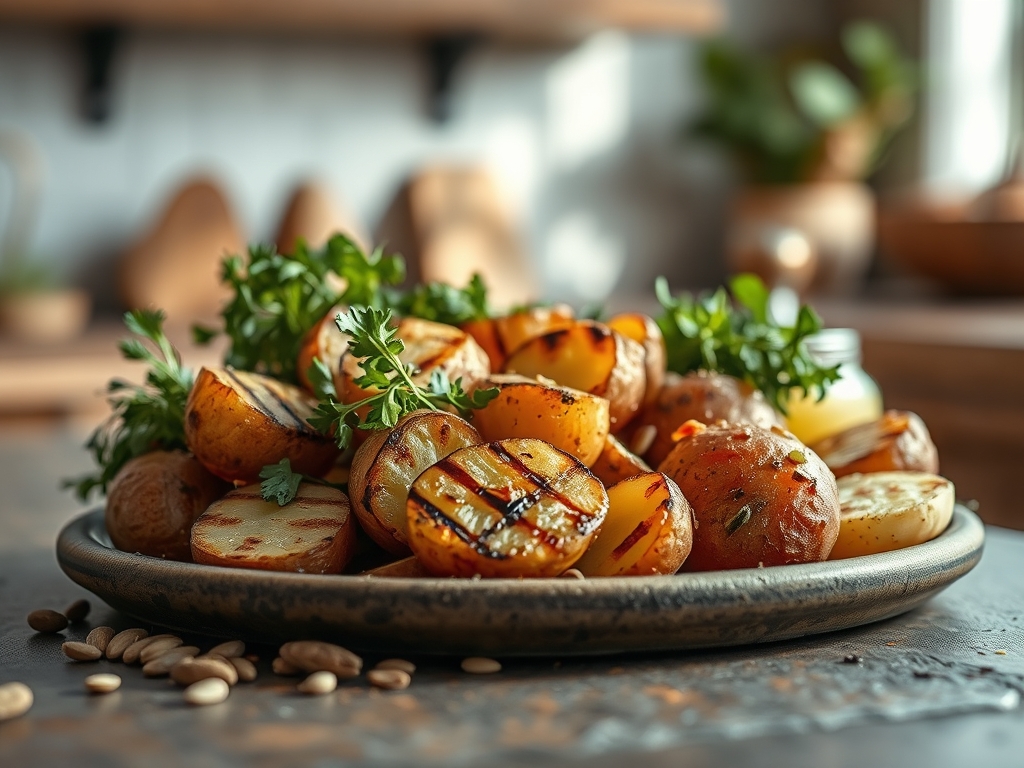
To achieve legendary status, your mise-en-place must be intentional. Start with your canvas: high-starch Russets for maximum fluff or waxy Red Bliss for a dense, viscous bite. You will need a high-smoke-point fat, such as avocado oil or rendered duck fat, to facilitate the Maillard reaction without scorching. Gather your aromatics: fresh rosemary, smashed garlic cloves, and a piquant hit of smoked paprika.
Essential tools are non-negotiable for a professional finish. Reach for your digital scale to ensure uniform sizing, which guarantees even heat distribution. A microplane is vital for zesting lemon or grating hard cheeses over the finished product to infuse bright notes. For "Smart Substitutions," if you are dodging nightshades, firm Japanese sweet potatoes offer a similar starch profile. If you lack duck fat, a high-quality ghee provides that same nutty, clarified depth that survives the intense BTU output of a charcoal flame.
The Clock
Efficiency in the kitchen is about mastering the "Chef's Flow." Total active prep time is roughly 20 minutes, but the secret lies in the staggered timeline. You will spend 10 minutes on the initial scrub and slice, followed by a 10 to 12 minute parboil. This pre-cook is the insurance policy against the dreaded "crunchy center."
The actual grilling phase requires 15 to 20 minutes of direct and indirect heat management. While the potatoes are undergoing their final thermal carryover on the cool side of the grate, you have a 5-minute window to whisk together a vibrant chimichurri or a garlic aioli in a small saucier. Total time from pantry to plate is approximately 45 minutes, but the result tastes like a slow-simmered labor of love.
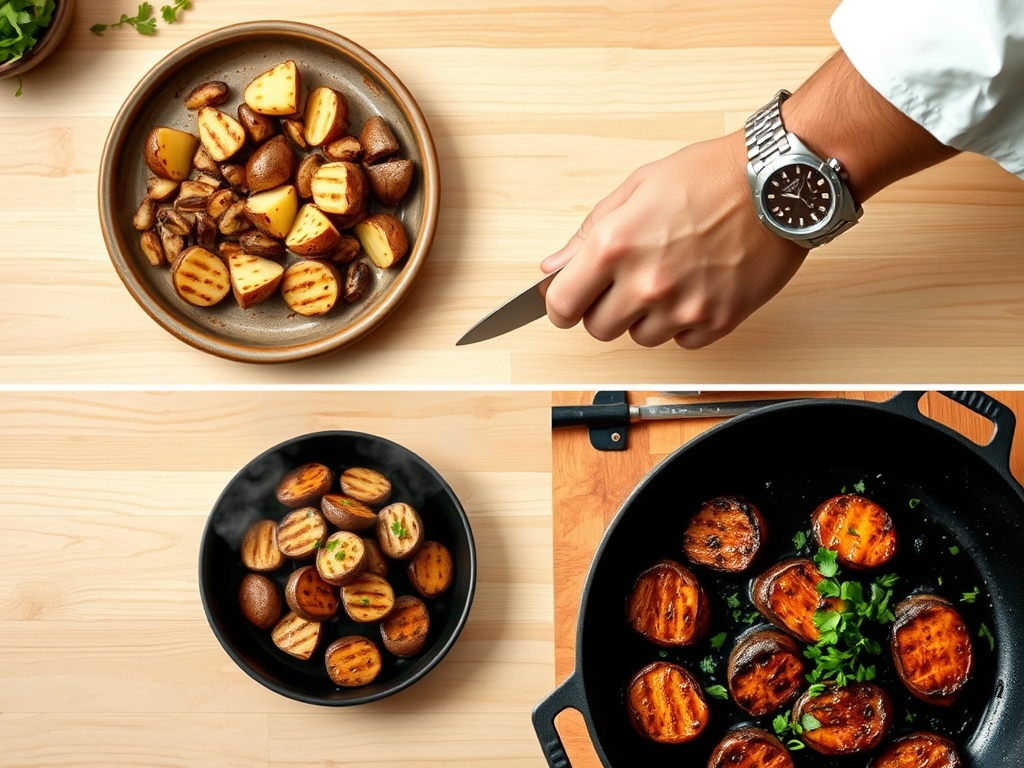
The Masterclass
1. The Precision Parboil
Place your uniform potato wedges into a heavy-bottomed skillet or pot filled with cold, heavily salted water. Bring to a boil and simmer until the exterior is just beginning to soften but the structure remains intact.
Pro Tip: This step utilizes gelatinization. By pre-heating the starches in water, you ensure the interior is fully hydrated and cooked before the high heat of the grill can incinerate the exterior.
2. The Surface Rough-Up
Drain the potatoes and use a bench scraper to toss them gently in a colander. You want to create a "fuzzy" starchy slurry on the surface of each piece.
Pro Tip: This increases the surface area for the Maillard reaction. Those tiny frayed edges of starch will dehydrate and crisp up into the golden "crunch" that defines the best grilled potato recipes.
3. The Lipid Coating
While the potatoes are still steaming, toss them with your chosen fat and seasonings. The heat allows the oil to infuse deep into the surface layers.
Pro Tip: This prevents enzymatic browning. Coating the warm potato in fat creates a barrier against oxygen, preserving the vibrant color while providing the medium for heat transfer.
4. Zone Management
Set up a two-zone fire on your grill. Place the potatoes on the direct heat side to sear, then move them to the indirect side to finish.
Pro Tip: Using a digital thermometer to check for an internal temperature of 210 degrees Fahrenheit ensures the pectin has fully broken down, resulting in a creamy texture.
5. The Searing Phase
Use long-handled tongs to turn the potatoes every 2 minutes. You are looking for deep mahogany grill marks, not black carbonization.
Pro Tip: This stage is all about pyrolysis. Controlled burning of sugars creates complex flavor compounds that are impossible to achieve in a standard oven.
6. The Herb Infusion
In the final two minutes, toss a handful of woody herbs directly onto the coals or the grill grate right next to your potatoes.
Pro Tip: The volatile oils in the herbs will aerate and coat the potatoes in a smoky, botanical perfume without burning the delicate leaves.
7. The Acid Hit
As soon as the potatoes leave the grill, spritz them with fresh lemon juice or a dash of sherry vinegar.
Pro Tip: Acid acts as a flavor bridge. It cuts through the heavy lipids and balances the smoky notes, making the natural sweetness of the potato pop.
8. The Resting Period
Transfer the potatoes to a warm platter and tent loosely with foil for three minutes.
Pro Tip: This allows for moisture redistribution. The steam trapped inside softens the very center one last notch while the crust firms up as it slightly cools.
9. The Finishing Salt
Sprinkle flaky sea salt from a height of at least 12 inches to ensure even coverage.
Pro Tip: Large salt crystals provide a tactile "crunch" and bursts of salinity that contrast with the creamy interior, a hallmark of professional culinary styling.
The Deep Dive
From a macro nutrition perspective, potatoes are a powerhouse of potassium and complex carbohydrates. A medium serving provides roughly 160 calories, 4 grams of protein, and zero fat (until you add your delicious oils). For dietary swaps, vegans can thrive using coconut oil or olive oil. For those on a Keto path, swap the potatoes for cauliflower florets or radishes, which grill beautifully using these same techniques.
The Fix-It:
- The Stick: If potatoes cling to the grate, do not force them. They will naturally release once the crust has formed. Ensure your grates are cleaned with a wire brush and seasoned.
- The Burn: If the outside is black but the inside is hard, your fire is too hot. Move them to the indirect heat zone and close the grill lid to create an oven effect.
- The Sog: If they turn out mushy, you likely over-boiled them. Next time, pull them from the water when they still offer resistance to a fork.
Meal Prep Science: To reheat and maintain "day-one" quality, avoid the microwave. The microwave vibrates water molecules, turning your crispy crust into a rubbery mess. Instead, use an air fryer or a toaster oven at 400 degrees Fahrenheit to re-dehydrate the surface and restore the crunch.
The Wrap-Up
Mastering the best grilled potato recipes is a rite of passage for any serious outdoor cook. By understanding the interplay of starch gelatinization and the Maillard reaction, you move beyond guesswork and into the realm of culinary artistry. Remember to treat your ingredients with respect; use your professional tools like the digital scale and tongs to maintain control over the chaos of the flame. Now, go fire up that grill and turn those humble tubers into a smoky, golden masterpiece that will have your friends begging for your secrets.
The Kitchen Table
Can I grill potatoes without boiling them first?
Yes, but you must use indirect heat for a longer duration. Without parboiling, the exterior often burns before the interior starches fully soften. Parboiling ensures a creamy center and a shatteringly crisp exterior every single time.
What is the best oil for grilling potatoes?
Use oils with high smoke points like avocado, grapeseed, or clarified butter. These fats withstand the high BTUs of a grill without breaking down into bitter, smoky compounds, ensuring your potatoes taste clean and savory.
Why are my grilled potatoes sticking to the grates?
Potatoes stick when the surface proteins haven't fully seared or the grates are cold. Ensure your grill is preheated and the potatoes are well-coated in fat. Wait for a natural release before flipping them with your tongs.
How do I keep grilled potatoes warm for a crowd?
Place them in a preheated slow cooker on the "warm" setting or a low oven at 200 degrees Fahrenheit. Avoid airtight plastic containers, as the trapped steam will quickly turn your crispy crusts soft and soggy.