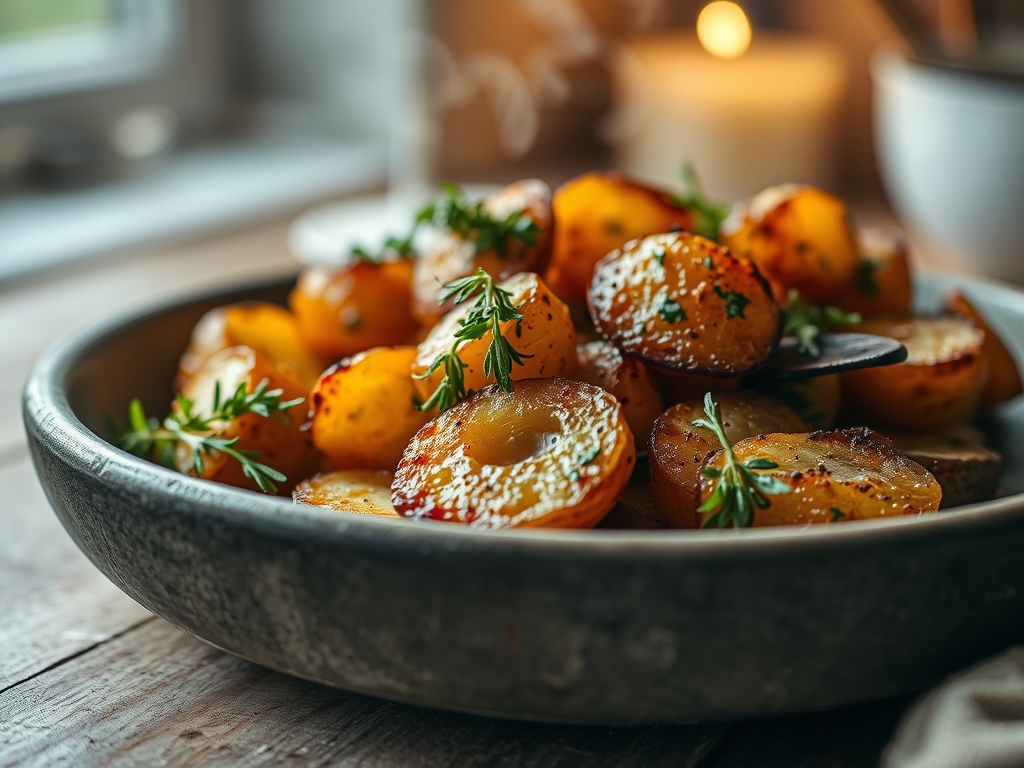
Picture a kitchen filled with the scent of rosemary needles popping in hot fat; it is the olfactory equivalent of a cashmere blanket. When we talk about rustic potato recipes, we are not just discussing a side dish. We are talking about the transformative power of the humble tuber when subjected to precise heat and calculated seasoning. There is a specific magic that happens when a starchy Russet meets a heavy-bottomed skillet. The exterior undergoes the Maillard reaction, turning a deep, nutty amber, while the interior remains a cloud of fluffy, aerated starch. It is comfort food elevated by a little bit of kitchen chemistry and a lot of heart. You do not need a culinary degree to master these textures, but you do need to understand how water content and heat distribution dictate the final bite. We are diving deep into the secrets that turn a simple spud into the centerpiece of a winter feast. Grab your favorite apron because we are about to turn your kitchen into the best bistro in town.
The Gathers:
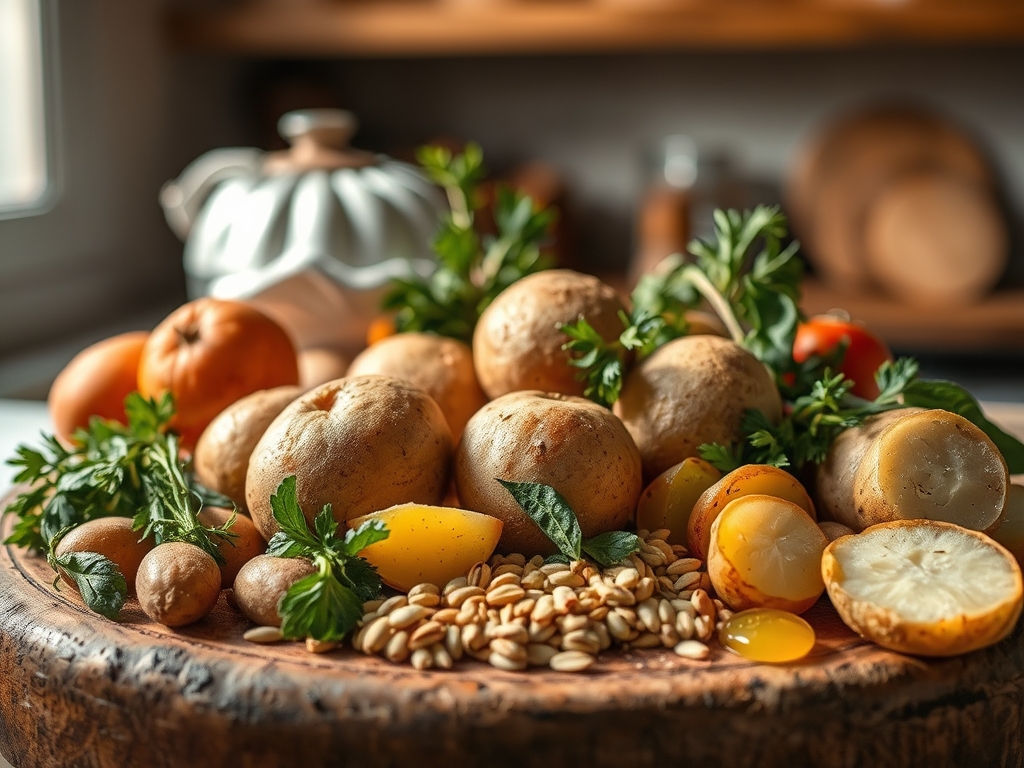
To achieve the ultimate result in your rustic potato recipes, your mise-en-place must be intentional. Start with high-starch varieties like Russets for fluffiness or waxy Yukon Golds for a buttery, viscous mouthfeel. You will need high-quality fats; think duck fat or clarified butter (ghee), which have higher smoke points than standard butter. This allows for intense searing without the bitter acridity of burnt milk solids. Fresh aromatics are non-negotiable. Use a microplane to zest garlic into a fine paste, ensuring it integrates into the oil rather than burning in large chunks.
Smart Substitutions:
If you are looking to lighten the profile, sub half the butter for a high-polyunsaturated fat like avocado oil. For a flavor punch without the sodium, use nutritional yeast to add a piquant, cheesy depth. If you lack fresh herbs, use dried ones but bloom them in the fat for thirty seconds before adding the potatoes to release their fat-soluble volatile oils.
The Clock:
The "Chef's Flow" is all about managing moisture and thermal energy. Total preparation time sits at twenty minutes, while active cooking spans forty-five minutes. Do not rush the process.
- 0-20 Minutes: Washing, peeling (optional for that rustic look), and precision dicing. Use a sharp chef knife to ensure uniform surface area for even browning.
- 20-40 Minutes: The parboil and the dry-off. This is the secret phase where we gelatinize the exterior starch.
- 40-65 Minutes: The high-heat roast or sear. This is where the Maillard reaction occurs.
- The Rest: A five-minute rest period allows the internal steam to redistribute, preventing the crust from becoming soggy.
The Masterclass:
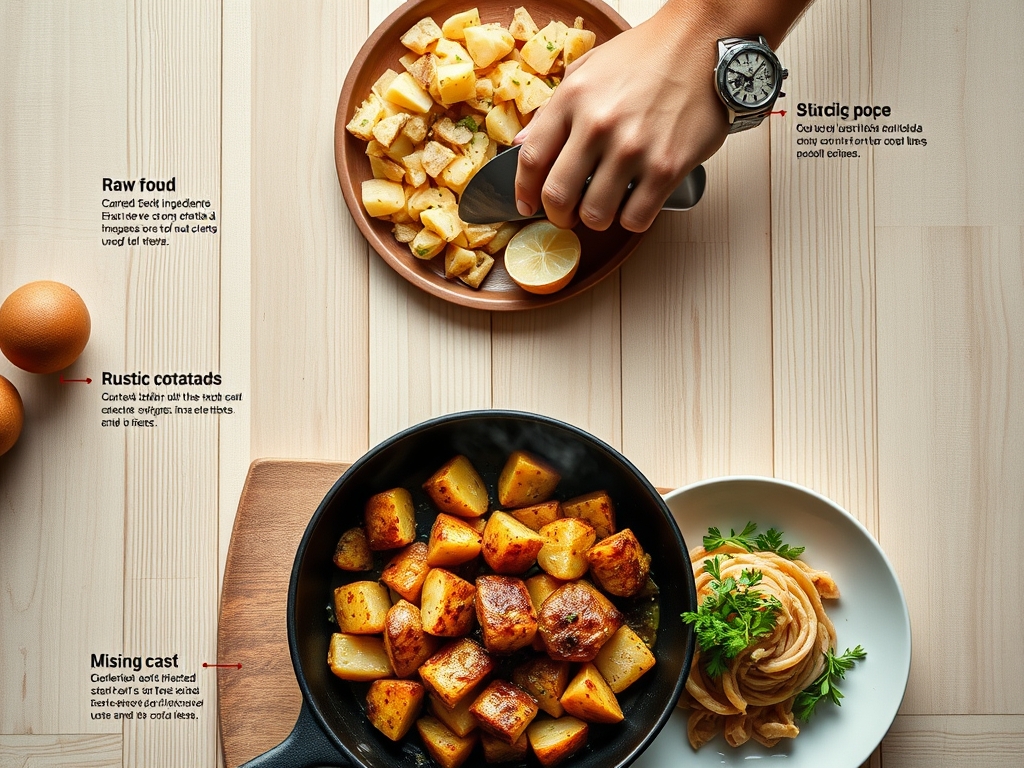
1. The Precision Cut
Uniformity is your best friend. Use a bench scraper to move your cubes efficiently from the cutting board to the pot. Aim for one-inch increments to ensure the center cooks at the same rate the exterior crisps.
Pro Tip: Cutting potatoes exposes starch granules. If you want maximum crunch, do not rinse them yet; let that surface starch sit to create a "glue" that crisps up later. This utilizes enzymatic browning to your advantage.
2. The Alkaline Parboil
Add a half-teaspoon of baking soda to your boiling water. This breaks down the potato's pectin more effectively, creating a fuzzy, starchy slurry on the surface of each cube.
Pro Tip: This "fuzz" increases the surface area exponentially. When it hits the hot fat, those tiny bits of starch dehydrate and fry, creating a glass-like crunch that is impossible to achieve with raw roasting.
3. The Evaporation Phase
After draining, return the potatoes to the hot pot for sixty seconds. Shake them vigorously. You want to see steam billowing out; this is the removal of excess moisture that would otherwise cause steaming rather than frying.
Pro Tip: Removing surface moisture is a thermodynamic necessity. Energy spent evaporating water is energy not spent browning the surface. Dry potatoes reach the frying temperature of 350 degrees Fahrenheit much faster.
4. The Fat Infusion
Heat your heavy-bottomed skillet or roasting pan before adding the potatoes. Use tongs to coat each piece thoroughly in your chosen lipid. The fat acts as a heat transfer medium, ensuring every nook and cranny is exposed to consistent thermal energy.
Pro Tip: This is where you infuse aromatics. Adding a sprig of thyme or rosemary to the oil creates a flavored film around the potato. The fat carries the essential oils of the herbs deep into the starch.
5. The High-Heat Roast
Place the pan in a 425-degree oven. Do not overcrowd. If the potatoes are too close, they will trap steam and turn mushy. Use two pans if necessary to allow for proper airflow.
Pro Tip: Avoid moving the potatoes for the first twenty minutes. This allows the crust to form and release naturally from the pan surface, a process known as "sizzle-release" in professional kitchens.
6. The Saucier Glaze
In the final five minutes, toss the potatoes with a splash of apple cider vinegar or a squeeze of lemon. Use a saucier to melt a final knob of butter with fresh garlic to pour over the top.
Pro Tip: The acidity cuts through the heavy lipids, brightening the overall flavor profile. This is the "brightening" stage that balances the earthy, savory notes of the potato.
7. The Carryover Rest
Transfer the potatoes to a wire rack rather than a paper towel. A wire rack allows air to circulate around the entire potato, maintaining the integrity of the crust.
Pro Tip: Thermal carryover means the internal temperature will continue to rise by a few degrees even after removal from the heat. Resting prevents the "collapse" of the fluffy interior.
The Deep Dive:
Macro Nutrition:
A standard serving of rustic potatoes provides approximately 200 calories, primarily from complex carbohydrates. They are an excellent source of Potassium and Vitamin C. To increase protein, serve alongside a lean roasted chicken or fold in some crispy pancetta.
Dietary Swaps:
- Vegan: Use coconut oil or extra virgin olive oil instead of butter.
- Keto: Replace half the potatoes with roasted cauliflower florets to lower the net carb count.
- GF: Potatoes are naturally gluten-free; just ensure your seasoning blends do not contain hidden starches.
The Fix-It:
- Soggy Potatoes: Your oven temperature was too low or the pan was overcrowded. Fix it by cranking the heat to 450 for the last five minutes.
- Burnt Garlic: You added the garlic too early. Next time, add it in the last five minutes or use a garlic-infused oil.
- Sticking to Pan: You tried to flip them too soon. Wait for the starch to fully polymerize and release itself.
Meal Prep & Reheating:
To maintain "day-one" quality, never use a microwave. Reheat in an air fryer or a dry skillet over medium heat. This re-dehydrates the crust while gently warming the center, preserving the textural contrast.
The Wrap-Up:
Mastering rustic potato recipes is about respecting the science of starch and the power of high-quality fats. By focusing on surface area and moisture control, you transform a humble root vegetable into a culinary masterpiece. Whether you are hosting a formal dinner or just craving something soulful on a Tuesday night, these techniques ensure a perfect, golden result every single time. Now, go forth and crisp with confidence!
The Kitchen Table:
Why are my roasted potatoes always soft?
Softness usually stems from overcrowding the pan or low oven temperatures. When potatoes are too close, they release steam that softens the exterior. Ensure at least an inch of space between each piece and roast at 425 degrees Fahrenheit for maximum crunch.
Do I really need to parboil the potatoes?
Yes. Parboiling gelatinizes the surface starch and creates a "slurry" that crisps up in the oven. Without this step, the outside often burns before the inside is fully cooked, resulting in a tough, leathery skin rather than a crunch.
What is the best fat for rustic potatoes?
Duck fat or clarified butter (ghee) are superior due to their high smoke points and rich flavor profiles. If using olive oil, choose a refined version for roasting and save the extra virgin for a finishing drizzle to avoid acridity.
How do I stop garlic from burning in the oven?
Garlic has a high sugar content and burns quickly. To avoid bitterness, add minced garlic during the last five to ten minutes of roasting, or toss the potatoes in a garlic-infused butter immediately after they come out of the oven.